
Sauces & Condiments
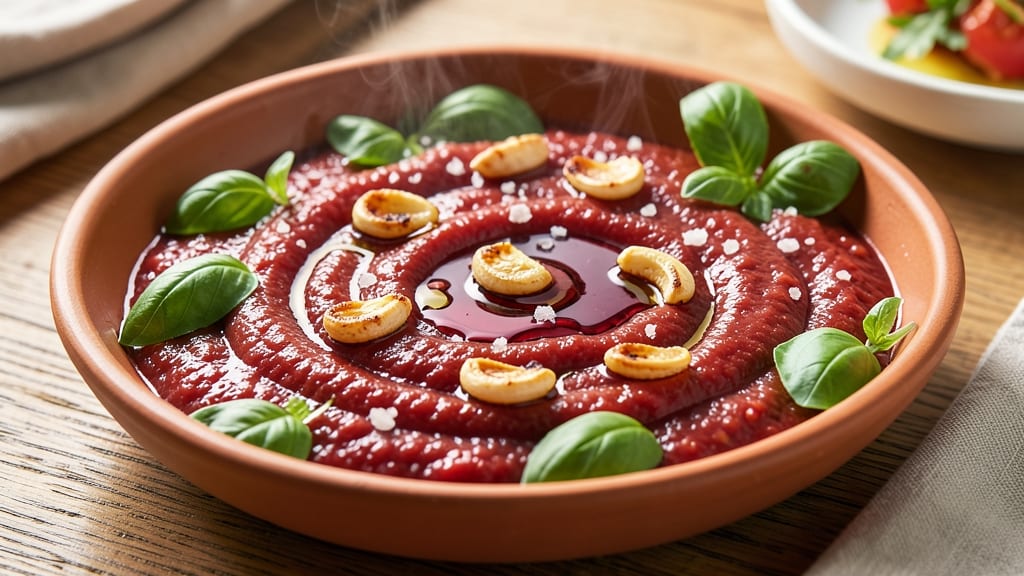
The authentic Napoli sauce you'll make here captures the soul of Naples in every spoonful—bright, aromatic, and built on the purest San Marzano tomatoes. This isn't just a sauce; it's the foundation of Margherita pizza and hand-tossed pasta, where simple ingredients transform into something extraordinary.
The secret lies in slow cooking and fresh basil, which infuses the sauce with its signature sweetness and fragrance.
What sets this recipe apart is its focus on quality ingredients and technique. No shortcuts here—just ripe tomatoes, fresh garlic, and basil that's added at the perfect moment for maximum flavor. The sauce develops depth as it simmers, caramelizing slightly without losing its natural sweetness.
This is the kind of sauce that makes every bite of pizza or pasta taste like you've traveled to Italy.
By the time you're done, you'll have a vibrant, velvety sauce with just the right balance of acidity and sweetness. It's rich enough to coat pasta beautifully but light enough to let the flavors shine through. The aroma alone will have everyone gathering around the kitchen, anticipating that first taste.
This sauce keeps well in the refrigerator for up to five days, making it perfect for meal prep. Use it on pizza, toss it with al dente pasta, or serve it alongside grilled meats.
Here's how to make it—step by step—for results that taste like home, even if you're miles away.
Ingredients for authentic napoli sauce
Eight simple ingredients for a sauce that tastes like a trip to Naples.
| Ingredient | Amount | Notes |
|---|---|---|
| San Marzano Tomato Cans 🍅 | 28 oz | Whole peeled tomatoes, no salt added |
| Garlic Cloves 🧄 | 6 cloves | Fresh, peeled, lightly crushed |
| Fresh Basil Leaves 🌿 | 1 cup | Packed, stems removed |
| Extra-Virgin Olive Oil 🫒 | ½ cup | High quality, fruity |
| Red Wine Vinegar 🍷 | 1 tbsp | For acidity balance |
| Sea Salt 🧂 | 1 ½ tsp | Diamond Crystal preferred |
| Ground Black Pepper 🌶️ | ½ tsp | Freshly cracked |
| Sugar 🍚 | ½ tsp | Optional, for sweetness |
San Marzano tomatoes are the heart of this sauce—look for the official DOP label at Italian markets or Whole Foods. The cans should feel heavy for their size, indicating high-quality, meaty tomatoes. Fresh garlic makes all the difference here; avoid pre-minced jars—it's the first thing you'll taste. I grab mine at Trader Joe's or my local Italian deli. Basil should be bright green with no brown stems—farmers markets usually have the freshest. The olive oil? Use something fruity and peppery, not the bland stuff. Trust me, it shows.
No San Marzano? Crushed tomatoes in a jar work in a pinch, but they won't have the same depth. Fresh basil? Dried oregano at one-third the amount gets you close, but it's not the same. Running low on red wine vinegar? Balsamic vinegar works, though it'll add a slightly sweeter note. The sugar is truly optional—some tomatoes need it, others don't. Taste before adding. For a meatier sauce, add 1 tbsp tomato paste with the tomatoes. And if you're making this ahead? Freeze extra portions in ice cube trays for easy pizza topping later.
This sauce tastes even better the next day as the flavors meld. Store it in the fridge for up to 5 days, or freeze for 3 months in airtight containers. I always make a double batch—one for immediate use, one to freeze. The basil wilts fast, so add it last when reheating. For pizza, spread a thin layer of sauce before adding cheese—prevents a soggy crust. And if you've got leftover basil, toss some into the fridge with a damp paper towel to keep it fresh for your next batch.
Why You'll Love This Recipe
- No-Chop Necessary: The San Marzano tomatoes do all the work—just crush them by hand (or use a fork) while you sauté the garlic. No dicing, no peeling, no fuss. I swear by this lazy-but-genius trick after burning my fingers on a knife block one too many times.
- Garlic-Basil Magic: That first hit of raw garlic in olive oil? Chef’s kiss. Then the vinegar brightens it up, and when you fold in the basil at the end—still whole, just torn—it’s like summer in a jar. Honestly, this sauce tastes like I spent hours simmering, but it’s really just 15 minutes of pure flavor payoff.
- Weeknight to Dinner Party: Same sauce, endless uses. Drizzle it over fresh mozzarella and crusty bread for a lazy lunch, or toss it with grilled shrimp for a fancier guest night. I keep a jar in the fridge because it’s my go-to for anything that needs a quick, bright punch.
- Budget-Friendly Pantry Hero: San Marzano cans last forever, garlic stays fresh for weeks, and basil grows like a weed. This sauce costs pennies per serving but tastes like a restaurant dish. Between us, I’ve made this with just olive oil and tomatoes when I forgot the vinegar—it’s that forgiving.
Step-by-step instructions for authentic Napoli sauce
Here's how to build a classic Neapolitan sauce that captures the soul of Italian cooking.
Sweat the Garlic in Olive Oil
Heat the 0.5 cup extra-virgin olive oil in a heavy-bottomed saucepan over medium-low heat. Add the 6 lightly crushed garlic cloves and cook gently for 3-4 minutes until they're golden but not browned. Watch carefully—the garlic burns quickly, and that bitter flavor ruins everything.
This slow cooking process infuses the oil with sweet garlic notes that form the aromatic base of authentic Napoli sauce. If you smell any burning, remove the pan from heat immediately and start over with fresh garlic and oil. The oil should be shimmering but not smoking when properly heated.
Add Tomatoes and Simmer Low
Pour in the 28 oz San Marzano tomato cans, crushing the tomatoes with your hands as you add them. This breaks down the skins and releases more juice, giving you a smoother sauce. Bring the mixture to a gentle simmer over medium heat, then reduce to low and let it cook uncovered for 25-30 minutes.
You're looking for a sauce that reduces significantly but maintains a thick, glossy consistency—not too watery, not too thick. Stir occasionally, scraping up any browned bits from the bottom of the pan. These bits contain concentrated flavor that makes the difference between good and exceptional sauce.
Balance the Flavors
After the initial simmer, stir in the 1 tbsp red wine vinegar, 1.5 tsp sea salt, 0.5 tsp ground black pepper, and 0.5 tsp sugar. The vinegar brightens the tomatoes while the sugar just slightly rounds out the acidity. Let the sauce cook another 10 minutes to allow all the flavors to meld together.
Taste and adjust seasoning if needed—Neapolitan sauce should be perfectly balanced between sweet, salty, and acidic. The sugar is optional but traditional; some cooks skip it for a more tart profile. Remember, you can always add more salt later, but you can't take it out once it's in.
Finish with Fresh Basil
Remove the sauce from heat and let it cool slightly for 5 minutes. Then add the 1 cup fresh basil leaves, stirring gently to incorporate. The heat from the sauce will release the basil's essential oils, infusing the sauce with that bright, fresh flavor that's characteristic of authentic Napoli preparation.
For best results, use basil that's still slightly damp from washing—this helps it release its flavor more effectively. Don't worry if the basil leaves aren't completely submerged; they'll wilt and blend into the sauce as it cools. Let the sauce sit at room temperature for 10 minutes before serving to allow the basil to fully infuse.
Pro Tips For Making Authentic Napoli Sauce
- Crush That Garlic: Use a mortar and pestle—or the flat side of your knife—to smash whole garlic cloves into a paste before cooking. I learned this the hard way: mincing releases too much moisture, and raw garlic burns faster than you’d think. A thick, aromatic paste blends seamlessly into the sauce without overpowering it.
- Simmer Low and Slow: Once the tomatoes hit the pot, reduce heat to a bare simmer—think tiny bubbles, not rolling. I used to rush it, and the sauce turned mushy or bitter. Low heat breaks down the tomatoes evenly, concentrating their sweetness without skinning or scorching.
- Vinegar Last, Not First: Stir in the red wine vinegar after the sauce has cooked down to thicken, not at the start. Adding it early can make the tomatoes release too much acid upfront, throwing off the balance. A splash at the end brightens the flavor without over-acidifying.
- Strain for Smoothness: After cooking, force the hot sauce through a fine-mesh sieve to remove basil stems and any lingering skin. I know, it’s extra work—but the texture is night and day smoother. Skip this, and you’ll get bits that make the sauce feel heavy, not light and velvety.
Health benefits of this authentic napoli sauce
Lycopene Boost
Napoli sauce is packed with lycopene, a powerful antioxidant found in tomatoes that gives them their vibrant red color. Cooking tomatoes actually increases lycopene absorption—studies show that San Marzano tomatoes (the star of this sauce) contain up to 40% more lycopene than other varieties.
A 1-cup serving provides about 25% of your daily needs, supporting heart health and reducing inflammation. 💪
Heart-Friendly Potassium
This tomato-based sauce is an excellent source of potassium, with one serving delivering about 500mg—that's 11% of your daily requirement. Potassium helps regulate blood pressure by counteracting sodium's effects, making this sauce a smart choice for heart health.
The slow-cooking process preserves more potassium than quick cooking methods.
Vitamin K Powerhouse
You'll get a surprising amount of vitamin K from this sauce, with one serving providing 12% of your daily needs. Vitamin K plays a crucial role in blood clotting and bone health.
The fresh basil added at the end contributes additional vitamin K, along with vitamins A and C. This makes Napoli sauce not just delicious but also a nutritional powerhouse.
Low-Calorie Comfort
At just 80 calories per serving, this sauce delivers big flavor without the calories. The combination of tomatoes, garlic, and olive oil creates a satisfying umami richness that keeps you full without heavy cream or cheese. It's perfect for those watching their calorie intake but still wanting restaurant-quality flavor.
Digestive Benefits
The fiber content in this sauce (about 3 grams per serving) supports healthy digestion and helps maintain steady blood sugar levels. The red wine vinegar adds probiotic benefits when consumed regularly, promoting a healthy gut microbiome.
Plus, the garlic in this sauce contains allicin, a compound that may help reduce cholesterol levels.
Antioxidant Protection
Beyond lycopene, this sauce contains other antioxidants like flavonoids from tomatoes and polyphenols from olive oil. These compounds work together to combat oxidative stress in your body. The fresh basil adds eugenol, a compound with anti-inflammatory properties.
Regular consumption of this sauce can contribute to your overall antioxidant intake for better long-term health. ✨
Nutrition facts
Frequently asked questions
Why is San Marzano tomato the secret ingredient?
San Marzano tomatoes grow in the volcanic soil of Italy's Campania region, giving them a naturally sweeter, meatier texture and lower acidity than regular tomatoes. Their thick flesh reduces beautifully without turning mushy, creating a smoother, more flavorful sauce. For authentic results, never substitute with other canned tomatoes.
Can I make this sauce without fresh basil?
Fresh basil is essential for authentic flavor, but you can use 1 tbsp dried basil in a pinch—though it won't be as vibrant. For a better alternative, try 1 tsp basil pesto (store-bought or homemade) stirred in at the end. The key is adding it last to preserve its bright aroma.
How do I prevent my Napoli sauce from turning out too acidic?
The red wine vinegar adds brightness, but if your tomatoes are very tart, reduce it to ½ tbsp and add ½ tsp sugar to balance. Let the sauce simmer longer (40 minutes total) to let flavors meld. Taste frequently—you can always add more vinegar later, but you can't remove excess acidity.
Is this sauce good for pizza or just pasta?
This versatile sauce works perfectly for both! For pizza, spread a thin layer (about 2 tbsp) before adding cheese to avoid a soggy crust. For pasta, toss with al dente spaghetti or penne. The sauce's bright flavor stands up to grilled meats too—try it with chicken or shrimp.
How long can I store leftover Napoli sauce?
Store in an airtight container in the fridge for 5 days, or freeze for 3 months. When reheating, warm gently on low heat and add fresh basil at the end. For freezing, portion into ice cube trays—perfect for quick pizza toppings later! The flavor actually improves after 24 hours as ingredients meld.