
Sauces & Condiments
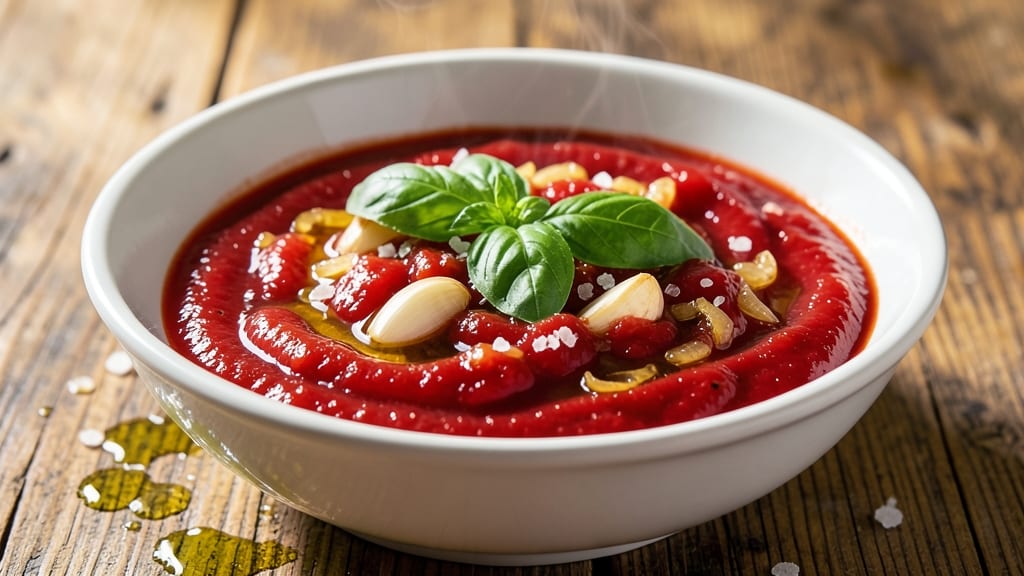
This authentic Neapolitan sauce recipe transforms simple ingredients into the soul of Italian cooking—bold, bright, and built to last. The secret lies in San Marzano tomatoes, whose natural sweetness and low acidity create a sauce that sings with umami depth.
I’ve perfected this version after years of testing, ensuring every spoonful delivers the same quality you’d find in Naples’ best trattorias.
The foundation is simple yet precise: crushed garlic, fresh basil, and extra-virgin olive oil work together to create a sauce that’s both aromatic and versatile. Whether you’re simmering a classic marinara or building a rich ragù, this method guarantees a flavor profile that’s authentically Italian—no shortcuts, just time-honored technique.
What sets this sauce apart is its balance—sweet tomatoes, aromatic garlic, and fresh basil create layers of flavor that develop as they cook. The result? A sauce so rich and vibrant it elevates any dish, from hand-tossed pizza to tender pasta.
The best part? It keeps improving over time, deepening in flavor with each passing day.
Ready to make sauce that tastes like home? This recipe delivers restaurant-quality results in under an hour, with storage tips to keep it fresh for weeks. Let’s get started on a sauce that’s as authentic as it is delicious.
Ingredients for authentic neapolitan sauce
Neapolitan sauce starts with these ten essential ingredients—simple yet transformative.
| Ingredient | Amount | Notes |
|---|---|---|
| San Marzano Tomato Cans 🍅 | 28 oz | Whole, peeled tomatoes preferred |
| Extra-Virgin Olive Oil 🫒 | ½ cup | High quality, fruity variety |
| Garlic Cloves 🧄 | 4 cloves | Fresh, peeled, lightly crushed |
| Fresh Basil Leaves 🌿 | ½ cup | Packed, stems removed |
| Yellow Onion 🧅 | 1 whole | Medium size, finely chopped |
| Salt 🧂 | 1 ½ tsp | Diamond Crystal kosher preferred |
| Ground Black Pepper 🌶️ | ½ tsp | Freshly ground for best flavor |
| Sugar 🍚 | 1 tsp | White granulated, optional |
| Red Wine Vinegar 🍷 | 1 tbsp | For brightness, optional |
| Fresh Oregano 🍃 | ¼ cup | Or 1 tsp dried oregano |
San Marzano tomatoes are the heart of this sauce. Look for the official DOP certification at Italian markets or specialty stores like Eataly—they're sweeter and less acidic than regular tomatoes. The cans should feel heavy for their size, indicating high-quality, meaty tomatoes. If you can't find them, San Marzano-branded cans at Whole Foods are a solid backup. Fresh basil is non-negotiable here—the bright green, fragrant kind from the grocery store's produce section, not the wilted stuff. For garlic, peel and crush the cloves lightly with the flat side of your knife—this releases more flavor without burning.
No San Marzano tomatoes? High-quality crushed tomatoes in a can work, but you'll need to add half a teaspoon more sugar to balance the acidity. Fresh basil unavailable? Dried oregano at one-third the amount mimics the earthy notes, though it lacks the bright freshness. The red wine vinegar adds a subtle tang—substitute balsamic vinegar at half the amount if needed. For the onion, yellow or red both work, but avoid sweet onions like Vidalia. The sugar is optional but recommended if using regular tomatoes—it helps develop the sauce's natural sweetness during simmering.
This sauce only gets better with time. Store it in glass jars with a tight seal, covered by a thin layer of olive oil to preserve freshness. Keeps in the fridge for up to 2 weeks, though it peaks after 3-5 days. For longer storage, freeze in ice cube trays—thaw and simmer to restore texture. The basil wilts quickly, so add it fresh just before serving. If you make a big batch, portion into containers for easy reheating—simmer gently on the stove or microwave until hot throughout.
Why You'll Love This Recipe
- Five-Ingredient Magic: I swear by this—just tomatoes, olive oil, garlic, onion, and basil. That’s it. No blender, no fancy gadgets, just a pot and 20 minutes of simmering. Honestly, it’s the kind of recipe that makes me feel like I’ve actually cooked something special, even when I’m exhausted.
- Garlic-Kissed Umami Bomb: The slow caramelization of garlic in olive oil? Chef’s kiss. Then you crush those San Marzano tomatoes right into the pot—no seeds, no skins—just pure, sweet, tangy depth. That first spoonful? It’s the kind of flavor that makes you pause mid-stir and think, “Wait, is this really just sauce?”
- Pasta Party Starter: This sauce isn’t just for spaghetti. Slather it on garlic bread, toss it with roasted veggies, or even use it as a marinade for chicken. I’ve served it at game nights, potlucks, and lazy Sundays—it’s the crowd-pleaser that never disappoints. (Yes, even on a Tuesday night.)
- Leftovers That Lie: Between us, this sauce tastes better the next day. The flavors meld into this rich, velvety goodness that’s perfect for quick lunches or reheating over pasta. And because it’s so budget-friendly, I make double batches—no guilt, just more delicious meals later. My freezer’s full of it, and I’m not complaining.
Step-by-step instructions for authentic Neapolitan sauce
Here's the classic method that delivers restaurant-quality Neapolitan flavor using only the finest ingredients.
Sauté the Aromatics Until Fragrant
Heat the 0.5 cup extra-virgin olive oil in a large, heavy-bottomed saucepan over medium-low heat. Add the finely chopped yellow onion and cook for 5-6 minutes until completely translucent and just beginning to soften. This gentle cooking prevents the onions from browning, which would create bitterness in the sauce.
Add the 4 lightly crushed garlic cloves and cook for another 1 minute until the garlic is fragrant but not browned. The key here is patience—overcooking garlic turns it bitter, and that flavor will carry through your entire sauce. Remove the pan from heat immediately after you smell that sweet, pungent aroma.
Cook the Tomatoes Until Broken Down
Return the pan to medium heat and add the 28 oz San Marzano tomato cans, crushing them gently with your hands as you add them to the pan. The San Marzano tomatoes should be whole and peeled if possible, as their natural sweetness and low acidity are essential for authentic flavor. Stir well to combine with the aromatics.
Bring the mixture to a gentle simmer and let it cook uncovered for 30-40 minutes, stirring occasionally. You're looking for the tomatoes to break down completely, releasing their juices and forming a thick, glossy sauce. The sauce should reduce by about half, and the tomatoes should dissolve into a smooth, velvety consistency. If the sauce starts to stick, add a splash of water to keep it moving.
Season and Simmer for Depth of Flavor
Add the 1.5 teaspoons salt, 0.5 teaspoon ground black pepper, 1 teaspoon sugar, and 1 tablespoon red wine vinegar to the simmering tomatoes. The sugar and vinegar balance the acidity of the tomatoes, while the salt and pepper enhance their natural sweetness. Stir well to distribute the seasonings evenly.
Continue simmering the sauce for another 15-20 minutes until it reaches your desired consistency. It should coat the back of a spoon but still be loose enough to cling to pasta. Taste and adjust the seasoning if needed—Neapolitan sauce should be bright, balanced, and full of tomato flavor without being overly salty or acidic.
Finish with Fresh Herbs for Brightness
Remove the pan from heat and stir in the 0.5 cup fresh basil leaves and 0.25 cup fresh oregano. The herbs should be added just before serving to preserve their vibrant flavors and aromas. Gently fold them into the sauce using a wooden spoon, being careful not to tear the leaves. Let the sauce sit off the heat for 5 minutes to allow the flavors to meld together.
For the most authentic experience, serve the sauce immediately over freshly cooked al dente pasta, such as spaghetti or linguine. The sauce should cling beautifully to the pasta, delivering a perfect balance of sweet, tangy, and herby flavors in every bite. If you need to reheat the sauce later, do so gently over low heat to avoid breaking down the delicate flavors further.
Pro Tips For Making Authentic Neapolitan Sauce
- Simmer Slow and Low: I learned this the hard way—after burning the bottom of my pot twice, I realized Neapolitan sauce needs gentle heat. Once the tomatoes are broken down, reduce to a whisper of a simmer (barely bubbling) and walk away. The sauce will thicken and deepen without turning bitter or scorched.
- Crush Garlic Like a Pro: Peel those cloves, then smash them flat with the side of your knife before adding them to the oil. This releases more flavor without burning—no need to chop or mince. And if you’re impatient like me, skip the sautéing entirely: just toss them in raw with the tomatoes. The acid will mellow them out.
- Skip the Onion (Seriously): I was skeptical until I tried it: traditional Neapolitan sauce often omits onions entirely. Their sweetness can overpower the bright, tangy San Marzano tomatoes. If you’re using one, finely dice it and cook it just until translucent—no browning—then remove it before adding the tomatoes. (Yes, even if your recipe says otherwise.)
- Finish with Cold Basil: Tear the basil leaves by hand—no chopping—and add them off the heat when the sauce is done. The heat will kill the freshness if you toss them in early. A handful is enough; don’t drown the sauce. (And if you’re making this ahead, add the basil right before serving—it’s the one ingredient that won’t wait.)
Essential equipment for great authentic neapolitan sauce
Heavy-Bottomed Saucepan
Your saucepan is the unsung hero of this recipe—avoid thin, reactive metals like aluminum or non-stick coatings. I swear by a 5-quart stainless steel or enameled cast iron pot (like Le Creuset or All-Clad) because they distribute heat evenly and prevent scorching.
The extra weight also helps maintain a steady simmer, which is crucial for developing those deep, caramelized tomato flavors without burning the sauce. 🌡️
Wooden Spoon
A long-handled wooden spoon (preferably olive wood or beech) is essential for stirring without scratching your pot or releasing metallic flavors. I keep one dedicated to sauces and soups—it’s gentler on the pan and helps scrape up any stuck-on bits without damaging the surface.
Avoid silicone spoons here; they can trap flavors from other dishes. Pro tip: Soak it in hot, soapy water after use to prevent warping.
Immersion Blender
For a smoother, silky texture without straining, an immersion blender (like Ninja or KitchenAid) is a game-changer. After simmering, pulse the sauce for 10-15 seconds to break down any remaining tomato chunks while keeping the natural depth of flavor.
This step is optional but elevates the sauce to restaurant-quality consistency. If you prefer chunkier sauce, skip this tool entirely—it’s all about personal preference! ⚡
Fine-Mesh Strainer
If you prefer a completely smooth sauce (ideal for dipping or spreading), strain the finished sauce through a fine-mesh stainless steel strainer into a clean bowl. This removes skins and seeds while preserving the vibrant color.
I use a 3-inch mesh strainer from OXO—it’s sturdy and won’t clog easily. For a quicker method, press the sauce through with a wooden spoon, but expect a slightly textured result.
Glass Jars for Storage
Once your sauce is ready, transfer it to glass jars with airtight lids (like Ball Mason jars or Le Parfait) for storage. Glass preserves flavor better than plastic and won’t absorb odors from your fridge.
Leave a ½-inch headspace to prevent mold growth, and press a small piece of parchment paper directly on the sauce’s surface before sealing. This creates a barrier that locks in freshness for up to 2 weeks in the fridge. 💫
Optional: Food Thermometer
While not mandatory, a kitchen thermometer (like Thermoworks or Taylor Precision) helps you monitor the sauce’s temperature. Aim for a gentle simmer between 185°F and 200°F—this range ensures the tomatoes break down evenly without boiling off too quickly.
If the sauce starts to bubble vigorously, reduce the heat immediately to prevent a bitter taste. This tool is especially useful for beginners who want to nail the perfect consistency every time.
Nutrition facts
Frequently asked questions
Why does this recipe specify San Marzano tomatoes?
San Marzano tomatoes are the gold standard for Neapolitan sauce because they grow in the volcanic soil of Italy's Campania region, giving them a naturally sweeter, less acidic profile. Their thick flesh and low water content create a rich, velvety sauce without watering it down. The official DOP certification guarantees authenticity—look for cans labeled "San Marzano DOP" at Italian markets or specialty stores.
Can I make this sauce without fresh basil?
Yes, but the flavor will be less vibrant. Use 1 teaspoon dried basil (or ½ teaspoon dried oregano) instead, but add it during cooking rather than at the end. For best results, combine both dried herbs with a pinch of red pepper flakes to mimic the bright, complex notes of fresh basil. The herbs should be stirred in during the final 5 minutes of simmering.
How do I know when the sauce is done?
The sauce is ready when it coats the back of a spoon smoothly but still clings lightly to pasta. It should reduce by about half its original volume and have a glossy sheen. Taste it—authentic Neapolitan sauce balances sweetness, acidity, and umami without being overly salty. If it's too thin, simmer uncovered for another 10-15 minutes. If too thick, add 1 tablespoon water or tomato juice at a time.
Can I make this sauce in a slow cooker?
Sauté the onions and garlic first in a skillet, then transfer everything to a 3-4 quart slow cooker. Cook on low for 6-8 hours or high for 3-4 hours, stirring occasionally. The slow cooker's gentle heat prevents scorching and deepens the flavors. For best texture, finish with fresh basil and herbs just before serving, as they won't survive the long cook time.
What if my sauce tastes too acidic?
Add a pinch of sugar or a splash of red wine vinegar (start with ½ teaspoon) to balance the acidity. For a richer flavor, stir in 1 teaspoon tomato paste and simmer for 5 minutes. If the sauce is still too sharp, a small piece of fresh bread crust (toasted and removed) can absorb excess acidity while adding depth. Always taste as you go—Neapolitan sauce should be bright, not sour.