
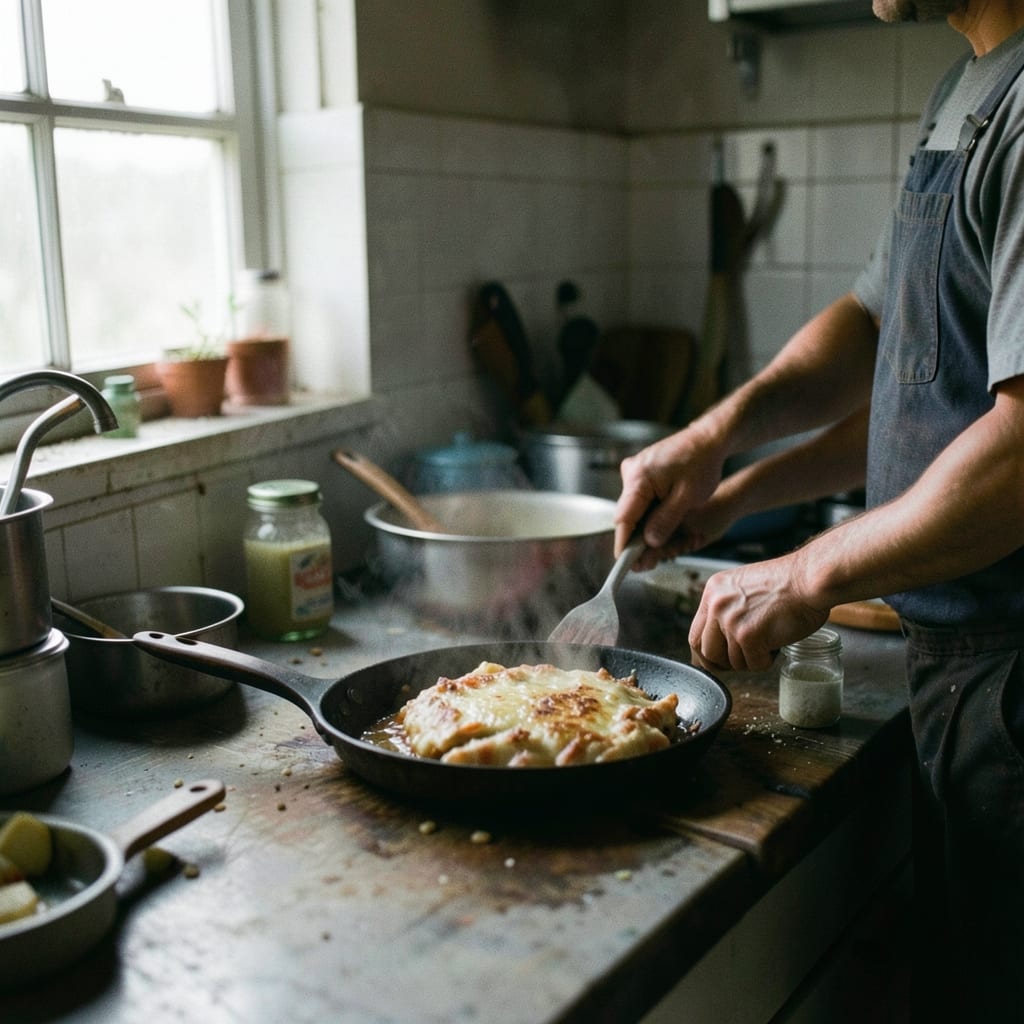
You have read a hundred of these
You’re right: there are a thousand recipe sites promising ‘authentic flavors’ and ‘foolproof techniques.’ Most of them are just regurgitating what’s already out there, slapping a few photos on top and calling it a day.
The difference here isn’t that we’re claiming to be different—it’s that we’re not pretending to be anything but what we are: a place where recipes are treated like experiments, not just instructions.
We don’t write for algorithms or trends. Every recipe here is either something we’ve obsessively tested ourselves or a tradition we’ve tracked down through people who actually know it. If it’s not worth the time and mess, it doesn’t belong here.
That’s not a promise—it’s a rule, and it’s the only one that matters.
We know what you’re thinking: *‘This could be anyone’s stock photos with a fancy description.’*
Anyone can write that they test things
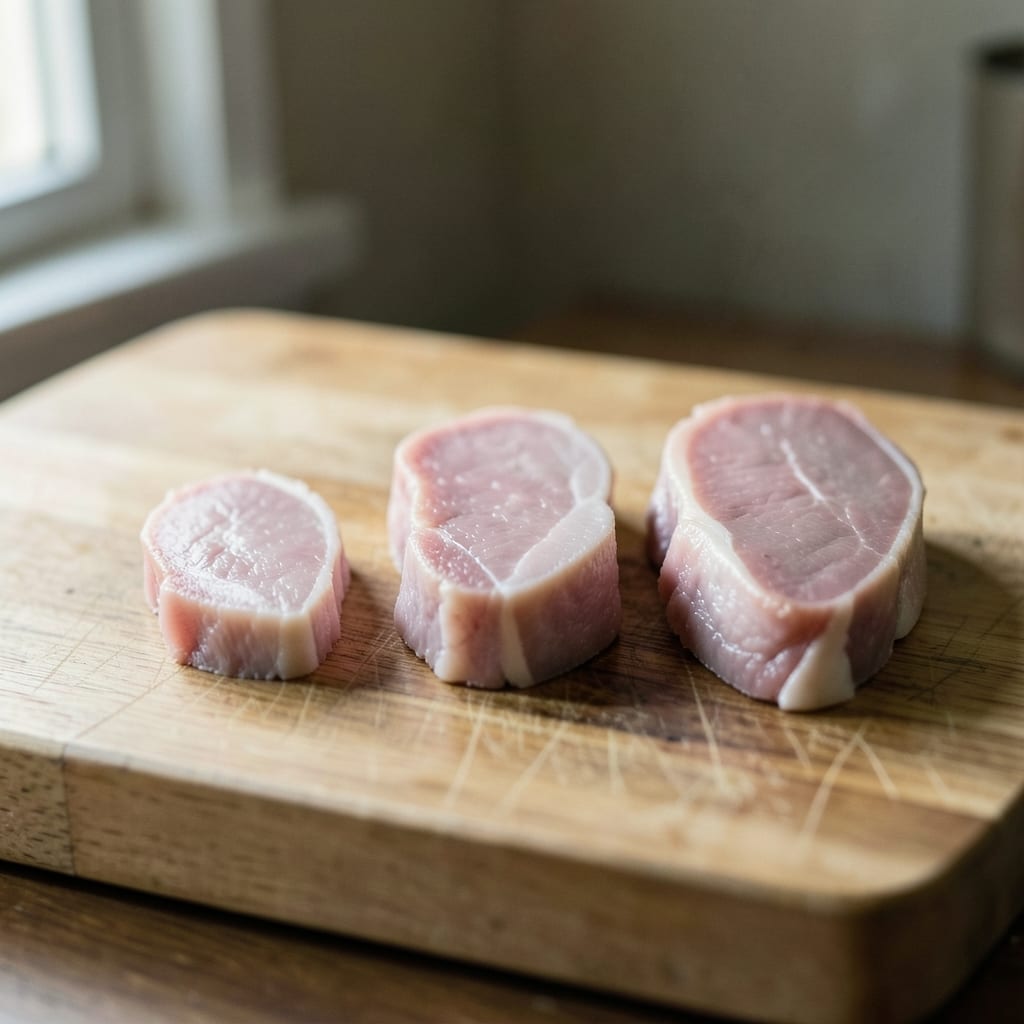
Testing isn’t a buzzword here. It’s a process. A single recipe might take three weeks: two hours of active cooking, another two hours of tasting adjustments, and at least five full drafts before we’re satisfied.
Some sauces—like a proper *ragù*—require multiple batches over days, with each one discarded if it doesn’t hit the mark. We’ve ruined pans, burned ovens, and thrown out enough ingredients to feed a small village.
The point isn’t to brag; it’s to say that if it’s not tested until it works, it’s not here.
We don’t cherry-pick the ‘good’ attempts. If a dish fails three times, we either figure out why or admit it doesn’t belong. No ‘almost-perfect’ recipes, no half-measures. If you’ve ever followed a recipe that sounded great but tasted like a compromise, you’ll know why this matters.
Here, it means we’d rather be wrong in private than right in public.
About the author

Milton Dubois is the founder and editor, and the only one writing here. He’s been cooking since he was old enough to reach the stove—mostly by sneaking bites of his mom’s dishes while she pretended not to notice.
Now, he spends his days hunting for recipes that actually work, tracking down the people who know them best, and refusing to publish anything that doesn’t feel like it was made with intention.
The rules we work by
- 1No shortcuts in sourcing
If we can’t trace a recipe to a specific person, region, or at least three reliable sources, it doesn’t get published. That means digging through family archives, calling grandmothers in other countries, or rewriting a dish from scratch based on scattered notes. It’s slow, but it’s the only way to do it right.
- 2Every ingredient matters
We won’t substitute, dilute, or ‘approximate.’ If a recipe calls for aged vinegar, we use aged vinegar. If it needs a specific spice blend, we either find it or make it ourselves. The cost? Time, patience, and sometimes money—but a dish that’s been cut corners on tastes like it.
- 3The reader comes first
This isn’t about us. It’s about giving you a recipe that will actually work, not one that sounds impressive but falls apart in practice. That means no jargon, no assumptions, and no holding back on the parts that might go wrong.
- 4We admit when we’re wrong
If a recipe fails after testing, we pull it. If we realize we misrepresented something, we correct it. Perfection isn’t the goal—accuracy is. And if we can’t be accurate, we’d rather not publish at all.
- 5No ads, no sponsorships
The recipes here aren’t shaped by what sells or what’s trending. They’re shaped by what’s worth making. That means fewer ads, fewer ‘partnered’ posts, and no compromises on what we put on the page.
When we break our own rules, it’s usually because we’ve hit a limit. Maybe a recipe is too obscure to track down properly, or a technique is too risky to attempt without more expertise. In those cases, we’ll say so up front—no hidden agendas, no false promises.
The rare exceptions aren’t failures; they’re just the moments where we decide honesty matters more than publishing.
This will not be right for everyone
If you’re looking for quick hacks, ‘5-ingredient wonders,’ or recipes that sound good but won’t actually work in your kitchen, this isn’t the place. We don’t do ‘easy’ when ‘good’ is possible.
If you’re the kind of cook who skips steps, eyeballs measurements, or gets frustrated when things don’t go perfectly the first time, you’ll probably want to look elsewhere.
This site is for people who care about the difference between a sauce that’s *fine* and one that’s *unforgettable*. For those who’d rather spend an extra hour perfecting a dish than serve something mediocre. If that’s not you, that’s okay—there are plenty of other sites that will fit you better.
You could just be told what you want to hear
We could pretend every recipe here is a ‘game-changer’ or that every technique is ‘revolutionary.’ But that’s not how cooking works. The truth is messier: some recipes are simple but require patience, others are complex but worth it, and a few are just plain hard.
We’ll tell you which is which—no sugarcoating, no false excitement. If you’d rather hear ‘this is amazing!’ than ‘this takes three tries to get right,’ you’re not our audience.
Worth telling us
- The one ingredient you’re *actually* supposed to splurge on (and why)
- The technique that looks impossible but isn’t—if you do it right
- The dish that ruined your first attempt, and how we fixed it
The recipes are grouped by category: Appetizers, Beverages, Breakfast & Brunch, Desserts, Main Courses and Reviews.