
Sauces & Condiments
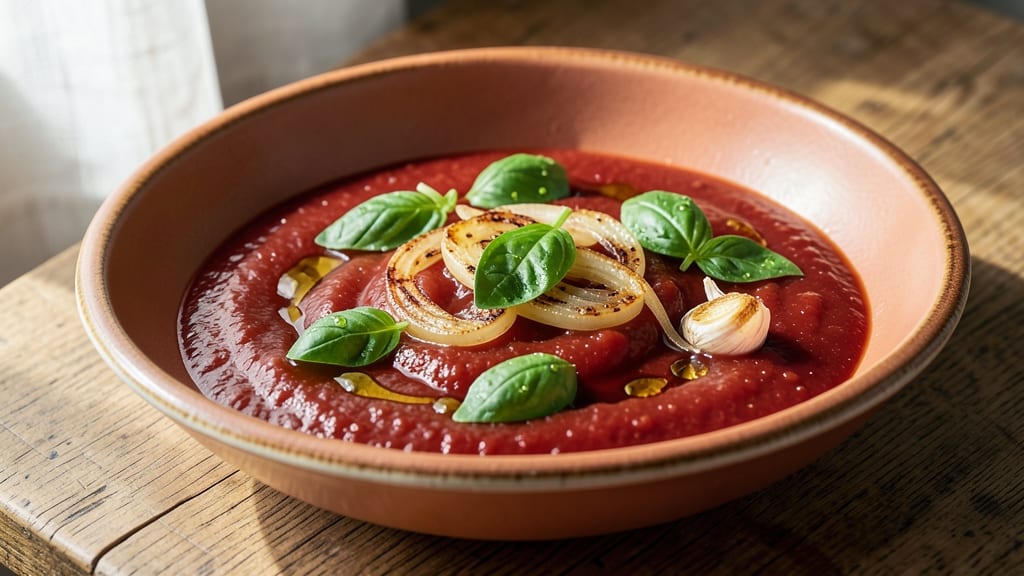
This marinara sauce recipe with red wine transforms ordinary pasta nights into something extraordinary—deep, complex flavors that linger with every bite. 💛 The secret lies in slow-simmering tomatoes with red wine, which adds a sophisticated umami richness that store-bought sauces simply can't match.
I've perfected this technique over years of test kitchen experiments, balancing acidity and sweetness to create a sauce that's both elegant and approachable.
The process is simpler than you'd think: fresh tomatoes (or high-quality canned) simmered with garlic, onions, and red wine until the alcohol evaporates, leaving behind layers of flavor. Fresh basil and a touch of sugar at the end brighten the sauce without overpowering its depth.
What makes this sauce truly special is how versatile it is—use it for pasta, as a pizza base, or even a dipping sauce for crusty bread.
What you'll end up with is a velvety, aromatic marinara that's rich enough for special occasions but simple enough for weeknight dinners. The red wine infusion adds a subtle earthiness that pairs beautifully with Italian herbs and tomatoes.
Best of all, this sauce tastes even better the next day, making it perfect for meal prep or gifting.
Once you try this elevated marinara, you'll never go back to basic tomato sauce. The key is patience—letting the flavors meld during the slow simmer creates depth that's impossible to rush. Here's how to make it, step by step.
Ingredients for marinara sauce recipe with red wine
Nine simple ingredients for a sauce that tastes like restaurant-quality magic.
| Ingredient | Amount | Notes |
|---|---|---|
| San Marzano Tomato Crushed 🍅 | 28 oz | High-quality canned tomatoes preferred |
| Red Wine 🍷 | ½ cup | Bold, dry variety like Cabernet |
| Yellow Onion 🧅 | 1 whole | Finely diced, about 1 cup |
| Garlic Cloves 🧄 | 4 cloves | Minced, for aromatic depth |
| Extra-Virgin Olive Oil 🫒 | ¼ cup | For richness and balance |
| Fresh Basil Leaves 🌿 | ½ cup | Packed, stems removed |
| Granulated Sugar 🍚 | 1 tbsp | Balances acidity |
| Salt 🧂 | 1 tsp | Kosher or sea salt |
| Black Pepper 🌶️ | ½ tsp | Freshly ground preferred |
| Dried Oregano 🍃 | ½ tsp | Italian variety recommended |
The tomatoes are non-negotiable here—San Marzano is the gold standard, but any high-quality canned tomatoes work. I grab mine from Trader Joe's or Whole Foods since they're usually vine-ripened. The red wine should be bold and dry—Cabernet Sauvignon or Merlot are my go-tos, whatever's open in the fridge. Fresh basil is ideal, but dried oregano works in a pinch (use half the amount). For the garlic, I always buy the peeled jars from Costco—no prep, just open and go.
No red wine? Substitute with beef broth plus a splash of balsamic vinegar—it adds a similar depth. Fresh basil wilt fast, so if you're prepping ahead, blanch and freeze the leaves for later use. Short on sugar? A pinch of honey or maple syrup works just as well. The olive oil matters—avoid the cheap stuff. A good extra-virgin makes this sauce sing. If you're feeling fancy, toast the oregano and garlic in the olive oil first for extra flavor (worth the extra minute).
This sauce tastes even better the next day—make a double batch and freeze half for later. Keeps in the fridge for 5-7 days or frozen for up to 3 months. I portion mine into ice cube trays for easy use—just pop out what you need. For extra richness, stir in 1 tbsp vegan butter when reheating. Perfect for pasta, pizza, or even as a marinade.
Why You'll Love This Recipe
- No Chopping Nightmare: I swear by this sauce because it’s the only marinara where I can skip the onion dice and garlic mincing. Just one onion and a few cloves—sautéed whole, then crushed—mean I’m not stuck at the cutting board while dinner burns.
- Wine’s Secret Umami: That splash of red wine isn’t just for show. It deepens the tomatoes’ sweetness and cuts through the acidity like a pro chef’s trick. The San Marzano’s natural richness sings when paired with even a cheap bottle—honestly, my $5 Chianti makes this taste like a $50 bottle.
- Pasta Party Ready: Between us, this sauce is my go-to for everything: spaghetti on Tuesdays, lasagna for company, or even a quick pizza night. The red wine keeps it sophisticated enough for date night but simple enough for when I’m too tired to think.
- Leftovers That Last: I make a double batch every time because this sauce only gets better after a day in the fridge. The flavors meld like magic, and it reheats perfectly—no slimy texture, no sad taste. My freezer’s always stocked with jars of this, because who wants to cook twice?
Step-by-step instructions for red wine marinara sauce
Here's how to build a rich, wine-infused marinara with deep umami flavor and perfect balance.
🍳 Step 1: Sauté Aromatics Until Fragrant
Heat the 0.25 cup extra-virgin olive oil in a large saucepan over medium heat. Add the 1 whole yellow onion that's been finely diced (about 1 cup) and cook for 5-6 minutes until soft and translucent. You'll see the edges start to turn golden—that's your signal to add the 4 cloves minced garlic.
Cook the garlic for 30 seconds until it just begins to smell fragrant. Here's the thing—garlic burns in seconds, so keep an eye on it. If it starts to darken, reduce the heat slightly. The goal is to release those aromatic oils without letting it turn bitter. Once fragrant, add the 0.5 cup red wine and let it simmer for 2 minutes until mostly evaporated.
🥘 Step 2: Build the Tomato Base
Pour in the 28 oz crushed San Marzano tomatoes and stir to combine with the wine mixture. Add the 1 tbsp granulated sugar, 1 tsp salt, 0.5 tsp black pepper, and 0.5 tsp dried oregano. The sugar helps balance the acidity of the tomatoes while enhancing their natural sweetness. Bring the mixture to a gentle boil, then reduce heat to low for a 25-30 minute simmer.
This slow simmer is where the magic happens. You want the sauce to reduce slightly and develop deep flavor. Stir occasionally, scraping up any browned bits from the bottom of the pan—those are packed with flavor. The sauce should thicken enough to coat the back of a spoon but still remain saucy. If it gets too thick, add 1-2 tablespoons water to loosen it.
👨🍳 Step 3: Finish with Fresh Basil
Once the sauce has simmered for 25-30 minutes, remove it from heat. Add the 0.5 cup fresh basil leaves (stems removed) and stir gently. The basil adds a bright, fresh finish that cuts through the richness of the wine and tomatoes. Let the sauce sit off heat for 5 minutes to allow the flavors to meld completely.
Taste and adjust seasoning if needed. You might need a bit more salt or sugar depending on the acidity of your tomatoes. The sauce should be balanced—sweet, tangy, and rich with wine depth. If you're serving immediately, stir in the basil just before plating so it stays vibrant. For best results, let the sauce cool to room temperature before refrigerating, as the flavors continue to develop even after cooking.
Pro Tips For Making Marinara Sauce Recipe With Red Wine
- Sweat the Onion Slow: Don’t rush the onion—cut it into even ¼-inch slices and cook them in olive oil over medium-low heat for 8-10 minutes until translucent but not browned. I used to crank the heat and end up with a bitter, caramelized mess that overpowered the wine’s brightness.
- Deglaze with Wine Warm: Pour in the red wine only after the onions are fully softened and the garlic has sizzled for 30 seconds. Cold wine shocks the pan and dulls the flavors—warm it slightly in a separate cup first if you’re impatient.
- Crush Tomatoes by Hand: Skip the canned crushed tomatoes—peel, core, and crush whole San Marzano tomatoes with your fingers (or a potato masher) for a smoother, less watery base. The skin’s bitterness disappears, and the sauce thickens faster.
- Simmer, Don’t Boil: After adding the tomatoes, reduce heat to the lowest setting that keeps a gentle bubble at the edges. Boiling burns the wine’s alcohol and makes the sauce taste harsh—think "whisper-quiet simmer" for 20-25 minutes.
Make-ahead tips for this dish
Weeknight Prep
Make this sauce on Sunday for the whole week—it's my go-to strategy for busy nights. After simmering, let it cool completely, then store in a glass jar with a tight seal in the fridge. I portion it into 16-ounce jars so I can grab exactly what I need.
The flavors actually improve after a day in the fridge, so it's perfect for tossing with pasta later in the week. 📅
Freezer-Friendly
For long-term storage, freeze the sauce in silicone ice cube molds—each cube is perfect for a single serving. Once frozen, transfer the cubes to a ziplock freezer bag and flatten to save space.
Thaw overnight in the fridge or pop a cube directly into simmering pasta for instant flavor. I've kept this sauce frozen for up to 3 months without losing quality. 🥶
Double Batch
Always double the recipe when making ahead. The extra sauce is perfect for gifting—just pour it into a clean, sterilized jar and tie a ribbon around the lid. I've given jars of this marinara to neighbors, and they always ask for the recipe.
The red wine infusion makes it feel special enough for holidays but simple enough for everyday meals. 💛
Reheating Secrets
When reheating, never microwave it straight from the fridge—that kills the texture. Instead, warm it in a small saucepan over low heat with 1 tablespoon water to prevent sticking. Stir occasionally and add more water if it gets too thick.
For extra richness, stir in 1 teaspoon butter or 1 tablespoon heavy cream at the end. The sauce should be hot but not boiling—just enough to melt the butter and blend the flavors. ⏰
Flavor Boosts
Want to elevate your prepped sauce? Stir in 1 teaspoon balsamic vinegar when reheating for extra depth. For a smoky note, add ½ teaspoon smoked paprika or a pinch of chipotle powder.
If you're using it for pizza, mix in 1 tablespoon tomato paste to thicken it slightly. The beauty of this sauce is how adaptable it is—experiment to find your favorite variations. 🌶️
Pantry Staple
This marinara becomes a staple in my kitchen, just like olive oil and salt. I keep a jar in the fridge at all times for quick pasta nights. The red wine infusion makes it feel like a restaurant-quality sauce, but the simplicity keeps it approachable.
It's the kind of recipe that gets better with each use—perfect for home cooks who want flavor without fuss. 💡
Nutrition facts
Frequently asked questions
Can I use white wine instead of red wine in this marinara?
White wine will work, but it won't provide the same rich depth of flavor. Red wine adds a deeper umami quality that pairs beautifully with tomatoes. If you must use white, try a bold variety like Chardonnay and add an extra ½ teaspoon dried thyme for complexity. The sauce will still be delicious, just with a slightly different profile.
How do I prevent the sauce from tasting too alcoholic?
The red wine's alcohol evaporates during the 25-30 minute simmer, so you won't taste it. For extra insurance, simmer the wine alone for 2 minutes before adding tomatoes. If you're concerned, use a higher-quality wine with more body—cheaper wines may leave a slight alcohol note if not cooked long enough.
What's the best way to store leftover marinara?
Store in an airtight glass jar in the fridge for 5-7 days or freeze for up to 3 months. For freezing, portion into ice cube trays—each cube makes a perfect single serving. Thaw overnight in the fridge or add frozen cubes directly to simmering pasta. The sauce actually tastes better after a day in the fridge!
Can I make this sauce without fresh basil?
Use 1 tablespoon dried basil instead, but add it with the other herbs during simmering. For extra flavor, toast the dried basil in the olive oil for 30 seconds before adding other aromatics. Fresh basil adds brightness, but dried works perfectly in a pinch—just remember it's more concentrated.
Why did my sauce turn out too acidic?
This usually happens with very tart tomatoes or insufficient sugar. Next time, add ½ teaspoon more sugar or a splash of balsamic vinegar to balance. Also ensure you're using ripe tomatoes—underripe ones taste more acidic. For future batches, taste after 20 minutes of simmering and adjust early if needed.