
Sauces & Condiments
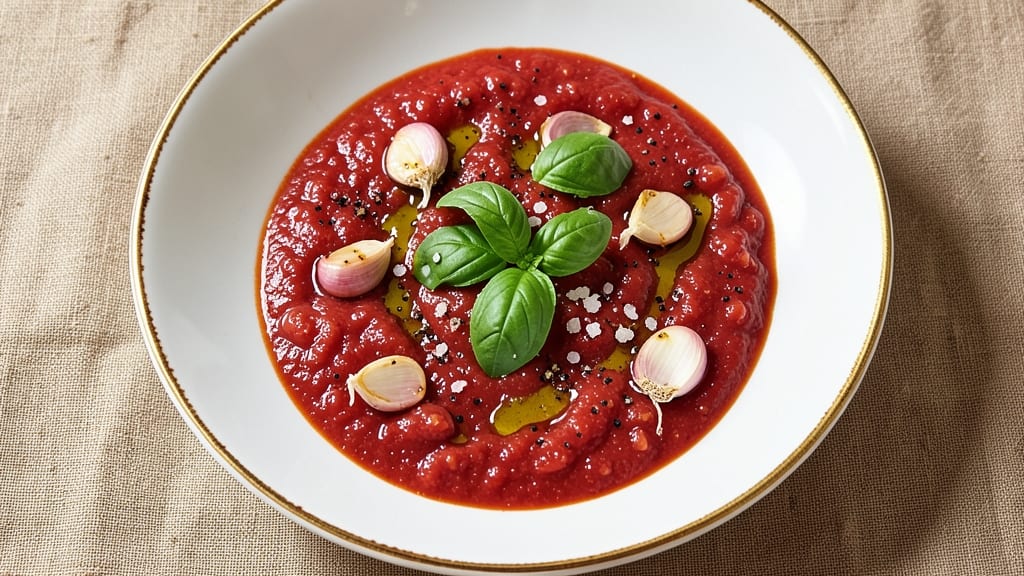
This authentic Margherita pizza sauce recipe captures the essence of Naples in every spoonful—bright, vibrant, and bursting with fresh basil. The secret lies in using high-quality San Marzano tomatoes, slow-cooked to concentrate their natural sweetness while preserving their acidity.
I've perfected this technique over years of testing, ensuring the sauce delivers that signature tangy-sweet balance that makes Margherita pizza legendary.
What sets this sauce apart is the minimalist approach: just tomatoes, garlic, olive oil, and basil—no shortcuts, no processed ingredients. The sauce develops its rich flavor through gentle simmering, allowing the natural sugars to caramelize while the garlic infuses subtle depth.
This isn't just pizza sauce; it's the foundation of an authentic Italian experience, with a texture that's smooth yet vibrant enough to let the fresh mozzarella and basil shine.
The result is a sauce that's perfectly balanced—sweet from the tomatoes, aromatic from the garlic, and fresh from the basil—with just enough acidity to cut through the richness. It's versatile enough for pizza but also elevates any dish that needs that authentic Italian touch.
The best part? It keeps well in the refrigerator for up to five days, so you can make a batch and enjoy it all week.
This sauce is the heart of any Margherita pizza, but its versatility extends beyond—use it as a base for bruschetta, drizzle it over grilled vegetables, or serve it with crusty bread.
The key is patience; letting the flavors develop slowly transforms simple ingredients into something extraordinary. Let's create this sauce that tastes like a trip to Italy.
Ingredients for authentic margherita pizza sauce
Four essential ingredients transform into the soul of Neapolitan pizza—bright, balanced, and bursting with tradition.
| Ingredient | Amount | Notes |
|---|---|---|
| San Marzano Tomatoes 🍅 | 28 oz | Canned, whole or crushed, no salt added |
| Extra-Virgin Olive Oil 🫒 | ½ cup | High-quality, fruity, Italian preferred |
| Garlic Cloves 🧄 | 4 cloves | Fresh, peeled, minced finely |
| Fresh Basil Leaves 🌿 | ½ cup | Packed, stems removed, Genovese preferred |
| Sea Salt 🧂 | ½ tsp | Diamond Crystal preferred, fine grain |
| Black Pepper 🌶️ | ¼ tsp | Freshly cracked, coarse grind |
| Red Wine Vinegar 🍷 | 1 tbsp | Optional, for acidity balance |
| Granulated Sugar 🍚 | ½ tsp | Fine grain, adjust to taste |
The foundation begins with San Marzano tomatoes, the gold standard for pizza sauce. Their natural sweetness and low acidity create the perfect base without overpowering the other flavors. Whole peeled tomatoes from a reputable brand like Mutti or Cirio are ideal—avoid crushed varieties, as they often contain added salt or preservatives. For the olive oil, Italian extra-virgin (like Colavita or Bertolli) adds subtle fruity notes that elevate the sauce. Garlic should be freshly minced just before simmering to preserve its aromatic oils, and Genovese basil from a trusted farmers' market delivers the most intense flavor—look for vibrant green leaves without browning.
No San Marzano tomatoes? High-quality crushed tomatoes (like Muir Glen) work in a pinch, but avoid brands with added salt or sugar. Fresh garlic is non-negotiable—powdered or jarred garlic lacks the depth. For basil, dried oregano at one-third the amount can substitute if fresh isn't available, though it won't replicate the true essence. The red wine vinegar is optional but adds a refined acidity—substitute with lemon juice if needed. If your tomatoes taste overly acidic, reduce the sugar to 0.25 tsp or omit entirely. The key is balance: let the tomatoes' natural sweetness shine while the garlic and basil add aromatic complexity.
This sauce develops its full flavor over time, so make it a day ahead for optimal depth. Store in an airtight container in the refrigerator for up to 5 days, or freeze in ice cube trays for 3 months—perfect for single-use portions. To reheat, gently warm on the stove with a splash of water to restore texture. The sauce thickens as it cools, so stir before using and adjust consistency with a pinch of water if needed. Fresh basil should be added just before serving to preserve its vibrant color and aroma.
Why You'll Love This Recipe
- Five-Ingredient Magic: I swear by this combo—San Marzano tomatoes alone cut prep time in half, no peeling or dicing. Just crush, simmer, and let the garlic and olive oil work their magic while you sip your coffee.
- Garlic-Basil Bliss: That first bite? Chef’s kiss. The slow-cooked garlic melts into the tomatoes, then the fresh basil at the end—it’s bright, herbal, and hits like a sun-drenched Italian afternoon. (Between us, I’ve ruined fancier sauces trying to replicate this.)
- Pantry to Party: Make a double batch on Sunday and use it all week—pizza night, bruschetta, or even drizzled over grilled fish. My roommates now call it “the secret weapon” for last-minute gatherings. (And yes, it freezes beautifully.)
- Budget-Friendly Luxury: San Marzano cans might sound fancy, but one jar stretches to four pizzas with leftovers that taste better the next day. No wasted ingredients, no sad half-empty jars—just pure, flavor-packed value. (My wallet thanks me.)
Step-by-step instructions for authentic Margherita pizza sauce
Here's the method that delivers that signature Neapolitan brightness—simple, precise, and true to tradition.
Prepare the San Marzano Tomatoes
Open the 28 oz San Marzano tomatoes and transfer them to a medium saucepan. I prefer using whole tomatoes for better texture control, but if using crushed, skip this step. If using whole tomatoes, crush them gently with your hands or a wooden spoon—you want a chunky texture, not a puree. This preserves the natural sweetness and prevents a mushy sauce.
Place the saucepan over medium-low heat and let the tomatoes cook uncovered for 10-15 minutes, stirring occasionally. You're looking for the tomatoes to break down slightly and release their juices, but don't rush this process. The gentle heat helps develop the natural sugars and deepen the tomato flavor without burning the sauce. Taste occasionally—you want to preserve that bright, fresh tomato essence that's characteristic of authentic Margherita sauce.
Build the Flavor Foundation
Once the tomatoes have softened slightly, add the 0.5 cup extra-virgin olive oil and stir gently to combine. The olive oil should coat the tomatoes evenly, creating a silky base for your sauce. I like to use a high-quality Italian olive oil here—its fruity notes complement the tomatoes beautifully and add depth to the sauce.
Add the 4 cloves minced garlic and continue cooking over medium-low heat for another 5 minutes. The garlic should become fragrant but not brown—you want to infuse its flavor without adding bitterness. Stir frequently to prevent the garlic from sticking to the bottom of the pan. This is where the authentic flavor profile begins to develop, with the garlic acting as a subtle bridge between the tomatoes and the other ingredients.
Season and Balance the Sauce
Add the 0.5 tsp sea salt, 0.25 tsp black pepper, 1 tbsp red wine vinegar, and 0.5 tsp granulated sugar to the sauce. The vinegar adds a touch of acidity that brightens the tomatoes, while the sugar helps balance any tartness and enhances the natural sweetness. Stir well to combine all the ingredients thoroughly.
Let the sauce simmer gently for 10 minutes over low heat. This slow cooking allows the flavors to meld together without losing the fresh, vibrant character that makes Margherita sauce special. Taste the sauce again—it should be balanced with a bright tomato flavor, a touch of garlic sweetness, and just enough acidity to make your mouth water. If it needs more acidity, add a splash more vinegar; if it needs sweetness, add a pinch more sugar.
Finish with Fresh Basil
Remove the sauce from heat and let it cool slightly for 2-3 minutes. Then, add the 0.5 cup fresh basil leaves, stirring gently to incorporate. The basil should be added just before using the sauce—this ensures its bright, fresh flavor isn't lost to prolonged cooking. The leaves will wilt slightly in the warm sauce, releasing their aromatic oils and giving the sauce that signature Margherita zing.
Let the sauce sit for another 5 minutes to allow the basil to infuse fully. The sauce should now have a vibrant red color, a bright tomato flavor with garlic undertones, and a fresh basil aroma that makes your kitchen smell like a Neapolitan pizzeria. This is the moment you've been working toward—the authentic Margherita pizza sauce that captures the essence of Naples in every spoonful.
Adjust and Use Immediately
Taste the sauce one final time and adjust the seasoning if needed. The sauce should be bright, balanced, and full of flavor—not overly sweet, not too acidic, and certainly not bland. The texture should be slightly chunky with a silky consistency from the olive oil.
Use the sauce immediately on your pizza—it's at its peak of freshness and flavor right now. Spread a thin layer (about 2-3 tablespoons) over the dough, leaving a small border for the crust. The sauce should complement the mozzarella and basil without overpowering them, creating that perfect balance that defines a true Margherita pizza. If you have any sauce left over, store it in the refrigerator for up to 3 days, but I promise you'll use it all before then—it's just that good.
Pro Tips For Making Authentic Margherita Pizza Sauce
- CRUSH THE GARLIC: Use a mortar and pestle or flat of a knife to smash the garlic cloves into a paste before cooking—no chopping needed. This keeps the flavor deep and prevents burning, which ruins the sauce faster than you’d think. (Yes, even if you’re impatient like me.)
- SIMMER LOW AND LONG: Reduce the San Marzano tomatoes to a thick, jam-like consistency over 45–60 minutes at a bare simmer. Skipping this step leaves you with watery sauce that’ll soak your pizza crust instead of caramelizing. Trust the process—it’s the thing that matters most.
- SALT THE TOMATOES FIRST: Add a generous pinch of sea salt (about 1 tsp per 400g tomatoes) before cooking and let them sit for 10 minutes. This draws out excess water and seasons the sauce from the start, so you won’t need to over-salt later. (Your future self will thank you.)
- FINISH WITH COLD BASIL: Tear the basil leaves by hand and add them to the warm (not boiling) sauce just before serving. Hot water turns basil bitter—this keeps it bright and aromatic. Sounds weird, but it works: the leaves stay vibrant, and the flavor pops.
Perfect pairings for these flavors
Pizza Pairings
This sauce shines brightest on Neapolitan-style pizza dough—thin, soft, and slightly charred at the edges. I recommend a San Marzano tomato-based dough or a simple 00 flour blend for that authentic texture.
The sauce's brightness cuts through the creamy mozzarella, creating the perfect balance. For extra authenticity, use fresh fior di latte mozzarella and top with Genovese basil right after baking. 🍕
Bread Complements
Serve this sauce with crusty Italian bread like a ciabatta roll or focaccia for dipping. The sauce's vibrant acidity pairs beautifully with the bread's chewy texture. For a more rustic touch, try garlic bread made with extra-virgin olive oil and fresh rosemary.
The garlic in the sauce will harmonize perfectly with the bread's aroma. 🥖
Vegetable Pairings
Use this sauce as a drizzle for grilled zucchini or eggplant—the sauce's brightness enhances the vegetables' natural sweetness. I love tossing roasted cherry tomatoes with a spoonful of this sauce and a sprinkle of fresh basil for a simple yet elegant side dish.
For a heartier option, try it with grilled asparagus and a sprinkle of Pecorino Romano. 🌱
Protein Pairings
This sauce elevates grilled chicken breast or shrimp skewers with its bright, tangy flavor. Simply toss the cooked protein with a spoonful of sauce and a drizzle of extra-virgin olive oil.
For a vegetarian option, try it with marinated tofu or grilled halloumi cheese. The sauce's acidity balances the richness of the proteins beautifully. 🍗
Cheese Boards
Add this sauce to a Mediterranean-inspired cheese board alongside burrata, provolone, and aged pecorino. The sauce's freshness contrasts the creamy and salty cheeses, making each bite more dynamic. Pair it with cured meats like prosciutto or salami for a full Italian spread. 🧀
Drink Pairings
For a classic Italian pairing, serve this sauce with a crisp white wine like Pinot Grigio or Vermentino. The wine's acidity complements the sauce's brightness.
For a non-alcoholic option, try sparkling water with a slice of lemon or a chilled hibiscus iced tea to enhance the sauce's vibrant flavors. 🍷
Nutrition facts
Frequently asked questions
Can I use regular canned tomatoes instead of San Marzano?
While San Marzano tomatoes are ideal for their natural sweetness and low acidity, you can use high-quality crushed tomatoes in a pinch. Look for brands like Muir Glen that specify "no salt added." The sauce will still be delicious, though you may need to adjust the sugar slightly (0.25 tsp) if your tomatoes taste tart. Fresh basil will help balance any differences in flavor.
How do I prevent the sauce from becoming too thick or watery?
For a thicker sauce, simmer uncovered for 5-10 extra minutes to reduce the liquid. If it becomes too thick, stir in 1-2 tablespoons water while simmering. For a watery sauce, reduce the cooking time slightly or use slightly fewer tomatoes (24 oz instead of 28 oz). The key is patience—let the sauce develop naturally at low heat.
Can I make this sauce ahead of time?
This sauce tastes even better when made 1-2 days ahead. Store it in an airtight container in the refrigerator for up to 5 days. The flavors deepen over time, but add fresh basil just before using to preserve its vibrant aroma. For longer storage, freeze in ice cube trays for 3 months. Thaw overnight in the fridge and reheat gently with a splash of water.
Why does my sauce taste bland compared to what I've had in Italy?
Authentic Margherita sauce relies on high-quality ingredients and balance. If yours tastes flat, check your tomatoes—San Marzano should be naturally sweet. Ensure you're using fresh garlic and basil, and don't overcook the sauce (high heat kills flavor). The red wine vinegar adds brightness, and the olive oil provides richness. Taste as you go and adjust with salt, sugar, or vinegar as needed.
Can I use this sauce for other dishes besides pizza?
This versatile sauce works beautifully beyond pizza! Use it as a marinade for grilled chicken or shrimp, a drizzle for grilled vegetables, or a dip for crusty bread. It also elevates pasta dishes like spaghetti or lasagna. The key is to add fresh basil just before serving to maintain its bright flavor. For a vegetarian option, try it with roasted eggplant or zucchini.