
Sauces & Condiments
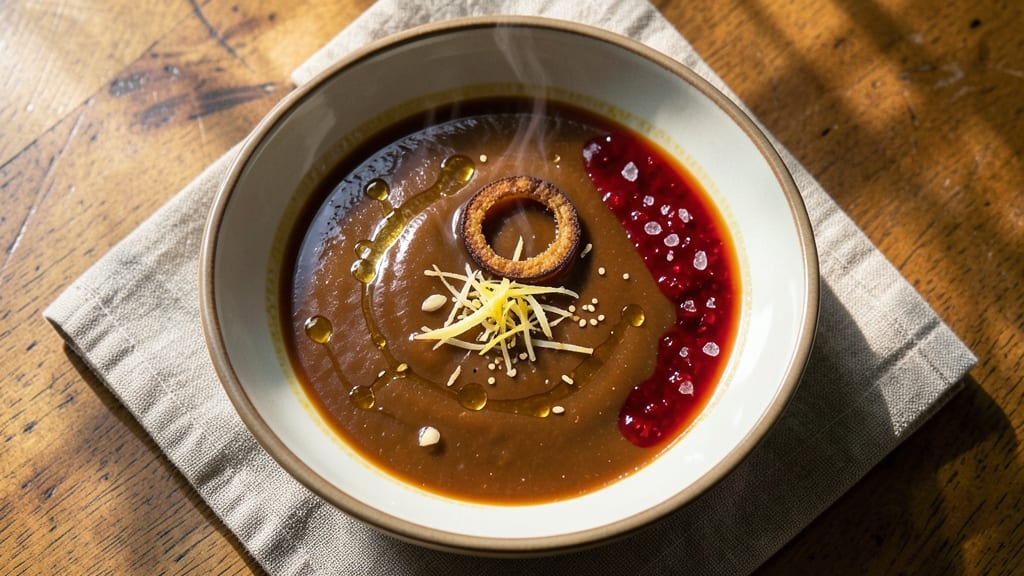
This Asian style sauce recipe transforms simple stir-fries into restaurant-quality meals with just a few pantry staples. The secret lies in balancing sweet, salty, umami, and heat—creating a sauce that's as versatile as it is flavorful.
I developed this after years of testing different ratios, and it never fails to elevate dishes from ordinary to extraordinary.
The foundation starts with soy sauce and rice vinegar for that classic tang, but it's the aromatics—garlic, ginger, and sesame oil—that truly bring the sauce to life. A touch of sugar rounds out the flavors, while optional chili paste or sriracha adds heat.
This sauce works equally well as a stir-fry glaze, dipping sauce for spring rolls, or even a marinade for grilled meats.
What makes this sauce special is its ability to adapt—sweeter for glazing vegetables, spicier for noodles, or richer with a splash of coconut milk. The texture is silky yet clings perfectly to ingredients, ensuring every bite is packed with flavor.
Best of all, it keeps well in the fridge for up to two weeks, so you can make a big batch and enjoy it all week long.
For those who love customization, you can adjust the sweetness, saltiness, or heat to suit your taste. Whether you're cooking for a crowd or meal prepping, this sauce is your new kitchen essential. Let's get started on creating something truly special.
Ingredients for asian style sauce
Eight simple ingredients create a sauce that's restaurant-quality magic for stir-fries and dipping.
| Ingredient | Amount | Notes |
|---|---|---|
| Soy Sauce 🥢 | ½ cup | Use light soy for mild flavor |
| Rice Vinegar 🍶 | ⅓ cup | Unseasoned preferred for balance |
| Sesame Oil 🫒 | 2 tbsp | Toasted for nutty aroma |
| Granulated Sugar 🍚 | ¼ cup | Brown sugar adds depth |
| Garlic Cloves 🧄 | 4 cloves | Minced finely for smooth texture |
| Fresh Ginger 🌿 | 2 tbsp | Grated, not powdered |
| Honey 🍯 | 1 tbsp | Or maple syrup for vegan option |
| Chili Paste 🌶️ | 1 tbsp | Optional for heat (gochujang works) |
| Toasted Sesame Seeds 🌰 | 1 tbsp | For garnish and texture |
| Water 💧 | ¼ cup | Adjust for desired consistency |
The soy sauce and rice vinegar are your flavor anchors here. Kikkoman soy sauce is my go-to for consistency, but any good-quality light soy will work. For vinegar, Mushroom or seasoned rice vinegar adds extra depth if you want to splurge. The sesame oil is where the sauce gets its signature aroma—look for toasted sesame oil at Asian markets or the international aisle. It's pricey but worth it. Fresh ginger and garlic are non-negotiable for that bright, authentic flavor. If you're using dried ginger or garlic powder, halve the amount—it won't have the same punch. The honey or maple syrup rounds everything out beautifully, so don't skip it unless you're making this vegan.
No sesame oil? Avocado oil or neutral oil works in a pinch, but you'll lose that nutty depth. Short on chili paste? Sriracha or a dash of cayenne brings the heat. The sauce should be silky but not watery—if it's too thick, add a splash of water or vinegar. Too thin? Simmer it longer. For extra umami, add a teaspoon of miso paste when you're blending. The toasted sesame seeds are optional but add that perfect crunch when you're ready to serve. If you can't find toasted seeds, lightly toast regular sesame seeds in a dry pan for 2-3 minutes until golden.
This sauce keeps beautifully in the fridge for up to 2 weeks in an airtight container. The flavors actually improve as it sits, so make a big batch. If you're prepping for meal prep, portion it into small containers—it's perfect for drizzling over stir-fries, marinating tofu, or dipping spring rolls. For longer storage, freeze in ice cube trays. Each cube makes a perfect single-serving portion. When reheating, just warm gently on the stove or microwave for 20 seconds. Never boil it, or you'll break the emulsion and lose that silky texture.
Why You'll Love This Recipe
- Pantry Magic: This sauce comes together with stuff you already have—no shopping list, no stress. I’ve made it a dozen times using just what was in my cupboard, and the balance of salty soy, bright vinegar, and that nutty sesame oil hit just right every time.
- Umami Bomb: That first drop of sesame oil into the simmering garlic? Instant flavor explosion. The sugar cuts the sharpness of the vinegar while the garlic adds depth—it’s the kind of sauce where you take a slurp just to taste it straight from the pan.
- Works Anywhere: Drizzle it over stir-fries, toss it with noodles, or use it as a marinade for grilled chicken. Honestly, I’ve even dumped it on popcorn when I’m lazy. It’s the ultimate flavor multiplier, and it never feels out of place.
- Budget Superstar: A few tablespoons of soy sauce and a splash of vinegar cost pennies, yet they transform basic meals. I make big batches—it keeps for weeks—and use it to stretch proteins and veggies without breaking the bank. Frugal? Yes. Delicious? Absolutely.
Step-by-step instructions for Asian style sauce
This sauce delivers bold umami flavor with perfect balance every time—let's build it together.
Prepare Aromatics and Base Ingredients
In a small bowl, finely mince the 4 cloves garlic and grate the 2 tablespoons fresh ginger using a microplane or fine grater. You want these to be as smooth as possible—no visible chunks—so they blend seamlessly into the sauce. Set these aside for now.
In a separate small bowl, whisk together the 0.5 cup soy sauce, 0.33 cup rice vinegar, 0.25 cup granulated sugar, 1 tablespoon honey, and 1 tablespoon chili paste. This base mixture should look smooth and well-combined, with the sugar dissolving completely. If you're using gochujang for the chili paste, you'll notice it adds a deep red color and subtle tanginess that pairs beautifully with the other ingredients.
Simmer the Sauce Base
Pour the base mixture into a small saucepan and place it over medium heat. Add the 0.25 cup water and bring everything to a gentle simmer. Once bubbling, reduce the heat to low and let it cook uncovered for 8-10 minutes, stirring occasionally. You're looking for the sauce to thicken slightly and reduce by about 20%—it should coat the back of a spoon but still flow smoothly.
Here's where the magic happens: the sugar will caramelize just slightly, adding depth of flavor. If you notice the sauce getting too thick before the time is up, add 1 tablespoon water at a time until you reach the right consistency. The sauce should still be pourable but noticeably thicker than when you started.
Incorporate Aromatics and Sesame Oil
Once the base has thickened, remove the pan from heat and let it cool slightly for 1-2 minutes. Then, stir in the minced garlic and grated ginger. The residual heat will help infuse their flavors into the sauce without cooking them too much, which could make them bitter.
Next, add the 2 tablespoons sesame oil and stir gently. The oil will add richness and a nutty aroma that balances the acidity of the rice vinegar. You'll see the sauce take on a beautiful golden hue from the toasted sesame oil. Let the sauce sit for another 2-3 minutes to allow all the flavors to meld together completely.
Adjust and Finish
Taste the sauce and make any final adjustments. If it needs more sweetness, add a touch more honey. If it's too sharp, a splash of water can help balance it. The chili paste should add a subtle heat, but if you want more, add another ½ teaspoon and stir well.
For the final touch, sprinkle in the 1 tablespoon toasted sesame seeds and stir gently. These add texture and a nutty crunch that elevates the sauce from good to extraordinary. The seeds should be evenly distributed throughout, ready to garnish your dishes or stir into the sauce itself. Let the sauce cool completely before serving or storing—this allows the flavors to fully develop and deepen.
Pro Tips For Making Asian Style Sauce
- MINCE THAT GARLIC: I learned this the hard way—chopping garlic cloves into uneven pieces means some burn before others soften. Use a knife to smash the cloves flat first, then slice into paper-thin strips. They’ll cook faster and release flavor evenly without turning bitter.
- WHISK IN STAGES: Start with soy sauce and sugar, then add vinegar last. Stirring everything together at once can make the sugar clump like glue. Warm the sauce slightly first—just until sugar dissolves—so the sesame oil blends smoothly without separating.
- SALT THE GARLIC FIRST: Toss minced garlic in a pinch of soy sauce for 5 minutes before cooking. This stops it from turning bitter when heated and adds depth. Skip this, and your sauce will taste sharp instead of rich.
- USE COLD SESAME OIL: Add sesame oil last, straight from the fridge. Heating it first burns off its delicate aroma—it should smell like toasted nuts, not smoke. Drizzle it in at the very end and toss gently. (Yes, even if you’re impatient like me.)
Serving suggestions for asian style sauce
Stir-Fry Glazes
This sauce transforms into a stir-fry glaze that caramelizes beautifully on vegetables and proteins. Toss bell peppers, broccoli, or snap peas in 1 tablespoon sauce per pound and stir-fry over high heat for 3-4 minutes until glossy.
For meats like chicken or shrimp, marinate for 15 minutes first to tenderize. The sugar in the sauce creates a sticky, caramelized crust that locks in juices. 🔥
Dipping Sauce Magic
Serve this sauce chilled as a dipping sauce for spring rolls, egg rolls, or dumplings. Thin it slightly with 1-2 tablespoons water if needed for easier dipping. Garnish with extra sesame seeds and a sprinkle of crushed red pepper flakes for heat.
I love pairing it with homemade pork spring rolls—the contrast of crispy and silky is unbeatable. ✨
Marinade Potential
Use this sauce as a marinade for tofu, chicken, or beef skewers. Let proteins marinate for 30-60 minutes before grilling or baking. The soy and vinegar tenderize while the sesame oil adds richness.
For extra flavor, add 1 teaspoon cornstarch to thicken it slightly before marinating. Grill at 400°F for 10-12 minutes for perfect char. 💫
Rice Bowl Elevator
Drizzle this sauce over steamed jasmine rice or brown rice bowls to add instant depth. Mix in soft-boiled eggs, shredded chicken, or sautéed mushrooms for a complete meal. The balance of sweet, salty, and umami makes it a restaurant-quality topping.
For extra richness, swirl in a spoonful of peanut butter (just 1 teaspoon per serving) for a Thai-inspired twist. 🥢
Soup Enhancer
Stir 2-3 tablespoons of sauce into pho, ramen, or miso soup in the last 2 minutes of cooking. It adds a bright, tangy umami that cuts through rich broths.
For noodle soups, toss the sauce with cooked noodles before adding to the broth. The sesame oil gives each bite a nutty finish that’s hard to resist. 🍜
Garnish Game-Changer
Use this sauce as a garnish for noodle dishes, rice bowls, or even grilled fish. Drizzle lightly over sushi rolls or sashimi for a sweet-savory contrast. The toasted sesame seeds add texture and visual appeal, making any dish look restaurant-worthy.
I like to swirl it artistically with a spoon for that Instagram-worthy presentation. 🎨
Nutrition facts
Frequently asked questions
Can I make this sauce without sesame oil?
Yes! If you don't have sesame oil, substitute with 2 tablespoons neutral oil like avocado or vegetable oil. For extra flavor, add ½ teaspoon toasted sesame seeds directly to your dish instead. The sauce will still taste delicious—just with slightly less nutty depth.
How do I adjust the heat level?
Start with 1 tablespoon chili paste for mild heat. For medium spice, add 1½ tablespoons. For extra heat, increase to 2 tablespoons or add ½ teaspoon red pepper flakes. Adjust gradually—you can always add more, but you can't remove heat once it's in!
Can I use this sauce for non-Asian dishes?
This versatile sauce works beautifully on burgers, grilled chicken, or even tacos. The balance of sweet, salty, and umami complements many cuisines. Try it as a marinade for steak or drizzled over roasted potatoes for a flavor upgrade.
Why did my sauce separate?
Sauce separation usually happens if you add sesame oil too early or boil it vigorously. To fix it, whisk in 1 teaspoon cornstarch mixed with 1 tablespoon water and simmer for 1-2 minutes. For prevention, always add sesame oil at the end and keep heat at low-medium.
How can I make this sauce vegan?
Swap honey for maple syrup and use vegan soy sauce (check for fish-free labels). For extra umami, add 1 teaspoon miso paste. The sauce will still be rich and flavorful while being completely plant-based.