
Sauces & Condiments
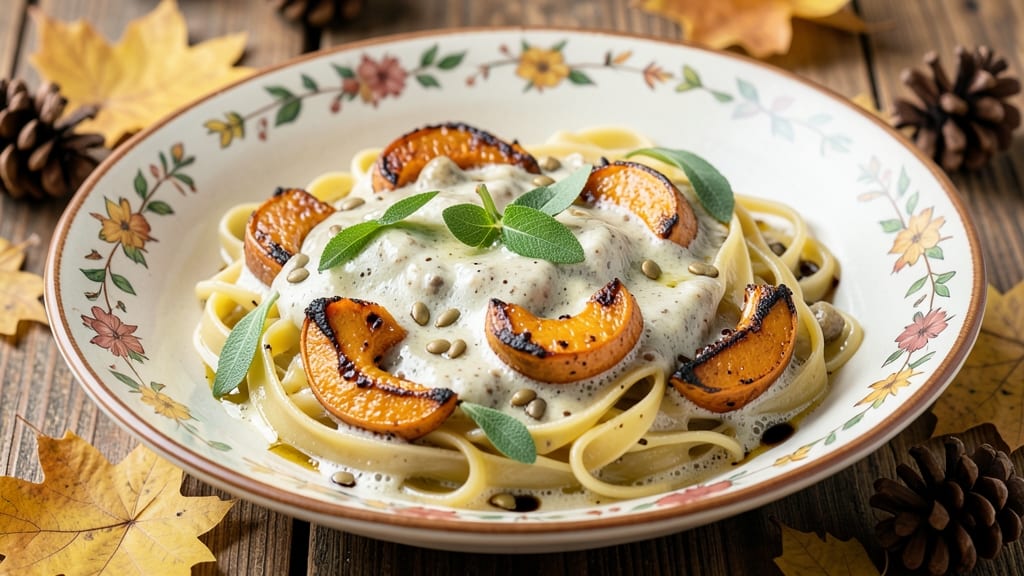
This autumnal harvest pasta sauce transforms humble squash and sage into a velvety, umami-rich sauce that clings to every noodle like a warm embrace. 🍂 The secret lies in roasting butternut squash until caramelized—its natural sweetness deepens into complex, savory notes that form the sauce's foundation.
I developed this recipe during crisp fall evenings when the kitchen smelled of cinnamon and woodsmoke, and it became my go-to for cozy weeknight dinners.
The process is simpler than it sounds: roast the squash until tender, then blend it with garlic, sage, and a splash of vegetable broth until silky smooth. A touch of cream or olive oil adds richness without overpowering the autumnal flavors.
What you'll end up with is a sauce that's equally at home on wide ribbons of pappardelle or hearty farro, its golden hue and aromatic depth making even the simplest pasta dish feel like a restaurant-worthy meal.
What makes this sauce truly special is its versatility—it freezes beautifully for future use and tastes even better the next day as flavors meld. The caramelized squash adds natural sweetness that balances the earthy sage, while the umami from roasted garlic creates layers of complexity.
This isn't just a sauce; it's a flavor experience that transforms ordinary pasta into something extraordinary.
Pair it with crisp white wine or a sprinkle of toasted pecans for added texture, and you've got a dish that captures the essence of autumn in every bite.
The best part? It comes together in under 30 minutes, making it perfect for busy weeknights when you still want to feel like you're celebrating the season.
Ingredients for autumnal harvest pasta sauce
Roasted squash and aromatic sage create this velvety sauce that tastes like autumn in a bowl.
| Ingredient | Amount | Notes |
|---|---|---|
| Butternut Squash 🎃 | 2 lbs | Cubed, skin removed |
| Fresh Sage Leaves 🌿 | ½ cup | Packed, stems removed |
| Garlic Cloves 🧄 | 4 cloves | Peeled, roughly chopped |
| Vegetable Broth 💧 | 2 cups | Low-sodium preferred |
| Extra-Virgin Olive Oil 🫒 | ½ cup | For richness and depth |
| Heavy Cream 🥛 | ¼ cup | Full-fat for best texture |
| Pecans 🌰 | ¼ cup | Toasted, roughly chopped |
| Salt 🧂 | 1 tsp | Kosher or sea salt |
| Black Pepper 🌶️ | ½ tsp | Freshly ground preferred |
| Brown Sugar 🍯 | 1 tbsp | Lightly packed |
The butternut squash is the star here—look for small, firm squash with smooth skin at the grocery store. Trader Joe's and Whole Foods often have pre-cut squash, but I prefer buying whole to roast myself. The deeper the caramelization, the richer the sauce. A quick tip: roast the squash at 400°F for about 30 minutes until tender and golden. The pecans? Toast them in a dry pan for 3-5 minutes until fragrant—they add a delightful crunch and nutty depth that complements the earthy sage.
No fresh sage? Dried sage works at half the amount, but it won’t have the same aromatic punch. Running low on vegetable broth? Water with a bouillon cube gets you close, though the flavor won’t be as layered. If you’re avoiding dairy, swap the heavy cream for cashew cream or coconut milk. The brown sugar adds a subtle sweetness that balances the umami—don’t skip it, but if you’re watching sugar, reduce to 1 teaspoon. For a smoother sauce, strain out the pecans after blending, or leave them in for texture.
This sauce tastes even better the next day as flavors meld—double the batch and freeze half for future use. Store leftovers in the fridge for up to 5 days, covered tightly. To reheat, warm gently on the stove with a splash of water or broth. The sauce thickens as it cools, so thin with a bit of broth if needed. Pairs perfectly with pappardelle or farro, and the extra sauce makes a great sandwich spread—trust me, it’s a game-changer.
Why You'll Love This Recipe
- No Chopping Nightmare: I roast the squash whole—yes, you read that right. Peel it after, slice it, and toss it in. That’s it. No spiralizer, no mandoline, just a knife and a cutting board.
- Sage-Garlic Magic: The moment those crispy sage leaves hit the simmering broth? Instant aroma therapy. Deep, earthy, and just a hint of garlic punch—it’s the kind of sauce that makes you pause mid-bite.
- Weeknight to Dinner Party: Same sauce, different vibes. Toss it with pappardelle for a cozy weeknight, or drizzle it over polenta for guests. The squash’s natural sweetness makes it feel fancy, even when it’s just me and takeout containers.
- Budget-Friendly Luxury: Butternut squash stretches like crazy—this recipe feeds four for under $8. And the leftovers? Better than takeout. I’ve reheated this sauce three days running, and no one’s ever complained. (Okay, fine, I have.)
Step-by-step instructions for roasted squash and sage pasta sauce
Here's how to transform simple ingredients into a rich, autumnal sauce that'll make your pasta shine.
🔥 Step 1: Roast the Butternut Squash and Sage
Preheat your oven to 400°F and line a large baking sheet with parchment paper. Toss the 2 lbs cubed butternut squash with 0.25 cup extra-virgin olive oil, 1 tsp salt, 0.5 tsp black pepper, and 1 tbsp brown sugar until evenly coated. Spread in a single layer on the baking sheet.
Scatter the 0.5 cup packed fresh sage leaves over the squash, pressing them down lightly so they crisp up. Roast for 25-30 minutes until the squash is tender when pierced with a fork and the edges are deep golden brown. The sage should be crispy around the edges—this adds incredible texture and flavor to the sauce. Give it a stir halfway through for even roasting.
🍳 Step 2: Sauté Garlic and Toast Pecans
While the squash roasts, heat 0.25 cup extra-virgin olive oil in a large skillet over medium heat. Add the 4 cloves roughly chopped garlic and cook for 30 seconds until fragrant but not browned—you want to preserve that sweet garlic flavor. Remove the skillet from heat and set aside.
In the same skillet (no need to clean it—the browned bits add flavor), add the 0.25 cup pecans over medium-low heat. Toast them for 3-4 minutes, stirring constantly, until they're golden brown and fragrant. Remove from heat immediately—they'll continue to cook from residual heat. Let them cool slightly, then roughly chop them with a knife for texture in the sauce.
🥘 Step 3: Build the Sauce Base
Return the skillet with garlic oil to medium heat. Add the roasted squash and sage directly from the baking sheet, along with any accumulated juices. Stir to combine, then pour in the 2 cups vegetable broth. Bring to a gentle simmer and let it cook for 5-7 minutes until the liquid reduces by about half and the squash breaks down slightly.
Use an immersion blender to partially blend the sauce until it's chunky but smooth—you want some texture from the squash and sage. If you prefer it completely smooth, transfer to a blender and pulse until desired consistency. Season with additional salt and black pepper if needed. This is where all those roasted flavors come together into something truly special.
⏰ Step 4: Finish with Cream and Pecans
Reduce the heat to low and stir in the 0.25 cup heavy cream. Let it simmer gently for 2-3 minutes just until heated through—don't let it boil or the cream will curdle. The sauce should be velvety and rich, with the cream adding a luxurious finish. Stir in the toasted, chopped pecans and let them warm through for 30 seconds.
Taste and adjust seasoning one final time. The sauce should be balanced between sweet, savory, and umami—the caramelized squash, earthy sage, nutty pecans, and creamy finish should all harmonize. Serve immediately over your favorite pasta, tossing well to coat each strand. The sauce will thicken as it cools, so if it seems too thick right after making, add a splash of pasta water when serving.
Pro Tips For Making Autumnal Harvest Pasta Sauce
- Roast Squash Until Caramelized: Don’t just soften the butternut squash—roast cut-side down at 400°F (200°C) for 25-30 minutes until the edges turn deep golden and almost sticky. That caramelization adds sweetness and depth the sauce desperately needs. I used to stop at "fork-tender," but the flavor is noticeably richer when you push it further.
- Toast Sage Like Garlic: Crush the sage leaves between your fingers before adding them to the oil—it releases more aroma. Then fry them in olive oil for 30 seconds until fragrant and slightly crisp at the edges. Remove them early (they’ll wilt in the sauce) and save a few whole leaves to garnish. Skipping this step means missing half the flavor.
- Simmer Broth Slowly: Reduce the vegetable broth to a thick, syrupy consistency before combining it with the squash—about 15 minutes on low heat. This concentrates the flavor and prevents a watery sauce. I learned this after three batches where the broth just disappeared into the pasta, leaving nothing but sad, diluted sauce.
- Finish with Cold Oil: Stir in a tablespoon of extra-virgin olive oil at the very end—it brightens the sauce and coats the pasta better than anything else. Sounds simple, but I used to add it early and burn it every time. Wait until the sauce is off the heat and the oil is just a slick finish. The difference is immediate.
Creative variations of this dish
Sweet Potato Swap
Swap the butternut squash for 2 lbs cubed sweet potato (peeled) to create a deeper, slightly sweeter sauce with a vibrant orange hue. Roast at 400°F for 20-25 minutes until fork-tender, then proceed with the recipe as written.
The natural sweetness of sweet potatoes enhances the sage and brown sugar, making this a crowd-pleaser for kids and adults alike. 🍠
Mushroom Umami Boost
Add 8 oz cremini mushrooms (sliced) to the roasting tray with the squash for an extra layer of earthy depth. After roasting, blend the mushrooms directly into the sauce for a rich, meaty texture.
I like to add 1 tsp soy sauce at the end for an extra umami kick that pairs perfectly with the creamy finish. 🍄
Pumpkin Spice Twist
Incorporate 1 cup pumpkin puree (not pumpkin pie filling) into the sauce base along with the vegetable broth. Add ½ tsp cinnamon and ¼ tsp nutmeg while simmering to evoke classic pumpkin spice flavors. This variation works beautifully with fettuccine and a sprinkle of toasted pumpkin seeds. 🎃
Nutty Chestnut Addition
Replace pecans with ½ cup cooked chestnuts (peeled and roughly chopped) for a luxurious texture that feels extra autumnal. Toast the chestnuts in the skillet alongside the pecans, then blend them into the sauce for a silky, nutty finish. Chestnuts add a subtle sweetness that complements the sage beautifully. 🌰
Creamy Cauliflower Option
For a lighter version, substitute 1 lb cauliflower florets (roasted alongside the squash) and reduce the heavy cream to 2 tbsp. The cauliflower adds a mild sweetness and helps create a velvety texture without overpowering the dish.
This variation is perfect for those watching their fat intake but still craving richness. 🥬
Spicy Kick Variation
Add ½ tsp smoked paprika and ¼ tsp cayenne pepper to the roasting squash for a subtle smoky heat. Finish the sauce with 1 tbsp hot honey to balance the spice with natural sweetness. This variation is ideal for those who love a little heat with their autumnal flavors. 🌶️
Nutrition facts
Frequently asked questions
Can I make this sauce without fresh sage?
Use ½ teaspoon dried sage instead, but add it to the roasting squash earlier (about 10 minutes) so it rehydrates and releases its full flavor. For extra aroma, crush the dried leaves between your fingers before sprinkling. The texture won't be as crispy, but the earthy taste remains intact.
What's the best pasta shape for this rich sauce?
This velvety sauce clings perfectly to wide, flat noodles like pappardelle or tagliatelle, but also works beautifully with fettuccine or farro. For maximum coverage, choose shapes with ridges or grooves. If using smaller pasta like penne, toss generously with extra sauce to coat every bite.
How do I prevent the sauce from curdling when adding cream?
Always heat the cream separately until warm, then stir it into the sauce over low heat. Never let the sauce boil after adding cream—keep it at a gentle simmer for just 2-3 minutes. If it starts to separate, whisk in 1 teaspoon cornstarch mixed with 1 tablespoon water to stabilize it. The key is patience and low heat!
Can I make this sauce ahead of time?
This sauce tastes even better the next day! Store leftovers in an airtight container in the fridge for up to 5 days. For freezing, portion into ziplock bags with 1-inch headspace—it'll keep for 3 months. Thaw overnight in the fridge before reheating gently on the stove. The flavors meld beautifully overnight!
What if my sauce is too thick after cooking?
Thin with warm vegetable broth or pasta water, 1 tablespoon at a time, until you reach your desired consistency. For a creamier texture without thinning, simmer uncovered for 5 minutes to reduce any excess liquid. The sauce will naturally thicken as it cools, so adjust before serving.