
Sauces & Condiments
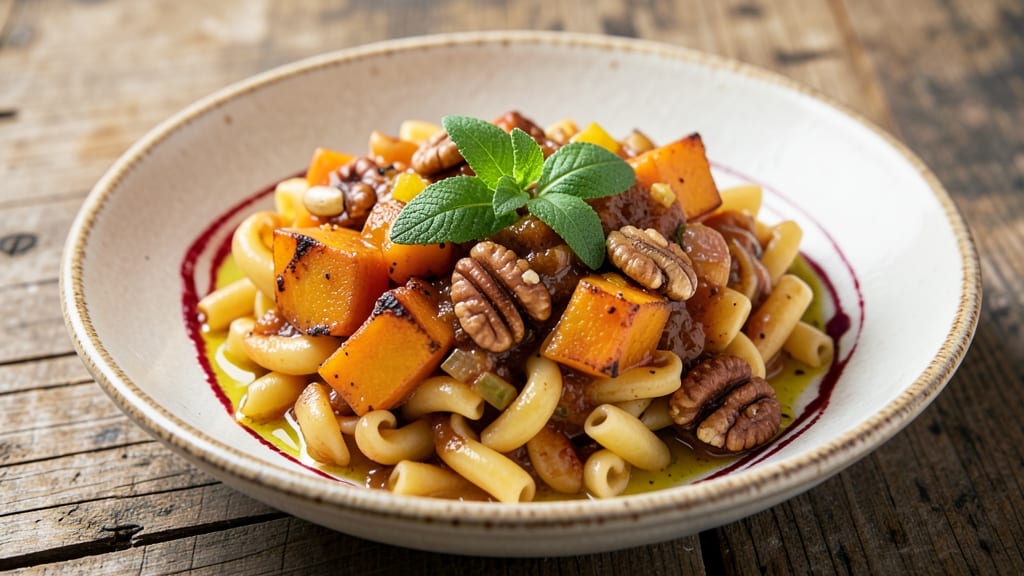
This autumn harvest pasta sauce transforms humble pantry staples into velvety richness that captures fall's essence in every spoonful. The secret lies in roasting butternut squash until caramelized, then blending it with toasted walnuts and fresh sage for a sauce that's both comforting and sophisticated.
Professional chefs know that slow simmering develops depth, while the walnut oil finish adds a luxurious touch that elevates any dish.
The recipe begins with roasting squash and onions until tender and golden, creating natural sweetness that forms the sauce's foundation. Toasted walnuts contribute nutty complexity while fresh sage brings herbal brightness, all balanced by a touch of balsamic vinegar for acidity.
What makes this sauce exceptional is its versatility—it works equally well tossed with pasta, spooned over risotto, or used as a dip for crusty bread.
What you'll achieve is a sauce with perfect texture: thick enough to coat but smooth enough to drizzle, with layers of flavor that develop even more after resting. The walnuts add satisfying crunch, while the sage infuses aromatic warmth that lingers on the palate.
This isn't just another pasta sauce—it's a celebration of autumn's harvest in every velvety bite.
Best of all, the sauce keeps beautifully in the refrigerator for up to 5 days, with flavors deepening over time. Whether you're preparing for a family dinner or meal prepping for the week, this recipe delivers restaurant-quality results that will have everyone asking for seconds.
Let's create this autumn masterpiece together.
Ingredients for autumn harvest pasta sauce
Caramelized squash, toasted walnuts, and aromatic sage create this velvety autumn sauce.
| Ingredient | Amount | Notes |
|---|---|---|
| Butternut Squash 🎃 | 2 cups | Cubed, roasted until caramelized |
| Yellow Onion 🧅 | 1 whole | Diced, caramelized |
| Walnuts 🥜 | ½ cup | Toasted, roughly chopped |
| Fresh Sage Leaves 🌿 | ¼ cup | Stemmed, chopped |
| Garlic Cloves 🧄 | 3 cloves | Peeled, minced |
| Extra-Virgin Olive Oil 🫒 | ½ cup | High quality, fruity |
| Walnut Oil 🫒 | 2 tbsp | For finishing, optional |
| Balsamic Vinegar 🍷 | 1 tbsp | Aged, for acidity |
| Vegetable Broth 💧 | 1 cup | Low-sodium preferred |
| Salt 🧂 | 1 tsp | Diamond Crystal kosher |
| Black Pepper 🌶️ | ½ tsp | Freshly ground |
The butternut squash is the heart of this sauce—look for a firm, heavy squash with no soft spots. Whole Foods or local farmers markets often carry the sweetest varieties. Roasting it until caramelized brings out natural sweetness that forms the sauce's foundation. The walnuts? Toast them first—this deepens their flavor dramatically. I usually grab walnuts from Trader Joe's because they're consistently high-quality and affordable. For the sage, fresh is ideal, but if you're using dried, reduce to one-third the amount.
No walnuts? Pecans or hazelnuts work too, though the flavor will shift slightly. Running short on butternut squash? Delicata squash or sweet potato can step in, but adjust roasting time—sweet potatoes cook faster. The balsamic vinegar adds that perfect tang, but if you're out, red wine vinegar at half the amount gets close. For a richer sauce, add an extra tablespoon of walnut oil at the end. The vegetable broth should be low-sodium—Pacific Foods or Imagine brands are my go-tos for clean flavor.
This sauce thickens as it cools, so start with slightly less broth if you prefer it thicker. Store in an airtight container in the fridge for up to 5 days, with flavors deepening over time. Freezes beautifully for 3 months—portion into ice cube trays for easy single-use servings. The walnut oil should be added fresh before serving to maintain its delicate flavor. Leftovers reheat beautifully—just warm gently on the stove or microwave until steaming.
Why You'll Love This Recipe
- No Roasting Required: I swear by this—just sauté the squash cubes until tender. No oven, no fuss, and the natural sweetness caramelizes right in the pan. (Between us, my roasted squash always burns. This method never does.)
- Walnuts Do the Work: Crunchy walnuts add texture without extra effort. Toast them in the same pan as the onions—five minutes, done. That nutty bite cuts through the sauce’s richness, and honestly? It’s the secret weapon.
- Leftovers That Beg for Seconds: This sauce tastes even better the next day. The flavors meld into something deeper, and it reheats like a dream. I make a double batch on Sundays—one dinner, one lunch, and zero guilt about eating pasta twice.
- Budget-Friendly Luxury: Butternut squash stretches farther than you’d think, and walnuts cost less than fancy add-ins. Fresh sage? A handful lasts weeks. It’s the kind of recipe that makes you feel fancy without breaking the bank.
Step-by-step instructions for autumn harvest pasta sauce
Transform seasonal ingredients into a velvety sauce with deep walnut richness and caramelized sweetness.
Roast the Butternut Squash and Onion
Preheat your oven to 400°F. Toss the 2 cups cubed butternut squash and 1 whole diced yellow onion with 2 tablespoons of the extra-virgin olive oil, ½ teaspoon salt, and ¼ teaspoon black pepper. Spread them evenly on a rimmed baking sheet in a single layer.
Roast for 25-30 minutes until the squash is tender when pierced with a fork and both the squash and onion have developed deep golden-brown caramelization. The onions should be soft with sweet, jammy edges. Remove from the oven and let cool slightly—this prevents the sauce from breaking when blended later.
Toast the Walnuts and Sauté Aromatics
While the squash and onion roast, heat a large skillet over medium heat. Add the ½ cup walnuts and toast them for 3-4 minutes, stirring constantly, until they release their nutty aroma and turn a rich golden color. Remove them from the pan and set aside to cool.
In the same skillet, add 2 tablespoons of the remaining extra-virgin olive oil and reduce heat to medium-low. Add the 3 minced garlic cloves and ¼ cup chopped fresh sage leaves, cooking for 1-2 minutes until the garlic is fragrant but not browned. This step builds the aromatic foundation of the sauce—don't let the garlic burn, or it will turn bitter.
Blend the Roasted Vegetables into a Smooth Base
Transfer the roasted squash and onion to a high-powered blender or food processor. Add the sautéed garlic and sage, then pour in the 1 cup vegetable broth and 1 tablespoon balsamic vinegar. Blend until completely smooth, scraping down the sides as needed. The mixture should be velvety with no visible chunks—this ensures a silky sauce texture.
With the blender running, slowly drizzle in the remaining ¼ cup extra-virgin olive oil to emulsify the sauce. Taste and adjust seasoning with additional salt or black pepper if needed. The sauce should be rich but balanced—sweet from the caramelized vegetables, with a subtle tang from the balsamic.
Finish with Toasted Walnuts and Walnut Oil
Return the blended sauce to the skillet and warm over low heat for 3-4 minutes, stirring occasionally. The sauce should gently simmer but not boil—this prevents the delicate flavors from cooking off. Add the toasted walnuts and stir to distribute them evenly throughout the sauce.
Remove from heat and stir in the 2 tablespoons walnut oil (if using). This final touch adds nutty depth and a luxurious sheen. The sauce should coat the back of a spoon with a velvety consistency. Serve immediately over your choice of pasta, tossing gently to coat each strand evenly.
Pro Tips For Making Autumn Harvest Pasta Sauce
- ROAST THE SQUASH FIRST: I learned this the hard way—raw butternut squash in the sauce turns to mush. Toss peeled, cubed squash with olive oil, salt, and roast at 400°F (200°C) for 20-25 minutes until tender but still holding shape. This concentrates its sweetness and cuts down on cooking time later.
- TOAST THE WALNUTS LOW: Walnuts burn faster than you’d think. Spread them on a dry pan over medium-low heat and stir constantly for 3-4 minutes until fragrant, not browned. Overcooking makes them bitter—trust your nose, not the color.
- SWEEP THE PAN AFTER SAGE: Fresh sage leaves stick to the bottom like glue. After removing them, wipe the pan with a paper towel to scrape up any lingering bits. Those crisped bits add depth to the sauce—don’t let them go to waste.
- SALT THE ONIONS MID-COOK: Onions release moisture early, diluting flavor. After 5 minutes of softening, add a pinch of salt and let them sit uncovered for 2 minutes. This draws out water, so they caramelize properly without turning soggy.
Dietary considerations for these flavors
Gluten-Free Adaptations
This sauce is naturally gluten-free, but always double-check your ingredients for hidden gluten. The vegetable broth should be certified gluten-free—brands like Pacific Foods or Imagine are excellent choices. If you're sensitive, verify that your balsamic vinegar and walnuts (sometimes processed in shared facilities) meet your standards.
The sauce pairs beautifully with gluten-free pasta like Barilla Gluten-Free or Banza chickpea pasta for a hearty, protein-rich meal. 🌾
Dairy-Free Considerations
Since this sauce contains no dairy, it’s perfect for lactose-intolerant diets or vegan lifestyles. The richness comes entirely from the walnuts, olive oil, and caramelized squash, making it a creamy yet plant-based option.
For extra decadence, stir in 1 tablespoon nutritional yeast before serving—it adds a cheesy umami depth without dairy. Just ensure your walnut oil is also dairy-free, as some brands may process it in facilities with dairy products.
Nut-Free Substitutions
If walnuts are a concern, swap them for sunflower seeds or pumpkin seeds for a similar texture and earthy flavor. Toast ½ cup sunflower seeds in the same way, then blend them into the sauce for crunch.
For a richer alternative, use ¼ cup tahini (sesame paste) instead of walnut oil—it adds depth while keeping the sauce nut-free. Always check labels on seeds for cross-contamination warnings if allergies are severe.
Low-Sodium Options
To reduce sodium, skip the added salt entirely and rely on the natural flavors of the ingredients. Use no-salt-added vegetable broth (like Low-Sodium Pacific Foods) and season only with black pepper and a splash of lemon juice (instead of balsamic vinegar) for brightness.
The caramelized squash and toasted walnuts provide enough depth without extra salt. Taste as you go—this sauce is forgiving, and its natural sweetness shines when unmasked by heavy seasoning.
Vegetarian and Vegan Notes
This recipe is already fully vegetarian and vegan, but a few tweaks can enhance its plant-based appeal. Add 1 teaspoon smoked paprika to the roasted squash for a smoky depth, or stir in 1 tablespoon miso paste when blending for umami richness.
For a protein boost, toss the sauce with lentils or chickpeas instead of pasta. The walnut oil finish ensures the dish feels indulgent without relying on animal products. 🌱
Nutrition facts
Frequently asked questions
Can I make this sauce without a blender?
Yes, but the texture will be rustic rather than velvety. After roasting the squash and onion, mash them with a potato masher or fork until smooth. Stir in the sautéed garlic, sage, broth, and olive oil, then simmer the mixture for 10-15 minutes on low heat, stirring constantly. The sauce will thicken naturally, though you may want to add a splash of water if it becomes too stiff.
How can I adjust the sauce for a thicker or thinner consistency?
The sauce thickens as it cools, so start with slightly less broth if you prefer it thicker. For a thicker sauce, simmer uncovered for 5-10 minutes to reduce the liquid. To thin it, stir in 1-2 tablespoons of warm water or broth. If the sauce breaks or separates, whisk in 1 teaspoon cornstarch mixed with 1 tablespoon cold water and simmer until smooth.
What’s the best pasta to pair with this autumn sauce?
This rich, nutty sauce pairs beautifully with hearty pastas like pappardelle, fettuccine, or tagliatelle. For extra texture, try rigatoni or penne to hold the sauce. If you prefer gluten-free options, chickpea pasta or brown rice pasta work wonderfully. The sauce also works as a dip for crusty bread or a topping for roasted vegetables.
Can I make this sauce ahead of time?
This sauce tastes even better the next day. Store it in an airtight container in the refrigerator for up to 5 days. The flavors deepen as it rests, and the texture becomes even silkier. To reheat, warm it gently on the stove over low heat or in the microwave until steaming. Stir in the walnut oil fresh before serving to maintain its delicate flavor.
What if I don’t have walnut oil?
No problem! Skip it or substitute with extra-virgin olive oil or avocado oil for a neutral finish. For extra richness, add a pinch of smoked paprika or a dash of soy sauce to enhance depth. If you want a nutty flavor without walnuts, toast ½ cup pumpkin seeds and blend them into the sauce for a similar earthy taste.