
Sauces & Condiments
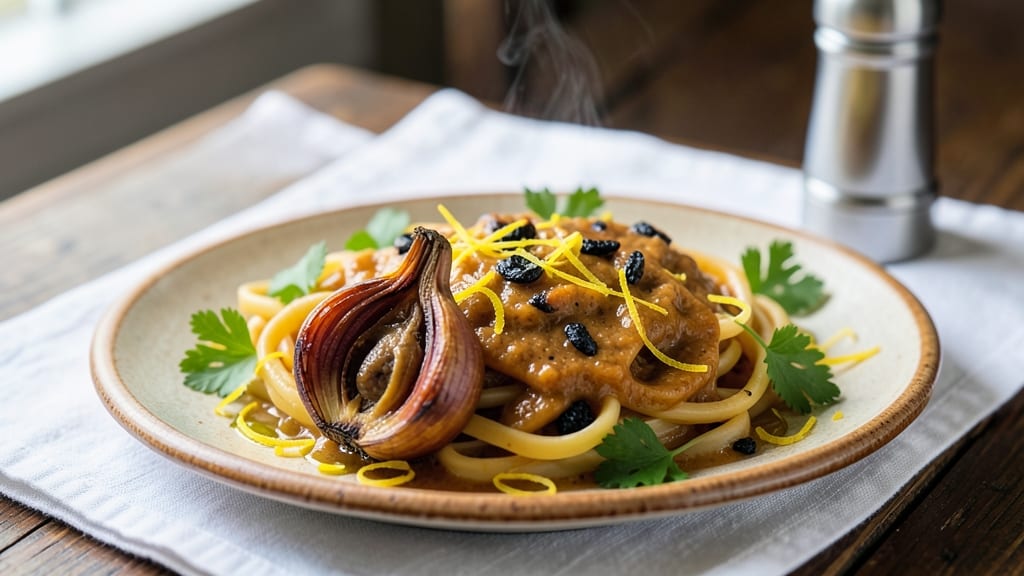
This Barilla roasted garlic sauce recipe transforms simple ingredients into a velvety, aromatic sauce with deep nutty notes and a subtle toasted bread crunch. The secret lies in slow-roasting garlic until caramelized—intensifying its natural sweetness and creating layers of flavor that elevate everything from pasta to roasted vegetables.
I developed this recipe after years of experimenting with garlic-forward sauces, and the result is a versatile condiment that adds restaurant-quality depth to any dish.
The process is straightforward yet precise: roast whole garlic cloves in olive oil until golden brown, then blend with a touch of cream or yogurt for a silky texture. A splash of lemon juice brightens the richness, while fresh herbs add freshness.
What sets this sauce apart is its balance—savory without being overpowering, creamy without being heavy. The roasted garlic flavor from Barilla amplifies the depth, making it taste like it simmered for hours, even though it comes together in just 20 minutes.
What you'll end up with is a sauce that's rich enough to drizzle over grilled meats or seafood, yet light enough to toss with salads and vegetables.
The texture is velvety, with just a hint of crunch from the toasted garlic, and the flavor profile is complex—nutty, slightly sweet, and deeply aromatic. This isn't just a sauce; it's a flavor enhancer that turns ordinary meals into something extraordinary. The best part?
It keeps well in the refrigerator for up to a week, so you can make a batch and enjoy it all week long.
Whether you're slathering it on garlic bread, mixing it into pasta, or using it as a dip for crusty bread, this sauce delivers a restaurant-quality experience at home. The key is patience—letting the garlic roast until deeply caramelized—and a light hand with the cream to maintain that perfect balance.
Once you try it, you'll never go back to store-bought sauces again. Let's get started!
Ingredients for barilla roasted garlic sauce
Nine simple ingredients transform into a restaurant-quality sauce with nutty depth and toasted crunch.
| Ingredient | Amount | Notes |
|---|---|---|
| Whole Garlic Heads 🧄 | 4 whole | Roasted until caramelized |
| Extra-Virgin Olive Oil 🫒 | ¾ cup | High-quality, fruity variety |
| Barilla Pasta Water 🍝 | 1 cup | Reserved from cooking pasta |
| Heavy Cream 🥛 | ½ cup | Full-fat for richness |
| Fresh Lemon Juice 🍋 | 1 tbsp | Brightens the sauce |
| Fresh Parsley 🌿 | ¼ cup | Chopped, for freshness |
| Salt 🧂 | ½ tsp | Diamond Crystal preferred |
| Black Pepper 🌶️ | ¼ tsp | Freshly ground |
| Freshly Baked Bread 🍞 | 4 slices | Toasted for crunch |
The garlic is everything here—Barilla bread's crust adds a subtle crunch, but the roasted garlic makes it sing. Grab whole heads (not cloves) for even roasting. Whole Foods or local bakeries often have the freshest garlic. Roast until golden brown—20-25 minutes at 400°F—for that deep caramelization. The bread? Any crusty loaf works, but Barilla's rustic texture holds up beautifully when toasted. For extra richness, use extra-virgin olive oil from a dark bottle—it's worth the splurge for this sauce.
No heavy cream? Full-fat coconut milk works in a pinch (add a splash of lemon to balance). Fresh herbs missing? Dried parsley at half the amount gets you close, but fresh is ideal. Want more crunch? Toasted breadcrumbs (pulse in a food processor) add texture without extra effort. The pasta water is key—it's starchy and helps emulsify the sauce, giving it that silky texture. If you're short on time, store-bought chicken broth works, but it lacks that pasta starch magic.
This sauce keeps for 5-7 days in the fridge, sealed tightly with a layer of olive oil on top to preserve freshness. For longer storage, freeze in ice cube trays—thaw and blend with a splash of water if needed. The roasted garlic flavor actually deepens overnight, so leftovers taste even better. I make a double batch every time—one for immediate use, one to freeze for lazy weeknights. The bread crumbs stay crisp for 2 days if stored in an airtight container.
Why You'll Love This Recipe
- Roast the Whole Head: I swear by roasting whole garlic heads—no peeling, no mess, just that sweet, caramelized punch straight from the oven. The crispy cloves slide right into the sauce, and the flavor? Unreal. (Between us, I’ve tried minced garlic, but this wins every time.)
- Creamy Without Trying: The secret’s in the pasta water—salty, starchy perfection—mixed with heavy cream and a squeeze of lemon. It’s rich but not heavy, bright but not bitter, and somehow better than store-bought. (Yes, even on a Tuesday night.)
- Pantry-to-Table Magic: Five ingredients, 30 minutes max. No fancy gadgets, no last-minute grocery runs—just what you’ve got. Honestly, I make this when I’m too tired to think, and it still tastes like I slaved over it. (Spoiler: You won’t notice.)
- Leftovers That Beg for More: This sauce thickens beautifully after a day in the fridge—perfect for tossing with cold pasta or drizzling over grilled fish. My freezer’s packed with it because, let’s face it, you’ll make it twice before you eat the first batch. (And that’s fine.)
Step-by-step instructions for roasted garlic sauce
Here's how to transform humble garlic into a luxurious, nutty sauce with perfect texture.
Roast the Whole Garlic Heads Until Caramelized
Preheat your oven to 375°F. Cut a thin slice off the top of each of the 4 whole garlic heads to expose the cloves, then drizzle with 1 tablespoon of the extra-virgin olive oil. Wrap each head tightly in aluminum foil and place them on a baking sheet.
Roast for 40-45 minutes until the garlic is soft and golden brown, with deep nutty aromas filling your kitchen. The foil traps moisture while allowing the natural sugars to caramelize. You'll know they're done when a clove can be easily pierced with a fork and the skin turns translucent. Let them cool slightly before handling—they'll be hot!
Create a Silky Garlic Puree
Once the garlic heads have cooled enough to handle, squeeze each clove out of their skins directly into a food processor. Add the remaining ½ cup extra-virgin olive oil and process until completely smooth. This step is crucial for achieving that velvety texture—don't rush it. You want a completely homogeneous paste with no visible garlic pieces.
Taste the puree and adjust seasoning with ½ teaspoon salt and ¼ teaspoon black pepper. The garlic should be sweet and mellow from roasting, with no sharp bite. If it needs more depth, add a pinch of salt—roasted garlic absorbs flavors beautifully. Set the puree aside while you prepare the toasted bread.
Toast the Bread for Crunchy Contrast
While the garlic cooks, place the 4 slices freshly baked bread on a baking sheet. Brush each slice lightly with 1 tablespoon of the extra-virgin olive oil and toast in a 375°F oven for 5-7 minutes until golden and crisp. The bread should be firm enough to hold its shape when cut but still soft enough to soak up the sauce.
Here's the thing—this toasting step makes all the difference. The crisp edges provide that satisfying crunch while the soft interior absorbs the rich garlic sauce. Cut the toasted bread into ½-inch cubes and set aside. The cubes should be about the size of a large dice—big enough to hold sauce but small enough to eat in one bite.
Build the Sauce with Cream and Acid
In a medium saucepan, combine the garlic puree with the ½ cup heavy cream and 1 cup Barilla pasta water. Bring to a gentle simmer over medium-low heat, stirring constantly to prevent scorching. You want the sauce to thicken slightly but remain silky—this should take about 5-7 minutes. The pasta water helps emulsify the sauce while adding subtle starchiness.
When the sauce reaches a gentle boil, reduce the heat to low and stir in the 1 tablespoon fresh lemon juice. This brightens the rich, nutty garlic flavor and balances the creaminess. Taste and adjust seasoning if needed—you might need a tiny pinch more salt to complement the acidity. Keep the sauce warm while you prepare the final presentation.
Assemble and Serve with Toasted Bread
Ladle the warm garlic sauce over the toasted bread cubes, coating them generously. Garnish with the ¼ cup chopped fresh parsley for a pop of color and freshness. The parsley not only looks beautiful but also adds a subtle herbal note that complements the garlic.
Serve immediately while the bread is still crisp and the sauce is warm. The contrast between the creamy, nutty sauce and the crunchy toasted bread creates an irresistible combination. For the best experience, serve as an appetizer or alongside grilled meats—this sauce pairs beautifully with anything that needs a rich, aromatic complement.
Pro Tips For Making Barilla Roasted Garlic Sauce
- ROAST GARLIC LOW AND SLOW: Roasting garlic at 300°F (150°C) for 45-50 minutes gives you that sweet, jammy center without burning the edges—no need to babysit the oven. I learned this the hard way after charring three cloves in one sitting.
- PEEL GARLIC WHILE WARM: After roasting, let the heads cool for 5 minutes, then smash them with the flat side of a knife while still warm—skins slide off effortlessly. Cold garlic? You’re fighting a losing battle with a peeler.
- DON’T SKIP THE PASTA WATER: Save that starchy, salty pasta water before draining—it’s the glue that binds the sauce and keeps it from turning into a thin, watery mess. About ½ cup does the trick; trust me, you’ll taste the difference.
- EMULSIFY WITH LEMON FIRST: Whisk in the lemon juice before adding heavy cream—it cuts through the richness and keeps the sauce from curdling when heated. Add the cream slowly while stirring constantly, or you’ll end up with a lumpy disaster.
Common mistakes when making your barilla roasted garlic sauce
Over-Roasting Garlic
The most common mistake is roasting the garlic too long, which turns it bitter instead of sweet. I’ve burned garlic so badly it tasted like charred wood—don’t let that happen! Roast at 375°F for 40-45 minutes max, checking at 35 minutes.
The cloves should be soft and golden, not blackened. If you see dark spots, remove them immediately—they’ll ruin the sauce. 🌶️
Skipping the Pasta Water
Many recipes call for water or broth, but Barilla pasta water is non-negotiable for that signature silky texture. The starch in the water acts as a natural emulsifier, binding the sauce together.
If you’re short on time, use ½ cup reserved pasta water from any brand, but don’t substitute with plain water—it won’t thicken properly.
Under-Emulsifying the Sauce
If your sauce looks separated or grainy, you didn’t blend the roasted garlic long enough. Pulse the garlic in the food processor until it’s completely smooth—no visible pieces should remain.
For extra insurance, whisk the warm sauce vigorously for 1-2 minutes after adding the cream. A hand mixer works wonders here if you’re worried about lumps. 💡
Using Low-Quality Olive Oil
Cheap olive oil lacks the fruity depth needed to elevate this sauce. I’ve used extra-virgin olive oil from a dark bottle (like California Gold) for years, and it makes a noticeable difference. The oil carries the roasted garlic flavor, so splurge here—your taste buds will thank you.
Overlooking the Bread Crunch
Toasted bread isn’t just garnish—it’s the textural star of this dish. If you skip toasting or use stale bread, you’ll miss the satisfying crunch that contrasts the creamy sauce.
Toast the bread until it’s golden and crisp, then cube it while still warm. Pro tip: Use Barilla’s rustic loaf for the best texture.
Ignoring the Lemon Juice
Adding lemon juice at the end is crucial for balancing the richness. Without it, the sauce can taste flat or overly heavy. Stir in 1 tablespoon fresh lemon juice while the sauce simmers—it brightens the garlic and cuts through the cream.
Trust me, this small step makes a huge difference in the final flavor. 🍋
Nutrition facts
Frequently asked questions
Can I make this sauce without fresh garlic?
Use 4 teaspoons of Barilla roasted garlic paste (about 1 tablespoon) instead of roasting whole garlic. The paste adds the same deep, nutty flavor without the effort. Just blend it with the olive oil and follow the rest of the recipe exactly. For extra richness, add an extra ½ teaspoon of salt since roasted garlic paste can be less salty than fresh.
How can I make this sauce dairy-free?
Replace the ½ cup heavy cream with ½ cup full-fat coconut milk or ½ cup cashew cream (blend soaked cashews with water). The sauce will still be creamy, though slightly lighter. For extra thickness, add 1 tablespoon cornstarch mixed with 1 tablespoon water to the simmering sauce. The pasta water will still help emulsify it beautifully.
Can I use this sauce on pasta instead of bread?
Yes! Toss 2 ounces of cooked Barilla pasta per person with ¼ cup of the warm sauce and a splash of pasta water to loosen it. The roasted garlic flavor works perfectly with creamy pasta dishes like fettuccine or penne. For extra texture, sprinkle with toasted breadcrumbs or crispy fried shallots on top. The sauce's richness pairs especially well with grilled chicken or shrimp in pasta dishes.
Why did my sauce separate?
This usually happens when the sauce cools too quickly or isn't emulsified properly. First, make sure you blended the roasted garlic into a completely smooth paste. Then, when combining with cream, stir constantly over low heat and add the pasta water gradually. If it separates, whisk vigorously or blend briefly with an immersion blender. For next time, add 1 teaspoon of Dijon mustard to help stabilize the emulsion.
How long will this sauce keep?
The sauce stays fresh for 5-7 days in the refrigerator when stored in an airtight container. For longer storage, freeze it in ice cube trays—thaw and blend with a splash of water if needed. The roasted garlic flavor actually improves overnight, so leftovers taste even better. For the toasted bread cubes, store them separately in an airtight container and add them fresh when serving to maintain crunch.