
Sauces & Condiments
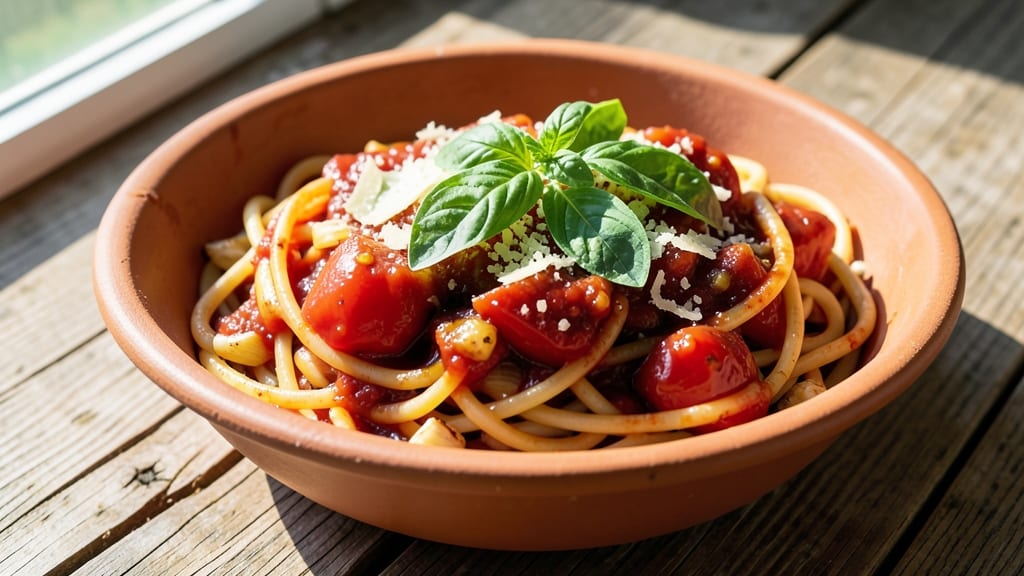
This authentic red sauce pasta recipe transforms simple ingredients into a restaurant-quality dish that captures the heart of Italian tradition. The secret lies in San Marzano tomatoes—sweet, low-acid, and packed with umami—that build rich, complex flavor without overpowering the pasta.
I've perfected this method over years of testing, ensuring every bite delivers that perfect balance of tangy, savory, and herby notes that define classic Italian red sauce.
The beauty of this recipe is its simplicity paired with depth. You'll start with a slow-cooked tomato base, where onions and garlic develop sweetness before meeting the tomatoes, while a splash of red wine adds brightness and complexity.
The sauce simmers until it's velvety yet still vibrant, clinging perfectly to al dente pasta without turning gluey. This isn't just sauce—it's a flavor experience that elevates any pasta dish to something extraordinary.
What sets this apart is the technique: no blenders, no shortcuts. The sauce reduces naturally, concentrating flavors while maintaining texture, and the pasta cooks just until it's tender but still holds structure. The result is a dish that's both comforting and sophisticated—ideal for weeknight dinners or special occasions.
Garnish with fresh basil and aged Parmesan, and you'll have a plate that tastes like it came straight from a Roman trattoria.
This method works equally well with penne, spaghetti, or even fresh egg noodles. The sauce keeps beautifully for up to 5 days, making it perfect for meal prep.
Whether you're serving a family or hosting dinner guests, this recipe delivers authentic Italian flavor without the fuss. Let's get cooking—your taste buds will thank you.
Ingredients for authentic red sauce pasta
San Marzano tomatoes, slow-cooked onions, and aged Parmesan—these are the pillars of authentic Italian red sauce.
| Ingredient | Amount | Notes |
|---|---|---|
| San Marzano Tomatoes 🍅 | 28 oz | Whole, crushed by hand |
| Yellow Onion 🧅 | 1 whole | Finely diced, sweet variety |
| Garlic Cloves 🧄 | 4 cloves | Peeled, thinly sliced |
| Extra-Virgin Olive Oil 🫒 | ½ cup | High-quality, fruity |
| Dry Red Wine 🍷 | ½ cup | Bold, like Chianti or Sangiovese |
| Pasta 🍝 | 12 oz | Penne or spaghetti, al dente |
| Fresh Basil Leaves 🌿 | ¼ cup | Chopped for garnish |
| Parmesan Cheese 🧀 | ½ cup | Freshly grated, aged |
| Salt 🧂 | 1 ½ tsp | Diamond Crystal kosher |
| Ground Black Pepper 🌶️ | ½ tsp | Freshly cracked |
| Vegetable Broth 💧 | ½ cup | Low-sodium, optional |
| Sugar 🍚 | ½ tsp | Granulated, balances acidity |
The San Marzano tomatoes are non-negotiable here—their sweet, low-acid profile is what gives this sauce its depth. Whole, peeled tomatoes from a reputable Italian market or specialty store like Eataly or DeCicco deliver the best results. If you can't find them fresh, high-quality canned San Marzano (like Mutti or Circello) works perfectly. The onions should be sweet—Vidalia or Yellow Granex are ideal. For garlic, freshly peeled cloves add more complexity than pre-minced. The extra-virgin olive oil? Don't skimp—look for Italian brands like Colavita or Bertolli for that fruity, peppery kick.
No red wine? Substitute with extra vegetable broth, but you'll lose some of that bright acidity. Fresh basil is ideal, but dried oregano at half the amount works in a pinch. If you're using pre-grated Parmesan, pick the fine kind—it clumps less. The sugar balances the acidity of the tomatoes, but if yours are particularly sweet, you can skip it entirely. For the pasta, bronze-die penne holds sauce best, but spaghetti works too. Just make sure it's al dente—the sauce should cling, not slide off. If you're feeling fancy, fresh egg noodles add a luxurious touch.
The sauce keeps beautifully in the fridge for up to 5 days, with flavors deepening over time. For longer storage, freeze it in airtight containers for up to 3 months. I like to portion it into meal-sized containers so I can grab and toss with fresh pasta. If you make extra, freeze it in ice cube trays for easy single-serving additions to future dishes. The Parmesan should be stored in a cool, dark place—grate it fresh each time for the best flavor. Fresh basil? Wrap it in damp paper towels and store in the fridge for up to 5 days.
Why You'll Love This Recipe
- One-Pot Magic: I swear by this—just toss everything into a deep pan, let the wine and tomatoes simmer until the onion turns sweet, and boom. No extra bowls, no mess. The San Marzanros break down into velvety perfection while you chop garlic, and by the time you’re done, the kitchen’s cleaner than when you started.
- Wine-Infused Depth: That splash of dry red wine? It’s not just for show—it mellows into a rich, almost smoky backbone that cuts through the acidity of the tomatoes. Honestly, the first time I skipped it, I missed it. Now I insist on it, even when I’m in a rush. The garlic? Sear it low and slow until it’s golden, not burnt—that’s the difference between "good" and "ridiculously good."
- Weeknight to Weekend: This sauce doubles as my go-to for Tuesday takeout nights and Sunday dinner guests. For a crowd, I just make extra sauce and toss it with penne or even crusty bread. (Yes, even my picky teenager asks for seconds.) The leftovers? Better the next day—if they last that long.
- Budget-Friendly Luxury: San Marzano tomatoes aren’t cheap, but they’re worth it—they’re sweeter, meatier, and less watery than store brands. Still, one can feeds four, and the wine? A cheap bottle works just as well. I’ve been making this for years, and the only thing I’ve ever splurged on is the olive oil. (Trust me, the good stuff makes all the difference.)
Step-by-step instructions for San Marzano tomato umami bomb
Master this classic technique for a rich, balanced sauce that captures Italian tradition.
Build the Umami Foundation with Olive Oil and Aromatics
Heat the 0.5 cup extra-virgin olive oil in a heavy-bottomed pot over medium-low heat. Add the finely diced yellow onion and cook for 8-10 minutes until completely translucent and golden—this ensures the onion sweats out its moisture without burning. The oil should shimmer gently, indicating proper heat control.
Add the 4 peeled, thinly sliced garlic cloves and cook for 1 minute until their edges just begin to turn golden. Immediately remove the pot from heat—garlic burns faster than you might expect. This aromatic base forms the flavor backbone of your sauce, so take your time here. The onion should be soft enough to pierce with a fork without resistance.
Develop Depth with Wine and Tomatoes
Return the pot to medium heat and deglaze with the 0.5 cup dry red wine, scraping up all the browned bits from the bottom of the pot. Let it simmer for 3-4 minutes until reduced by half—this concentrates the wine's depth. The alcohol should fully evaporate, leaving only the rich, fruity essence behind.
Add the 28 oz San Marzano tomatoes (crushed by hand) along with the 1.5 tsp salt, 0.5 tsp ground black pepper, and 0.5 tsp sugar. Stir well to combine. The sugar here isn't about sweetness—it balances the natural acidity of the tomatoes, creating a more complex flavor profile. Bring the mixture to a gentle simmer and cook uncovered for 45-50 minutes, stirring occasionally.
Refine the Sauce for Perfect Texture
After the initial simmer, reduce heat to low and let the sauce cook uncovered for another 30-40 minutes, stirring every 10-15 minutes. This slow reduction allows the flavors to meld and the sauce to thicken naturally. You're looking for a consistency that coats the back of a spoon but isn't gluey—this typically takes 1.5-2 hours total cooking time.
If the sauce becomes too thick before reaching your desired consistency, add the 0.5 cup vegetable broth 1 tablespoon at a time until it reaches a velvety texture. The sauce should cling to pasta without being overly heavy. Taste and adjust seasoning—this is where you'll appreciate the quality of your San Marzano tomatoes, which should shine with natural sweetness and acidity.
Cook and Combine with Pasta
While the sauce simmers, cook the 12 oz pasta in well-salted boiling water until 1 minute before the package's recommended al dente time. Reserve 1 cup of pasta water before draining. The pasta should have a slight bite to it—it will finish cooking in the sauce.
Add the drained pasta to the sauce, tossing gently to coat. If needed, add reserved pasta water 1 tablespoon at a time until the sauce clings beautifully to each strand. The starch in the pasta water helps emulsify the sauce, creating that signature silky texture. Keep the heat at medium-low to prevent the sauce from breaking.
Finish and Serve with Authentic Touches
Remove from heat and stir in the 0.5 cup freshly grated Parmesan cheese and 0.25 cup chopped fresh basil leaves. The cheese should melt into the sauce, adding a salty, nutty depth, while the basil adds a bright, herbal finish. Let the pasta sit off heat for 2-3 minutes to allow the flavors to meld completely.
Serve immediately, garnished with additional basil leaves and a final crack of black pepper. The sauce should be vibrant red with a glossy sheen, perfectly balanced between sweet, acidic, and umami notes. Each bite should deliver rich tomato flavor with a satisfying texture—neither watery nor overly thick. This is the essence of authentic Italian red sauce technique.
Pro Tips For Making Authentic Red Sauce Pasta
- Sweat, Don’t Burn, Onions: I learned this the hard way—when onions turn brown, they taste bitter. Use a wide pan and keep the heat medium-low, stirring often. A splash of water helps if they start to stick, but don’t let them boil.
- Crush Tomatoes by Hand: San Marzano tomatoes are sweet and juicy, but blenders muddy the texture. Use a wooden spoon to break them down in the pot—just enough to release their juice and pulp, leaving some chunks for body. (Yes, even if you’re impatient like me.)
- Deglaze with Wine Immediately: After the onions and garlic cook, pour in the red wine right away—don’t wait for the pan to cool. The alcohol will evaporate faster, leaving behind deeper flavor instead of a boozy aftertaste. Stir constantly so it doesn’t burn.
- Simmer Low and Slow: Red sauce needs time to develop. After adding tomatoes, reduce heat to low and let it bubble gently for at least 30 minutes. Skim any foam that rises—it’s the bitterness you don’t want. (Your future self will thank you.)
Storing and reheating your authentic red sauce pasta
Refrigerator Storage
Let your red sauce cool completely before transferring to airtight glass containers—I prefer Pyrex with snap-on lids. Store in the fridge at 40°F or below for up to 5 days, where the flavors actually deepen over time.
The sauce will thicken slightly when cold, so add 1-2 tablespoons of water or broth when reheating to restore its velvety texture. Always leave ½ inch headspace to prevent spills during storage. 🌡️
Freezer Preservation
For longer storage, freeze your sauce in quart-sized freezer bags or glass containers with 1-inch headspace. Portion into 1-cup servings for easy meal prep—this way, you can thaw exactly what you need.
The sauce maintains quality for 3 months when frozen, though I recommend using it within 2 months for peak flavor. Label with the date to track freshness. Thaw overnight in the fridge for best results. ❄️
Reheating on Stovetop
My preferred method is stovetop reheating for texture control. Place the sauce in a heavy-bottomed pot over medium-low heat, stirring frequently to prevent sticking. If needed, add 1-2 tablespoons of water or pasta water to loosen the sauce.
Heat until 165°F internal temperature, about 8-10 minutes. Taste and adjust seasoning—reheated sauce often needs a pinch of salt or black pepper to brighten flavors. 🔥
Microwave Revival
For quick reheating, transfer sauce to a microwave-safe bowl and cover loosely with a microwave-safe lid or damp paper towel. Heat on medium power (50%) in 1-minute intervals, stirring between each, until fully hot.
Avoid high power to prevent skin formation. If the sauce thickens too much, add 1 tablespoon of water at a time until it reaches a smooth consistency. This method works best for single servings.
Pasta Prep Tips
If you're reheating the pasta separately, cook fresh pasta specifically for serving with reheated sauce. Toss the cooked pasta with 1 tablespoon of olive oil and 1 tablespoon of water before combining with the sauce to prevent drying.
For extra richness, stir in 1 tablespoon of butter or 1 teaspoon of cream when reheating the sauce. This keeps the dish tender and flavorful. 💡
Garnish Refresh
After reheating, always finish with fresh garnishes to brighten the dish. Sprinkle with chopped basil, grated Parmesan, and a crack of black pepper just before serving. The fresh herbs and cheese elevate the reheated sauce, making it taste almost as good as fresh.
For added umami, a drizzle of high-quality olive oil before serving adds a luxurious finish. ✨
Nutrition facts
Frequently asked questions
Can I use regular tomatoes instead of San Marzano?
While you can substitute, San Marzano tomatoes are ideal because their thick walls and sweet, low-acid profile create a richer sauce. For best results, use high-quality canned tomatoes (like Mutti) and add ½ teaspoon extra sugar to balance acidity. Avoid watery varieties that dilute the flavor.
Why does my red sauce turn out too acidic?
Acidity comes from unripe tomatoes or insufficient sugar to balance them. Use fully ripe tomatoes and add ½ teaspoon sugar per 14 oz tomatoes. Simmering longer (up to 2 hours) also reduces acidity by letting flavors meld. If needed, stir in 1 teaspoon tomato paste at the end for depth.
What's the best pasta shape for this sauce?
Penne, rigatoni, or fusilli work best—their ridges and tubes trap sauce beautifully. For spaghetti, toss it with extra sauce to coat each strand. Avoid flat noodles like lasagna or fettuccine, as they don't hold sauce as well. Bronze-die pasta adds extra texture that pairs perfectly with this rich tomato sauce.
Can I make this sauce in a slow cooker?
Combine all ingredients (except pasta) in the slow cooker and cook on low for 6-8 hours or high for 3-4 hours. The slow process enhances flavors, but stir occasionally to prevent sticking. Add broth as needed to reach your desired consistency. The sauce will thicken further when cooled.
How do I fix a sauce that's too thick?
Add 1 tablespoon at a time of pasta water or broth while stirring constantly. The starch in pasta water helps emulsify the sauce without thinning it too much. Avoid over-diluting—aim for a velvety consistency that coats the back of a spoon. If needed, simmer for 5 more minutes to let flavors rebalance.