
Sauces & Condiments
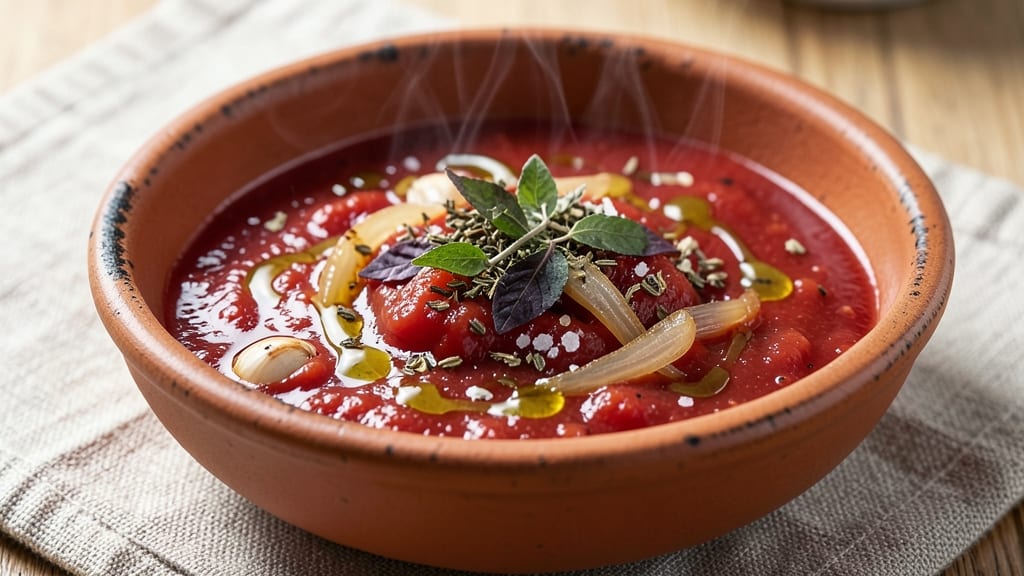
Alton Brown's tomato sauce recipe transforms simple canned tomatoes into a velvety, aromatic sauce with layers of flavor—no fancy ingredients required. The secret lies in toasting garlic until it's golden and nutty, then simmering it with San Marzano tomatoes until the flavors meld into a rich, balanced sauce. This isn't just any tomato sauce; it's a versatile foundation for pasta, pizza, or dipping that tastes like it came from a high-end Italian restaurant.
The process is straightforward but precise: sauté onions and garlic until deeply caramelized, then add crushed tomatoes, herbs, and a touch of vinegar for brightness. A 30-minute simmer reduces the sauce to a concentrated, flavorful liquid with just the right texture—smooth enough for blending or chunky for texture lovers.
The key is patience; letting the sauce work its magic on the stove transforms basic ingredients into something extraordinary.
What makes this sauce special is its adaptability. Use it as a base for marinara, a topping for grilled meats, or a dip for crusty bread. The balance of acidity, sweetness, and umami ensures it pairs perfectly with anything it touches.
Whether you're feeding a crowd or prepping for the week, this sauce delivers restaurant-quality flavor without the fuss.
Ready in under an hour and designed to keep for weeks in the fridge, this tomato sauce is the ultimate pantry staple. The technique is foolproof, and the results are undeniably delicious—proof that great flavor doesn't require complicated steps, just attention to detail.
Ingredients for alton brown tomato sauce
Nine simple ingredients transform canned tomatoes into restaurant-quality sauce with deep, toasted garlic flavor.
| Ingredient | Amount | Notes |
|---|---|---|
| San Marzano Tomatoes 🍅 | 28 oz | Canned, whole or crushed |
| Yellow Onions 🧅 | 1 whole | Medium size, thinly sliced |
| Garlic Cloves 🧄 | 6 cloves | Fresh, peeled, left whole |
| Extra-Virgin Olive Oil 🫒 | ½ cup | High-quality, fruity variety |
| Dried Basil 🌿 | 1 tbsp | Or 0.25 cup fresh basil |
| Dried Oregano 🍃 | 1 tsp | Italian or Mediterranean blend |
| Red Wine Vinegar 🍷 | 1 tbsp | For brightness and acidity |
| Salt 🧂 | 1 ½ tsp | Diamond Crystal kosher salt |
| Black Pepper 🌶️ | ½ tsp | Freshly ground preferred |
| Granulated Sugar 🍚 | 1 tsp | Balances acidity naturally |
The tomatoes are non-negotiable—San Marzano has the perfect balance of sweetness and acidity. Look for whole peeled tomatoes in cans, not crushed, for better control over texture. Whole Foods or Trader Joe's carry them year-round, but Italian markets often have fresher stocks. The onions and garlic need time to caramelize—don't rush this step. The olive oil matters too: California extra-virgin with fruity notes adds complexity that cheap oil won't match.
No San Marzano? Plum tomatoes are the next best thing, but avoid regular canned tomatoes—they're often watered down. Fresh basil is ideal, but dried works at one-third the amount. Want more depth? Add 1 tsp tomato paste for umami. The red wine vinegar can be swapped for white wine vinegar or lemon juice, but red has a subtle fruitiness that pairs perfectly. For a smoother sauce, blend half before serving—immersion blender makes this effortless.
This sauce keeps beautifully—2 weeks in the fridge, 6 months frozen. Portion into ice cube trays for single-use portions perfect for pasta or pizza nights. The flavor actually improves after a day or two as the ingredients meld. For best results, let it cool before storing to prevent skin formation. Double the batch—you'll want leftovers for everything from dipping bread to topping grilled chicken.
Why You'll Love This Recipe
- No-Fuss Simplicity: I swear by this sauce because it’s that easy—just a knife, a pot, and 15 minutes. The San Marzanros handle the chopping for you (their natural sweetness means no peeling or seeding), and the onions caramelize while I sip my coffee.
- Umami Bomb: That first spoonful? Chef’s kiss. The slow cook of onions and garlic in olive oil builds layers of depth, while the dried basil hits like a warm hug. It’s the kind of sauce that makes you pause mid-bite—honestly, I’ve caught myself staring at the jar.
- Weeknight Magic: Slap this on pasta, dollop it over grilled cheese, or use it as a pizza base—it’s my lazy-night hero. Between us, I’ve even thrown it into scrambled eggs when I forgot to meal prep. (Don’t judge.)
- Budget-Friendly Pantry Gold: A single can of San Marzanros and a bulb of garlic stretch for weeks—this sauce freezes like a dream and tastes better the next day. My wallet and future-me high-five every time I make it.
Step-by-step instructions for alton brown's tomato sauce
This method builds flavor layer by layer—starting with toasted garlic and ending with perfectly balanced acidity.
Sweat the Onions Until Translucent
Heat the 0.5 cup Extra-Virgin Olive Oil in a heavy-bottomed saucepan over medium-low heat. Add the 1 whole Yellow Onions, sliced into thin half-moons, and cook undisturbed for 8-10 minutes until soft and translucent at the edges.
Stir occasionally to prevent burning, but resist the urge to rush—this slow cooking releases natural sweetness. You'll know it's ready when the onions turn golden around the edges and lose their raw bite. This foundational step prevents a bitter flavor in your finished sauce.
Toast the Garlic Until Nutty and Golden
Add the 6 cloves Garlic Cloves to the pan and continue cooking over medium-low heat for 3-4 minutes, stirring frequently. The garlic should transform from pale to deep golden brown, releasing its nutty aroma.
Watch closely—garlic burns quickly. When it reaches that perfect toasted stage (you'll smell it before you see it), immediately remove the pan from heat. The residual heat will continue the toasting process for another 30 seconds. This step creates the sauce's signature depth that separates it from standard tomato sauce.
Add Tomatoes and Simmer Until Broken Down
Return the pan to medium heat and pour in the 28 oz San Marzano Tomatoes, crushing them lightly with your hands as you add them. Stir in the 1 tbsp Red Wine Vinegar, 1.5 tsp Salt, and 1 tsp Granulated Sugar.
Bring to a gentle simmer, then reduce heat to low and let cook uncovered for 30-40 minutes, stirring occasionally. You're looking for a thick, velvety consistency where the tomatoes break down completely. The sauce should coat the back of a spoon with a glossy sheen.
Finish with Herbs and Season to Perfection
Stir in the 1 tbsp Dried Basil and 1 tsp Dried Oregano, then season with 0.5 tsp Black Pepper. Taste and adjust seasoning—you may need an additional pinch of salt or sugar to balance the acidity. The sauce should be vibrant, with bright tomato flavor and just a hint of sweetness.
Simmer for another 5 minutes to let the herbs infuse fully. For the best texture, transfer the sauce to a blender or use an immersion blender to achieve a silky smooth finish. If you prefer a rustic texture, simply stir vigorously with a wooden spoon.
Pro Tips For Making Alton Brown Tomato Sauce
- BLISTER THE ONIONS FIRST: I learned this the hard way—skipping the char on the onions makes the sauce taste flat. Sear the sliced yellow onions in olive oil until deep golden and slightly blackened in spots (about 8-10 minutes on medium heat). That caramelized bitterness is what builds flavor. Yes, it’ll look messy, but trust the process.
- CRUSH GARLIC WITH THE BACK OF A KNIFE: Minced garlic burns fast, and that’s a flavor killer. Instead of pre-mincing, peel the cloves, smash them flat with the heel of your knife, then crush them with the blade’s back. This releases more aroma without turning bitter. Do this right before adding to the pot—freshness matters.
- SIMMER LOW AND SLOW: After adding the tomatoes, resist the urge to crank the heat. A gentle simmer (barely bubbling) for 30-40 minutes lets the sauce thicken naturally without scorching. I used to rush it, and the sauce would split or taste raw. Low and steady wins every time.
- SALT THE TOMATOES BEFORE COOKING: Sprinkle a teaspoon of kosher salt directly over the San Marzano tomatoes when you add them to the pot. This draws out excess water, concentrating the flavor as they cook. Skip this, and you’ll end up with a thinner, less vibrant sauce. (Your future self will thank you.)
Troubleshooting great alton brown tomato sauce
Sauce Too Thin?
If your sauce is watery after simmering, you likely didn’t reduce it long enough. Keep the pan on low heat and let it cook uncovered for an extra 10-15 minutes, stirring occasionally. For faster thickening, mash the tomatoes more thoroughly with a wooden spoon to release their juices.
If it’s still too thin, stir in 1 tsp tomato paste or 1 tbsp cornstarch mixed with 2 tbsp water to stabilize the texture. 🌡️
Garlic Burns Too Quickly
Toasted garlic is essential, but it’s easy to overdo it. Keep the heat at medium-low and stir constantly—every 30 seconds—to prevent burning. Remove the pan from heat as soon as the garlic turns golden brown (about 3-4 minutes total).
If it starts to darken too much, immediately add 1 tbsp red wine vinegar to mellow the bitterness. Pro tip: Use a light-colored saucepan so you can see the garlic’s color changes more easily.
Sauce Tastes Bland
Blandness usually means insufficient acidity or seasoning. Boost brightness with an extra ½ tsp red wine vinegar or ½ tsp lemon juice. For depth, add ½ tsp tomato paste and simmer for 5 more minutes.
If it still lacks flavor, try a pinch of smoked paprika or crushed red pepper flakes for complexity. Remember, taste as you go—seasoning builds gradually.
Skin Forms on Top
This happens when the sauce cools too quickly or sits uncovered. Prevent it by keeping the sauce on low heat until ready to serve, or cover with a lid (leave slightly ajar) while simmering.
If skin already forms, stir vigorously or use a fork to break it up. For storage, let the sauce cool completely before refrigerating—this prevents a thick skin from forming on top. 💡
Onions Burn Before Softening
Burnt onions add bitterness to your sauce. To avoid this, cook them over medium-low heat and stir only when necessary. If they darken too quickly, reduce the heat further.
For even cooking, use a heavy-bottomed saucepan (like All-Clad) to distribute heat evenly. Thinly sliced onions cook faster—aim for ⅛-inch slices for consistent softening.
Sauce Separates or Splits
This can happen if the sauce is too acidic or if you add too much vinegar. Stir in 1 tsp sugar or 1 tbsp tomato paste to balance the acidity, then simmer for 5 minutes to reintegrate the flavors.
For a smoother texture, blend the sauce briefly with an immersion blender. If the issue persists, strain the sauce through a fine-mesh sieve to remove any separated bits before serving.
Nutrition facts
Frequently asked questions
Can I substitute San Marzano tomatoes with regular canned tomatoes?
While you can use regular canned tomatoes, the flavor won't be as refined. San Marzano tomatoes have a sweeter, more balanced acidity that's perfect for this recipe. If substituting, choose plum tomatoes (like Muir Glen) and add an extra ½ tsp sugar to compensate for the lower sweetness. For best results, simmer the sauce 5 minutes longer to concentrate the flavor.
How do I make this sauce smoother vs. chunky?
For a silky smooth sauce, blend half or all of the finished sauce using an immersion blender or transfer to a countertop blender. For a rustic, chunky texture, simply stir the sauce vigorously with a wooden spoon after simmering. Alton Brown's method works for both—just adjust the blending time to your preference. Pro tip: Let the sauce cool slightly before blending to prevent splattering.
Can I make this sauce in a slow cooker or Instant Pot?
For a slow cooker, sauté onions and garlic first, then add all ingredients and cook on low for 4-5 hours or high for 2-3 hours. For an Instant Pot, sauté onions and garlic first, then add tomatoes and liquid ingredients, pressure cook for 10 minutes, and finish with herbs. Both methods work, but stove-top simmering gives you more control over the reduction process.
What's the best way to store and reheat this sauce?
Store in an airtight container in the fridge for up to 2 weeks or freeze for 6 months. To reheat, warm gently on the stove over low heat, stirring frequently. For best texture, avoid boiling. If the sauce thickens too much when reheating, add 1-2 tbsp water or broth to reach your desired consistency. The flavor actually improves after a day or two of resting!
Can I add meat or vegetables to this sauce?
This sauce is designed as a versatile base, so you can absolutely customize it! Brown ½ lb Italian sausage or ground beef first, then proceed with the recipe. For vegetables, sauté diced bell peppers or mushrooms with the onions. Just