
Sauces & Condiments
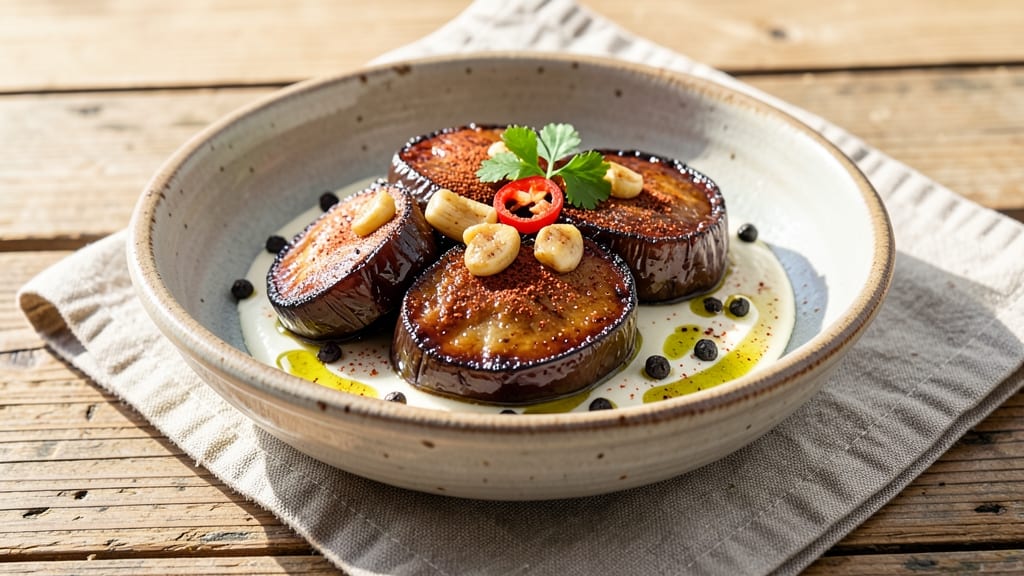
This aubergine sauce recipe transforms humble eggplant into a velvety, smoky condiment that elevates everything from pasta to grilled meats. Roasting the eggplant first unlocks deep, caramelized flavors that blend into a silky sauce with just five simple ingredients.
The key? Slow-cooking until the flesh melts into a rich, almost butter-like consistency—no blender required for the best texture.
What sets this sauce apart is its versatility. Start with a neutral base of roasted eggplant, garlic, and olive oil, then customize it for any cuisine: add tahini for a Middle Eastern twist, coconut milk for a Thai-inspired version, or chili flakes for a Mediterranean kick.
The sauce thickens beautifully when reduced, making it perfect for drizzling or simmering into dishes. It also stores well in the fridge for up to five days, so you can make a batch ahead.
The result is a sauce that’s rich yet light, with a smoky depth that pairs perfectly with grilled proteins, fresh bread, or even as a dip for roasted vegetables.
Unlike creamy sauces that can feel heavy, this one relies on the eggplant’s natural sweetness and the earthy aroma of roasted garlic. The texture is smooth but not greasy—ideal for those who want flavor without the guilt.
For dietary flexibility, simply omit dairy (it’s naturally vegan) or adjust the fat content by using olive oil instead of butter. The sauce also freezes beautifully, so you can prep it months in advance.
Whether you’re serving it as a condiment or folding it into a recipe, this eggplant sauce will become a staple in your kitchen.
Ingredients for aubergine sauce
Five core ingredients plus optional twists for endless flavor variations.
| Ingredient | Amount | Notes |
|---|---|---|
| Eggplant 🍆 | 2 lb | Medium size, roasted whole |
| Extra-Virgin Olive Oil 🫒 | ½ cup | High quality, fruity |
| Garlic Cloves 🧄 | 4 whole | Roasted with eggplant |
| Smoked Paprika 🌶️ | 1 tbsp | For smoky depth |
| Salt 🧂 | 1 ½ tsp | Kosher or sea salt |
| Freshly Ground Black Pepper 🌶️ | ½ tsp | Freshly cracked |
| Tahini 🥜 | 2 tbsp | Optional for Middle Eastern twist |
| Coconut Milk 🥥 | ¼ cup | Optional for Thai-inspired version |
| Red Chili Flakes 🔥 | ½ tsp | Optional for Mediterranean kick |
Eggplant is the star here—pick firm, glossy ones at the grocery store, not the sad, wrinkly ones. Trader Joe's and Whole Foods usually have the best quality. Roasting whole unlocks that caramelized sweetness, so don't peel or cut them first. The garlic? Roast it with the eggplant
No tahini? Olive oil or a dollop of hummus keeps things creamy. Coconut milk too pricey? Heavy cream or cashew cream gives that rich texture. Chili flakes too hot? Sweet paprika or a pinch of cayenne adds heat without overwhelming. Want extra depth? Add a splash of red wine or balsamic vinegar when reducing. The sauce thickens as it cools, so don't over-reduce—it'll get perfect consistency later. This sauce keeps beautifully—5 days in the fridge, 3 months frozen. For freezing, portion into ice cube trays first, then transfer to a bag. Thaw overnight in the fridge or microwave for 20 seconds. The texture stays velvety smooth if you reheat gently. Double the batch—it disappears fast on pasta, grilled meats, or even as a dip for veggies. Leftovers? Toss it into scrambled eggs or use as a marinade.
Why You'll Love This Recipe
- No-Chop Nightmare: I swear, this sauce only needs one knife skill—slicing the eggplant into rounds. No dicing, no mincing, no stress. Just salt those slices, let them sit while you heat the oil, then toss them in like you’re flipping pancakes. (Yes, even on a Tuesday night.)
- Smoky Umami Magic: That smoked paprika? It’s the secret weapon. The eggplant soaks it up, turning into this rich, slightly charred, deeply savory sauce that tastes like a warm hug from a Mediterranean grandma. The garlic? Oh, it’s there—just enough to make your kitchen smell like heaven without stealing the show.
- Pasta’s New BFF: Drizzle it over al dente spaghetti, toss it with grilled chicken, or slather it on crusty bread. It’s the kind of sauce that turns a simple plate into something special without requiring a PhD in cooking. Honestly, I’ve even used it as a marinade for fish—it’s that versatile.
- Budget Meal Hero: Eggplant is cheap, olive oil lasts forever, and a few cloves of garlic stretch across multiple meals. Make a big batch, store it in the fridge, and you’ve got a freezer-friendly, pantry-staple sauce that costs pennies but tastes like you spent hours in the kitchen. (Between us, it’s my lazy-day go-to.)
Step-by-step instructions for smoky roasted eggplant velvety richness
Here's how to transform simple eggplant into a luxurious, velvety sauce that's packed with smoky depth.
Roast the Eggplant Until Charred and Tender
Preheat your oven to 425°F and line a baking sheet with parchment paper. Cut the 2 lb eggplant into 1-inch thick rounds, leaving the skin on for better texture. Arrange them on the baking sheet in a single layer, leaving ½ inch between each piece.
Drizzle the eggplant rounds with ¼ cup of the 0.5 cup extra-virgin olive oil and sprinkle with ½ tsp salt and ¼ tsp black pepper. Roast for 25-30 minutes, flipping halfway, until the edges are deep golden brown and the flesh is fork-tender when pierced. The skin should have some charred spots—this adds incredible depth of flavor. Let the roasted eggplant cool slightly before handling.
Build the Smoky Base with Garlic and Spices
While the eggplant roasts, heat a large skillet over medium heat and add the remaining ¼ cup extra-virgin olive oil. Add the 4 whole garlic cloves (peeled) and cook for 2-3 minutes until they're golden and fragrant, but not browned. Remove the garlic with a slotted spoon and set aside.
To the same skillet, add the 1 tbsp smoked paprika and stir for 30 seconds until it's aromatic and slightly toasted. This step develops the smoky flavor that makes this sauce so special. Be careful not to burn the paprika—it should smell rich and earthy, not bitter.
Blend the Roasted Eggplant into a Silky Texture
Transfer the roasted eggplant to a food processor or high-powered blender. Add the toasted garlic cloves, the remaining 1 tsp salt and ¼ tsp black pepper. Pulse until the mixture is smooth, scraping down the sides as needed. You want a completely velvety texture with no visible chunks—this is what gives the sauce its luxurious mouthfeel.
With the processor running, slowly drizzle in the 2 tbsp tahini and 0.25 cup coconut milk through the feed tube. The tahini adds a nutty richness while the coconut milk creates a beautiful, creamy consistency. If the sauce is too thick, add 1-2 tablespoons of water to reach your desired pouring consistency.
Finish with Optional Heat and Serve Warm
Return the blended sauce to the skillet over low heat and stir in the 0.5 tsp red chili flakes (if using) for a subtle Mediterranean kick. Let it warm through for 2-3 minutes, stirring constantly to prevent the sauce from curdling. Taste and adjust seasoning—you might need a bit more salt depending on your eggplant's natural saltiness.
Serve the sauce immediately over pasta, drizzled with extra olive oil and garnished with fresh herbs like parsley or cilantro. The sauce should coat the back of a spoon with a luxurious, velvety texture while delivering layers of smoky, garlicky flavor. Store any leftovers in the refrigerator for up to 3 days, though it's best enjoyed fresh.
Pro Tips For Making Aubergine Sauce
- Char the Eggplant First: I learned this the hard way—raw eggplant releases bitter water when cooked. Sear thick slices in olive oil over high heat until blackened in spots (about 5 minutes per side), then finish in the sauce. This step cuts bitterness and adds depth without extra effort.
- Salt the Garlic: Toss minced garlic with a pinch of salt before adding it to the pan. The salt draws out moisture, so it sizzles instead of steaming—meaning better flavor and no soggy, raw bits. (Yes, even if you’re impatient like me.)
- Low and Slow for Smoked Paprika: Smoked paprika burns faster than you’d think. Once you add it, drop the heat to medium-low and stir constantly for 30 seconds. This lets the flavor meld without turning bitter—no need for fancy equipment, just patience.
- Deglaze with a Splash: After charring the eggplant, don’t scrape the browned bits—just pour in ¼ cup water or white wine and let it simmer for 2 minutes. This lifts all the caramelized flavor into the sauce, making it richer without extra work. (Your future self will notice.)
Troubleshooting this dish
Sauce Too Thin?
If your sauce ends up watery after blending, don't panic—simmering is your best friend. Return the sauce to a skillet over medium-low heat and let it reduce for 5-10 minutes, stirring occasionally.
For extra thickness, stir in 1 tbsp cornstarch mixed with 2 tbsp water until smooth, then simmer for 2 more minutes. The eggplant's natural starches will help bind it, but this gives you that insurance policy. 💫
Sauce Too Thick?
Thick sauce? No problem—just thin it out with warm water or broth (I prefer vegetable broth for flavor). Start with 1 tablespoon at a time, whisking until smooth. For a richer texture, use warm coconut milk or olive oil instead.
If the sauce separates, whisk in 1 teaspoon of lemon juice to emulsify it back together. The goal is spoonable but pourable consistency.
Eggplant Too Bitter?
Bitter eggplant? This usually happens if the eggplant wasn't roasted enough or was overcooked. Next time, roast at 425°F for exactly 25-30 minutes—no longer! For a quick fix, stir in ½ teaspoon of sugar or 1 teaspoon of honey to balance the bitterness.
Alternatively, add 1 tablespoon of tahini or 1 teaspoon of miso paste to mellow the flavor. Fresh, young eggplants are naturally sweeter, so opt for those when possible.
Sauce Separating?
Separation happens when fats and liquids split, often from rapid temperature changes. To fix it, whisk in 1 tablespoon of warm water or olive oil while stirring constantly. For a more permanent solution, blend the separated sauce again with 1 teaspoon of an emulsifier like mustard or lemon juice.
Heat gently on low heat while stirring to prevent future separation. The key is slow, gentle heat—never boil the sauce.
Lacking Flavor Depth?
Need more complexity? Boost the flavor with 1 teaspoon of balsamic vinegar or 1 tablespoon of red wine while reducing. For umami, stir in 1 teaspoon of soy sauce or 1 tablespoon of tomato paste.
A pinch of ground cumin or fennel seeds adds warmth, while fresh herbs like basil or thyme brighten it up. If your sauce tastes bland, it might need more salt—taste as you go and adjust gradually.
Storage Issues?
If your sauce develops an off smell or texture after storing, it’s likely gone bad. To prevent this, always cool the sauce completely before refrigerating and store it in an airtight container. For freezing, portion into ice cube trays first—this makes thawing and using small amounts easier.
If the sauce separates after freezing, simply blend it again with a splash of water or olive oil. When in doubt, taste before using—if it smells sour or tastes off, discard it.
Nutrition facts
Frequently asked questions about aubergine sauce
Can I make this sauce without roasting the eggplant?
Roasting is key for that deep, caramelized flavor, but you can try sautéing for 10-12 minutes on medium-high heat until soft. The texture will be less rich, though. For best results, stick with roasting—it develops the sauce’s signature smoky sweetness that sautéing can’t match.
How do I adjust this for a vegan diet?
This recipe is already vegan! Skip any optional dairy (like heavy cream) and use coconut milk or cashew cream instead. The tahini and olive oil provide all the richness you need. For extra protein, stir in 1 tbsp nutritional yeast—it adds a cheesy depth without animal products.
What’s the best way to use leftover sauce?
Leftover sauce is incredibly versatile! Drizzle it over grilled chicken, roasted potatoes, or fresh pasta. Use it as a marinade for tofu or fish, or mix it into hummus for a smoky twist. It also makes a fantastic dip for crudités or pita chips. Freeze extras in ice cube trays for easy portioning later.
Why does my sauce taste bitter?
Bitterness usually means the eggplant wasn’t roasted enough or was overcooked. Next time, roast at 425°F for exactly 25-30 minutes—no longer! For a quick fix, stir in ½ tsp honey or 1 tbsp tahini to balance the flavor. Young, fresh eggplants are naturally sweeter, so choose those when possible.
Can I make this sauce ahead of time?
This sauce tastes even better the next day as flavors meld. Store it in an airtight container in the fridge for up to 5 days. For freezing, portion into ice cube trays first, then transfer to a bag. Thaw overnight in the fridge—never microwave directly. The texture stays velvety smooth if reheated gently.