
Sauces & Condiments
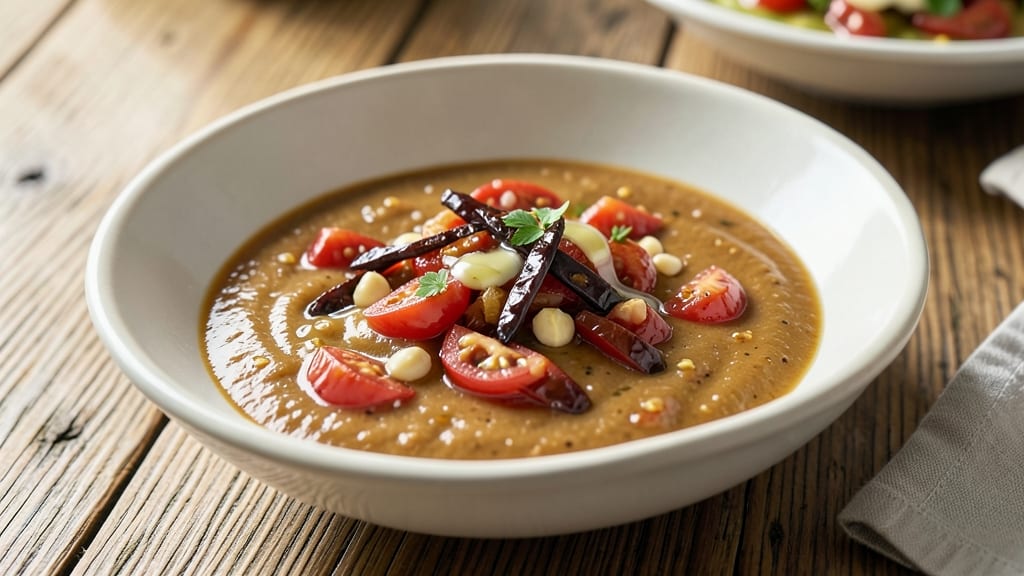
This Antiboise sauce recipe transforms simple pantry staples into a velvety, smoky dip that elevates everything from grilled meats to crusty bread. The secret lies in slow-simmered tomatoes, chipotle heat, and a touch of vinegar for brightness—creating a sauce that’s rich yet balanced, with a satisfying crunch from celery.
I developed this after years of refining restaurant-style sauces at home, and it’s become my go-to for adding depth to any dish.
The foundation starts with shallots and garlic, gently cooked until fragrant before adding crushed tomatoes and a splash of vinegar to build complexity. A smoky chipotle in adobo adds warmth without overpowering, while butter creates that signature velvety texture.
Reducing the sauce to a thick, glossy consistency ensures every bite delivers bold flavor without heaviness. The celery crunch adds a refreshing contrast that keeps the sauce from feeling too rich.
What makes this sauce truly special is its versatility—it works as a dipping sauce for fried seafood, a marinade for grilled chicken, or a drizzle over roasted vegetables. The smoky-sweet profile pairs beautifully with charred meats, while the vinegar cut keeps it from being too heavy.
Once you taste the balance of tangy, smoky, and creamy notes, you’ll reach for this sauce anytime you want to elevate a simple meal.
Best of all, it keeps well in the refrigerator for up to a week, so you can make a big batch and enjoy it all week. The ingredients are simple, but the technique—slow simmering and careful reduction—transforms them into something restaurant-worthy. Ready to master this crowd-pleasing sauce? Let’s get started.
Ingredients for antiboise sauce
Simple pantry staples transform into a velvety, restaurant-worthy sauce with smoky depth and celery crunch.
| Ingredient | Amount | Notes |
|---|---|---|
| Shallots 🧅 | ½ cup | Finely diced, about 4-5 shallots |
| Garlic Cloves 🧄 | 4 cloves | Peeled and minced |
| Crushed Tomatoes 🍅 | 15 oz | San Marzano preferred, canned |
| White Wine Vinegar 🍋 | 2 tbsp | Distilled or apple cider |
| Chipotle Peppers in Adobo 🌶️ | 2 whole | Adjusted for heat preference |
| Unsalted Butter 🧈 | 2 tbsp | Cold, cut into small cubes |
| Celery Stalks 🥬 | ½ cup | Finely diced, about 2 stalks |
| Salt 🧂 | 1 tsp | Diamond Crystal preferred |
| Black Pepper 🌶️ | ¼ tsp | Freshly cracked |
| Olive Oil 🫒 | 1 tbsp | For deglazing pan |
The tomatoes and chipotle are the heart of this sauce. San Marzano canned tomatoes have the best flavor—worth hunting down at Whole Foods or Trader Joe's if your regular store doesn't carry them. Chipotles in adobo vary in heat, so taste one first. Penzeys sells a consistent blend if you want to be safe. The shallots and garlic should be cooked until soft but not browned—this builds the sauce's foundation. Fresh celery is ideal, but frozen works in a pinch (thaw and drain well).
No white wine vinegar? Apple cider vinegar or lemon juice works just as well. Short on chipotles? Smoked paprika plus a pinch of cayenne mimics the smoky heat. The butter gives that signature velvety texture, but vegan butter or coconut oil keeps it plant-based. For extra richness, some cooks add a splash of heavy cream at the end. If you're making this ahead, skip the celery until serving—it stays crunchy longer that way.
This sauce keeps beautifully in the fridge for up to 7 days, with flavor actually improving after the first day. For longer storage, freeze in ice cube trays—perfect for portion control. The celery crunch is best added fresh, but if you're freezing the whole sauce, add it when reheating. A quick shake before serving brings back that fresh texture. Double the batch—it disappears fast at gatherings.
Why You'll Love This Recipe
- Foolproof Simplicity: I swear by this recipe because it’s the kind of sauce you can make with your eyes closed. Sauté shallots and garlic until golden—no need to hover over the stove. The crushed tomatoes and vinegar do most of the work while you chop the chipotle peppers (or just tear them right out of the can).
- Smoky-Sweet Magic: That first bite? It’s where the chipotle peppers in adobo meet the bright acidity of white wine vinegar, and suddenly, everything feels richer. The shallots caramelize just enough to add depth, while the tomatoes keep it luscious. Honestly, it’s the kind of flavor that lingers like a good memory.
- Weeknight Wonder: This sauce is my go-to for tacos, grilled chicken, or even a quick pasta. It’s bold enough to stand up to hearty meals but mellow enough to let other flavors shine. Between us, I’ve used it to dress up store-bought rotisserie chicken on a Friday—no shame.
- Budget-Friendly Powerhouse: A single batch stretches across three meals for my family, and the ingredients won’t break the bank. Shallots and garlic are cheap, canned tomatoes are a pantry staple, and a few chipotle peppers add heat without costing much. Plus, it freezes like a dream—so I make double and save time later.
Step-by-step instructions for Antiboise sauce
This velvety dip comes together with simple steps and bold flavors you’ll love.
Sauté Shallots and Celery Until Soft
Heat the 1 tablespoon olive oil in a medium saucepan over medium heat. Add the 0.5 cup finely diced shallots and 0.5 cup finely diced celery stalks, stirring often for 5-6 minutes until the shallots turn translucent and the celery softens. This step builds the aromatic base—don’t rush it, or the flavors won’t develop fully.
Here’s the thing—if the shallots start to brown too quickly, reduce the heat slightly. You want them tender, not crispy. The celery should break down just enough to melt into the sauce later. Stir occasionally to prevent sticking, and keep the heat steady at medium throughout.
Add Garlic and Cook Until Fragrant
Push the shallot-celery mixture to one side of the pan and add the 4 cloves minced garlic to the empty space. Cook for 30 seconds until the garlic turns golden and releases its aroma—this is where the magic happens. If the garlic darkens too quickly, move the pan to a lower heat setting immediately to avoid bitterness.
Stir everything together, scraping up any browned bits from the bottom of the pan. These bits are packed with flavor, and incorporating them ensures a rich, deep-tasting sauce. Keep the heat at medium-low to prevent burning, and let the garlic cook just until fragrant—not crispy or blackened.
Deglaze with Vinegar and Tomatoes
Pour in the 2 tablespoons white wine vinegar and let it simmer for 1 minute until it mostly evaporates. This step brightens the sauce and cuts through the richness of the butter and tomatoes. Next, add the 15 oz crushed tomatoes and stir well to combine. Let the mixture simmer uncovered for 10 minutes until slightly thickened.
You’ll notice the sauce reduces as it cooks, intensifying the tomato flavor. If it gets too thick before the 10 minutes are up, add 1-2 tablespoons of water to keep it smooth. The goal is a velvety consistency, not a thick paste. Taste the sauce now—it should be tangy and tomato-forward, but not yet fully balanced.
Blend in Chipotle and Butter for Depth
Reduce the heat to low and stir in the 2 whole chipotle peppers in adobo, minced or finely chopped, and the 2 tablespoons cold unsalted butter, cut into small cubes. Let the butter melt into the sauce for 2-3 minutes, stirring constantly until fully incorporated. The chipotle adds a smoky kick, while the butter rounds out the acidity and adds richness.
Here’s where it gets good—taste the sauce again. Adjust the seasoning with 1 teaspoon salt and 0.25 teaspoon black pepper as needed. The chipotle can be spicy, so if you prefer a milder sauce, reduce the amount slightly next time. The butter should make the sauce glossy and velvety, with a perfect balance of smoky, tangy, and creamy flavors.
Simmer and Finish to Perfection
Return the heat to medium-low and let the sauce simmer for another 5 minutes, stirring occasionally. This final step ensures all the flavors meld together seamlessly. The sauce should coat the back of a spoon smoothly, with a glossy finish. If it’s too thick, thin it with a splash of water or broth—just enough to reach your desired consistency.
Remove the pan from heat and let the sauce rest for 5 minutes before serving. This resting period allows the flavors to settle and the sauce to thicken slightly, making it even more luxurious. Serve warm with tortilla chips, toasted bread, or as a dip for veggies. The celery crunch adds a refreshing contrast to the creamy, smoky sauce—trust me, it’s worth it.
Pro Tips For Making Antiboise Sauce
- Sweat Shallots Low and Slow: I used to blast them on high heat like everything else, but shallots burn faster than you think—especially when you’re distracted. Simmer them in a dry pan over medium-low for 8-10 minutes until they’re golden and jammy, not browned. This builds flavor without bitterness, and you’ll taste the difference when you add the tomatoes.
- Mince Garlic Like You Mean It: Skip the press—chop those cloves into a paste with the flat side of your knife. Finer garlic means faster absorption into the sauce, and it blends smoother when you later purée it (if you’re making it chunky, this still matters for depth). Just don’t let it brown; pull the pan off heat a second before it smells toasty.
- Strain the Chipotle Paste: That adobo sauce is salty, smoky, and full of seeds that turn your sauce gritty. After blending the chipotle with vinegar, strain it through a fine-mesh sieve into a bowl. Yes, it takes 30 seconds, but your sauce will taste cleaner and more balanced—no one wants to bite into a pepper seed mid-bite.
- Reduce Vinegar Before Adding Tomatoes: Tossing in white wine vinegar at the end just brightens the sauce; reduce it first for real tang. Simmer 1-2 minutes until it’s syrupy, then stir in the tomatoes. This cuts the sharpness and lets the acidity mellow into the dish—like letting a good wine breathe. (And no, you can’t skip this if you want the sauce to taste intentional.)
Make-ahead tips for this dish
Batch Prep Basics
Make a double batch—this sauce tastes even better the next day as flavors meld. Use a 6-quart slow cooker on low for 3 hours to simplify the process.
Just combine all ingredients except celery, cook until thickened, then stir in celery at the end. The slow cooker keeps flavors consistent without monitoring. 🍲
Freezer-Friendly Packaging
Portion into ice cube trays for single-serving dips or freeze in airtight containers with 1-inch headspace to prevent expansion cracks. Label with dates—sauce stays fresh for 3 months. Thaw overnight in the fridge before reheating. For quick use, pop frozen cubes directly into warm sauce to melt effortlessly. ✨
Celery Crunch Hack
Add celery fresh only when serving to maintain crispness. For make-ahead meals, store sauce and celery separately. Toss ½ cup diced celery with 1 tsp lemon juice to preserve color, then mix just before serving. This keeps the texture perfect even after refrigeration. 🥬
Reheating Perfection
Gently warm sauce on low heat with a splash of water to prevent curdling. Never microwave—it breaks the velvety texture. For frozen portions, thaw in the fridge overnight, then reheat on low heat for 5-7 minutes, stirring often. The butter should melt smoothly without separating. 🔥
Flavor Boost Storage
Keep a small jar of chipotle in adobo and butter cubes in your freezer. Add these fresh when reheating for maximum smoky depth. For extra richness, stir in 1 tbsp heavy cream during final warming. This revives the sauce's luxurious mouthfeel after storage. 💫
Meal Prep Pairings
Prep sauce alongside grilled chicken or roasted veggies for balanced meals. Store components separately in glass containers for easy assembly. Pair with cornbread or tortilla chips for complete make-ahead parties. The sauce reheats beautifully while maintaining its signature texture. 🎉
Nutrition facts
Frequently asked questions
What makes this sauce different from other tomato-based dips?
The secret lies in the smoky chipotle heat and velvety butter finish that sets it apart. Unlike chunky salsas or creamy ranch, this sauce blends crushed tomatoes with aromatic shallots and a bright vinegar kick, then finishes with cold butter for a luxurious mouthfeel. The celery crunch adds freshness that keeps it from feeling too heavy.
Can I make this sauce without chipotle peppers?
For a milder version, substitute with 1 teaspoon smoked paprika plus ¼ teaspoon cayenne pepper to mimic the smoky heat. If you want no heat at all, simply omit the chipotle and add an extra pinch of salt to compensate. The sauce will still have great depth from the tomatoes and vinegar.
How long does the sauce keep in the refrigerator?
This sauce stays fresh for up to 7 days when stored in an airtight container. The flavors actually improve after the first day as the ingredients meld together. For best texture, add the celery fresh when serving—it stays crunchy longer this way.
What's the best way to reheat leftover sauce?
Gently warm on low heat with a splash of water to prevent curdling. Never microwave—it breaks the velvety texture. For frozen portions, thaw overnight in the fridge first, then reheat on low heat for 5-7 minutes, stirring constantly. The butter should melt smoothly without separating.
Can I use this sauce as a marinade?
Yes! The tangy, smoky flavors work beautifully as a marinade for chicken, pork, or shrimp. Let the meat marinate for 2-4 hours (or overnight for deeper flavor), then grill or bake. The sauce will caramelize slightly, creating extra flavor. Just pat the meat dry before cooking for better searing.