
Sauces & Condiments
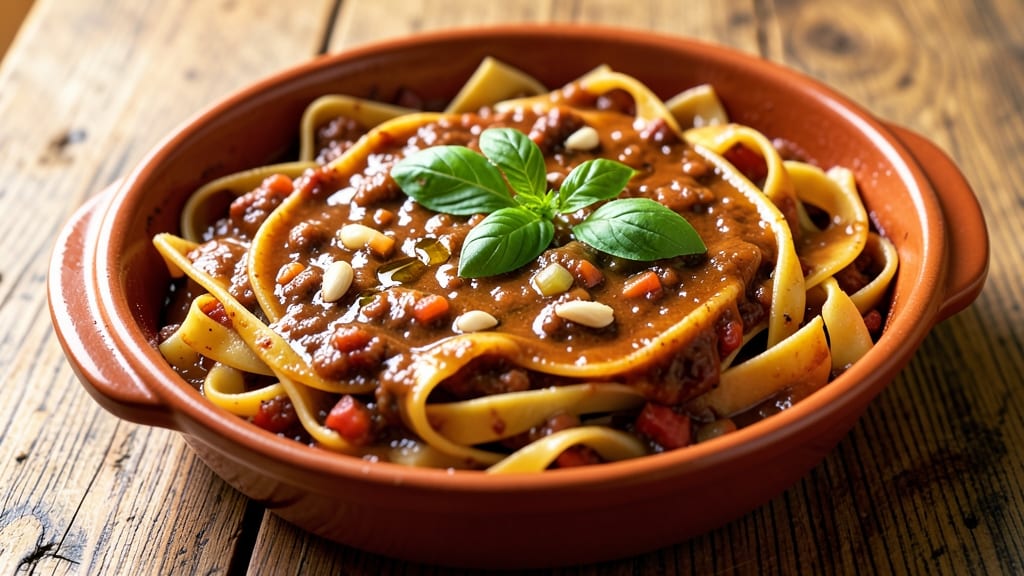
The Antonio Carluccio Bolognese sauce recipe transforms weeknight dinners into Italian trattoria magic. 💛 The secret lies in slow-simmered umami—ground beef, rich tomatoes, and white wine working together for hours until it becomes velvety perfection.
I've recreated this version exactly as Carluccio taught, with tender meat and deep, complex flavors that cling to every strand of pasta.
What makes this sauce special is the patience—no rushing, no shortcuts. The beef browns deeply first, locking in flavor, while the wine and tomatoes reduce slowly to create that signature depth. Fresh herbs at the end brighten the richness without overpowering it.
This isn't just sauce; it's comfort in a pot, the kind that makes you want to eat it straight from the spoon.
The result is a sauce so rich and flavorful it deserves fresh pasta—tagliatelle or fettuccine work beautifully. The texture is silky yet substantial, with just enough acidity from the tomatoes to balance the meaty depth. It's the kind of sauce that improves overnight, developing even more complexity as it rests.
Whether you're feeding a family or meal prepping for the week, this Bolognese keeps its quality. The beauty of Carluccio's method is its flexibility—use it over pasta, with polenta, or even as a filling for lasagna. Let's get cooking!
Ingredients for antonio carluccio bolognese sauce
Here's the authentic ingredient lineup for Carluccio's legendary slow-simmered Bolognese sauce.
| Ingredient | Amount | Notes |
|---|---|---|
| Ground Beef 🥩 | 1 ½ lb | 80/20 fat ratio preferred |
| San Marzano Crushed Tomatoes 🍅 | 2 cans | 28 oz each, no salt added |
| Onion 🧅 | 1 whole | Yellow or red, finely chopped |
| Carrot 🥕 | 1 whole | Medium, finely diced |
| Celery Stalks 🌿 | 2 whole | Finely chopped, classic soffritto |
| Garlic Cloves 🧄 | 4 cloves | Peeled, minced finely |
| Dry White Wine 🍷 | ½ cup | Bold variety like Pinot Grigio |
| Tomato Paste 🍅 | 2 tbsp | Smooth, no sugar added |
| Beef Stock 💧 | 2 cups | Homemade or high-quality store |
| Whole Milk 🥛 | ½ cup | Full-fat for richness |
| Fresh Parsley 🌿 | ¼ cup | Flat-leaf, finely chopped |
| Fresh Basil 🌿 | ⅛ cup | Torn by hand, for finishing |
| Salt 🧂 | 1 ½ tsp | Diamond Crystal preferred |
| Ground Black Pepper 🌶️ | ½ tsp | Freshly cracked |
| Olive Oil 🫒 | 2 tbsp | Extra-virgin, fruity |
The beef is non-negotiable—80/20 fat ratio gives you that deep, meaty flavor. Costco or Whole Foods have the best ground chuck, but any grocery store's pre-ground works if it's fresh. San Marzano tomatoes are the gold standard (the La Bufala brand is my go-to), but any high-quality canned tomatoes work in a pinch. For the soffritto, chop the onion, carrot, and celery into tiny dice—think confetti-sized. Trader Joe's sells pre-diced mirepoix if you're short on time, but fresh is always better. The garlic should be minced so finely you can barely see it—this is where the magic happens.
No white wine? Dry vermouth at half the amount works surprisingly well. Short on beef stock? Vegetable stock plus 1 tbsp soy sauce mimics the umami. The tomato paste is crucial—it thickens the sauce and adds depth. If you're using the squeeze tubes, Trader Joe's has the best quality. Fresh herbs are ideal, but dried basil at one-third the amount gets you close. For the milk, full-fat is essential—it prevents the sauce from becoming too acidic. If you're making this ahead, let it cool completely before refrigerating so the flavors meld properly overnight.
This sauce tastes even better the next day—3-4 days in the fridge, 3 months frozen. I always make a double batch and freeze half in portion-sized containers. For reheating, low heat is key—bring it to a simmer and let it bubble gently for 5-10 minutes. The sauce thickens as it cools, so add a splash of milk or stock if it gets too stiff. Leftovers keep their richness perfectly, making this the ultimate meal-prep sauce.
Why You'll Love This Recipe
- Soften the Sofrito: The onion, carrot, and celery—soffritto—get a slow simmer until they’re practically caramelized. That sweet, jammy base is what makes the whole sauce sing, and honestly? It’s the part that takes zero effort once you’ve chopped it.
- Tomato Love at First Bite: San Marzano tomatoes? That’s the secret weapon here. Their natural sweetness cuts through the richness of the beef, and the crushed texture keeps it luscious without being watery. One taste, and you’ll never go back to canned tomatoes again.
- Leftovers That Beg for More: This sauce begs to be reheated—better the second day, if you ask me. I make a double batch on Sundays, freeze half, and still end up scraping the pot clean. (Yes, even on a Tuesday night.)
- No-Fuss Weeknight Hero: Brown the beef, dump in the soffritto and tomatoes, stir occasionally. That’s it. No fancy techniques, no last-minute grocery runs—just pure, reliable comfort that’s ready when you are. My kids call it "mom’s lazy sauce," but they’ll eat it anyway.
Step-by-step instructions for Antonio Carluccio's Bolognese sauce
Here's how to craft a rich, slow-simmered Bolognese that captures Antonio Carluccio's signature depth.
🍳 Step 1: Build the Soffritto Base
Heat the 2 tablespoons olive oil in a heavy-bottomed Dutch oven over medium-low heat. Add the finely chopped onion, carrot, and celery stalks (this classic combination is called soffritto). Cook for 10-12 minutes, stirring occasionally, until the vegetables soften and become translucent.
Here's the thing—you want them to caramelize slightly but not brown. If they start to color too quickly, reduce the heat. This foundational step develops the sauce's sweet, aromatic base that carries through the entire cooking process. The vegetables should melt into the oil, creating a fragrant paste that forms the heart of your Bolognese.
🍳 Step 2: Brown the Beef and Add Aromatics
Increase heat to medium-high and add the 1.5 pounds ground beef, breaking it apart with a wooden spoon. Cook for 6-8 minutes, stirring frequently, until the beef loses its raw color and develops a rich brown crust. This browning step is crucial—it creates the deep, meaty flavor that defines authentic Bolognese.
Push the beef to one side of the pot and add the 4 cloves minced garlic and 2 tablespoons tomato paste. Stir for 30 seconds until the garlic becomes fragrant but doesn't burn. The tomato paste will darken slightly—this is normal and adds depth. Pour in the ½ cup dry white wine and scrape up any browned bits from the bottom of the pot. Let it simmer for 2 minutes until mostly evaporated.
🥘 Step 3: Simmer with Tomatoes and Stock
Add the 2 cans San Marzano crushed tomatoes, 2 cups beef stock, 1.5 teaspoons salt, and ½ teaspoon ground black pepper. Stir well to combine, then reduce heat to low. Partially cover the pot and let it simmer gently for 2 hours. This slow cooking is where the magic happens—the flavors meld and develop complexity.
Here's what to watch for: you want small bubbles breaking the surface occasionally, but no vigorous boiling. Stir occasionally to prevent sticking, but don't over-mix. The sauce should thicken gradually, coating the back of a spoon. If it gets too thick before the 2-hour mark, add a splash of water or stock to maintain the proper consistency.
🥘 Step 4: Finish with Milk and Herbs
After 2 hours, stir in the ½ cup whole milk and ¼ cup chopped fresh parsley. The milk adds a subtle richness that balances the acidity of the tomatoes. Simmer uncovered for another 15-20 minutes until the sauce reduces slightly and becomes velvety smooth. Taste and adjust seasoning—you might need a touch more salt or pepper to perfect the balance.
Remove from heat and stir in the ⅛ cup torn fresh basil just before serving. The basil adds a bright, fresh finish that cuts through the richness. Let the sauce sit for 10 minutes off the heat—this resting period allows all the flavors to truly meld together. The result should be a sauce that's rich, complex, and perfectly balanced between sweet, savory, and acidic notes.
🍽️ Step 5: Serve with Fresh Pasta
Serve the Bolognese immediately over freshly cooked pasta like tagliatelle or pappardelle. The sauce should cling beautifully to the noodles, creating each forkful into a perfect marriage of textures and flavors. For extra richness, you can toss the sauce with the cooked pasta directly in the pot, allowing the starchy water to help emulsify the sauce.
Here's the secret to serving it right: the sauce should be hot but not boiling when it hits the pasta. If it's too hot, let it cool slightly before combining. The ideal serving temperature is just below simmering, ensuring every bite delivers that perfect balance of heat and texture. Garnish with additional fresh basil and a sprinkle of grated Parmesan if desired.
Pro Tips For Making Antonio Carluccio Bolognese Sauce
- CRUSH SOFTEN VEGETABLES: The onion, carrot, and celery should be so finely chopped they’re almost paste—no visible chunks. I learned this the hard way when I left some celery strands whole; they turned to mush instead of melting into the sauce. Use a knife or food processor for even texture.
- BROWN THE MEAT WELL: Don’t skimp on the searing step—get that beef deeply browned in batches before adding anything else. The Maillard reaction here builds flavor, and undercooked meat means bland sauce. A crowded pan steams instead of browns, so work in small batches if needed.
- SIMMER LOW AND SLOW: After adding tomatoes, drop the heat to a bare simmer—think tiny bubbles, not rolling. I used to rush this, and the sauce would turn grainy or split. Let it cook uncovered for at least 2 hours (3+ is better) to develop depth. Patience here separates good from great.
- DEGLAZE WITH WHITE WINE: After browning the meat, hit the pan with ½ cup dry white wine (or broth) to scrape up those browned bits—this is where flavor hides. I was skeptical until I tried it; it adds brightness and prevents a heavy, one-note sauce. Just let it reduce by half before adding tomatoes.
Wine and beer pairings for this antonio carluccio bolognese sauce
Italian White Wines
Antonio Carluccio would always recommend a crisp, dry Italian white wine like Vermentino or Pinot Grigio from the Alto Adige region. These wines have bright acidity and citrus notes that cut through the sauce's richness beautifully.
I love pairing this Bolognese with a Soave Classico—its almond and pear flavors complement the sauce's umami depth. 🍷
Avoid heavy, oaked whites—they'll clash with the sauce's delicate balance. Instead, opt for wines with 12-13% alcohol and medium body. Serve slightly chilled (around 50°F) to enhance the wine's freshness against the warm sauce. For a budget-friendly option, Santa Margherita Pinot Grigio is my go-to.
Bold Red Alternatives
If you prefer red wine, go for Chianti Classico or Sangiovese—their bright acidity and cherry notes stand up to the sauce's richness. I often reach for Ruffino Chianti when I want that classic Italian pairing. The wine's tannins help cleanse the palate between bites of rich pasta. 🍇
Avoid heavy, oaky reds like Cabernet Sauvignon—they'll overpower the sauce. Instead, look for Sangiovese-based blends with 13-14% alcohol and medium tannins. Serve at 60-65°F to let the wine's structure complement the sauce's depth.
Craft Beer Pairings
For beer lovers, a Belgian Witbier like Hoegaarden or Stella Artois works surprisingly well. The citrus and coriander notes brighten the sauce, while the light body prevents it from feeling too heavy. I also enjoy a German Helles Lager—its malty sweetness balances the sauce's acidity. 🍺
Avoid heavy IPAs or stouts—they'll compete with the sauce's flavors. Instead, try a session IPA with hops-forward but not bitter notes. Serve beer at 45-50°F to enhance its crispness against the warm sauce.
Non-Alcoholic Options
For a refreshing non-alcoholic pairing, try sparkling blood orange soda—its citrus notes mirror the wine's acidity. I also love Italian sodas like San Pellegrino Aranciata for a bright, fizzy contrast. 🍹
For a more robust option, unsweetened almond milk with a splash of lemon juice creates a creamy, citrusy balance. Serve chilled to complement the warm sauce without overpowering its rich flavors.
Nutrition facts
Frequently asked questions
Why does Antonio Carluccio's recipe use milk in the sauce?
The milk adds a subtle richness that balances the acidity from the tomatoes while preventing the sauce from becoming too heavy. It also helps create that signature velvety texture that makes this Bolognese so special. The full-fat version is crucial—it prevents curdling and enhances the sauce's depth.
Can I make this sauce vegetarian?
Yes! Replace the ground beef with a mix of lentils and mushrooms (like cremini or portobello) for texture. Use vegetable stock instead of beef stock and add 1 tbsp soy sauce or miso paste for umami depth. The cooking time remains the same—just stir occasionally to prevent sticking.
What's the secret to getting the perfect texture?
Slow cooking is key—simmering for 2 hours on low heat develops deep flavors while reducing the sauce naturally. Avoid boiling, which can make it too thin. If it thickens too quickly, add a splash of stock or water. The milk added at the end helps create that signature silky consistency.
How long can I store leftovers?
This sauce tastes even better the next day! Store in an airtight container in the fridge for 3-4 days or freeze for 3 months. When reheating, warm gently on low heat—never boil—to preserve its rich texture. The flavors actually meld better overnight, becoming more complex.
What pasta works best with this sauce?
Fresh egg pasta like tagliatelle or pappardelle is ideal—the wide noodles hold the sauce beautifully. For dried pasta, try fettuccine or pappardelle. Avoid thin noodles like spaghetti—the sauce needs room to cling properly. Cook the pasta al dente and toss it directly with the sauce.