
Sauces & Condiments
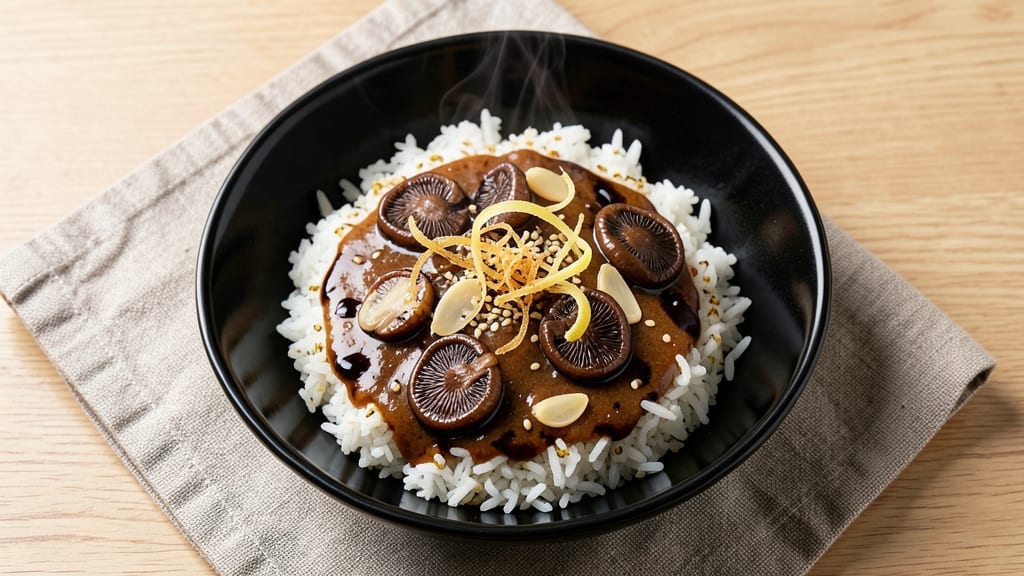
This Asian mushroom sauce recipe transforms simple ingredients into a deeply umami-rich base that elevates any stir-fry or noodle dish in just 15 minutes. The secret lies in dried shiitake mushrooms, which infuse the sauce with an earthy, savory depth that’s impossible to replicate with fresh mushrooms alone.
I developed this recipe after years of testing—it’s the one sauce that turns ordinary meals into restaurant-quality experiences without requiring fancy techniques.
The foundation of this sauce is a balance of soy sauce, garlic, ginger, and sesame oil, simmered with rehydrated mushrooms until the flavors meld into a velvety, aromatic liquid. A touch of brown sugar adds subtle sweetness, while a splash of rice vinegar brightens the profile.
The result is a sauce that’s versatile enough for stir-fries, marinades, or drizzling over rice—yet rich enough to stand alone as a dipping sauce.
What makes this sauce truly special is its long-lasting flavor—it only gets better as it sits, developing deeper complexity over time. Store it in the fridge for up to 5 days or freeze for 3 months, making it the perfect make-ahead condiment for busy weeks.
Whether you’re tossing it with noodles, glazing proteins, or using it as a quick marinade, this sauce delivers professional-level umami without the effort.
Pair it with grilled chicken, tofu, or fresh vegetables for a meal that’s bold, balanced, and impossible to resist. The sauce’s flexibility means it works in everything from quick weeknight dinners to elaborate feasts—proof that simplicity can be just as powerful as complexity. Let’s get started!
Ingredients for asian mushroom sauce
Ten ingredients, umami depth, and professional-level flavor in just 15 minutes.
| Ingredient | Amount | Notes |
|---|---|---|
| Dried Shiitake Mushrooms 🍄 | ¼ oz | High-quality, stem removed |
| Light Soy Sauce 🍶 | ½ cup | Kikkoman preferred for balance |
| Dark Soy Sauce 🍶 | 1 tbsp | For depth and color |
| Garlic Cloves 🧄 | 4 cloves | Freshly minced for potency |
| Fresh Ginger 🌿 | 1 tbsp | Finely grated, organic preferred |
| Sesame Oil 🫒 | 1 tbsp | Toasted, not flavored |
| Brown Sugar 🍯 | 1 tbsp | Light or dark, packed |
| Rice Vinegar 🍶 | 1 tbsp | Seasoned variety for brightness |
| Water 💧 | ½ cup | Filtered preferred for clarity |
| Cornstarch 🌾 | ½ tsp | For thickening consistency |
The dried shiitake mushrooms are non-negotiable here—Asian markets or specialty stores carry the best quality, often in bulk bins. Look for mushrooms with a deep, earthy aroma and minimal stems. Costco or Trader Joe's also stock reliable brands like Maitake or Wild Garden. If you can't find shiitake, dried porcini mushrooms work as a second choice, though the flavor profile shifts slightly. The soy sauces should be light and dark varieties—Kikkoman for light and Lee Kum Kee for dark are industry standards. Fresh ginger and garlic should be organic when possible to avoid bitterness from pesticides. Toast the sesame oil gently in a dry pan before using to deepen its nutty aroma—never use flavored sesame oil as it overpowers the delicate balance.
No dried shiitake? Fresh shiitake mushrooms can be used, but they lack the concentrated umami—simmer them first to extract flavor. Substitute 1/4 cup finely chopped fresh shiitake for the dried version, but expect a milder result. Running short on sesame oil? Toasted peanut oil adds a similar richness, though the flavor profile differs. The cornstarch can be swapped for arrowroot powder if you prefer a slightly clearer sauce. For a sweeter touch, maple syrup replaces brown sugar at a 1:1 ratio, though it alters the caramelized depth. If you're using gluten-free soy sauce, reduce the water slightly to maintain consistency—gluten-free versions tend to be thinner. The rice vinegar is crucial for brightness; apple cider vinegar works in a pinch but lacks the delicate sweetness.
This sauce thickens as it cools, so stir well before using. Store in an airtight glass jar in the fridge for up to 5 days—the flavors deepen over time, making it taste even better the next day. For longer storage, freeze in ice cube trays for single-serving portions, which last 3 months. When reheating, low heat is key—high heat can break down the delicate mushroom flavors. The sauce pairs exceptionally well with grilled proteins or steamed vegetables, but its versatility extends to marinades or dipping sauces. Double the batch if you plan to use it frequently—it disappears faster than you think.
Why You'll Love This Recipe
- Pantry Powerhouse: I swear by this sauce because it’s made with dried shiitake—no fresh mushrooms needed. Just soak, slice, and simmer. The umami punch from those little dried beauties is chef’s kiss, and I’m always stocked with them for days like this.
- Umami Magic: That combo of light and dark soy sauce? Next-level. The dark soy adds depth, while the light keeps it bright—plus, the garlic and ginger hit like a flavor bomb. It’s the kind of sauce that makes you go, “Wait, how much did I put in?” (Spoiler: Not enough.)
- One Sauce, Endless Uses: I use this on everything—stir-fries, noodles, even as a glaze for tofu or chicken. Freeze leftovers in ice cube trays for quick flavor boosts later. Honestly, it’s my go-to for lazy nights or when I’m feeling fancy without extra effort.
- Budget-Friendly Staple: Dried shiitake and soy sauce won’t break the bank, and a little goes a long way. I make a big batch, store it in the fridge, and it lasts weeks. Between us, this is how I feed my family well without stressing my wallet. (Yes, even on a Tuesday night.)
Step-by-step instructions for Asian mushroom sauce
This umami-rich sauce builds layer by layer—each ingredient plays a precise role in creating depth.
Rehydrate the Dried Shiitake Mushrooms
Place the 0.25 oz dried shiitake mushrooms in a small bowl and cover with 0.5 cup hot water (just off boil). Let them soak for 10-15 minutes until fully plump and tender. The mushrooms should triple in size and develop an intense, earthy aroma—this is your umami foundation.
While soaking, remove the stems (they're tough) and finely chop the caps. Reserve the soaking liquid—the mushrooms will have absorbed most of the water, but this liquid contains concentrated flavor. Drain any excess water that doesn't get reabsorbed, as we'll use that later for balance.
Build the Sauce Base with Aromatics
In a small saucepan, combine the chopped shiitake mushrooms, 4 cloves minced garlic, and 1 tbsp finely grated ginger. Cook over medium heat for 3-4 minutes until the garlic turns golden and fragrant. You'll smell the garlic mellowing—this prevents harshness in the final sauce.
Add 1 tbsp sesame oil and 1 tbsp brown sugar, stirring constantly for 1 minute. The sugar will caramelize slightly, adding a subtle sweetness that rounds out the sauce's complexity. Here's where the magic happens: the sugar enhances the umami while the sesame oil adds nutty warmth.
Develop Depth with Soy Sauces
Pour in the 0.5 cup light soy sauce and 1 tbsp dark soy sauce, scraping up any browned bits from the bottom of the pan. The dark soy sauce will deepen the color while adding a molasses-like richness. Bring the mixture to a gentle simmer over medium-low heat for 3-4 minutes until slightly reduced.
This reduction step concentrates the flavors—you'll notice the sauce thickens slightly and develops a glossy sheen. Taste at this stage: the sauce should be salty with a clean umami base. If it's too salty, add 1 tbsp reserved mushroom soaking liquid to balance.
Finish with Brightness and Thicken
Remove the pan from heat and stir in the 1 tbsp rice vinegar. This adds brightness that cuts through the richness, creating the perfect balance of flavors. Return to low heat and whisk in the 0.5 tsp cornstarch mixed with 1 tablespoon of the reserved mushroom soaking liquid.
Simmer for 1-2 minutes until the sauce reaches your desired consistency—it should coat the back of a spoon smoothly. For stir-fries, I prefer a medium-thick consistency that clings to vegetables and proteins without being gluey. If it thickens too quickly, add another splash of water to adjust.
Pro Tips For Making Asian Mushroom Sauce
- SOAK SHIITAKES 30 MINUTES: Dried shiitakes hold onto moisture like a miser. Toss them in hot—not boiling—water for 30 minutes, then drain. This ensures they rehydrate evenly without turning to mush, and the flavor infuses the liquid for later use (don’t waste it—strain and save for broth or sauce).
- SAUTE GARLIC LOW AND SLOW: Garlic burns faster than a toddler with a lighter. After mincing, cook it in the same pan you’ll use for the sauce over the lowest heat setting you can tolerate. Stir constantly until just golden—no brown spots, or you’ll end up with bitter ashes instead of nutty depth.
- STOP WHEN GINGER IS JUST FRAgrant: Fresh ginger’s heat ramps up fast. Grate it fine (a microplane works best) and add it when the garlic’s already cooked. Pull the pan off the heat the second you smell that bright, citrusy aroma—overcooking turns it bitter, and you’ll regret it more than a burnt dinner.
- USE DARK SOY FOR COLOR, LIGHT FOR FLAVOR: Dark soy sauce is the show-off—it gives that glossy, caramelized look. Light soy brings the umami punch. Add the dark soy last, just before finishing the sauce, to coat everything evenly. Too early, and you’ll end up with a murky brown sludge instead of a glossy glaze.
Creative variations of asian mushroom sauce
Spicy Thai-Inspired Twist
Transform this sauce into a Thai-inspired glaze by adding 1 tbsp red curry paste (like Maesri) and ½ tsp chili flakes during the final simmer. The curry paste brings layers of lemongrass and galangal, while the chili adds heat.
Serve it over grilled chicken skewers or drizzle on pad thai noodles for an instant flavor upgrade. 🌶️
Japanese-Inspired Miso Fusion
For a Japanese-inspired variation, swap the soy sauces for 2 tbsp white miso paste and 2 tbsp mirin. Simmer the miso with the mushrooms and aromatics for 5 minutes to develop a fermented depth.
Finish with 1 tsp toasted sesame seeds and a splash of sake for brightness. This works beautifully as a dipping sauce for sushi or yakitori.
Sweet and Sticky Teriyaki Style
Create a sticky teriyaki-style sauce by doubling the brown sugar to 2 tbsp and adding 1 tbsp honey during the reduction phase. Replace the rice vinegar with 1 tbsp mirin for a sweeter, glossier finish.
Brush this over grilled salmon or tofu for a restaurant-worthy glaze. The extra sugar caramelizes beautifully, creating a thick, syrupy sauce. 🍯
Vegetarian Umami Bomb
Boost the umami even further by adding 1 tbsp fish sauce (for non-vegetarians) or 1 tbsp vegetarian fish sauce (like Red Boat). For a plant-based option, stir in 1 tsp nutritional yeast at the end.
This version is perfect for vegetable stir-fries or as a marinade for tofu or tempeh. The nutritional yeast adds a cheesy, savory note that pairs perfectly with the mushrooms.
Korean Gochujang Kick
Give it a Korean-inspired punch by adding 1 tbsp gochujang (Korean chili paste) and ½ tsp grated ginger during the final simmer. The gochujang adds a sweet-spicy depth that complements the mushrooms beautifully.
Use this sauce as a dipping sauce for Korean-style pancakes (jeon) or toss it with bibimbap rice bowls. The texture becomes slightly thicker and more vibrant. 🌶️
Herb-Infused Garden Version
For a fresh, herb-forward twist, stir in 1 tbsp chopped cilantro and 1 tsp chopped Thai basil at the end. Add a splash of lime juice (instead of rice vinegar) for brightness.
This lighter version pairs perfectly with shrimp stir-fries or spring rolls. The herbs add a bright, aromatic finish that cuts through the richness of the mushrooms. 🌿
Nutrition facts
Frequently asked questions
Can I use fresh mushrooms instead of dried shiitake?
Fresh mushrooms work, but they won't deliver the same deep umami flavor. Use 1/4 cup finely chopped fresh shiitake (or cremini) and simmer them for 5 minutes first to extract their juices. For extra richness, add 1 tsp mushroom powder (available at Asian markets) to mimic dried shiitake's intensity.
How do I adjust the sauce for spicier or sweeter preferences?
For heat, add 1/2 tsp chili flakes or 1 tsp sriracha at the end. For sweetness, increase brown sugar to 2 tbsp or add 1 tsp honey during simmering. Always taste as you go—you can fix over-seasoning, but under-seasoning is harder to salvage.
What's the best way to store leftovers?
Transfer to an airtight glass jar and refrigerate for up to 5 days. The flavors actually improve overnight! For longer storage, freeze in ice cube trays (thaw in fridge) or small portions in freezer bags (lasts 3 months). Thaw gently in the fridge to preserve texture.
Can I make this sauce gluten-free?
Yes! Replace soy sauces with tamari or coconut aminos (use 1/4 cup more since they're thinner). For thickening, use arrowroot powder instead of cornstarch. The sauce will still be rich but slightly lighter in color. Always check labels—some tamari contains wheat.
What are the best dishes to use this sauce with?
This sauce shines on stir-fried noodles, grilled proteins (chicken, tofu, shrimp), or as a dipping sauce for dumplings. Try glazing baked salmon or tossing with steamed bok choy. The umami depth makes it perfect for ramen, pho, or rice bowls too!