
Sauces & Condiments
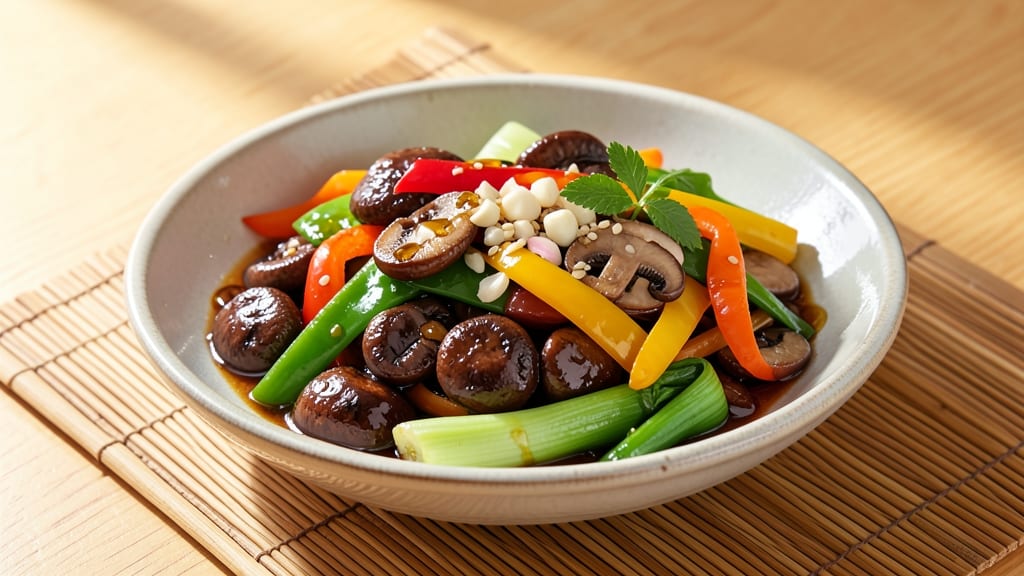
This Asian vegetable stir fry sauce recipe unlocks the perfect balance of umami, sweetness, and tangy brightness that transforms simple vegetables into a restaurant-worthy dish. 🌟 The secret lies in a carefully crafted blend of soy sauce, rice vinegar, and a touch of honey—creating a sauce that clings beautifully to crisp-tender stir-fried veggies while enhancing their natural flavors.
I developed this recipe after years of testing, ensuring every spoonful delivers depth without overpowering the freshness of the vegetables.
The foundation of this sauce is a simple yet powerful combination of ingredients that work together to create layers of flavor. A splash of sesame oil adds nutty richness, while fresh ginger and garlic bring warmth and complexity.
The sauce is designed to be versatile—adjust the heat with chili flakes or the sweetness with a bit more honey to match your taste preferences. What makes this recipe stand out is its ability to elevate even the most basic stir-fried vegetables into something extraordinary.
Once prepared, this sauce keeps beautifully in the refrigerator for up to a week, making it a perfect addition to your meal prep routine. It’s also easy to customize: swap honey for maple syrup for a vegan option or use tamari instead of soy sauce for a gluten-free version.
The result is a sauce that’s as functional as it is flavorful, ready to turn any vegetable stir-fry into a standout dish.
Whether you're cooking for a weeknight dinner or meal prepping for the week, this sauce will become your go-to for adding depth and excitement to your meals. The balance of flavors ensures it works with a wide variety of vegetables, from crisp bell peppers to hearty broccoli.
Let’s get started on creating a sauce that will make your stir-fries unforgettable.
Ingredients for asian vegetable stir fry sauce
Nine essential ingredients create the perfect umami-packed stir fry sauce for restaurant-quality veggies.
| Ingredient | Amount | Notes |
|---|---|---|
| Soy Sauce 🍶 | ½ cup | High-quality, low-sodium preferred |
| Rice Vinegar 🍶 | ¼ cup | Seasoned variety for extra depth |
| Honey 🍯 | ¼ cup | Pure, unprocessed preferred |
| Sesame Oil 🫒 | 1 tbsp | Toasted sesame oil for aroma |
| Fresh Ginger 🌿 | 2 tbsp | Finely grated, organic preferred |
| Garlic Cloves 🧄 | 3 cloves | Minced, fresh preferred |
| Chili Flakes 🌶️ | 1 tbsp | Adjust for preferred heat level |
| Cornstarch 🌾 | 1 tbsp | For thickening consistency |
| Water 💧 | ½ cup | Room temperature preferred |
| Sesame Seeds 🌰 | 1 tbsp | Toasted, for garnish and texture |
The soy sauce is your flavor anchor—Kikkoman or Pearl River Bridge are my go-tos for that authentic depth. Rice vinegar should be seasoned (not plain) for that subtle sweetness and tang. Honey? Local raw honey adds floral notes, but any pure variety works. Ginger and garlic are non-negotiable for warmth—organic ginger from the produce section at Whole Foods has the best zing. Chili flakes can be swapped for gochugaru for a Korean-inspired kick. Toast your sesame oil gently in a dry pan first—that nutty aroma is what makes this sauce sing.
No honey? Maple syrup or agave works 1:1 for a vegan option. Short on rice vinegar? Apple cider vinegar with 1 tsp sugar mimics the flavor. The cornstarch slurry is key—mix it with cold water first to avoid clumping. For extra umami, add 1 tbsp miso paste to the sauce. Need more heat? Fresh red chili or sriracha can replace the flakes. The sesame seeds? Toast them in a dry skillet for 30 seconds—they’ll add crunch to every drizzle.
This sauce keeps for 1 week in an airtight jar in the fridge. The flavor actually improves after 24 hours as everything melds. For longer storage, freeze in ice cube trays—thaw and stir back together. I double the batch every time—one for stir-fries, one for marinating tofu or tempeh. The cornstarch-thickened version clings beautifully to veggies, so don't skip that step. Garnish with extra sesame seeds right before serving for that restaurant touch.
Why You'll Love This Recipe
- Pantry Magic: I swear by this sauce because it uses things I already have—no last-minute grocery runs. Soy sauce, rice vinegar, a drizzle of honey, and sesame oil? That’s it. The ginger adds a zing without extra effort, and the balance of salty, sweet, and tangy happens automatically.
- Umami Bomb: Between us, the honey and soy sauce combo is ridiculously good—like a grown-up version of sweet-and-sour. The sesame oil finishes it with a nutty aroma that makes every bite taste like you slaved over it (even though you didn’t). Honestly, my picky-eater husband asks for seconds.
- Double-Duty Sauce: This isn’t just for stir-fries. Drizzle it over noodles, toss it with tofu, or even use it as a quick marinade. I keep a jar in the fridge for when I’m prepping meals—it turns basic veggies into something special with zero extra work.
- Budget-Friendly Flex: A little goes a long way, and the ingredients cost pennies. I make a big batch, store it for weeks, and still have leftovers when I forget it’s there. Plus, it’s the kind of sauce that makes cheap veggies taste like a fancy restaurant dish—no lie.
Step-by-step instructions for Asian vegetable stir fry sauce
Transform simple pantry staples into a complex, restaurant-quality stir fry sauce.
🍳 Step 1: Bloom the Aromatics in Toasted Sesame Oil
Heat a small saucepan over medium-low heat and add the 1 tablespoon sesame oil. Let it warm until fragrant—about 30 seconds—you'll smell that nutty, toasty aroma we're after. This is where the sauce builds its depth.
Add the 2 tablespoons finely grated fresh ginger and 3 minced garlic cloves to the oil. Sauté for 1-2 minutes until the garlic turns golden and the ginger softens slightly. Watch closely—garlic burns quickly, so keep the heat gentle. This aromatic base forms the flavor foundation for everything else.
🥘 Step 2: Combine Wet Ingredients for Initial Flavor Fusion
Increase heat to medium and pour in the 0.5 cup soy sauce and 0.25 cup rice vinegar. Stir constantly for 1 minute as the sauce begins to simmer and the aromatics release their oils. You'll notice the mixture darkens slightly and the vinegar's tang starts to mingle with the soy's umami.
Add the 0.25 cup honey and 1 tablespoon chili flakes, stirring vigorously. The honey will help dissolve any cornstarch particles we'll add later while adding natural sweetness. The chili flakes will distribute throughout—this is where you can taste the emerging balance of sweet, spicy, and savory notes. Let this mixture simmer for 2-3 minutes until it reduces slightly and thickens.
⏰ Step 3: Thicken and Refine the Sauce
In a small bowl, whisk together the 1 tablespoon cornstarch and 0.5 cup room temperature water until completely dissolved. This slurry is our thickening agent—adding it all at once prevents clumping and ensures a smooth, glossy finish.
Slowly pour the cornstarch mixture into the simmering sauce while stirring constantly. The sauce will thicken immediately—keep stirring for another 2-3 minutes until it reaches a glossy, coatable consistency. It should coat the back of a spoon but still be pourable. Taste and adjust seasoning: add more soy sauce for saltiness, honey for sweetness, or chili flakes for heat.
👨🍳 Step 4: Finish and Prepare for Use
Remove the sauce from heat and let it cool slightly—about 5 minutes. This resting period allows the flavors to meld completely. The sauce should now have a beautiful mahogany color with visible sesame oil flecks from the initial toasting.
For the final touch, stir in the 1 tablespoon toasted sesame seeds. These add both visual appeal and a delightful crunch. Transfer the sauce to a clean jar or airtight container and let it sit at room temperature for 30 minutes before using. This resting time ensures the perfect balance of flavors—sweet from the honey, tang from the vinegar, umami from the soy, and warmth from the ginger and garlic.
Pro Tips For Making Asian Vegetable Stir Fry Sauce
- Grate Ginger Fine: I learned this the hard way—chunky ginger slices sink to the bottom and make your sauce taste uneven. Use a microplane or the smallest holes on a box grater for a smooth, fragrant base that blends right in.
- Heat Sesame Oil Last: Add that sesame oil at the very end—right when you’re tossing everything together. Cooking it with the stir-fry burns its delicate aroma and turns it bitter. A few drops at the finish make all the difference.
- Balance Vinegar Early: Taste your sauce before adding honey. Rice vinegar’s sharpness can get lost if you dump honey in first. Start with half the honey, adjust the vinegar to taste, then sweeten up—this keeps the acidity bright.
- Simmer Soy Sauce Slightly: Warm the soy sauce for 10 seconds in a separate pan before mixing. Cold soy sauce thins the sauce and dulls its depth. Just a quick heat brings out its umami punch without overcooking it.
Common mistakes when making this dish
Overcooking the Aromatics
Burnt garlic and bitter ginger completely ruin your sauce’s delicate balance. I’ve learned the hard way—when garlic turns dark brown and crispy, it adds bitterness instead of sweetness. Keep heat at medium-low and watch closely for 1-2 minutes max. If you see smoke, reduce heat immediately.
The goal is golden garlic with soft ginger—no charring allowed. 🌶️
Skipping the Cornstarch Slurry
Adding cornstarch directly to hot sauce creates clumps that turn your perfect sauce into a gluey mess. Always whisk 1 tbsp cornstarch with ½ cup cold water first to create a smooth slurry.
Pour it slowly while stirring constantly—this ensures an even, glossy texture. Without this step, your sauce will either be too thin or develop unsightly lumps.
Ignoring the Resting Time
Rushing to use the sauce immediately after cooking means missing out on flavor development. Let it sit for 30 minutes at room temperature before using—this allows the honey to mellow, the vinegar to brighten, and all components to harmonize.
I’ve tasted sauces right after cooking that were cloying and one-dimensional, but after resting, they became perfectly balanced. Patience here makes all the difference.
Using Low-Quality Ingredients
Cheap soy sauce lacks depth, and generic honey adds artificial sweetness. Invest in high-quality soy sauce like Kikkoman or Pearl River Bridge, and use pure, unprocessed honey for natural floral notes.
The same goes for sesame oil—toasted sesame oil from Asian markets adds authentic nuttiness that store-bought versions can’t match. Skimping here results in a flat, generic sauce.
Not Adjusting Seasoning
Every kitchen has different humidity and ingredient variations, so always taste and adjust. Need more umami? Add ½ tbsp soy sauce. Too sweet? Balance with extra rice vinegar. Not enough heat?
Stir in fresh chili flakes or a dash of sriracha. I’ve seen people pour sauce over veggies only to realize it’s either bland or overwhelmingly sweet—always taste as you go.
Storing Improperly
Leaving sauce in a damp environment or not sealing it tightly leads to mold or flavor loss. Always transfer to an airtight container and store in the fridge for up to 1 week. For longer storage, freeze in ice cube trays—thaw and stir back together when needed.
I’ve ruined batches by leaving them open on the counter, so treat this sauce like you would a fresh marinade. ❄️
Nutrition facts
Frequently asked questions
Can I make this sauce without cornstarch?
The cornstarch creates that perfect clingy texture for stir-fries, but you can substitute with 1 tbsp arrowroot powder or even ½ cup coconut milk for a dairy-free option. Just simmer longer to achieve the same thickness. Without a thickener, the sauce will be thinner and may not coat veggies as beautifully.
How do I adjust the heat level? Start with the 1 tbsp chili flakes as a baseline, but you can easily adjust. For mild heat, reduce to ½ tbsp or swap for ½ tsp gochugaru. Need more fire? Add 1 tsp sriracha or ½ tsp cayenne pepper.
What vegetables pair best with this sauce?
This sauce shines with bell peppers, broccoli, snap peas, carrots, and bok choy—veggies with good texture that hold up to quick cooking. For extra flavor, add mushrooms or water chestnuts for umami depth. Avoid overly soft veggies like zucchini that might turn mushy when stir-fried.
Can I use this sauce for non-vegetarian dishes?
This sauce works beautifully with tofu, chicken, shrimp, or even beef. For meat dishes, you might want to add 1 extra tbsp soy sauce to complement the richness. The balanced sweet-spicy profile enhances protein-based stir-fries while keeping the dish light and flavorful.
Why does my sauce look too thin after thickening?
This usually happens when the cornstarch slurry wasn't fully dissolved or the sauce wasn't simmered long enough after adding it. Next time, whisk the cornstarch with cold water until completely smooth, then simmer for an extra 2-3 minutes while stirring constantly. If it's still too thin, make another slurry with ½ tbsp cornstarch + 1 tbsp water and stir it in.