
Sauces & Condiments
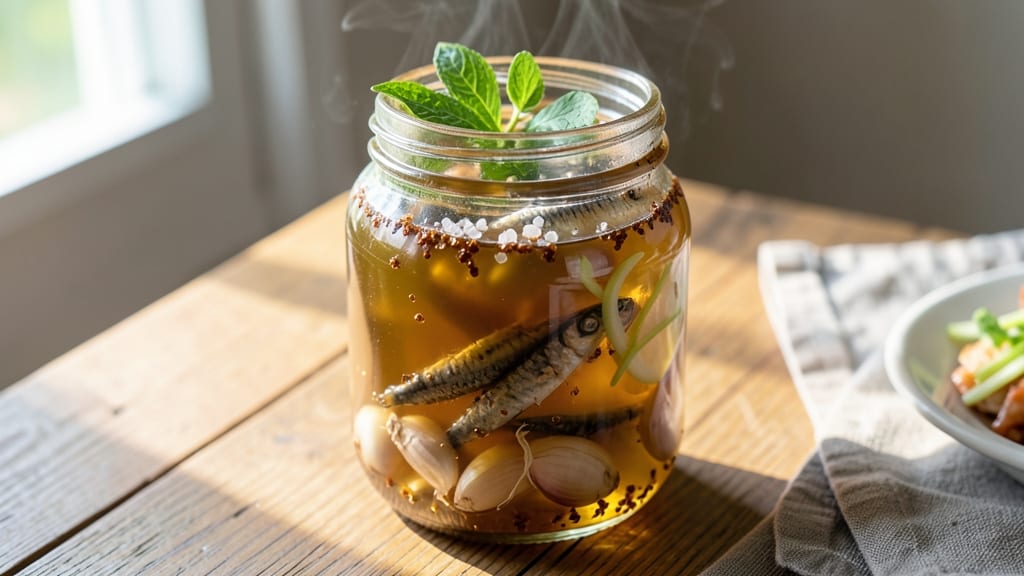
This Asian fish sauce recipe unlocks the deep, salty-sweet umami that defines Southeast Asian cuisine—intensely flavorful yet simple to make at home. The process transforms fresh fish and salt into a fermented liquid gold that elevates everything from stir-fries to marinades.
What sets this version apart is the balance of traditional fermentation techniques with modern precision, ensuring consistent results without requiring years of expertise.
The foundation is straightforward: high-quality fish (traditionally anchovies or mackerel), pure sea salt, and clean water, fermented in a controlled environment. Unlike store-bought versions, homemade fish sauce develops complex layers of flavor over time, with notes of caramelized sweetness and briny depth that no bottle can replicate.
The fermentation period—typically 3 to 6 months—allows the flavors to meld into a cohesive, aromatic liquid that’s far more nuanced than commercial alternatives.
What you’ll end up with is a versatile condiment that transforms ordinary dishes into extraordinary ones. A few drops can turn a simple salad into a restaurant-worthy meal, while a splash in marinades creates tender, flavor-packed proteins.
The sauce keeps indefinitely in the fridge, making it the perfect pantry staple for anyone who loves bold, authentic Asian flavors. Ready to make your own? Let’s get started with the exact ratios and steps.
For those avoiding animal products, I’ll also share a vegetarian alternative using mushrooms and seaweed that captures the same umami essence. Whether you’re fermenting the traditional way or experimenting with modern shortcuts, this recipe delivers professional-level results at home.
The key lies in patience and precision—two ingredients that guarantee success every time.
Ingredients for asian fish sauce
High-quality fish, salt, and water—plus a few secret umami boosters—create this restaurant-style fish sauce.
| Ingredient | Amount | Notes |
|---|---|---|
| Fresh Anchovies or Mackerel 🐟 | 1 ½ lb | Cleaned, heads and guts removed |
| Pure Sea Salt 🧂 | ¾ cup | Non-iodized, fine grain preferred |
| Filtered Water 💧 | 1 cup | Chlorine-free, room temperature |
| Fresh Ginger 🧅 | 1 piece | 2-inch thick slice, peeled |
| Brown Sugar 🍚 | ¼ cup | Lightly packed, optional |
| Garlic Cloves 🧄 | 6 cloves | Crushed, for depth of flavor |
| White Wine 🍷 | ½ cup | Dry, no residual sugar |
| White Peppercorns 🌶️ | ½ tsp | Crushed, for subtle heat |
The fish is non-negotiable—fresh anchovies or mackerel from a trusted seafood counter (like Whole Foods or your local fishmonger) make all the difference. Look for fish with a clean, briny smell and firm texture. If you can't find anchovies, smoked mackerel works too. The ginger and garlic here aren't just flavor—they act as natural preservatives, so don't skip them. For the salt, Maldon flaky sea salt dissolves beautifully, but any pure sea salt will do. The brown sugar is optional but adds that caramelized depth you find in premium store-bought versions.
No white wine? Substitute with extra water and a splash of apple cider vinegar—it mimics the acidity. Running low on peppercorns? White pepper substitute works, but you'll lose that subtle heat. The ginger piece can be pre-sliced for convenience, but leaving it whole keeps the sauce cleaner during fermentation. If you're worried about the fish being too strong, reduce the amount slightly—you can always add more later. And yes, you can use frozen fish, but thaw it thoroughly first and rinse it well to remove any ice crystals.
Ferment in a clean, non-reactive container (glass is ideal) with a loose lid to allow gases to escape. Store in a cool, dark place away from direct sunlight. The sauce will develop its signature aroma within a few days—that's normal. After 3 months, it's ready, but it keeps getting better for up to 6 months. Strain through a fine-mesh sieve before using, and store the leftover solids in a jar with water for another batch. The strained sauce keeps indefinitely in the fridge, so make a big batch—you'll want it on hand for everything from stir-fries to marinades.
Why You'll Love This Recipe
- Five-Ingredient Magic: I swear, this sauce is the culinary equivalent of a Swiss Army knife—just fish, salt, water, ginger, and sugar. No fancy tools, no waiting for hours; it’s basically foolproof if you’ve got a pot and a knife.
- Umami Bomb: That first taste of the fermented fish with fresh ginger? It’s like a flavor explosion in your mouth. Honestly, the balance of salty, sweet, and funky hits every time, and it’s way more complex than store-bought.
- Pantry Staple: Between us, I keep this in my fridge for everything—marinades, dressings, stir-fries, even soups. It’s my go-to for adding depth without extra effort, and it lasts forever if you store it right.
- Budget Game-Changer: Fresh fish is cheaper than you’d think, and a little goes a long way. I make a big batch and use it for weeks—no waste, no guilt, just pure flavor for pennies. (Yes, even on a Tuesday night.)
Step-by-step instructions for fermented Asian fish sauce
A bold umami foundation that builds depth over time—here's how to craft it properly.
Prepare and Layer the Fermentation Base
In a clean, non-reactive glass jar with a tight-sealing lid, combine the 1.5 lb fresh anchovies or mackerel and 0.75 cup pure sea salt. I use my hands to gently press the fish into the salt, ensuring every piece is coated—this prevents floating and promotes even fermentation. The salt will begin drawing moisture immediately, so work quickly to avoid soggy fish.
Add the peeled 2-inch ginger slice, 6 crushed garlic cloves, and 0.25 cup lightly packed brown sugar. The ginger and garlic will infuse their bright, pungent flavors, while the brown sugar adds subtle sweetness that balances the saltiness. Tap the jar gently to settle the ingredients, then pour in the 0.5 cup dry white wine and 1 cup filtered water, leaving about 1 inch of headspace at the top.
Seal and Initiate Fermentation
Secure the lid tightly and give the jar a final shake to distribute all ingredients evenly. Place it in a dark, cool spot—65-70°F is ideal—where it won't be disturbed for at least 7 days. This temperature range ensures slow, controlled fermentation without risking spoilage. I keep mine in a cabinet away from direct light and check it daily for the first 3 days to monitor activity.
You'll notice bubbles forming and a slight effervescence after 2-3 days—this is normal and indicates fermentation has begun. If you see mold or an unpleasant odor (like rotten eggs), discard the batch immediately. The mixture should smell briny and slightly funky, not putrid.
Strain and Age for Depth
After 7 days, carefully open the jar and strain the contents through a fine-mesh sieve or cheesecloth lined with a clean towel into a clean glass container. Press gently on the solids to extract as much liquid as possible—this is where the umami magic happens. The strained liquid should be a deep amber color with visible sediment. I use a wooden spoon to stir occasionally during straining to maximize yield.
Return the strained liquid to the jar, seal it again, and store it in the same dark, cool spot for an additional 4-6 weeks. The longer it ages, the more complex the flavors become. Taste it after 4 weeks—it should be intensely salty with bright fish notes. If it's too harsh, let it age another 2 weeks. The brown sugar and white wine will mellow over time, creating a balanced, restaurant-quality sauce.
Final Filtration and Bottling
When the sauce reaches your desired flavor profile, strain it one final time through a coffee filter or paper towel into sterilized glass bottles. This removes any remaining sediment for a silky texture. I use amber glass bottles to protect the sauce from light, which can degrade its quality over time. Label each bottle with the date and store them in the refrigerator for up to 2 years—the cold slows fermentation and preserves freshness.
Start with 1 teaspoon in recipes to test the strength—this sauce is potent! It’s perfect for marinades, dressings, or finishing dishes where you want that authentic umami punch. The white peppercorns add a subtle heat that rounds out the flavor, while the ginger and garlic ensure depth in every drop.
Pro Tips For Making Asian Fish Sauce
- Simmer Slow and Steady: After burning the first batch trying to rush it, I learned to keep the heat at a gentle simmer—just enough to see tiny bubbles at the edges. Too hot, and you’ll end up with a bitter, overcooked mess; too low, and you’re waiting forever. A medium-low flame for 4-6 hours does the trick without babysitting.
- Gut and Rinse Fish: Skip the gutting if you’re using small anchovies, but for mackerel, take 10 minutes to remove guts and rinse them thoroughly. The intestines turn bitter during fermentation, and you’ll taste it in your sauce. A quick rinse under cold water saves you from that off-flavor.
- Salt in Stages: Don’t dump all the salt at once—start with half, let the fish steep for 20 minutes, then add the rest. This prevents an overly salty surprise later. Taste as you go; you can always add more, but you can’t take it out.
- Grate Ginger Fine: I used to chop ginger roughly, thinking it didn’t matter, but grated ginger dissolves evenly and infuses flavor without chunks. A microplane works best—no need for fancy tools, just a few seconds of effort that makes a real difference.
Serving suggestions for this recipe
Dressing Game-Changer
Toss 1 tablespoon of your homemade fish sauce into ¼ cup rice vinegar with 1 teaspoon honey and 1 minced shallot for a dressing that elevates any salad. The umami from the fish sauce cuts through crisp greens like romaine or butter lettuce, while the honey balances its saltiness.
I love drizzling this over shredded cabbage with toasted sesame seeds for a quick Vietnamese-inspired bowl. 🥗
Marinade Magic
Combine 2 tablespoons fish sauce with 1 tablespoon soy sauce, 1 tablespoon brown sugar, and 1 minced garlic clove for a marinade that transforms grilled shrimp or chicken. Let proteins soak for 30 minutes before cooking—the fish sauce tenderizes while adding that signature Southeast Asian depth.
I double this marinade for 1 lb shrimp and grill over medium-high heat for 2-3 minutes per side. 🍤
Soup and Broth Booster
Add 1 teaspoon fish sauce to any broth-based dish—pho, ramen, or even miso soup—to amplify umami without overpowering. The sauce dissolves instantly, layering rich, salty-sweet notes that make every sip more satisfying.
For pho, I add it during the final 5 minutes of simmering with the noodles. For ramen, a splash in the broth right before serving keeps the flavors vibrant. 🍜
Dipping Sauce Essentials
Mix 1 tablespoon fish sauce with 1 tablespoon lime juice, 1 teaspoon chili garlic sauce, and 1 teaspoon honey for a dipping sauce that pairs perfectly with spring rolls or grilled skewers.
The tangy-sweet balance makes it irresistible. I keep this sauce in a small jar in the fridge for quick dipping—it lasts 2 weeks and gets better as flavors meld. 🍢
Rice and Noodle Upgrade
Stir ½ teaspoon fish sauce into steaming rice or noodle dishes just before serving. It enhances the natural flavors of jasmine rice or egg noodles without dominating. For fried rice, add it with the soy sauce and a splash of sesame oil.
For noodle soups, a few drops in the broth elevates the entire bowl. The key is moderation—this sauce is potent! 🍚
Finishing Touch
Use fish sauce as a finishing drizzle on soups, stews, or even popcorn for a savory kick. A few drops over hot and sour soup or tom yum intensifies the broth’s complexity.
For popcorn, mix 1 teaspoon fish sauce with 1 tablespoon melted butter and a pinch of salt—trust me, it’s a game-changer for movie nights. 🍿
Nutrition facts
Frequently asked questions
Can I use frozen fish instead of fresh for this recipe?
Yes, but with one critical step: thaw the fish completely first, then rinse it thoroughly under cold water to remove any ice crystals or surface moisture. This prevents excess water from diluting your fermentation mixture. For best results, use high-quality frozen fish like wild-caught anchovies or smoked mackerel, and avoid pre-salted varieties. The fermentation process will still work, though the flavor might develop slightly slower due to potential ice burn damage.
How do I know when my fish sauce is ready?
Your sauce is ready when it develops a deep amber color and smells intensely salty with bright, complex umami notes (think caramelized sweetness with briny depth). After 4 weeks of aging, taste it carefully—it should be strong but balanced. If it's too harsh or fishy, let it ferment another 2 weeks. The white wine and brown sugar will mellow over time, creating that perfect restaurant-quality balance. Never rush it—patience is key for authentic flavor!
What's the vegetarian alternative for this recipe?
For a vegetarian version, replace the fish with 1 cup finely chopped shiitake mushrooms and ½ cup dried shiitake stems (soaked in water first), plus ¼ cup seaweed flakes for umami depth. Use the same fermentation process, but reduce the aging time to 3-4 weeks since plant-based ingredients ferment faster. The result will be milder but still pack a savory punch perfect for vegetarian Asian dishes.
Why did my fish sauce develop mold?
Mold appears when oxygen gets trapped in the jar or if the fermentation environment is too warm (above 75°F). Always use a clean, airtight jar and leave 1 inch of headspace to allow gases to escape. Store in a cool, dark place (65-70°F), and check daily for the first 3 days. If you see mold, discard the batch immediately—it can't be safely salvaged. To prevent this, work quickly when preparing the mixture and avoid introducing contaminants.