
Sauces & Condiments
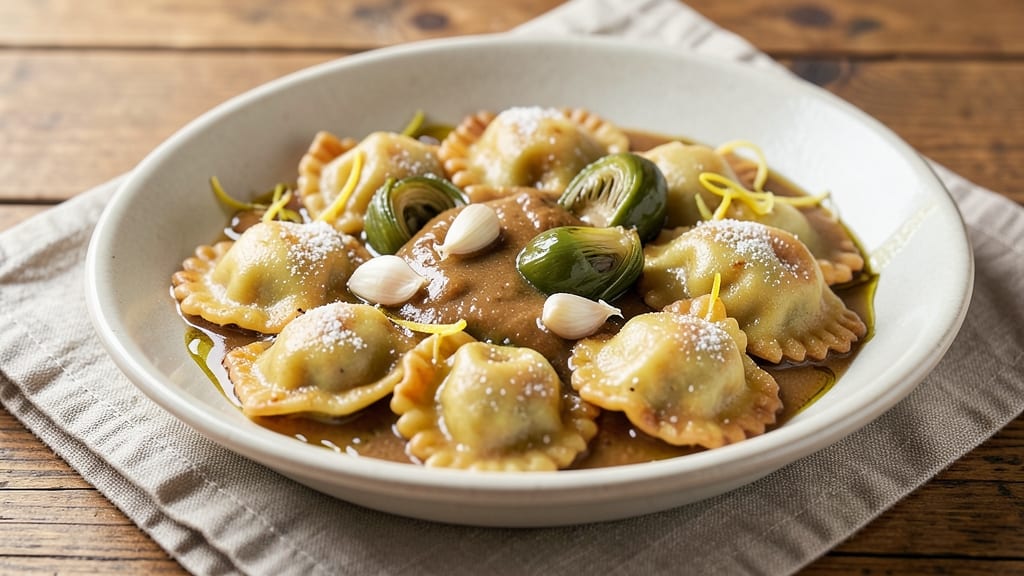
This artichoke ravioli sauce recipe transforms simple ingredients into a rich, nutty brown butter parmesan sauce with bright lemon zest that elevates every bite. The secret lies in carefully balancing artichoke hearts—creamy from marinated or fresh varieties—with garlic, herbs, and a touch of lemon to cut through the richness.
What makes this sauce truly special is the brown butter base, which adds depth and a caramelized aroma that pairs perfectly with delicate ravioli.
The process is straightforward yet rewarding: sauté garlic in olive oil until fragrant, then add artichoke hearts and herbs to infuse their flavors. Brown butter transforms ordinary sauce into something extraordinary, while parmesan adds a salty, umami punch that ties everything together.
The lemon zest provides a refreshing contrast, ensuring the sauce isn’t too heavy. This method guarantees a velvety, restaurant-quality sauce that’s foolproof for any home cook.
What you’ll end up with is a silky, aromatic sauce that clings beautifully to ravioli, offering a perfect blend of earthy artichoke, nutty brown butter, and zesty lemon. The texture is smooth yet rich, with just the right balance of creaminess and brightness.
This sauce isn’t just a side—it’s the star, transforming a simple pasta dish into something memorable and impressive.
The best part? This sauce keeps well in the refrigerator for up to 5 days, making it ideal for meal prep or leftovers. Simply reheat gently on the stove, stirring in a splash of water or milk if it thickens too much.
Whether you’re serving it with ravioli, grilled chicken, or crusty bread, this artichoke ravioli sauce will leave everyone asking for seconds.
Ingredients for artichoke ravioli sauce
Eleven ingredients transform into a velvety artichoke ravioli sauce with nutty brown butter and citrus brightness.
| Ingredient | Amount | Notes |
|---|---|---|
| Unsalted Butter 🧈 | ¾ cup | Cold, cubed for browning |
| Marinated Artichoke Hearts 🌿 | 1 cup | Chopped, drained well |
| Fresh Garlic Cloves 🧄 | 4 cloves | Minced, for aromatic base |
| Fresh Lemon Zest 🍋 | 1 tbsp | Fine, for bright finish |
| Fresh Lemon Juice 🍋 | 1 tbsp | Freshly squeezed |
| Extra-Virgin Olive Oil 🫒 | ¼ cup | For sautéing garlic |
| Fresh Parsley Leaves 🌿 | ¼ cup | Chopped, for freshness |
| Fresh Thyme Leaves 🌿 | 1 tbsp | Chopped, for herbal depth |
| Parmesan Cheese 🧀 | ½ cup | Freshly grated, aged |
| Vegetable Broth 💧 | ½ cup | Low-sodium for balance |
| Diamond Crystal Kosher Salt 🧂 | ½ tsp | Adjust to taste |
| Freshly Ground Black Pepper 🌶️ | ¼ tsp | For subtle heat |
The butter is non-negotiable—unsalted ensures perfect browning without salt interference. European-style butter from Plugrá or Land O'Lakes works best for its high fat content, but any quality brand will do. Artichoke hearts should be marinated for creaminess, but if using fresh, blanch them first to soften. The garlic cloves must be fresh; pre-minced garlic loses its punch. For the lemon, zest only the yellow part—white pith adds bitterness. Fresh herbs are essential here—Whole Foods or local farmers markets carry the best quality, but grocery store parsley and thyme work in a pinch.
No marinated artichokes? Fresh blanched and chopped works, but texture will differ slightly. Substitute sun-dried tomatoes for depth if needed, though artichokes are irreplaceable for the signature earthiness. Short on butter? Olive oil can brown, but flavor will shift—use avocado oil for a closer match. The Parmesan must be aged (at least 24 months) for optimal umami; Parmigiano-Reggiano is ideal. If using pre-grated, pulse it in a food processor to remove anti-caking agents. For a dairy-free version, swap Parmesan for nutritional yeast (though flavor will differ). The vegetable broth can be homemade or low-sodium store-bought—just taste before adding.
Brown butter develops deep flavor but burns quickly—watch closely after the foam subsides. Store finished sauce in an airtight container with a thin layer of olive oil on top to preserve freshness. Keeps for 5 days in the fridge or 3 months frozen. For reheating, warm gently over low heat, adding a splash of water or broth if thickening occurs. This sauce pairs beautifully with freshly cooked ravioli or grilled vegetables—the acidity cuts through richness perfectly.
Why You'll Love This Recipe
- Five-Ingredient Magic: I swear, this sauce comes together while you’re still debating what to watch on TV. Butter melts in minutes, artichokes drain straight from the jar, and garlic? Just two cloves—no chopping frenzy, no mess.
- Zesty Brightness: That lemon zest and juice cut through the richness like a cool breeze. It’s the kind of balance that makes you pause mid-bite, then immediately go back for another.
- Weeknight Hero: Make a double batch on Sunday, and you’ve got Tuesday and Thursday covered. Pairs with ravioli, grilled chicken, or even toasted bread—no leftovers go to waste.
- Budget Luxury: Marinated artichokes are my secret for fancy flavors without the splurge. A stick of butter and a lemon do the heavy lifting, but the result? Feels like a restaurant dish.
Step-by-step instructions for artichoke ravioli sauce
A rich, nutty brown butter base meets bright lemon and herby artichokes for a sauce that elevates ravioli to restaurant quality.
Brown the Butter for Depth of Flavor
Place the 0.75 cup unsalted butter in a medium saucepan over medium heat. Watch carefully as it melts and begins to foam—this is when the milk solids start to separate. Once the foam subsides, increase heat to medium-high and continue cooking until the butter turns a deep golden brown, about 5-7 minutes. You'll smell a nutty aroma and see small bubbles forming.
This browning process, called "browning," develops complex flavors that transform a simple butter sauce into something extraordinary. Immediately pour the browned butter through a fine-mesh strainer into a heatproof bowl to remove any solids, then return the strained butter to the saucepan. Keep the heat at medium-low to prevent burning.
Sauté Garlic and Artichokes Until Golden
Add the 0.25 cup extra-virgin olive oil to the browned butter in the saucepan. Stir in the 4 cloves minced fresh garlic cloves and cook for 30 seconds until fragrant—don't let them brown or they'll turn bitter. Add the 1 cup chopped marinated artichoke hearts, drained well, and sauté for 4-5 minutes until the artichokes are heated through and the mixture looks glossy.
The artichokes should release their briny marinade as they cook, which adds another layer of flavor. Stir occasionally to prevent sticking, and if the mixture looks too dry, add 1 tablespoon of the reserved pasta water from your ravioli cooking water.
Build the Sauce with Broth and Herbs
Pour in the 0.5 cup vegetable broth and scrape up any browned bits from the bottom of the pan with a wooden spoon. These bits, called "fond," are packed with flavor. Add the 1 tbsp chopped fresh thyme leaves and 0.5 tsp Diamond Crystal kosher salt, then bring the mixture to a gentle simmer. Let it cook for 3-4 minutes until slightly reduced and thickened.
Here's where the sauce comes together. The broth should be mostly absorbed, leaving a glossy, velvety consistency. If it's too thick, add another 1 tablespoon of pasta water to loosen it. The sauce should coat the back of a spoon smoothly—this is your target texture.
Finish with Lemon and Herbs
Remove the sauce from heat and stir in the 0.5 cup freshly grated Parmesan cheese, 1 tbsp fresh lemon zest, 1 tbsp fresh lemon juice, and 0.25 tsp freshly ground black pepper. The lemon will brighten the rich flavors, while the herbs add freshness. Taste and adjust the seasoning—you might need a pinch more salt or a squeeze of lemon.
Finally, stir in the 0.25 cup chopped fresh parsley leaves for a pop of color and freshness. The sauce should be creamy, aromatic, and balanced—savory from the artichokes and butter, bright from the lemon, and herby from the parsley and thyme. Let it sit for 2 minutes to meld before serving.
Toss with Ravioli and Garnish
Add the cooked ravioli to the sauce and toss gently to coat evenly. If the sauce seems too thin, remove some ravioli and reduce the sauce further over medium heat until it thickens. Serve immediately, garnished with an extra sprinkle of Parmesan cheese and a few parsley leaves for freshness.
The sauce should cling beautifully to the ravioli, creating a luxurious mouthfeel with every bite. The artichokes add a satisfying texture, while the lemon and herbs keep the flavors vibrant. This sauce is best served fresh—it won't wait!
Pro Tips For Making Artichoke Ravioli Sauce
- Drain & Pat Dry: Marinated artichokes hold more brine than you’d think—skip draining them straight from the jar, and your sauce will taste like a sad, watered-down briny mess. Dump them into a colander, let them drain for 2 minutes, then press them between paper towels to soak up excess moisture. Trust me, the texture and flavor will be worlds apart.
- Melt Butter Slowly: I used to dump butter into the pan and crank the heat, only to end up with browned bits and a sauce that tasted like it had been through a war. Instead, melt the butter over medium-low, stirring constantly until it’s fully liquid but not foaming. This keeps the sauce silky and prevents a bitter aftertaste.
- Chop Garlic Fine: Big chunks of garlic scream “amateur hour” in this sauce. You want it so finely minced that it almost dissolves into the butter—think paste, not confetti. Pulse it in a food processor or chop it aggressively with a knife; the goal is for it to cook down completely without leaving any chewy bits.
- Zest First, Juice Last: Add lemon zest to the pan while the garlic cooks—it infuses the butter with bright, citrusy aroma instantly. Hold off on the juice until the very end; if you add it too early, the acid will cook off and leave your sauce tasting flat. A quick squeeze at the finish keeps that tang sharp and fresh.
Flavor customization for these flavors
Creamy vs. Light
This sauce can be adjusted for texture based on your preference. For a richer, creamier version, stir in 2 tablespoons of heavy cream or 1 tablespoon of crème fraîche after adding the Parmesan.
For a lighter option, replace the vegetable broth with ½ cup low-sodium chicken broth and reduce it longer to achieve a glossy, velvety consistency without heaviness. 🥄
Spicy Heat Boost
Add a kick with ½ teaspoon of red pepper flakes or 1 teaspoon of hot honey> when finishing the sauce. For a smoky twist, stir in ½ teaspoon of smoked paprika> with the thyme.
If you love heat, a dash of Calabrian chili paste> (about ½ teaspoon) adds depth and brightness that pairs perfectly with artichokes. 🌶️
Herb Swaps
Fresh herbs can be customized based on what you have. Swap the parsley for basil or cilantro for a brighter profile, or replace thyme with rosemary for an earthier note. For a Mediterranean twist, add ½ teaspoon of dried oregano> with the thyme.
If you prefer a more delicate flavor, reduce the thyme to ½ tablespoon and add 1 tablespoon of fresh dill> for a fresh, slightly tangy finish.
Cheese Variations
Parmesan is classic, but you can experiment with other cheeses for different flavor profiles. For a nutty, sharper taste, use Pecorino Romano instead of Parmesan. For a milder, creamier sauce, blend ½ cup of mascarpone with the Parmesan.
If you’re dairy-free, use ½ cup of nutritional yeast plus 1 tablespoon of lemon juice to mimic the umami and tang. 🧀
Umami Depth
Boost the savory notes by adding 1 teaspoon of soy sauce> or 1 teaspoon of fish sauce (for non-vegetarian versions) when sautéing the garlic. For a vegetarian umami boost, stir in 1 teaspoon of miso paste with the broth.
A splash of white wine (about 2 tablespoons) deglazed with the broth adds complexity and acidity, balancing the richness of the brown butter.
Seasonal Twists
In spring, add 1 tablespoon of fresh mint or peas for a vibrant touch. In fall, incorporate 1 teaspoon of maple syrup or caramelized onions for sweetness and depth. For a winter variation, stir in ½ teaspoon of cinnamon and a pinch of nutmeg for warmth.
In summer, brighten it with 1 tablespoon of fresh basil and a squeeze of lime juice instead of lemon. ✨
Nutrition facts
Frequently asked questions
Can I use fresh artichokes instead of marinated hearts?
Yes, but you'll need to prep them first! Blanch 1 large fresh artichoke (trimmed, halved, and quartered) in boiling water for 10 minutes, then drain and chop. Fresh artichokes have a firmer texture than marinated ones, so they won't break down as smoothly in the sauce. For best results, reduce the cooking time with the garlic to 3 minutes instead of 4-5 minutes.
How do I prevent the sauce from separating or breaking?
Keep the heat at medium-low when adding the broth and never let it boil vigorously. Stir constantly to prevent curdling, and if the sauce looks too thick, add 1 tablespoon of warm water or milk to loosen it. The key is patience—let the sauce simmer gently until it naturally thickens. Adding the Parmesan off the heat helps maintain a smooth texture.
Can I make this sauce ahead of time?
This sauce actually tastes better the next day. Store it in an airtight container in the refrigerator for up to 5 days. When reheating, warm it gently over low heat and add a splash of water or milk if it thickens too much. You can also freeze it for 3 months—just thaw it in the fridge overnight before reheating.
What if I don't have brown butter?
No problem! You can substitute with 0.75 cup regular melted butter or 0.5 cup olive oil (though the flavor will be less rich). For extra depth, add 1 teaspoon of toasted sesame oil or ½ teaspoon of smoked paprika to mimic the nutty notes. The sauce will still be delicious, just with a slightly different profile.
How much sauce should I make for a serving of ravioli?
This recipe yields about 2 cups of sauce, which is perfect for 8-10 servings of ravioli (about 2 ounces per person). If serving as a side or with grilled meats, 1 cup of sauce will generously coat 4-6 servings of protein or bread. The sauce is rich, so a little goes a long way—taste as you go and adjust portions to preference.