
Sauces & Condiments
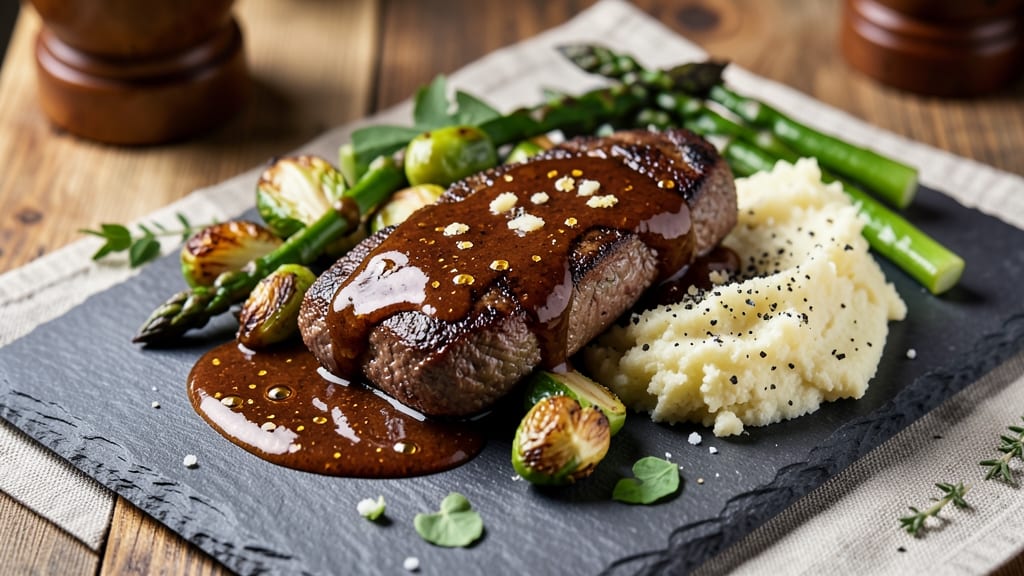
This balsamic brown butter sauce transforms simple meals into restaurant-worthy dishes with just five ingredients and 15 minutes of active time. The secret lies in balancing rich, nutty brown butter with the tangy depth of balsamic vinegar, creating a glossy sauce that clings perfectly to steak, pasta, or roasted vegetables.
I developed this recipe after years of perfecting the art of emulsification—no blender required—so you get a smooth, velvety finish every time.
The process starts with browning butter until it releases its signature aroma and golden flecks, then carefully combining it with balsamic vinegar to create an emulsified sauce. A touch of Dijon mustard acts as a natural emulsifier, ensuring the sauce stays silky rather than separating.
This technique works whether you're drizzling it over a perfectly cooked steak or tossing it with al dente pasta for an instant flavor upgrade.
What makes this sauce truly versatile is its ability to elevate any protein or vegetable dish without overpowering the main ingredient. The sweet-tangy profile cuts through richness while adding complexity, making it ideal for weeknight dinners or special occasions.
Best of all, it keeps well in the refrigerator for up to a week, so you can make a batch ahead and have it ready whenever inspiration—or hunger—strikes.
The result is a sauce that's equal parts elegant and approachable, with a texture that's luxurious yet simple to achieve. Whether you're finishing a seared ribeye or enhancing a simple bowl of pasta, this balsamic brown butter sauce delivers restaurant-quality results at home.
Here's how to make it perfectly every time.
Ingredients for balsamic brown butter sauce
Five ingredients transform ordinary meals into restaurant-worthy dishes with this velvety sauce.
| Ingredient | Amount | Notes |
|---|---|---|
| Unsalted Butter 🧈 | ¾ cup | Cold, cubed for browning |
| Balsamic Vinegar 🍷 | ½ cup | Aged, high-quality preferred |
| Dijon Mustard 🌶️ | 1 tbsp | For emulsification stability |
| Granulated Sugar 🍚 | 1 tsp | Balances acidity, optional |
| Coarse Sea Salt 🧂 | ½ tsp | Diamond Crystal preferred |
The butter makes or breaks this—unsalted, cold cubes brown beautifully for that nutty depth. European-style butter like Plugrá or Kerrygold has more flavor, but any good unsalted works. Browning it properly (until golden flecks appear) is key—don't rush it. The balsamic vinegar? Age matters—look for 'aged' or 'extra-aged' labels at Trader Joe's or specialty stores. It should smell rich and complex, not sharp. For the mustard, Dijon is non-negotiable—it's what creates that perfect emulsification.
No aged balsamic? White balsamic vinegar works in a pinch, but it'll be lighter in flavor. Short on butter? Ghee at the same amount gives similar richness. The sugar is truly optional—skip it if you prefer a more tangy sauce. For extra depth, add 1/2 tsp vanilla extract or a pinch of black pepper. The salt? Diamond Crystal kosher dissolves better than table salt, but use what you've got. If your sauce separates, whisk in another 1/2 tbsp mustard—it'll come back together.
This sauce keeps beautifully—1 week refrigerated in an airtight jar. The texture actually improves after 24 hours as flavors meld. For longer storage, freeze portions in ice cube trays—perfect for finishing dishes later. Reheat gently in a saucepan over low heat, stirring occasionally. I always make double batches—one for immediate use, one to store. The flavor develops beautifully over time, making it worth the extra effort.
Why You'll Love This Recipe
- Five-Ingredient Magic: I swear by this combo—just butter, vinegar, mustard, sugar, and salt. That’s it. No fancy gadgets, no hunting for obscure spices, just pantry staples that transform into something rich and tangy in minutes.
- Butter’s Golden Kiss: The moment that brown butter hits your tongue—nutty, caramelized, with that deep umami—is why this sauce is my secret weapon. Add the balsamic, and suddenly you’ve got a balance that’s sweet, tangy, and irresistibly savory.
- Dresses Up Everything: Drizzle it over grilled chicken, toss it with roasted veggies, or slather it on fresh bread like I do when I’m too tired to cook. It turns simple meals into something that feels special, whether it’s a weeknight or a dinner party.
- Leftovers That Don’t Let You Down: Make a double batch—it keeps for weeks in the fridge, and the flavor only gets better as it mellows. I’ve reheated this sauce cold, straight from the jar, and it still tastes like a restaurant-worthy drizzle.
Step-by-step instructions for balsamic brown butter sauce
This rich, tangy-sweet sauce comes together in minutes with just a few ingredients.
Brown the Butter Slowly
Place the 0.75 cup unsalted butter (cubed) in a medium saucepan over medium-low heat. Let it melt completely, then increase heat to medium and watch closely. The butter will foam and bubble—this is normal. Keep stirring constantly to prevent burning.
Continue cooking until the butter turns a deep golden brown and you can smell nutty, toasted aromas. This should take about 5-7 minutes. The butter will separate into liquid and solid browned bits—this is exactly what we want for that rich, caramelized flavor. Remove from heat immediately once it reaches this stage, as it can quickly turn bitter.
Deglaze with Balsamic Vinegar
Pour in the 0.5 cup balsamic vinegar all at once and stir vigorously. You'll see the browned butter bits dissolve into the vinegar, creating a glossy, syrupy liquid. Return the pan to medium heat and let it simmer for 3-4 minutes, stirring occasionally, until the mixture reduces by about half and thickens slightly.
The vinegar's acidity will cut through the richness of the butter, creating a perfect balance. You'll notice the sauce darken and develop a beautiful mahogany color—this is when the flavors really start to meld. If the sauce looks too thick, add 1 tablespoon water to loosen it slightly, but we want it to coat the back of a spoon.
Add Mustard and Sugar for Stability
Stir in the 1 tablespoon Dijon mustard and 1 teaspoon granulated sugar. The mustard helps emulsify the sauce, preventing separation, while the sugar balances the vinegar's acidity. Return the pan to low heat and let it simmer gently for 1-2 minutes, stirring constantly, until everything is fully incorporated and the sauce is smooth.
Here's where the magic happens: the mustard binds the butter and vinegar, creating that silky, glossy texture we're after. Taste and adjust the seasoning with the 0.5 teaspoon coarse sea salt—you want it to be rich and balanced, not overly salty or sweet. The sauce should coat your spoon with a velvety sheen.
Finish and Strain for Smoothness
Transfer the sauce to a blender or use an immersion blender to purée until completely smooth. This step ensures a silky, luxurious texture without any graininess. If you don't have a blender, strain the sauce through a fine-mesh sieve into a clean saucepan to remove any remaining solids.
Return the sauce to low heat and let it warm through for 1-2 minutes, stirring occasionally. The sauce should now be glossy, thick, and ready to drizzle. For the best results, use it immediately over pasta, steak, or grilled vegetables. If storing, keep it in an airtight container in the refrigerator for up to 5 days—just reheat gently over low heat, stirring frequently to prevent separation.
Pro Tips For Making Balsamic Brown Butter Sauce
- STOP WHEN IT’S GOLDEN: Brown butter fast and furious—high heat, no excuses. The moment it smells nutty and turns a deep amber, yank it off the heat. I learned this the hard way: lingering too long turns it bitter, and no amount of balsamic can fix that.
- WHISK IN THE MUSTARD: Add Dijon mustard after the butter has browned and cooled slightly. Cold butter fights emulsification, so let it sit for 30 seconds first. This isn’t the prettiest method, but it’s the tastiest—your sauce won’t break into greasy clumps.
- MEASURE THE BALSAMIC: Use a tablespoon, not a splash. Balsamic vinegar is acidic, and too much will make your sauce taste sharp and unbalanced. Start with 1 tablespoon, taste, then adjust—your butter’s saltiness will thank you.
- SALT THE BUTTER FIRST: Season the unsalted butter with a pinch of coarse sea salt before browning. Salted butter browns faster and adds depth to the sauce. I skip this when I’m lazy, but the dish is noticeably better when I don’t.
Best sauces and condiments for this balsamic brown butter sauce
Pasta Perfection
Toss this sauce with al dente pasta like fettuccine or linguine for an instant restaurant-worthy dish. I recommend cooking the pasta 1 minute less than package instructions, then finishing it off in the sauce over low heat for 2-3 minutes to absorb those rich, glossy flavors.
For extra decadence, add 1/4 cup grated Parmigiano-Reggiano at the end—it melts beautifully into the sauce. 🍝
Steak Finishing Touch
Use this sauce to elevate ribeye, filet mignon, or New York strip steaks. Drizzle 1-2 tablespoons over the steak in the last 30 seconds of searing, or serve it warm on the side for dipping.
The sweet-tangy balance cuts through the richness of the meat perfectly. For a garlic twist, add 1 minced garlic clove to the sauce while simmering. 🥩
Roasted Vegetable Drizzle
This sauce transforms simple roasted vegetables into a gourmet side. Toss asparagus, Brussels sprouts, or zucchini with 1 tablespoon olive oil, roast until tender, then drizzle with the sauce.
The acidity in the balsamic brightens the vegetables while the butter adds richness. I love serving this with crispy roasted potatoes for a complete meal. 🥦
Grilled Chicken Glaze
Brush this sauce onto grilled or baked chicken breasts in the last 5 minutes of cooking. The high heat caramelizes the sauce slightly, creating a beautiful glaze.
For extra flavor, add 1/2 teaspoon smoked paprika to the sauce before serving. This works especially well with herb-marinated chicken for a balanced, flavorful dish. 🍗
Bread Dipping Sauce
Warm the sauce slightly and serve it as a dip for crusty baguettes, garlic bread, or grissini. The contrast of the buttery sauce with crispy bread is pure comfort food.
I keep a small bowl of this sauce on my table for dipping—it disappears quickly! For a spicy kick, add 1/4 teaspoon red pepper flakes to the warm sauce. 🍞
Seafood Pairing
This sauce pairs surprisingly well with grilled salmon or scallops. Drizzle it over the fish in the last 2 minutes of cooking, or serve it on the side for a tangy contrast.
The acidity in the balsamic cuts through the richness of the seafood beautifully. For a citrus twist, add 1 teaspoon lemon zest to the sauce. 🐟
Nutrition facts
Frequently asked questions
Can I use regular white vinegar instead of balsamic?
While you can substitute white vinegar, the flavor will be much sharper and lack the deep, complex notes of aged balsamic. For a similar tangy profile, try white balsamic vinegar—it's lighter but still offers that signature sweetness. If you're in a pinch, add 1 teaspoon honey to balance the acidity, but the texture and richness won't be the same.
Why did my sauce separate? How do I fix it?
Sauce separation usually happens when the butter and vinegar aren't properly emulsified. The quick fix: whisk in 1/2 teaspoon Dijon mustard or 1 tablespoon cold water while stirring vigorously. For a smoother texture, blend the sauce again or strain it through a fine-mesh sieve. To prevent this in the future, ensure you're stirring constantly when combining the vinegar with the browned butter.
How can I make this sauce vegan?
Swap the butter for vegan butter or olive oil, and use apple cider vinegar instead of balsamic. For emulsification, add 1 tablespoon nutritional yeast or 1/2 teaspoon xanthan gum. The texture will be slightly different but still delicious. Taste and adjust with maple syrup for sweetness and sea salt for balance.
Can I make this sauce ahead of time?
This sauce actually tastes better the next day as the flavors meld. Store it in an airtight container in the refrigerator for up to 5 days. When ready to use, reheat gently over low heat, stirring frequently to prevent separation. For longer storage, freeze portions in ice cube trays—thaw and reheat as needed for finishing dishes.
What’s the best way to use leftover brown butter?
Don’t waste those leftover browned butter bits! Save them in a jar in the fridge for up to 2 weeks. Use them to flavor mashed potatoes, roasted vegetables, or even popcorn. You can also blend them into the sauce later for extra richness—just add 1-2 tablespoons of the reserved bits to the finished sauce and warm through.