
Sauces & Condiments
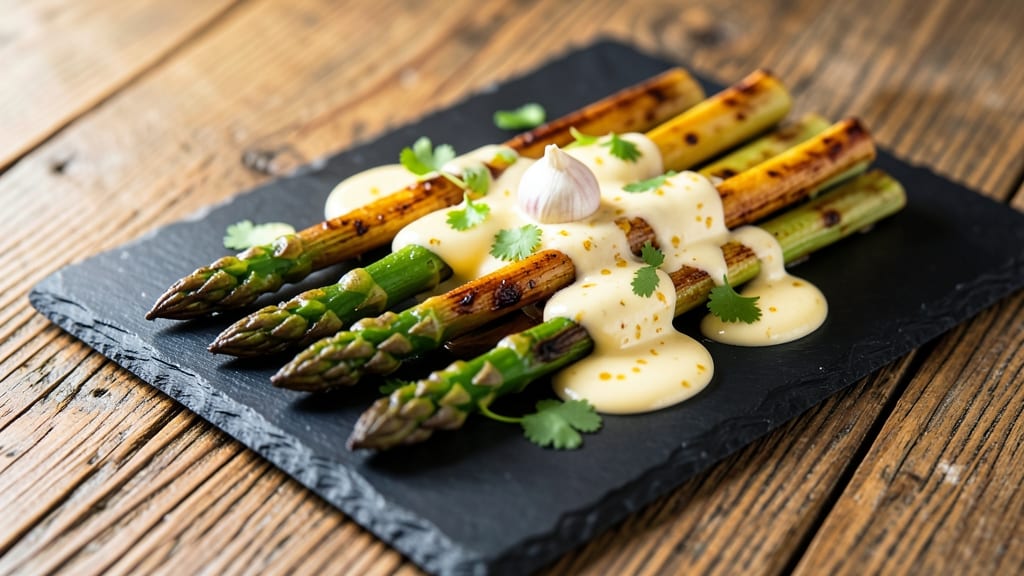
This asparagus with lemon butter sauce recipe transforms simple spring greens into a restaurant-worthy side dish with just five ingredients and 20 minutes of hands-on time. The secret lies in high-heat roasting for crisp-tender spears paired with a bright, tangy sauce that cuts through the richness—no fancy techniques required, just precise timing and a sharp knife.
What sets this recipe apart is the sauce: a perfect balance of zesty lemon, rich butter, and a touch of garlic that elevates asparagus from side dish to star. The roasting method caramelizes the edges while keeping the centers tender, creating texture contrast that makes every bite satisfying.
This is the kind of dish that turns a basic vegetable into something you'll crave all season.
By the time you're done, you'll have vibrant green asparagus with golden, crisp edges and a sauce that clings perfectly to each spear. The aroma alone will have everyone at the table asking for seconds, and the bright citrus flavor makes it a refreshing contrast to rich main dishes.
The best part? It scales effortlessly for crowds while still impressing when serving two.
Serve alongside grilled chicken, steak, or even as a vegetarian main with crusty bread to soak up every drop of that tangy lemon butter sauce. The technique is straightforward, but the results feel special—exactly the kind of classic dish that becomes a springtime staple.
Let's get started with the foolproof method.
Ingredients for asparagus with lemon butter sauce
Five simple ingredients transform humble asparagus into a restaurant-worthy spring centerpiece.
| Ingredient | Amount | Notes |
|---|---|---|
| Asparagus Spears 🥬 | 1 ½ lb | Trim woody ends, medium thickness |
| Unsalted Butter 🧈 | 4 tbsp | Cold, cut into small cubes |
| Fresh Lemon Juice 🍋 | 2 tbsp | Zest included, fresh squeezed |
| Garlic Cloves 🧄 | 3 cloves | Minced, fresh preferred |
| Extra-Virgin Olive Oil 🫒 | 1 tbsp | For roasting, high quality |
| Kosher Salt 🧂 | ¾ tsp | Diamond Crystal preferred |
| Freshly Ground Black Pepper 🌶️ | ¼ tsp | Cracked peppercorns preferred |
| Fresh Parsley 🌿 | ¼ cup | Chopped, for garnish |
The asparagus makes or breaks this dish—look for bright green spears with tight tips at the grocery store. Trader Joe's or Whole Foods carry the freshest cuts, but any reputable market will do. Medium-thickness spears (about 1/4-inch diameter) roast perfectly without overcooking. Trim the woody ends (about 1 inch from the base) with a sharp knife—don't snap them off. The butter should be unsalted and cold when you start, or the sauce will separate. For garlic, fresh is non-negotiable—jarred minced garlic has a metallic aftertaste that ruins the delicate balance.
No fresh parsley? Fresh basil or chives work beautifully as garnishes, though parsley's bright flavor complements the citrus perfectly. Short on lemon juice? Lime juice or orange juice can substitute, but the sauce will have a slightly different profile. The olive oil is worth upgrading for this dish—a good extra-virgin (like California Gold or Otto e Mezzo) adds fruity notes that elevate the sauce. If you're serving this to a crowd, double the asparagus and sauce—it disappears fast. For extra richness, add a splash of heavy cream (about 1 tbsp) to the sauce at the end, but keep it optional for a lighter version.
Store any leftover asparagus in an airtight container with a damp paper towel for up to 3 days, but it's best enjoyed fresh. The sauce can be made ahead and reheated gently—just 30 seconds in the microwave with a splash of water to loosen it. For make-ahead prep, roast the asparagus a day ahead, store it at room temperature, and toss it in the sauce just before serving to maintain crispness. The sauce itself keeps for 2 days in the fridge, though it's best used immediately for peak flavor. Freezing isn't recommended—the texture changes dramatically.
Why You'll Love This Recipe
- I swear by this trick: just trim the woody ends and snap the spears—no knife skills needed. Five minutes, tops, and you’re ready to roast or sauté.
- Minimal Chopping Required: I swear by this trick: just trim the woody ends and snap the spears—no knife skills needed. Five minutes, tops, and you’re ready to roast or sauté.
- Bright, Buttery Magic: That lemon butter sauce? It’s where the real charm lives—zesty, rich, and just salty enough to make you lick the plate. The garlic sizzles in olive oil first, so you get that deep, nutty aroma before the bright citrus cuts through.
- Weeknight Side or Main: Serve it alongside grilled chicken or steak, or pile it on toast with a poached egg for brunch. Honestly, I’ve eaten it cold in salads too—versatile enough to handle whatever your day throws at you.
Step-by-step instructions for roasted asparagus with lemon butter sauce
This method transforms simple asparagus into restaurant-quality side dishes with crisp-tender spears and velvety sauce.
Prep and Roast the Asparagus
Preheat your oven to 425°F and line a baking sheet with parchment paper. Trim the woody ends from the 1.5 lb asparagus spears by bending each spear until it naturally snaps—this is where the tough fiber ends. You'll want spears that are medium thickness for even cooking.
Toss the trimmed spears with 1 tablespoon extra-virgin olive oil and 0.75 teaspoon kosher salt, shaking the baking sheet to ensure even coating. Arrange them in a single layer, standing upright with the tips pointing toward the center of the sheet. This creates a natural steam chamber that keeps the asparagus tender while allowing the tips to crisp slightly.
Roast for 12-15 minutes until the asparagus is bright green with slightly charred tips. You'll know they're done when the spears can be easily pierced with a fork and the edges are just beginning to crisp. Don't overcook—they should still have a slight bite. Remove from the oven and transfer to a serving platter, keeping them upright for presentation.
Create the Lemon Butter Sauce
While the asparagus roasts, melt 2 tablespoons unsalted butter in a small saucepan over medium-low heat. Add the 3 minced garlic cloves and cook for 30 seconds until fragrant—you should smell the garlic's sweet aroma without any burning. Remove from heat immediately to prevent browning.
Return the pan to low heat and stir in the 2 tablespoons fresh lemon juice, including the zest if you included it. Let the mixture simmer gently for 1-2 minutes until slightly thickened but still pourable. The sauce should coat the back of a spoon with a glossy sheen. If it thickens too much, add 1 teaspoon water to loosen it.
Season with 0.25 teaspoon freshly ground black pepper and taste—you may want to add a pinch more salt to balance the bright lemon. The sauce should be tangy, rich, and perfectly seasoned. Keep it warm over the lowest possible heat while you finish the asparagus.
Assemble and Garnish
Return the roasted asparagus to the oven for 1-2 minutes if needed to keep them warm while you plate. Pour the warm lemon butter sauce over the spears, allowing it to drip down the sides. The sauce should coat the asparagus lightly, enhancing its natural flavor without overwhelming it.
Sprinkle with the 0.25 cup chopped fresh parsley just before serving. The parsley adds a fresh contrast to the rich butter and bright lemon, plus it makes the dish look beautifully finished. Serve immediately while the asparagus is still crisp-tender and the sauce is warm.
For best results, serve this asparagus alongside grilled meats or fish, where the lemon butter sauce's brightness complements the richness of the main dish. The technique ensures perfectly cooked asparagus every time—no more mushy or overcooked spears.
Pro Tips For Making Asparagus With Lemon Butter Sauce
- Trim the Asparagus Right: DESCRIPTION:
- Melt Butter Low and Slow: DESCRIPTION:
- Zest Before Juicing: DESCRIPTION:
- Finish with Olive Oil: DESCRIPTION:
Storing and reheating this asparagus with lemon butter sauce
Refrigerator Storage
Store leftover asparagus in an airtight container with a damp paper towel to maintain crispness for up to 3 days. The sauce, however, is best used fresh—it thickens and separates when refrigerated.
If you must store it, keep it in a small sealed jar with a splash of lemon juice to preserve brightness. I find the asparagus holds up better than the sauce, so I usually make just enough for immediate serving. 🌿
Freezer-Friendly Prep
For make-ahead convenience, roast the asparagus a day ahead and store it at room temperature in a single layer on parchment paper—this prevents sogginess. When ready to serve, reheat in a skillet over medium heat for 2-3 minutes with a pat of butter, then toss with freshly made sauce.
The sauce itself doesn't freeze well, but you can store the sauce ingredients separately and remix them when needed. 🧊
Reheating Sauce Properly
If you must reheat the sauce, use low heat in a small saucepan with 1 tablespoon water to prevent scorching. Warm for 1-2 minutes until just melted, then stir in a splash of fresh lemon juice to restore brightness.
Microwaving is risky—it can make the sauce grainy, so I avoid it unless absolutely necessary. Always taste and adjust seasoning after reheating. 🔥
Reviving Day-Old Asparagus
If your roasted asparagus has lost some crispness after storage, revive it by tossing with 1 teaspoon olive oil and reheating in a 400°F oven for 3-4 minutes.
The sauce should be warmed separately and drizzled just before serving. This trick works surprisingly well for asparagus that's been stored for 1-2 days. 💫
Sauce Make-Ahead Hack
Make the sauce base ahead by combining butter, lemon juice, and garlic in a small container, then refrigerate. When ready to serve, warm it gently on the stovetop and finish with fresh parsley.
This shortcut saves time while keeping the sauce vibrant. I use this method when hosting—it cuts prep time in half without sacrificing flavor. ✨
Portioning for Crowds
When serving multiple people, roast extra asparagus and store it in individual airtight containers with a small pat of butter. Reheat portions separately and toss with fresh sauce just before serving.
This keeps the asparagus crisp and the sauce bright, even when prepped ahead. Perfect for buffet-style meals or large gatherings! 🍽️
Nutrition facts
Frequently asked questions
Can I substitute butter with another fat for the sauce?
Yes, but the flavor will change. For a lighter option, use 2 tablespoons olive oil instead of butter—simmer it with garlic first to develop flavor. For a dairy-free version, try vegetable oil or coconut oil (melted), though the sauce will be less rich. If you prefer a tangier profile, swap half the butter for Greek yogurt (2 tbsp) and reduce lemon juice slightly.
What if my asparagus ends up mushy instead of crisp-tender?
Overcooking is the usual culprit! Check doneness at 12 minutes—asparagus should be bright green with just a hint of char. If it's limp, try roasting at 400°F instead of 425°F next time, and reduce cooking time by 2-3 minutes. For extra crispness, arrange spears cut-side down on the baking sheet before roasting.
How do I make this dish ahead of time for a party?
Roast the asparagus 1 day ahead and store it at room temperature in a single layer on parchment paper. When ready to serve, reheat in a skillet with 1 tsp olive oil for 2-3 minutes until crisp again. Make the sauce fresh (it reheats poorly) and toss just before serving. This keeps the texture perfect while saving you last-minute stress.
Can I use frozen asparagus instead of fresh?
Fresh asparagus is ideal for this recipe, but frozen will work in a pinch. Thaw overnight in the fridge, then pat completely dry before roasting. Add 1 extra minute to cooking time since frozen spears release more moisture. For best results, choose "thawed" frozen asparagus (not pre-cooked) and trim any discolored ends.
What's the secret to balancing the lemon and butter flavors?
The key is freshness and timing! Use freshly squeezed lemon juice (not bottled) and taste the sauce as you go. Start with 2 tbsp lemon juice, then adjust: add more if it tastes too rich, or a pinch of salt if it's too sharp. The sauce should coat the back of a spoon with a glossy sheen—if it's too thick, thin with 1 tsp water**.