
Sauces & Condiments
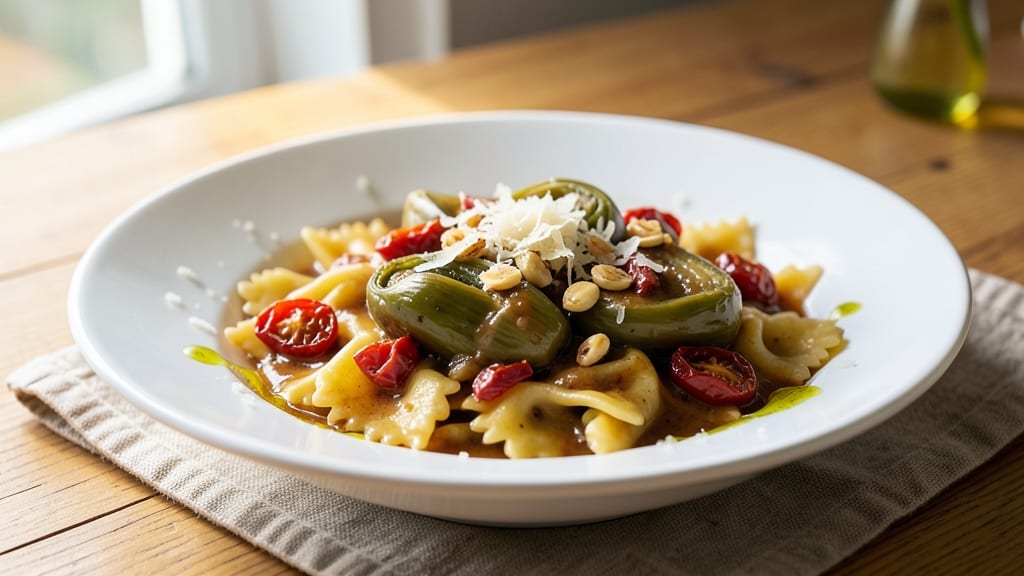
This artichoke pasta sauce recipe transforms humble ingredients into a velvety, herb-infused sauce that elevates any pasta dish to restaurant-quality. The secret lies in blending artichoke hearts with sun-dried tomatoes and garlic, creating a rich, umami-packed base that simmers into silky perfection.
Unlike store-bought versions, this sauce delivers depth and complexity with just a few pantry staples and 20 minutes of active time.
The sauce begins with sautéed garlic and olive oil, where the aromas deepen before adding jarred artichoke hearts and sun-dried tomatoes—both packed with concentrated flavor. A splash of pasta water binds everything together, while a sprinkle of Parmesan (or nutritional yeast for vegan) adds a luxurious finish.
What sets this sauce apart is its versatility: toss it with al dente pasta, drizzle over grilled chicken, or use it as a marinade for seafood.
What you’ll end up with is a sauce that’s smooth yet textured, with bright artichoke notes balanced by the tang of sun-dried tomatoes and the richness of Parmesan. The sauce clings beautifully to pasta, coating each strand in a creamy, herby embrace that’s impossible to resist.
It’s the kind of sauce that turns a simple weeknight dinner into something memorable.
Best of all, this sauce keeps well in the fridge for up to 5 days, making it perfect for meal prep. Double the batch and store it for quick, flavorful meals all week. Let’s get cooking!
Ingredients for artichoke pasta sauce
Eleven ingredients combine to create a restaurant-worthy artichoke pasta sauce with velvety texture and vibrant flavor.
| Ingredient | Amount | Notes |
|---|---|---|
| Extra-Virgin Olive Oil 🫒 | ½ cup | High-quality, fruity variety |
| Garlic Cloves 🧄 | 4 cloves | Freshly minced for aroma |
| Jarred Artichoke Hearts 🌿 | 1 cup | Drained, chopped if large |
| Sun-Dried Tomatoes 🍅 | ½ cup | Oil-packed, chopped finely |
| Pasta Water 💧 | 1 cup | Reserved from cooking pasta |
| Parmesan Cheese 🧀 | ½ cup | Freshly grated from block |
| Vegetable Broth 💧 | ½ cup | Low-sodium preferred |
| Fresh Basil Leaves 🌿 | ¼ cup | Chopped, stems removed |
| Lemon Juice 🍋 | 1 tbsp | Freshly squeezed |
| Salt 🧂 | 1 tsp | Diamond Crystal preferred |
| Black Pepper 🌶️ | ½ tsp | Freshly ground |
The quality of your olive oil and Parmesan makes all the difference here. Look for extra-virgin olive oil with a harvest date within the last year—the fruity, peppery notes elevate the sauce. For Parmesan, skip the pre-grated; grating a wedge yourself yields finer, more flavorful results. Artichoke hearts should be jarred in water, not oil, for a cleaner taste. Whole Foods or specialty markets often carry higher-quality sun-dried tomatoes in oil—worth the splurge for concentrated flavor. Fresh basil is non-negotiable; dried simply can't replicate its brightness, though you can use it at half the amount in a pinch.
No sun-dried tomatoes? Substitute with 0.25 cup roasted red peppers for a milder flavor profile. Running low on Parmesan? Pecorino Romano works beautifully and has a sharper bite. The vegetable broth can be swapped for white wine (0.5 cup) plus 0.25 cup water for a more complex sauce. For a vegan version, replace the Parmesan with 0.5 cup nutritional yeast and add 1 tbsp white miso paste for depth. The lemon juice is crucial for brightness—bottled works but fresh is ideal. If your artichokes are particularly fibrous, blend the sauce briefly for a smoother consistency, then adjust with pasta water as needed.
This sauce freezes exceptionally well—portion into ice cube trays for perfect single-serving additions to future meals. Store in the fridge for up to 5 days in an airtight container, covered with a thin layer of olive oil to preserve freshness. For meal prep, double the batch and freeze half immediately; thaw overnight in the fridge before reheating. The sauce thickens as it cools, so always stir in a splash of pasta water or broth when reheating. Garnish with fresh basil and a drizzle of olive oil just before serving to maintain its vibrant appearance.
Why You'll Love This Recipe
- Fridge-to-Table Magic: I swear by this sauce—no chopping, no fuss. Just drain those jarred artichokes (no need to trim them), toss them with sun-dried tomatoes straight from the jar, and let the olive oil and garlic work their magic in one pan. Honestly, it’s the kind of meal I make when I’m too tired to think.
- Umami Bomb: That first bite? Crispy artichoke edges, briny sun-dried tomatoes, and garlic so fragrant it’ll make your kitchen smell like a Tuscan market. The pasta water thickens it just enough to cling—no heavy cream, no weird aftertaste. Just pure, salty, savory goodness.
- Leftovers That Lie: Between us, this sauce tastes better the next day. The flavors meld into this deep, rich coating that’s perfect for lunchboxes or a quick reheat. I double the batch every time because I know I’ll be eating it for days—no sad, dried-out pasta here.
- Budget Bright Spot: Artichokes in a jar? Sun-dried tomatoes? Those are my pantry’s secret weapons for fancy-feeling meals without the grocery shock. I stretch this sauce over gluten-free pasta when I’m broke, or toss it with leftover roasted chicken when I’m lazy. It’s my go-to for making simple ingredients feel special.
Step-by-step instructions for artichoke pasta sauce
Here's how to craft a velvety artichoke sauce with sun-dried tomato depth and Parmesan richness.
Sauté Aromatics Until Fragrant
Heat the 0.5 cup extra-virgin olive oil in a medium saucepan over medium heat. Add the 4 cloves minced garlic cloves and cook for 1-2 minutes until they turn golden and release their aroma. This step is crucial—garlic should never burn, as it turns bitter. Keep the heat at medium to prevent scorching while allowing the garlic to develop its signature sweetness.
Next, add the 1 cup chopped jarred artichoke hearts and 0.5 cup finely chopped sun-dried tomatoes. Stir gently and cook for 3-4 minutes until the artichokes begin to soften slightly. The tomatoes will release their oil, intensifying their flavor. If the mixture starts to stick, add 1 tablespoon of vegetable broth to help deglaze and keep everything moving smoothly.
Build the Sauce Base with Broth and Pasta Water
Pour in the 0.5 cup vegetable broth and bring the mixture to a gentle simmer. Let it cook for 5 minutes until the liquid reduces by about half, concentrating the flavors. This reduction is key to achieving a thick, velvety texture. If the sauce becomes too thick before the time is up, add 1-2 tablespoons of pasta water to loosen it.
Now, stir in the 1 cup reserved pasta water and 0.5 cup freshly grated Parmesan cheese. The pasta water is essential here—it carries the starchy goodness that helps emulsify the sauce, giving it that signature cling. The Parmesan should melt smoothly into the sauce, creating a creamy, cheesy base. If the sauce separates, whisk vigorously to recombine the ingredients.
Finish with Acid and Herbs for Brightness
Reduce the heat to low and stir in the 1 tablespoon freshly squeezed lemon juice and 0.25 cup chopped fresh basil leaves. The lemon juice brightens the sauce, cutting through the richness of the Parmesan and sun-dried tomatoes. The basil adds a fresh, aromatic finish that ties everything together. Let the sauce simmer for 1-2 minutes to allow the flavors to meld.
Season generously with 1 teaspoon salt and 0.5 teaspoon freshly ground black pepper. Taste and adjust the seasoning—you may need a bit more salt to balance the acidity of the lemon and the richness of the Parmesan. The sauce should be thick enough to coat the back of a spoon but still flow smoothly. If it’s too thick, add more pasta water 1 tablespoon at a time until it reaches your desired consistency.
Toss with Cooked Pasta
Remove the sauce from heat and immediately toss it with your cooked pasta. The residual heat from the pasta will help the sauce cling to each strand. If the sauce is too thick, add a splash of pasta water to loosen it further. Garnish with additional chopped basil leaves and grated Parmesan cheese for extra flavor and presentation.
Serve the artichoke pasta sauce immediately while it’s warm and velvety. The sauce should coat the pasta beautifully, with a rich, creamy texture and a perfect balance of tangy, herby, and umami flavors. This sauce works equally well with spaghetti, linguine, or even penne—just adjust the amount of sauce to your preference.
Pro Tips For Making Artichoke Pasta Sauce
- Drain Pasta, Save Water: Don’t toss that starchy pasta water—it’s liquid gold for this sauce. Reserve at least 1 cup while draining, then stir it in at the end to bind everything together and add silkiness. (Yes, even if you’re impatient like me, resist the urge to rinse.)
- Sweat Garlic Low and Slow: High heat burns garlic faster than you can say “bitter flavor.” Cook the cloves in olive oil over medium-low until just fragrant—about 2-3 minutes—so they soften without turning brown. Browned garlic? That’s a shortcut to regret.
- Chop Sun-Dried Tomatoes Fine: Whole or thick strips of sun-dried tomatoes won’t blend into the sauce—they’ll just sit like awkward guests. Pulse them in a food processor or chop them into tiny pieces so they dissolve into the oil and artichokes, creating a rich, umami base. (Your future self will notice the difference.)
- Deglaze with Pasta Water: After cooking the garlic and artichokes, splash in hot pasta water instead of plain water or wine. The starch clings to the pan, lifting flavors off the bottom and giving the sauce instant body. Skip this, and you’ll end up with a thin, sad sauce.
Dietary considerations for these flavors
Gluten-Free Adaptation
This artichoke pasta sauce is naturally gluten-free as long as you use gluten-free pasta and verify all ingredients. The jarred artichoke hearts, sun-dried tomatoes, and vegetable broth should be certified gluten-free brands like Whole Foods 365 or Annie's.
For extra safety, check labels on Parmesan cheese—some brands use gluten-containing anti-caking agents. I always opt for Barilla gluten-free pasta or De Cecco gluten-free spaghetti for the best texture. 🌾
Vegan Version
To make this sauce vegan, simply replace the Parmesan cheese with ½ cup nutritional yeast and add 1 tablespoon white miso paste for depth. The nutritional yeast provides that cheesy umami flavor while keeping it plant-based. I also recommend adding 1 tablespoon olive oil to help emulsify the sauce better.
The lemon juice and fresh basil remain essential for brightness. This version works beautifully with vegan pasta like Lundberg Organic Brown Rice Pasta. 🌱
Low-Carb Option
For a low-carb version, skip the pasta entirely and serve this sauce with zucchini noodles or shirataki noodles. The artichoke and sun-dried tomato flavors shine even more when paired with these lighter bases. I love using spiralized zucchini for a fresh, low-calorie option.
You can also drizzle the sauce over grilled chicken or shrimp for a protein-rich meal. Just reduce the vegetable broth to ¼ cup to keep the sauce thicker for coating. 🥦
Allergen-Friendly
If you're avoiding dairy, the vegan version above works perfectly. For nut allergies, ensure all ingredients are nut-free—most jarred artichokes and sun-dried tomatoes are nut-free, but always double-check labels. For soy allergies, use a soy-free miso paste or omit it entirely.
I recommend San Marzano tomatoes and Whole Foods organic artichokes for their clean ingredient profiles. Always keep a separate set of utensils and cutting boards if cross-contamination is a concern. 🛡️
Dairy-Free Substitutes
Beyond nutritional yeast, you can use vegan Parmesan like Follow Your Heart brand for a closer texture. For extra richness, stir in 1 tablespoon cashew cream (blended soaked cashews with water) at the end. The sauce will still be creamy and flavorful.
I find that adding ½ teaspoon apple cider vinegar helps balance the flavors when omitting dairy. This approach works well for lactose-intolerant individuals or those avoiding dairy for other reasons. 🧀
Nutrition facts
Frequently asked questions
Can I use fresh artichokes instead of jarred hearts?
Fresh artichokes work but require extra prep! Trim the tough outer leaves, remove the choke, and steam or boil for 15-20 minutes until tender. You'll need about 3-4 medium artichokes to equal 1 cup jarred hearts. For best results, chop the cooked artichokes finely before adding to the sauce.
How do I prevent the sauce from separating?
The key is the pasta water—it contains starch that helps emulsify the sauce. If separation happens, whisk vigorously while adding 1-2 tablespoons of warm pasta water at a time. For extra insurance, blend the sauce briefly before adding Parmesan, or stir in 1 teaspoon cornstarch mixed with 1 tablespoon water.
What's the best pasta shape for this sauce?
This creamy sauce works best with ridged pasta shapes like penne, fusilli, or cavatappi—the grooves help it cling beautifully. For smooth pastas like spaghetti or linguine, toss the sauce with 1 tablespoon olive oil first to help it adhere. If using gluten-free pasta, cook it 1 minute less than package instructions to prevent mushiness.
Can I make this sauce ahead of time?
This sauce tastes even better the next day. Store in an airtight container in the fridge for up to 5 days. Reheat gently on the stove with a splash of water or broth, stirring constantly. For freezing, portion into ice cube trays, then transfer to a bag—thaw overnight in the fridge before using.
What if I don't have sun-dried tomatoes?
No problem! Use 0.25 cup roasted red peppers for a milder flavor or 0.25 cup tomato paste for extra richness. For brightness, add 1 teaspoon balsamic vinegar or an extra 0.5 teaspoon lemon juice. The artichoke flavor will still shine—just adjust seasoning to taste after cooking.