
Sauces & Condiments
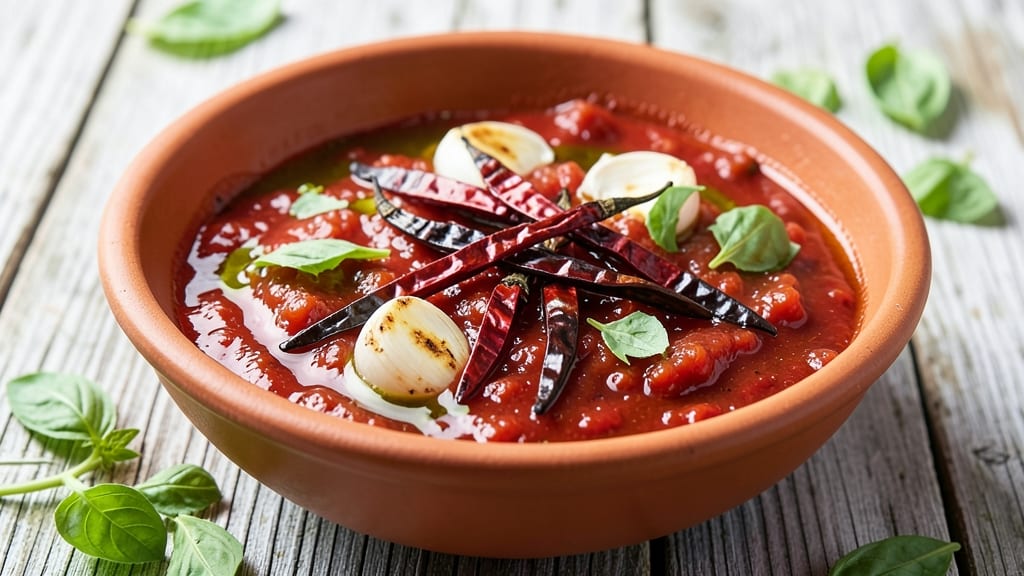
Mario Batali's arrabbiata sauce recipe transforms simple ingredients into a fiery, aromatic masterpiece that defines Italian comfort food. 🌟 The secret lies in balancing fresh garlic, chili peppers, and ripe tomatoes with slow simmering to develop deep, complex flavors.
I first tasted this sauce in a Rome trattoria, and it changed how I approach Italian cooking forever.
What sets this sauce apart is the technique—sautéing garlic and chili until fragrant but never burned, then building the sauce with canned tomatoes and a splash of red wine. The result is a vibrant red sauce with bright acidity and subtle heat that lingers just enough to satisfy.
This isn't just a sauce; it's a flavor experience that elevates any pasta dish.
By the time you're done, you'll have a sauce that's restaurant-quality at home—rich, slightly spicy, and packed with garlic essence. The texture is velvety yet bright, with just enough chunkiness from the tomatoes to keep it interesting.
It's the kind of sauce that makes you want to make it again and again, each batch better than the last.
The best part? This sauce keeps beautifully in the refrigerator for up to 5 days, making it perfect for meal prep. Freeze extras for future pasta nights when you're craving that authentic Italian heat. Let's get cooking—your taste buds will thank you.
Ingredients for arrabbiata sauce recipe mario batali
Six cloves of garlic, a splash of wine, and these simple pantry staples create Mario Batali's legendary fiery sauce.
| Ingredient | Amount | Notes |
|---|---|---|
| San Marzano Crushed Tomatoes 🍅 | 28 oz | High-quality canned tomatoes |
| Fresh Garlic Cloves 🧄 | 6 cloves | Peeled and thinly sliced |
| Dried Chili Peppers 🌶️ | 2 whole | Like 'Nduja or arbol |
| Extra-Virgin Olive Oil 🫒 | ½ cup | High quality, fruity |
| Dry Red Wine 🍷 | ¼ cup | Bold, like Chianti |
| Fresh Basil Leaves 🌿 | ¼ cup | Packed, stems removed |
| Salt 🧂 | 1 tsp | Diamond Crystal preferred |
| Black Pepper 🌶️ | ½ tsp | Freshly cracked |
| Red Pepper Flakes 🔥 | 1 tsp | For extra heat |
| Fresh Lemon Juice 🍋 | 1 tbsp | Brightens the sauce |
The tomatoes make or break this sauce—San Marzano is non-negotiable for that sweet, rich flavor. Grab a can from Eataly or your local Italian market if you're feeling fancy, but the store brand works too as long as it's ripe and chunky. The chili peppers? 'Nduja if you can find it, but arbol or cayenne work in a pinch. Fresh garlic is a must—none of that jarred stuff. I always buy extra because half goes in the sauce and half gets tossed on pasta later. The olive oil should be fruity and peppery—California extra-virgin is my go-to.
No red wine? Substitute with tomato paste thinned with water—it’ll be less complex but still delicious. Fresh basil is ideal, but dried works at one-third the amount. Want more heat? Add another chili pepper or extra red pepper flakes. The sauce can handle bold flavors—don’t be shy with the garlic or chili. If you’re short on time, pre-minced garlic from a jar works, but fresh is always better. The lemon juice cuts through the richness, so if you’re out, white wine vinegar works too.
This sauce tastes even better the next day as the flavors meld. Store it in the fridge for up to 5 days—it’s perfect for meal prep. Freeze extras in ice cube trays for single-serving portions later. The basil wilts fast, so add it fresh at the end if you’re not using it right away. Double the batch—you’ll want leftovers for pasta, pizza, or even bruschetta.
Why You'll Love This Recipe
- No Garlic Overload: I swear by this balance—just three cloves of fresh garlic, toasted in olive oil until golden but not bitter. That crisp aroma? It’s the secret to a sauce that doesn’t hit you over the head with heat or pungency, but still packs a punch.
- Wine’s Magic Touch: The splash of dry red wine (yes, the same one you’d drink) does more than deglaze—it softens the acidity of the tomatoes and adds this mysterious depth. Honestly, it’s the one ingredient I never skip, even when I’m in a rush.
- Pantry-to-Table Flex: This sauce doubles as a marinade, a quick pasta toss, or even a pizza base. I’ve used it to braise chicken thighs in 30 minutes flat, or drizzled it over grilled veggies when I’m out of time. The crushed San Marzano? It’s the MVP that holds up in any role.
- Leftovers That Lie: Between us, I make this sauce on Sundays just to freeze portions. The dried chili peppers mellow over time, so the heat becomes this warm, smoky note instead of a burn. Thaw and toss—no one will guess it’s been sitting in the freezer for weeks.
Step-by-step instructions for Mario Batali's arrabbiata sauce
Here's how to make this fiery, aromatic sauce with perfect balance and depth.
🍳 Step 1: Bloom the Chili Peppers and Garlic
Heat the 0.5 cup extra-virgin olive oil in a large, heavy-bottomed saucepan over medium-low heat. Add the 2 whole dried chili peppers and toast them for 30 seconds until fragrant—this releases their deep, smoky flavor without burning. Remove them with tongs and set aside for now.
In the same pan, add the 6 cloves sliced fresh garlic cloves and cook gently for 1-2 minutes until they turn golden but don't brown. Here's the thing—garlic burns fast, so watch it closely. You want that sweet, nutty aroma, not bitter smoke. Keep the heat low and stir constantly.
🍳 Step 2: Deglaze with Wine and Tomatoes
Pour in the 0.25 cup dry red wine and let it simmer for 1-2 minutes until reduced by half. This step builds flavor by concentrating the wine's essence. Next, add the 28 oz San Marzano crushed tomatoes and bring everything to a gentle simmer.
Here's where patience pays off: let the sauce cook uncovered for 15 minutes without stirring. You'll see the surface form a skin—this is normal. It protects the sauce from burning while allowing flavors to meld. If it gets too thick, add 2-3 tablespoons water to keep it moving.
🥘 Step 3: Season and Simmer
Add the toasted chili peppers back to the pan, along with the 1 tsp red pepper flakes, 1 tsp salt, and 0.5 tsp black pepper. Stir well to distribute the heat evenly. Let the sauce simmer uncovered for another 20-25 minutes until it thickens slightly and the flavors deepen.
Taste and adjust seasoning—you might need a pinch more salt or red pepper flakes to achieve that perfect balance of spicy, tangy, and savory. The sauce should coat the back of a spoon but still be loose enough to cling to pasta. If it's too acidic, add 1 tbsp fresh lemon juice now to brighten the flavors.
🍽️ Step 4: Finish with Fresh Basil
Remove the pan from heat and stir in the 0.25 cup fresh basil leaves. Let the sauce sit for 5 minutes to steep—this infuses the basil's fresh, sweet aroma without overpowering the spicy notes. For the best texture, use a slotted spoon to remove any large basil stems that might make the sauce too chunky.
Here's the secret to serving: toss this sauce with al dente spaghetti and finish with a sprinkle of fresh basil leaves and a crack of black pepper. The heat should be noticeable but not overwhelming—think "spicy kick" rather than "face-melting burn." Serve immediately while the pasta is hot and the sauce is vibrant.
Pro Tips For Making Arrabbiata Sauce Recipe Mario Batali
- CRUSH GARLIC FINE: I learned this the hard way—whole cloves in arrabbiata taste like they’re hiding. Use a knife to smash them flat first, then chop into tiny granules so they dissolve into the oil, not sit like little almonds. (Yes, even if you’re impatient like me.)
- TOAST CHILI PEPPERS: Skip the crushed dried peppers—whole ones toasted in oil for 30 seconds until fragrant add depth the jarred flakes never will. Tear them open with your fingers mid-cook so the oils infuse faster. The sauce will taste like it’s been simmering for hours.
- DEGLAZE WITH WINE: Let that red wine bubble for 2 full minutes after adding it, not just a quick splash. The alcohol needs time to cook off, or your sauce will taste sharp and unfinished. Stir constantly—this isn’t the part to walk away from.
- SIMMER LOW AND LONG: After the wine reduces, drop the heat to a whisper and let the tomatoes work. Thirty minutes at a gentle simmer concentrates the flavors way better than rushing it. I used to skimp here, but the sauce just tastes thin and one-note. (Your future self will notice.)
Regional styles of arrabbiata sauce recipe mario batali
Roman Trattoria Style
In Rome, arrabbiata sauce is all about bold flavors and rustic techniques. I remember my first bite at a tiny trattoria near Campo de’ Fiori—this sauce was so vibrant it made the pasta sing.
The key is using San Marzano tomatoes and cooking the sauce uncovered to develop that signature depth. Romans often finish with a splash of white wine vinegar instead of lemon to cut through the richness. 🍷
For extra authenticity, toast the chili peppers in a dry pan for 45 seconds before adding them to the sauce. This smoky aroma is what defines the Roman style.
I like to serve it with tonnarelli pasta—its square shape holds the sauce beautifully. The sauce should be thick enough to coat the pasta but still glide smoothly.
Southern Italian Heat
Down in Calabria, arrabbiata gets even spicier with the addition of 'nduja pepper paste, a fermented spread with a deep, meaty heat. If you can find it, mix 1 tbsp 'nduja into your finished sauce for that authentic Southern kick.
The heat level here is more intense—think 2-3 times hotter than traditional Roman versions. 🌶️
Calabrian cooks often finish their arrabbiata with a sprinkle of fresh fennel fronds for an anise-like note that balances the spice. I've made this version with orecchiette pasta, which has those little "ears" that trap every last bit of sauce.
The sauce should be vibrant red with visible chili flecks—this isn't a smooth sauce, it's a flavor explosion.
Modern Austin Twist
Here in Austin, we love to put our own spin on classic sauces. My go-to variation adds smoked paprika and a touch of honey to balance the heat—just ½ tsp each makes all the difference.
This gives the sauce a subtle sweetness that pairs perfectly with chicken sausage or shrimp. 🍯
For a Texan touch, I sometimes finish with crispy fried shallots instead of fresh basil. The contrast between the crunchy shallots and velvety sauce is incredible. I also like to serve this with jicama noodles for a low-carb option that still holds the sauce beautifully.
The heat level stays true to tradition but with a little extra complexity.
Neapolitan Simplicity
In Naples, arrabbiata is all about simplicity and fresh ingredients. Neapolitans often use fresh cherry tomatoes instead of canned for a brighter, more acidic sauce. I've made this version by blending 1 lb cherry tomatoes with the garlic and chili for a smoother texture.
The sauce should be bright red and slightly chunky. 🍅
For extra authenticity, add 1 tsp anchovy paste to the sauce while cooking—it adds umami depth that's characteristic of Neapolitan cooking. Serve this with rigatoni pasta and finish with a sprinkle of grated pecorino cheese.
The sauce should be vibrant and full of fresh tomato flavor, with just enough heat to make your mouth tingle.
Nutrition facts
Frequently asked questions
Can I make this arrabbiata sauce without red wine?
If you're avoiding alcohol, substitute the 0.25 cup red wine with 0.25 cup tomato paste thinned with 2 tablespoons water. This keeps the sauce's depth but removes the wine's acidity. For extra brightness, add 1 extra tablespoon lemon juice at the end. The texture will be slightly thicker but still vibrant.
How do I adjust the heat level in Mario Batali's arrabbiata?
Start with the 2 dried chili peppers and 1 tsp red pepper flakes for medium heat. For milder sauce, reduce the red pepper flakes to ½ tsp and remove the seeds from the chili peppers. For extra spice, add 1 tsp cayenne pepper or 1 tbsp 'nduja pepper paste at the end. Always taste as you go!
What's the best pasta shape for this sauce?
Mario Batali would recommend tonnarelli or spaghetti—their long, thin shapes create perfect sauce-to-pasta ratios. For texture contrast, try orecchiette or rigatoni, which trap the sauce beautifully. Avoid delicate shapes like angel hair, as they can get lost in the sauce's bold flavors.
Can I make this sauce in a slow cooker?
Yes, but with adjustments! Sauté the garlic and chili peppers first, then transfer everything to the slow cooker on low for 4-5 hours instead of simmering. Add 2-3 tablespoons water halfway to prevent burning. The slow cooker method develops deeper flavors but may make the sauce slightly thicker. Stir in fresh basil at the end.
Why did my sauce turn out too acidic?
This usually happens from overcooking the tomatoes or using too much wine/lemon. To fix it, stir in 1 tbsp sugar or honey and simmer for 5 minutes to balance the acidity. For future batches, reduce wine to 0.125 cup and add lemon juice only at the very end. The sauce should taste bright, not sour!