
Sauces & Condiments
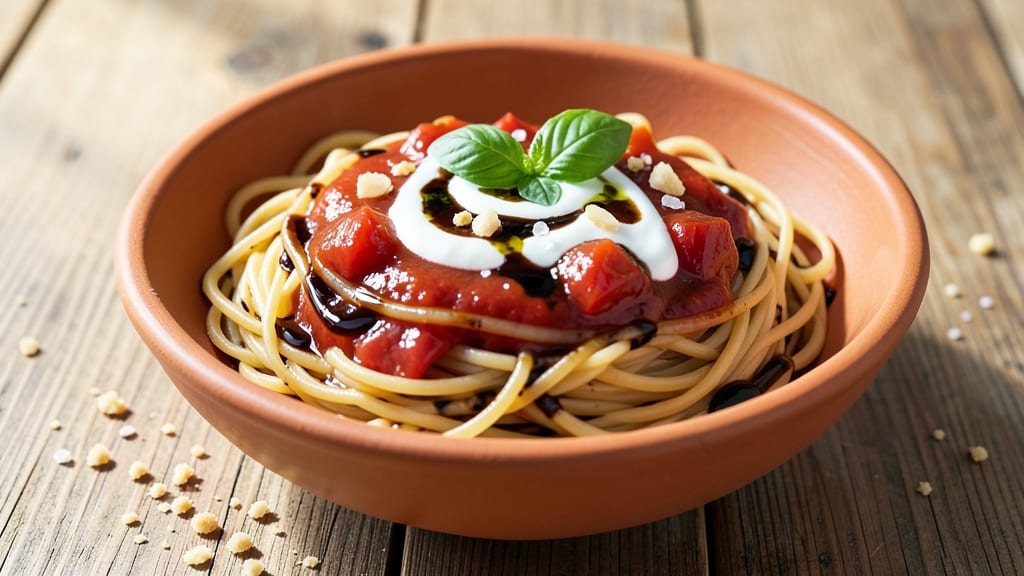
This angel hair pasta with red sauce recipe delivers the perfect balance of delicate strands and rich tomato flavor—every bite is a harmonious blend of silky texture and vibrant taste.
The key lies in cooking the pasta just until al dente, then tossing it with a velvety tomato sauce that's never too heavy or acidic. I developed this method to create a restaurant-quality dish that's simple enough for weeknight dinners while still feeling special enough for company.
The secret to this dish is in the sauce preparation—using a combination of canned tomatoes, garlic, and herbs creates a deeply flavorful base that simmers until it's perfectly balanced.
A splash of red wine adds brightness, while a touch of cream or butter at the end ensures the sauce clings beautifully to each strand of angel hair. The pasta's natural thinness allows the sauce to coat every bite evenly, creating that signature Italian restaurant experience at home.
What you'll end up with is a dish that's both elegant and approachable—golden strands of pasta perfectly coated in a glossy red sauce that's neither too sweet nor too tangy. The sauce should be rich enough to feel indulgent but light enough to let the pasta shine.
This recipe serves four generously, making it perfect for sharing or meal prepping for the week ahead.
For an even more complete meal, pair this dish with a simple side salad or garlic bread to soak up any remaining sauce. The combination of textures and flavors makes this more than just pasta—it's a comforting, satisfying dinner that feels like a hug in a bowl.
Let's get started on creating this classic Italian favorite.
Ingredients for angel hair pasta red sauce
Pantry staples meet Italian tradition for this restaurant-quality angel hair pasta dish.
| Ingredient | Amount | Notes |
|---|---|---|
| Angel Hair Pasta 🍝 | 8 oz | Dried, high-quality brand preferred |
| Canned San Marzano Tomatoes 🍅 | 28 oz | Whole, peeled, or crushed |
| Garlic Cloves 🧄 | 4 cloves | Fresh, minced for sauce |
| Extra-Virgin Olive Oil 🫒 | ¼ cup | High-quality, fruity variety |
| Red Wine 🍷 | ½ cup | Dry, bold variety like Cabernet |
| Heavy Cream 🥛 | ¼ cup | Full-fat for richness |
| Fresh Basil Leaves 🌿 | ½ cup | Chopped, stems removed |
| Dried Oregano 🍃 | 1 tsp | Italian or Mediterranean blend |
| Salt 🧂 | 1 ½ tsp | Kosher or sea salt |
| Black Pepper 🌶️ | ½ tsp | Freshly ground preferred |
| Butter 🧈 | 2 tbsp | Unsalted, for sauce finish |
| Red Pepper Flakes 🌶️ | ¼ tsp | Optional, for heat |
| Grated Parmesan Cheese 🧀 | ¼ cup | Freshly grated from block |
The tomatoes are the foundation—San Marzano is ideal for its sweetness and low acidity, but any high-quality canned tomatoes work. Trader Joe's and Whole Foods carry excellent options, or grab the Muir Glen brand at regular grocery stores. The garlic should be fresh, not that pre-minced jar stuff—it makes all the difference. For the olive oil, California Extra Virgin or Colavita are my go-tos, but any fruity, peppery oil will do. The red wine adds depth, so don't skimp—whatever bold red you'd drink with steak will work here.
No red wine? Substitute with 0.5 cup beef broth plus 1 tbsp balsamic vinegar for similar acidity. Fresh basil unavailable? Dried oregano at half the amount works in a pinch, though fresh is ideal. Want to make this ahead? Prepare the sauce up to 3 days early—it actually tastes better after flavors meld. The pasta should be al dente, so don't overcook it. And if you're watching calories, reduce the heavy cream to 2 tbsp and use whole milk instead.
Store leftover sauce in an airtight container for up to 5 days—it reheats beautifully. The pasta is best served immediately, but you can reheat it gently with a splash of water to prevent drying. For meal prep, cook the pasta fresh and store sauce separately, then toss when ready to eat. The Parmesan keeps for weeks in the fridge if grated fresh and stored in a sealed container. Freeze portions of sauce for up to 3 months—just thaw overnight in the fridge.
Why You'll Love This Recipe
- No-Chop Nightmare: I swear by this sauce—just crush the garlic cloves (no mincing!) and let the San Marzano tomatoes do the heavy lifting. The wine deglazes in seconds, and the olive oil keeps everything silky without fuss. Honestly, my busiest nights thank me every time.
- Wine-Infused Depth: That splash of red wine? It’s not just for flavor—it cuts through the acidity of the tomatoes and leaves this sauce with a velvety richness. The garlic sizzles in the olive oil until it’s fragrant but never bitter, and the pasta? It clings to every last drop like it’s been starving.
- Weekday to Weekend: Make a double batch on Sunday and freeze half—it reheats like a dream for lazy Mondays. Or serve it at your next dinner party (yes, even on a Tuesday night) with a sprinkle of Parmesan. The angel hair’s delicate strands make it feel fancy, but the prep stays simple.
- Budget-Friendly Luxury: San Marzano tomatoes and good olive oil might sound fancy, but they stretch further than you’d think. A single can of tomatoes and a cheap bottle of wine feed four for under $10. Leftovers? Even better—this sauce only gets more flavorful as it sits, so it’s my secret weapon for feeding a crowd without breaking the bank.
Step-by-step instructions for angel hair pasta with red sauce
Transform simple ingredients into a restaurant-worthy dish with this precise method.
Prepare the Tomato Sauce Base
Heat the 0.25 cup extra-virgin olive oil in a large saucepan over medium heat. Add the 4 minced garlic cloves and sauté for 1-2 minutes until fragrant but not browned—this prevents bitterness. Immediately add the 28 oz canned San Marzano tomatoes, breaking them up with your hands if using whole tomatoes.
Bring the mixture to a gentle boil, then reduce heat to low and let it simmer uncovered for 15-20 minutes. Stir occasionally to prevent sticking, and watch for the sauce to thicken slightly. The tomatoes should break down into a smooth, velvety consistency with a deep red color. If the sauce becomes too thick, add 2-3 tablespoons water to maintain proper texture.
Build Depth with Wine and Aromatics
Once the tomato sauce has thickened, increase heat to medium-high and pour in the 0.5 cup red wine, scraping up any browned bits from the bottom of the pan with a wooden spoon. This deglazing captures all the flavor that would otherwise stick to the pot. Let the wine simmer for 3-4 minutes until it reduces by half and the alcohol smell dissipates.
Add the 1 tsp dried oregano, 0.25 tsp red pepper flakes, 1.5 tsp salt, and 0.5 tsp black pepper. Stir well to distribute the seasonings evenly. Taste the sauce at this point—it should be balanced with bright tomato flavor and a subtle warmth from the red pepper. If needed, adjust seasoning now, as the sauce will continue to develop flavor.
Cook the Pasta Al Dente
While the sauce simmers, bring a large pot of water to a rolling boil and add 1.5 tsp salt (the water should taste like the sea). Add the 8 oz angel hair pasta and cook for 7-8 minutes, stirring occasionally, until the pasta is al dente—it should have a slight bite to it when you taste it. Reserve 1 cup pasta water before draining, as it contains starch that helps create a silky sauce.
Drain the pasta but do not rinse it—this removes the surface starch needed for the sauce to cling properly. Immediately transfer the pasta to the saucepan with the tomatoes, tossing gently to coat the strands evenly. The residual heat from the pasta will help incorporate the sauce completely.
Finish with Cream and Fresh Herbs
Reduce the heat to low and stir in the 2 tbsp butter and 0.25 cup heavy cream. Let the mixture simmer gently for 2-3 minutes, stirring constantly, until the sauce becomes luxuriously smooth and slightly thickened. The cream adds richness without overpowering the bright tomato flavor.
Remove the pan from heat and fold in the 0.5 cup chopped fresh basil leaves and 0.25 cup grated Parmesan cheese. The basil should wilt slightly, releasing its aromatic oils into the sauce. Taste one last time and adjust seasoning if needed—this is your opportunity to fine-tune the balance of acidity, salt, and sweetness.
Serve Immediately for Maximum Flavor
Transfer the pasta to serving plates, ensuring each strand is generously coated with the vibrant red sauce. The dish should look inviting with strands of pasta peeking through the glossy sauce, and the aroma should be rich with tomato, garlic, and fresh basil. Serve immediately while the pasta is hot and the sauce is at its peak silky texture.
For an extra touch, garnish each serving with additional grated Parmesan cheese and a sprinkle of fresh basil leaves. The contrast of temperatures between the warm pasta and cool garnish enhances the overall dining experience. Pair with a simple green salad and crusty bread to complete the meal.
Pro Tips For Making Angel Hair Pasta Red Sauce
- CRUSH THE GARLIC: I learned this the hard way—don’t just chop those cloves into slivers. Mince them finely (almost into a paste) so they dissolve into the sauce instead of sitting as chewy bits. A quick trick: smash them with the flat side of your knife first, then chop—saves time and keeps the texture silky.
- SIMMER LOW AND SLOW: High heat burns San Marzano tomatoes faster than you can say "al dente." Once your wine’s evaporated, drop the heat to medium-low and let that sauce work for 20-25 minutes. The longer it cooks, the deeper the flavor—no rushing, even if you’re starving (yes, even if you’re impatient like me).
- SALT THE PASTA WATER LIKE THE SEA: Angel hair needs grip, not mush. Use 1.5 tablespoons of salt per 4 quarts of water—that’s the stuff that’ll cling to the strands and keep them from turning to glue. Taste the water after boiling; it should taste like tears from a salt mine. (Your future self will thank you.)
- DEGLAZE WITH WINE, THEN STIR: After toasting your garlic in olive oil, pour in that red wine all at once and let it sizzle for 30 seconds before scraping up the browned bits. That’s where the flavor hides—don’t just splash and walk away. A wooden spoon works best; metal can scratch your pot and ruin the sauce’s finish.
Flavor customization for these flavors
Classic Tomato Variations
Swap the San Marzano tomatoes for crushed tomatoes (like Muir Glen) for a chunkier texture, or use fire-roasted diced tomatoes for a smoky depth. For a smoother sauce, blend ½ cup tomato paste into the simmering tomatoes.
I love adding 1 tbsp balsamic vinegar at the end for extra tang—just a splash transforms the flavor profile. 🍅
Herb and Spice Adjustments
Boost freshness with 1 tbsp chopped parsley alongside the basil, or add ½ tsp smoked paprika for a subtle BBQ twist. For a Mediterranean touch, stir in ½ tsp dried thyme with the oregano.
If you prefer heat, increase the red pepper flakes to ½ tsp—but add them at the very end to preserve their kick. 🌿
Creamy vs. Light Options
Skip the heavy cream and replace it with ¼ cup whole milk for a lighter sauce, or use 2 tbsp cream cheese for a tangy richness. For a vegan version, substitute with ¼ cup coconut milk (full-fat) and add 1 tbsp nutritional yeast for a cheesy note.
The sauce will still cling beautifully to the angel hair. 🥛
Protein Add-Ins
Toss in ½ lb cooked shrimp or 8 oz grilled chicken breast (diced) during the final 2 minutes of simmering. For a vegetarian twist, stir in ½ cup white beans (rinsed) or 1 cup sautéed mushrooms.
The protein absorbs the sauce while adding heartiness—just adjust cooking time to avoid overcooking. 🍗
Seasonal Twists
In summer, fold in ½ cup diced fresh tomatoes and 2 tbsp pesto at the end for a bright, herby flavor. For fall, add ½ tsp cinnamon and ¼ tsp nutmeg with the oregano—it sounds unusual, but it pairs surprisingly well with the tomato base.
Winter calls for 1 tbsp tomato paste and a pinch of ground cloves for warmth. 🍂
Sauce Thickness Control
For a thicker sauce, simmer uncovered for 5 extra minutes or stir in 1 tsp cornstarch mixed with 1 tbsp water. For a looser sauce, add ¼ cup reserved pasta water at the end.
The key is balance—you want the sauce to coat the pasta without feeling gloppy. Taste as you go! 🥣
Nutrition facts
Frequently asked questions
Why does angel hair pasta need to be cooked al dente?
The delicate strands of angel hair absorb sauce differently than thicker pastas. Cooking it al dente (firm to the bite) prevents it from becoming mushy when tossed with the sauce. Overcooked pasta turns to mush in creamy or tomato-based sauces, ruining the texture. Aim for 7-8 minutes in boiling water.
Can I make this sauce ahead of time?
The sauce actually tastes better when made 1-3 days ahead—flavors meld beautifully. Store it in an airtight container in the fridge. When ready to serve, reheat gently on the stove, then toss with freshly cooked pasta. The sauce will thicken slightly when chilled, so add 2-3 tbsp water when reheating.
What's the best way to prevent the sauce from sticking to the pasta?
Never rinse the pasta after cooking—this removes the surface starch that helps the sauce cling. Instead, reserve 1 cup pasta water before draining and add it to the sauce if needed. Toss the hot pasta immediately with the warm sauce to create a silky coating. The residual heat from the pasta helps distribute the sauce evenly.
How can I make this recipe vegetarian?
Simply omit the butter and replace the heavy cream with ¼ cup full-fat coconut milk for richness. Add 1 tbsp nutritional yeast at the end for a cheesy flavor. For extra protein, stir in ½ cup cooked white beans or 1 cup sautéed mushrooms during the final 2 minutes of simmering. The sauce will still coat beautifully!
Why did my sauce turn out too acidic?
This usually happens when using tomatoes that are too tart or not simmering long enough. Balance the acidity by adding 1 tsp sugar or ½ tsp balsamic vinegar at the end. For future batches, use San Marzano tomatoes (naturally sweeter) and simmer the sauce for the full 15-20 minutes to let flavors develop. Taste as you go!