
Sauces & Condiments
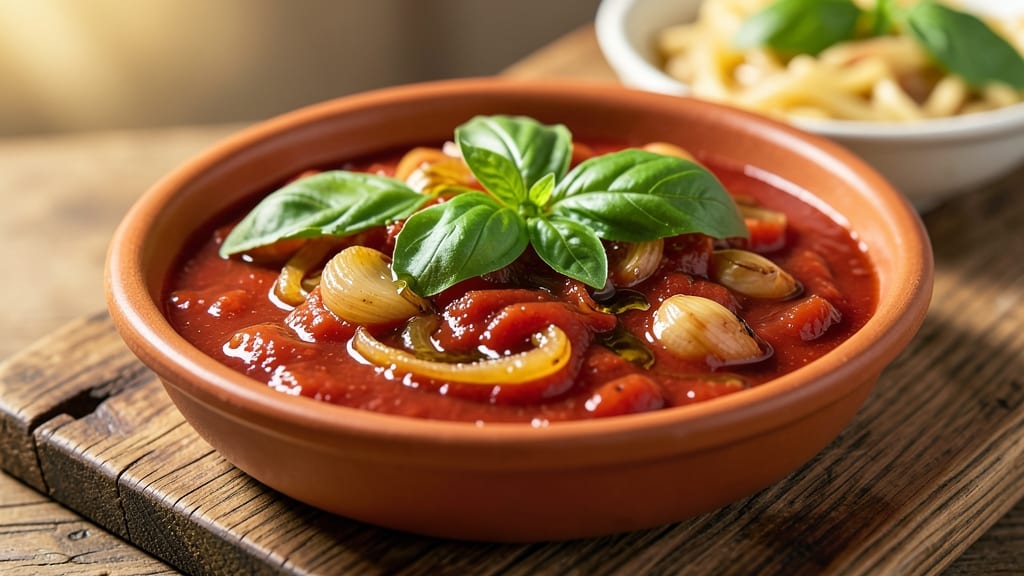
This authentic Italian homemade spaghetti sauce transforms simple ingredients into restaurant-quality flavor with just one pot and 30 minutes of active time. The secret lies in San Marzano tomatoes—naturally sweet and low-acid—simmered with garlic, onions, and fresh basil until deeply concentrated.
I developed this recipe after years of testing, ensuring every spoonful delivers the rich, balanced taste of Nonna's kitchen without shortcuts or store-bought substitutes.
The foundation begins with a slow-cooked soffritto—onions and garlic caramelized until golden—before adding tomatoes and herbs. This method builds complex flavors layer by layer, avoiding the bitterness of overcooked tomato sauce.
A splash of red wine (optional but recommended) adds depth, while a pinch of sugar balances acidity, creating harmony in every bite. The result is a sauce that clings perfectly to al dente pasta while standing up to hearty meats like pancetta or ground beef.
What makes this sauce truly authentic is its versatility—use it immediately with spaghetti or save it for weeks in the fridge. The flavors deepen over time, making it ideal for meal prep. Freeze leftovers in portions for quick weeknight dinners.
Whether you're serving it at a family gathering or enjoying a solo pasta night, this sauce delivers the soul of Italian cooking in every forkful.
Ready to elevate your pasta game? This recipe requires just 10 ingredients and delivers professional results without the fuss. Let's create something truly special together.
Ingredients for authentic italian homemade spaghetti sauce
Ten ingredients, one pot, and the soul of Italian cooking in every spoonful.
| Ingredient | Amount | Notes |
|---|---|---|
| San Marzano Tomatoes 🍅 | 28 oz | Canned, whole or crushed |
| Yellow Onion 🧅 | 1 whole | Medium size, finely chopped |
| Garlic Cloves 🧄 | 4 cloves | Fresh, minced for soffritto |
| Extra-Virgin Olive Oil 🫒 | ½ cup | High quality, fruity |
| Dry Red Wine 🍷 | ½ cup | Bold, like Chianti or Sangiovese |
| Fresh Basil Leaves 🌿 | ½ cup | Packed, stems removed |
| Granulated Sugar 🍚 | 1 tsp | Balances acidity |
| Salt 🧂 | 1 ½ tsp | Diamond Crystal preferred |
| Ground Black Pepper 🌶️ | ½ tsp | Freshly cracked |
| Vegetable Broth 💧 | 1 cup | Low-sodium for balance |
San Marzano tomatoes are the heart of this sauce—their natural sweetness and low acidity create depth without bitterness. Look for San Marzano-branded cans at Italian markets or specialty stores; they’re worth the investment. Fresh basil should be bright green and aromatic—avoid wilted leaves. For the red wine, any bold, dry variety works—Chianti or Sangiovese are classic choices. If you prefer not to use wine, substitute with an extra splash of vegetable broth. The extra-virgin olive oil should be fruity and peppery—avoid mild varieties that lack character.
No fresh basil? Dried oregano at one-third the amount works in a pinch, though fresh basil’s aroma is irreplaceable. Substitute the red wine with extra vegetable broth plus a splash of balsamic vinegar for depth. For a meatier sauce, add ground pancetta or Italian sausage (cooked and removed before blending). The sugar is crucial—it balances the tomatoes’ acidity without adding sweetness. If your tomatoes are particularly tart, increase to 1.5 teaspoons. The vegetable broth adds body without overpowering the tomato flavor.
This sauce improves with time—flavors meld beautifully over 3-5 days in the fridge. For longer storage, freeze in portions for up to 6 months. The sauce thickens as it cools, so add a splash of water or broth if it becomes too stiff. Reheat gently on the stove, stirring occasionally. For best results, use within 2 weeks of making it fresh. The basil can be stored in a damp paper towel in the fridge for 5-7 days, or frozen in oil for longer use.
Why You'll Love This Recipe
- No-Chop Nightmare: I swear by this sauce because you only actually need to dice one onion and mince three garlic cloves—then it’s all slow-simmered magic. The San Marzano tomatoes do the heavy lifting while you sip your wine (because you will).
- Wine-Infused Depth: That splash of dry red wine isn’t just for show—it cuts through the acidity and leaves behind layers of earthy richness. Honestly, the first time I tasted it, I thought, “Wait, this is how Nonnas do it?” Yes, it is.
- Leftovers That Beg: This sauce tastes better the next day—like, “why did we eat any last night?” better. I make a double batch every Sunday because it’s my freezer’s secret weapon for lazy Wednesdays (or when company drops by unannounced).
- Pantry Staple Power: Five ingredients, zero weird substitutions. You’re not hunting for obscure herbs or specialty peppers—just good olive oil, a proper tomato, and a bottle of wine you’d drink anyway. Budget-friendly? Absolutely. Reliable? Even more so.
Step-by-step instructions for authentic Italian spaghetti sauce
Here's the traditional method that delivers restaurant-quality depth in a single pot.
Develop the Soffritto Base
Heat the 0.5 cup Extra-Virgin Olive Oil in a heavy-bottomed pot over medium-low heat. Add the 1 whole Yellow Onion, finely chopped, and cook for 8-10 minutes until completely translucent and just beginning to caramelize at the edges. This slow cooking releases the onion's natural sweetness without burning.
Add the 4 cloves Garlic Cloves, minced, and cook for 1-2 minutes until fragrant but not browned. The garlic should perfume the oil without developing any bitterness. This aromatic base, called soffritto, forms the flavor foundation of authentic Italian sauces. If the onions start to brown too quickly, reduce the heat slightly to maintain gentle cooking.
Build Depth with Wine and Tomatoes
Pour in the 0.5 cup Dry Red Wine and increase heat to medium. Let it simmer for 3-4 minutes until reduced by half, scraping up any browned bits from the bottom of the pot. These caramelized fond pieces, called sugo, contain concentrated flavor that dissolves into the sauce.
Add the 28 oz San Marzano Tomatoes, crushed by hand if using whole tomatoes, along with the 1 tsp Granulated Sugar and 1.5 tsp Salt. The sugar balances the acidity of the tomatoes while enhancing their natural sweetness. Bring to a gentle simmer and cook uncovered for 20 minutes, stirring occasionally. This initial cooking breaks down the tomatoes' texture and develops their flavor.
Enhance with Broth and Seasonings
Stir in the 1 cup Vegetable Broth and 0.5 tsp Ground Black Pepper. Reduce heat to low and let the sauce simmer gently for 30-40 minutes. The broth adds depth while preventing the sauce from becoming too concentrated. Taste occasionally and adjust seasoning if needed—authentic Italian sauces should be well-seasoned but not overly salty.
During this time, the sauce will thicken naturally as moisture evaporates. You're looking for a consistency that coats the back of a spoon but still flows easily. The sauce should smell rich and complex, with layers of tomato, garlic, and wine aromas blending together. If the sauce reduces too quickly, add a splash of water or broth to maintain the proper balance.
Finish with Fresh Basil
Remove the pot from heat and stir in the 0.5 cup Fresh Basil Leaves, stems removed. Let the sauce sit for 5-10 minutes to allow the basil's bright, fresh flavor to infuse without overpowering the other ingredients. The basil should be added at the end to preserve its vibrant aroma and prevent it from becoming bitter during cooking.
Taste the sauce one final time and adjust seasoning if necessary. The acidity should be balanced, the sweetness should be noticeable but not overpowering, and the flavors should be complex with layers of tomato, garlic, onion, and wine. For the most authentic experience, let the sauce rest for 10-15 minutes before serving, allowing the flavors to meld completely. This sauce pairs perfectly with al dente spaghetti and a sprinkle of fresh Parmesan cheese.
Pro Tips For Making Authentic Italian Homemade Spaghetti Sauce
- Sweat the Onion Slowly: I learned this the hard way—chopping onions too finely and cooking them fast turns them bitter. Instead, slice them into ¼-inch chunks and cook them in olive oil over medium-low heat for 8-10 minutes until they’re translucent but not browned. That gentle caramelization builds flavor without bitterness, and it’s the base your sauce will thank you for.
- Crush Tomatoes by Hand: Skip the blender—San Marzano tomatoes are sweet and meaty, and crushing them by hand (with your fingers or a wooden spoon) keeps their texture intact. This prevents a watery sauce and lets the natural juices release gradually. Yes, it’s a little messy, but it’s the thing that matters most for that rustic, handmade texture.
- Deglaze with Wine Immediately: As soon as your onions are soft, add the garlic and let it sizzle for 30 seconds—then pour in that red wine right away. The alcohol will grab all the browned bits (fond) on the pan, dissolving them into the sauce. If you wait, you’ll miss half the flavor. Stir and let it reduce by half before adding tomatoes—this ensures depth, not just alcohol taste.
- Simmer Uncovered, Stir Often: After adding tomatoes, resist the urge to cover the pot. Simmering uncovered at a steady bubble (not a boil) for at least 45 minutes concentrates the flavors and thickens the sauce naturally. Stir every 10 minutes to prevent sticking—this isn’t the prettiest method, but it’s the tastiest. If it looks too thick, add a splash of water or a pinch of sugar to balance acidity.
Best sauces and condiments for this recipe
Classic Pairings
This sauce shines with al dente spaghetti, but I also love it tossed with bucatini or pappardelle for extra sauce cling. For a heartier dish, serve over rigatoni or fettuccine with a sprinkle of Pecorino Romano.
The sauce's rich tomato base also pairs beautifully with polenta or creamy risotto for a satisfying meal. 🍝
Wine Pairings
A crisp Chianti Classico or Sangiovese complements the sauce's acidity and depth perfectly. For white wine lovers, a Vermentino from Sardinia adds a refreshing contrast. If you prefer red blends, try a Barolo or Montepulciano d'Abruzzo for a bolder pairing. Avoid heavy, oaky wines that overpower the sauce's delicate flavors.
Cheese Finishes
Freshly grated Parmigiano-Reggiano is a must for topping, but I also love adding crumbled ricotta salata or shaved pecorino for extra depth. A drizzle of aged balsamic glaze adds sweetness, while crispy pancetta bits bring a salty crunch.
For a creamy finish, stir in mascarpone at the end for a modern twist.
Bread Suggestions
Serve with garlic bread made from a ciabatta loaf or focaccia for soaking up extra sauce. I also recommend grissini (Italian breadsticks) or rosemary-infused bread for a rustic touch. For a gourmet presentation, offer toasted baguette slices with a smear of herb butter alongside.
Vegetable Additions
For a lighter meal, stir in sautéed mushrooms or roasted bell peppers at the end. I also love adding spinach or arugula after cooking to wilt slightly in the warm sauce. For a Mediterranean twist, toss in sun-dried tomatoes or artichoke hearts for extra texture and flavor.
Meat Enhancements
For a meaty version, brown Italian sausage or ground beef before adding to the sauce. I also recommend crispy prosciutto or guanciale on top for a salty contrast. For a vegetarian option, use lentils or crumbled tempeh instead of meat. 🥓
Nutrition facts
Frequently asked questions
Why do Italian recipes call for San Marzano tomatoes?
San Marzano tomatoes grow near Mount Vesuvius in Italy and are prized for their sweet, low-acid flavor and thick flesh. Their natural sweetness balances the acidity in homemade sauces without needing added sugar. The shape also makes them perfect for crushing by hand, releasing juices that create a velvety texture. Regular canned tomatoes often contain added salt or preservatives that alter the authentic taste.
Can I make this sauce without wine?
Yes! Replace the 0.5 cup red wine with 0.5 cup vegetable broth plus 1 tablespoon balsamic vinegar for depth. The vinegar mimics wine's acidity while adding complexity. For a completely alcohol-free version, use just extra broth and a pinch of sugar to balance flavors. The sauce will still develop rich layers, though wine's caramelization adds a special depth that's hard to replicate.
How do I prevent my homemade sauce from being too acidic?
Start with 1 teaspoon sugar to balance acidity, then taste as you simmer. If needed, add a pinch more sugar or a splash of broth—never more tomatoes, as that increases acidity. Cooking uncovered helps reduce acidity by letting moisture evaporate. For extra insurance, add a small piece of crusty bread (removed before serving) to absorb excess acid during simmering.
What's the best way to store and reheat this sauce?
Store in an airtight container in the fridge for up to 5 days—flavors actually improve! For longer storage, freeze in portions for up to 6 months. To reheat, warm gently on low heat, stirring occasionally. If the sauce thickens too much, add a splash of water or broth. Avoid microwaving, as it can make the texture uneven. For best results, reheat only what you'll use immediately.
Can I make this sauce in a slow cooker?
Follow the same steps but transfer everything to the slow cooker after the wine reduction. Cook on low for 6-8 hours or high for 3-4 hours, stirring occasionally. The slow cooker's gentle heat enhances flavors without risk of burning. For best texture, finish with fresh basil and adjust seasoning after cooking. This method is perfect for hands-off meal prep!