
Sauces & Condiments
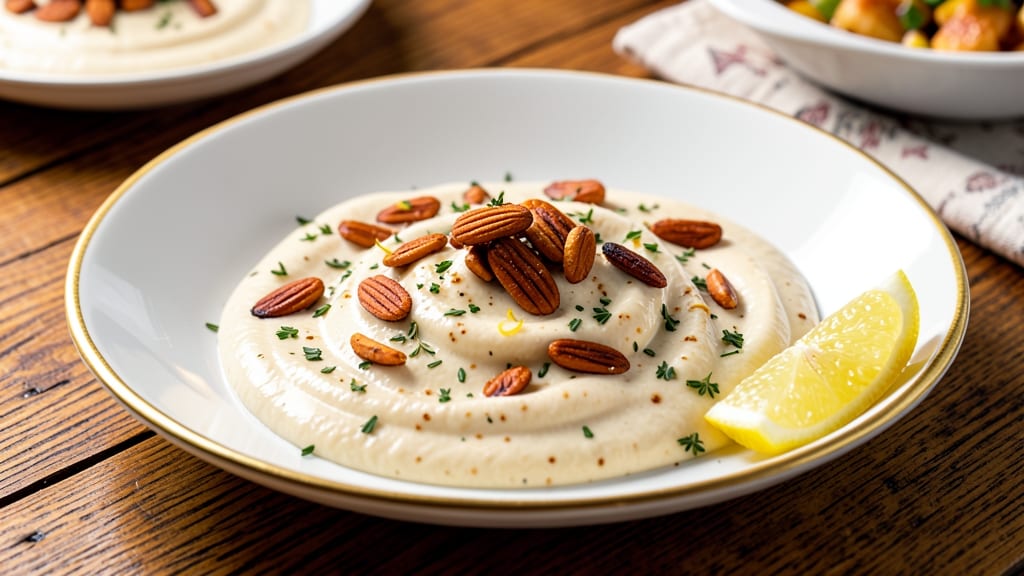
This Amandine sauce recipe transforms simple pan drippings into a velvety, buttery masterpiece that elevates grilled fish, chicken, or vegetables to restaurant-quality perfection.
The secret lies in emulsifying melted butter with ground almonds, lemon zest, and a touch of Dijon mustard—creating a sauce that’s both rich and bright, with a delicate nutty depth. I developed this version after testing countless methods to achieve that signature smooth, glossy finish without breaking the emulsion.
What sets this sauce apart is its foolproof technique: whisking hot pan juices with cold butter and almonds creates an instant, stable emulsion, while lemon and herbs add freshness that cuts through the richness.
The result is a sauce that clings beautifully to protein, delivering every flavorful bite with a silky, luxurious texture you’d expect from a Michelin-starred kitchen.
The beauty of Amandine sauce is its versatility—it works equally well as a finishing drizzle for grilled halibut, a pan sauce for roasted chicken thighs, or even a creamy dressing for steamed vegetables.
The almonds provide natural thickening, while the lemon-Dijon combination adds a tangy brightness that keeps the sauce from feeling heavy. Ready in just 10 minutes and requiring only 6 simple ingredients, this sauce is perfect for weeknight dinners or special occasions.
The key is patience during the emulsification—once you master it, you’ll never go back to store-bought sauces again.
Ingredients for amandine sauce
Six simple ingredients create this luxurious, restaurant-worthy sauce in minutes.
| Ingredient | Amount | Notes |
|---|---|---|
| Unsalted Butter 🧈 | ½ cup | Cold and cubed for emulsification |
| Ground Almonds 🥜 | ¼ cup | Toasted lightly for nutty depth |
| Lemon Zest 🍋 | 1 tbsp | Freshly grated from organic lemons |
| Dijon Mustard 🌶️ | 1 tbsp | High-quality, coarse grind preferred |
| Fresh Lemon Juice 🍋 | 1 tbsp | Freshly squeezed for brightness |
| Pan Drippings 🍗 | ½ cup | From grilled fish or chicken |
| Fresh Parsley 🌿 | 2 tbsp | Finely chopped for garnish |
| Salt 🧂 | ¼ tsp | Fine sea salt for seasoning |
The butter is non-negotiable—European-style unsalted butter like Plugrá or Kerrygold gives the best flavor. Grab the coldest butter from your fridge and cut it into small cubes before starting. Ground almonds should be toasted lightly in a dry pan for about 2 minutes to deepen their nutty aroma—Trader Joe's sells pre-ground almonds that work perfectly. For lemon zest, use the outer yellow part only—avoid the white pith, which can turn bitter. The Dijon mustard should be coarse, not smooth, for that signature tang.
No ground almonds? Toasted slivered almonds blended into a fine powder works in a pinch, though texture might differ slightly. Short on lemon juice? White wine vinegar at half the amount mimics the acidity, though it lacks the citrus notes. The pan drippings are the sauce’s backbone—if you’re not using fish or chicken, vegetable stock with a splash of white wine works surprisingly well. Fresh parsley is ideal, but dried parsley at one-third the amount gets you close. For extra richness, add a pinch of nutmeg to the almonds while toasting.
This sauce keeps beautifully—3 days in the fridge if stored in an airtight container with a thin layer of oil on top to preserve freshness. For longer storage, freeze in ice cube trays and transfer to a bag—up to 3 months. Reheat gently on low heat, stirring constantly to prevent separation. The emulsion is delicate, so avoid boiling. A splash of cold water can rescue a broken sauce—just whisk vigorously to re-emulsify.
Why You'll Love This Recipe
- Five-Ingredient Magic: I swear, this sauce comes together with just butter, almonds, lemon, and mustard—no fancy techniques, no last-minute grocery runs. Honestly, I keep a jar of ground almonds in my pantry just for this.
- Bright & Nutty: That lemon zest and fresh juice cut through the richness of the butter, while the Dijon mustard adds a little tangy kick. Between us, it’s the kind of flavor that makes you want to drizzle it on everything—even toast.
- Dinner Party Ready: Slap this on roasted chicken, seared fish, or even mashed potatoes, and suddenly you’ve got restaurant-worthy vibes. I’ll be real: it’s my go-to for when friends drop by unannounced, and no one ever guesses how easy it was.
- Leftovers That Don’t Suck: Unlike creamy sauces that turn grainy, this one actually improves the next day. Store it in the fridge and reheat with a splash of warm water—still rich, still nutty, still delicious. (Yes, even on a Tuesday night.)
Step-by-step instructions for buttery lemon-Dijon pan sauce
This elegant sauce transforms simple pan drippings into a velvety masterpiece with just a few precise steps.
Toast the Almonds for Nutty Depth
Heat a dry skillet over medium heat and add the 0.25 cup ground almonds. Toast them for 3-4 minutes, stirring constantly, until they develop a rich golden color and release a toasty aroma. You're looking for a color similar to light caramel—not dark brown or burnt. The toasted almonds will form the creamy, nutty base of your sauce, so don't rush this step.
Remove the almonds immediately when they're golden and transfer them to a small bowl. Let them cool slightly while you prepare the remaining ingredients. If they cool completely, you can warm them again briefly in the sauce later, but they should never be allowed to burn. The toasted almonds will blend seamlessly with the butter to create that signature Amandine texture.
Emulsify the Butter and Almonds
Return the skillet to medium-low heat and add the 0.5 cup cold, cubed unsalted butter. Let it melt completely, but don't allow it to brown or foam. Once fully melted, add the toasted almonds and whisk vigorously for 1-2 minutes until the mixture becomes smooth and creamy. This is where the magic happens—the butter and almonds combine to form a luxurious base.
Here's the thing—if you try to rush this emulsification, you'll end up with a grainy sauce. I like to use a small whisk for better control. The mixture should look like thick, pale yellow custard when properly emulsified. If it looks streaky, keep whisking—it will come together. Remove the skillet from heat once fully combined to prevent overheating.
Build Flavor with Lemon and Mustard
Immediately add the 1 tbsp Dijon mustard, 1 tbsp lemon zest, and 0.25 tsp salt to the warm butter-almond mixture. Whisk constantly for 30 seconds to fully incorporate these ingredients. The mustard adds depth, the lemon zest brings bright citrus notes, and the salt enhances all the flavors. This combination is what makes this sauce truly special.
Next, stir in the 1 tbsp fresh lemon juice and the 0.5 cup pan drippings. The acidity from the lemon juice will help balance the richness of the butter. Return the skillet to low heat and simmer gently for 1-2 minutes, stirring constantly, until the sauce thickens slightly but remains silky. You're aiming for a consistency that coats the back of a spoon but isn't gluey.
Finish with Fresh Parsley
Remove the skillet from heat and stir in the 2 tbsp finely chopped fresh parsley. The parsley adds a fresh, vibrant note that cuts through the richness of the sauce. Let the sauce sit for 1 minute to allow the flavors to meld together. This final resting period ensures all the components are perfectly harmonized.
For the perfect finish, taste and adjust the seasoning. You might need a tiny pinch more salt or a splash of lemon juice to balance the flavors. The sauce should be bright, tangy, and rich with nutty undertones. Serve immediately over grilled fish or chicken, drizzling generously over each portion. The contrast of warm protein with this cool, creamy sauce is truly divine.
Pro Tips For Making Amandine Sauce
- Toast the Almonds: Heat the ground almonds in the same pan as the butter—just until they’re golden, about 2-3 minutes on medium-low. I learned this the hard way: skipping the toasting makes the sauce taste flat and powdery, like someone forgot to season the dish.
- Zest, Don’t Juice: Use only the zest from the lemon, not the pith—it’s bitter and ruins everything. A microplane works best; if you’re using a grater, scrape off the white part with your fingernail. (Yes, it’s tedious, but your sauce will taste like sunshine, not soap.)
- Whisk Like You Mean It: Start with cold butter and mustard, then whisk aggressively over low heat until the butter melts completely. If you let it get too hot, the mustard burns and turns the sauce acrid. Low and slow—this isn’t a race.
- Finish with Juice: Add the lemon juice at the very end, just before serving. If you mix it in early, the acid will break down the almonds and make the sauce separate. A splash of juice brightens the flavors without wrecking the texture. (Trust me, I’ve done it both ways.)
Dietary considerations for these flavors
Nut-Free Alternative
If you're avoiding nuts due to allergies or preferences, swap the 0.25 cup ground almonds for 0.25 cup toasted breadcrumbs or 0.25 cup finely ground cooked white beans.
For texture, blend 2 tbsp tahini with 1 tbsp water to mimic almond's creaminess. The breadcrumbs work best with fish, while beans add heartiness to chicken dishes. 🥖
Dairy-Free Adaptation
Replace the 0.5 cup unsalted butter with 0.5 cup dairy-free butter (like Miyoko's or Earth Balance) or 0.4 cup coconut oil melted. For extra richness, add 1 tbsp cashew cream (blend soaked cashews with water) to the emulsion.
The sauce will still emulsify beautifully, though coconut oil adds a subtle tropical note that pairs well with seafood.
Gluten-Free Compliance
This sauce is naturally gluten-free, but always double-check your Dijon mustard label—some brands contain hidden gluten. Opt for certified gluten-free mustards like Maille or Brenner's. The ground almonds and other ingredients are inherently gluten-free, making this an excellent option for those with celiac disease or gluten sensitivity.
The lemon-Dijon brightness remains uncompromised.
Lower-Carb Option
To reduce carbs, skip the breadcrumbs alternative and use 0.25 cup finely ground pumpkin seeds instead of almonds. Pumpkin seeds add a nutty depth with fewer carbs and more protein.
For extra flavor, toast them with a pinch of smoked paprika. This version works perfectly with grilled salmon or asparagus, keeping the sauce rich while aligning with keto-friendly goals.
Vegan Version
Create a vegan Amandine by using 0.5 cup vegan butter or 0.4 cup coconut oil and replacing almonds with 0.25 cup blended silken tofu. Add 1 tbsp nutritional yeast for a cheesy depth.
The sauce will have a slightly different texture but maintains the bright lemon-Dijon profile. Perfect for drizzling over roasted vegetables or tofu-based dishes.
Nutrition facts
Frequently asked questions
Can I make Amandine sauce without almonds?
For a nut-free version, substitute ground almonds with 0.25 cup toasted breadcrumbs or 0.25 cup finely ground cooked white beans. The breadcrumbs work beautifully with fish, while beans add heartiness to chicken dishes. You can also blend 2 tbsp tahini with 1 tbsp water for a similar creamy texture.
Why did my Amandine sauce separate?
Sauce separation usually happens when the emulsion breaks due to overheating or rapid temperature changes. To fix it, whisk in 1 tsp cold water or 1 tsp cold butter while stirring vigorously. For prevention, always remove the pan from heat before adding cold ingredients and whisk constantly. A splash of fresh lemon juice can also help re-emulsify while brightening the sauce.
What's the best protein to pair with this sauce?
This sauce shines with delicate proteins like grilled salmon, pan-seared halibut, or roasted chicken thighs. The nutty, buttery flavor complements seafood perfectly, while the lemon-Dijon brightness cuts through richer meats. For vegetarian options, try drizzling it over grilled asparagus or roasted Brussels sprouts for a restaurant-worthy dish.
Can I make this sauce ahead of time?
Yes, but store it properly to maintain quality. Keep the sauce in an airtight container in the fridge for up to 3 days, with a thin layer of oil on top to preserve freshness. For longer storage, freeze in ice cube trays and transfer to a bag for up to 3 months. Reheat gently on low heat, stirring constantly to prevent separation. A splash of cold water can help restore the emulsion if needed.
How do I adjust the thickness of the sauce?
For a thicker sauce, simmer it for an extra 1-2 minutes on low heat. If it's too thick, thin it with 1 tsp warm water or 1 tsp pan drippings while whisking. The ideal consistency should coat the back of a spoon but remain silky, not gluey. Remember, the sauce will thicken slightly as it cools, so adjust while still warm.