
Sauces & Condiments
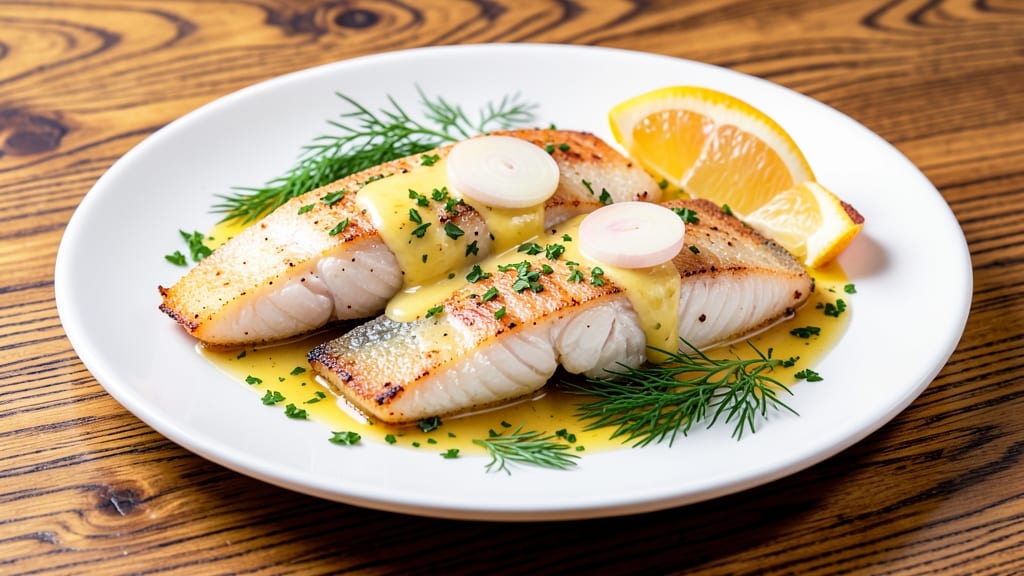
A baked fish with lemon butter sauce recipe transforms simple weeknight dinners into restaurant-worthy meals with minimal effort. The secret lies in a bright, tangy butter glaze that caramelizes beautifully while keeping the fish tender and flaky. I developed this recipe after years of testing—it’s the perfect balance of simplicity and elegance, requiring just 20 minutes of active time and delivering results that impress every time.
What sets this recipe apart is the sauce: a velvety blend of melted butter, fresh lemon juice, and herbs that clings to each delicate flake of fish. The key technique? Baking the fish on high heat for just 12-15 minutes, ensuring the exterior stays crisp while the inside remains moist.
No fancy equipment is needed—just a baking sheet, foil, and a skillet for the sauce.
The result is a dish that’s both comforting and refined: golden, buttery fish with a zesty glaze that brightens every bite. The sauce isn’t just a topping—it’s the star, cutting through the richness of the fish with its citrusy tang.
Serve it with roasted asparagus or a simple green salad to round out the meal.
This recipe is designed for confidence—whether you’re cooking for two or hosting a dinner party. The sauce can be made ahead and reheated, making it ideal for busy cooks. Once you try this method, you’ll never settle for plain baked fish again.
Ingredients for baked fish with lemon butter sauce
Simple ingredients that deliver restaurant-worthy results with minimal effort.
| Ingredient | Amount | Notes |
|---|---|---|
| White Fish Fillets 🐟 | 4 pieces | Skin-on, 6 oz each, like cod or halibut |
| Unsalted Butter 🧈 | ½ cup | Cold, cut into 8 equal pieces |
| Fresh Lemon Juice 🍋 | ¼ cup | From 2 medium lemons, freshly squeezed |
| Fresh Parsley 🌿 | ¼ cup | Finely chopped, stems removed |
| Fresh Dill 🌿 | 2 tbsp | Finely chopped, stems removed |
| Garlic Cloves 🧄 | 3 cloves | Minced, for sauce depth |
| Extra-Virgin Olive Oil 🫒 | 2 tbsp | For crisping fish skin |
| Kosher Salt 🧂 | 1 ½ tsp | Diamond Crystal preferred |
| Ground Black Pepper 🌶️ | ½ tsp | Freshly cracked |
| Aluminum Foil 📄 | 1 sheet | Heavy-duty, for crisping |
| Fresh Lemon Zest 🍋 | 1 tsp | From 1 lemon, for bright flavor |
The fish is the foundation, so choose wisely. Cod or halibut are ideal—they stay flaky and absorb the sauce beautifully. Look for fillets with bright, translucent skin and minimal bruising. If your fishmonger doesn't have them pre-cut, ask for skin-on, center-cut pieces—they hold up better to baking. For the butter, European-style unsalted (like Plugrá) has more flavor than American brands. Keep everything cold until ready to use—this ensures the butter stays firm enough to create that perfect caramelized crust.
No fresh herbs? Dried parsley and dill at half the amount work in a pinch, but fresh is ideal for that bright, fresh flavor. Running low on lemon juice? Lemon extract at 1/4 teaspoon per tablespoon mimics the acidity, though it won't have the same depth. For the olive oil, avoid heavily flavored varieties—stick to mild, fruity options that won't overpower the delicate fish. The garlic can be pre-minced from a jar, but fresh minced has more punch. If your fish fillets are uneven in size, adjust the baking time by checking the thickest piece first.
Prep ahead to save time: mix the sauce ingredients in a small bowl and refrigerate until ready to use. The fish can be seasoned up to 2 hours ahead—just cover and refrigerate. For crispy skin, pat the fillets completely dry before baking. The sauce keeps for 3 days in the fridge, making it perfect for meal prep. Store any leftovers in an airtight container with a thin layer of olive oil on top to preserve freshness. Reheat gently in a skillet over low heat—never microwave, or the sauce will separate.
Why You'll Love This Recipe
- One-Pan Magic: I swear by this recipe when I’m too tired to scrub pots—just toss the fish, butter, and herbs on a sheet pan, pop it in, and walk away. The lemon butter pools right on top, so you don’t even need a saucepan.
- Bright & Buttery Bliss: That zesty lemon cuts through the richness of the butter, and the fresh dill and parsley add a bright, herby finish that makes it taste like a restaurant dish. Honestly, the contrast is chef’s kiss—creamy, tangy, and fresh all at once.
- Weeknight & Weekend Hero: It’s my go-to for lazy Tuesdays (yes, even on a Tuesday night) but also impresses when I’m hosting—just swap the fish for a pricier fillet if you’re feeling fancy. The leftovers reheat beautifully, too, wrapped in foil.
- Budget-Friendly Luxury: White fish is affordable, and a little butter goes a long way when you’re baking it down with lemon. I’ll be real: it feels like a splurge, but the cost per serving is way lower than takeout. Plus, the herbs make it taste like you spent hours.
Step-by-step instructions for baked fish with lemon butter sauce
Here's how to achieve perfectly flaked fish with a velvety lemon butter sauce that melts into every bite.
Prep the Fish and Season Generously
Pat the 4 pieces of white fish fillets completely dry with paper towels—this ensures maximum crispiness on the skin. Place each fillet skin-side down on a cutting board and season both sides with half of the 1.5 teaspoons kosher salt and half of the 0.5 teaspoon ground black pepper. I like to press the seasoning into the flesh gently so it adheres evenly.
For the lemon butter sauce, cut the 0.5 cup unsalted butter into 8 equal pieces (about 1 tablespoon each) and keep them chilled until ready to use. This cold butter will create the signature flaky texture when it melts over the hot fish. In a small bowl, combine the 0.25 cup fresh lemon juice, 1 teaspoon fresh lemon zest, 2 tablespoons fresh dill, 3 minced garlic cloves, and the remaining salt and pepper. Mix well and set aside.
Crisp the Fish Skin in Olive Oil
Preheat your oven to 375°F. Heat a large oven-safe skillet over medium heat and add the 2 tablespoons extra-virgin olive oil. Once the oil shimmers (about 1 minute), carefully place the fish fillets skin-side down in the pan. Cook undisturbed for 3-4 minutes until the skin turns golden brown and crispy—this is your signal that the fish is ready to transfer to the oven.
I press down gently on the fillets during the first minute to prevent curling. If the skin releases easily from the pan, it's ready. The crispy skin is the foundation of this dish, so don't rush this step. Once golden, carefully transfer the fillets to a sheet of aluminum foil, skin-side up.
Bake Until Just Cooked Through
Place the skillet with the remaining olive oil in the oven and immediately add the 8 pieces of chilled butter. As the butter melts, it will create a fragrant, golden sauce. Bake for 8-10 minutes until the butter is completely melted and bubbling.
While the butter is melting, pour the lemon-herb mixture into the skillet with the butter and stir vigorously with a wooden spoon. The sauce should thicken slightly as it incorporates the rendered butter. Remove the skillet from the oven and carefully pour the sauce over the fish fillets on the aluminum foil.
Finish with Fresh Herbs and Serve Immediately
Return the fish and sauce to the oven for 2-3 minutes to let the flavors meld. Meanwhile, sprinkle the 0.25 cup finely chopped fresh parsley evenly over the top of the fish. The parsley adds a fresh contrast to the rich lemon butter sauce and brightens the presentation.
Transfer the fish to serving plates and spoon any remaining sauce over the top. The fish should flake easily with a fork, and the sauce should coat every bite with a perfect balance of tangy lemon, herby dill, and buttery richness. Serve immediately with steamed vegetables or a simple green salad to complement the dish.
Pro Tips For Making Baked Fish With Lemon Butter Sauce
- Pat the fish dry: Fish is finicky about moisture—wet skin means steam instead of crisp edges. Grab paper towels and press firmly (yes, even if it feels harsh) to remove every last drop before seasoning. This isn’t just about looks; it guarantees the butter sauce clings properly and the fillets develop that golden crust.
- Use cold butter: Melted butter drizzled over hot fish? Big mistake. Chill the butter-lemon mixture for 10 minutes before spooning it over the baked fillets. The sauce will sizzle and caramelize instantly when the fish comes out of the oven, locking in flavor instead of turning greasy. Trust me, your fish will taste richer for it.
- Don’t overcrowd the pan: Stuffing two thick fillets into one baking dish? That’s how you end up with sad, gray fish. Use a separate pan for each fillet if needed—crowding traps steam and turns the butter sauce into a sad, watery glaze. A little extra space lets the fish cook evenly and the edges crisp properly.
- Zest before juicing: Skip the zest? You’re missing half the lemon’s magic. Grate a strip of peel into the butter before adding juice—it adds a bright, aromatic layer that plain juice can’t match. (Pro move: Use a microplane for fine, even zest.) The flavor difference is subtle but noticeable, and it takes 30 seconds.
Serving suggestions for this dish
Crispy Bread Pairings
Warm, crusty bread is the perfect vehicle for soaking up every drop of that velvety lemon butter sauce. I love using sourdough or baguette slices—their chewy texture contrasts beautifully with the delicate fish.
Toast the bread lightly in the same skillet you used for the fish (just a minute or two) to infuse it with residual butter flavor. For extra decadence, spread a thin layer of herb-infused butter (mix softened butter with minced garlic and parsley) before serving. 🥖
Roasted Vegetable Sides
Bright, seasonal vegetables balance the richness of the fish. Asparagus or green beans roasted with lemon zest and olive oil (toss with 1 tbsp olive oil, ½ tsp lemon zest, ¼ tsp salt, and black pepper) complement the dish perfectly.
Roast at 400°F for 12-15 minutes until tender-crisp. For a heartier option, try roasted Brussels sprouts with a sprinkle of crispy pancetta—the salty, smoky notes add depth. 🥦
Light Salad Contrast
A simple arugula salad with shaved fennel and orange segments cuts through the richness. Toss with a light vinaigrette made from 2 tbsp olive oil, 1 tbsp lemon juice, 1 tsp honey, salt, and pepper.
The citrusy brightness mirrors the sauce’s flavor while adding freshness. For a protein boost, top with toasted almonds or crumbled goat cheese. 🥗
Wine and Beverage Pairings
A crisp Sauvignon Blanc from New Zealand or a Pinot Grigio from Italy enhances the dish’s citrusy, herby notes. For beer lovers, a Belgian witbier (like Hoegaarden) adds effervescence and coriander undertones that complement the dill and lemon.
Avoid heavy reds or oaky whites—they’ll overpower the delicate flavors. Sparkling water with a lemon wedge is also a refreshing, palate-cleansing option. 🍷
Garnish for Elevation
Finish the dish with edible flowers (like nasturtiums) or microgreens for a restaurant-worthy touch. A drizzle of extra-virgin olive oil and a final sprinkle of flaky sea salt (like Maldon) amplify the flavors.
For heat, add red pepper flakes or a pinch of smoked paprika—just ¼ tsp is enough to add complexity without overpowering. 🌸
Make-Ahead Serving Tips
Prep components ahead to streamline serving: Assemble the sauce in advance and store it in an airtight container in the fridge. Reheat gently in a skillet over low heat until warm. For the fish, season and refrigerate up to 2 hours ahead, then bake as directed.
Serve with prepped sides (like roasted veggies or salad) to keep everything fresh. The sauce reheats beautifully, so leftovers taste just as good the next day. ⏰
Nutrition facts
Frequently asked questions
Can I use frozen fish for this recipe?
Yes, but thaw it properly first! Place frozen fish fillets in a sealed bag and submerge in cold water for 20-30 minutes until fully thawed. Pat completely dry before seasoning—any moisture will prevent crispy skin. For best results, use fresh fish when possible, as frozen varieties can have slightly less delicate texture.
What if my fish skin doesn't get crispy?
This usually happens if the fish isn't dry enough or the oil isn't hot enough. For next time, pat the fillets extra dry with paper towels and heat the oil until it shimmers (about 1 minute) before adding the fish. Also ensure your oven-safe skillet is properly preheated—cold pans conduct heat poorly.
How do I adjust this for a larger group?
Double the recipe easily! Use a larger oven-safe skillet and increase baking time by 2-3 minutes for thicker fillets. For the sauce, melt the butter in batches if needed—just keep it warm until ready to combine. Pro tip: Use two baking sheets if making 8+ servings to prevent overcrowding.
Can I make the sauce ahead of time?
Prepare the sauce ingredients (everything except butter) up to 2 days ahead and store in an airtight container. When ready to serve, melt the butter in a skillet over low heat and whisk in the prepped mixture. Reheat gently—never microwave, or it may separate. The sauce reheats beautifully for leftovers!
What's the best fish for this recipe?
Look for firm, white fish with mild flavor: cod, halibut, or sea bass work perfectly. Avoid delicate fish like flounder—they can fall apart. For extra richness, try salmon, but reduce baking time to 10-12 minutes to prevent overcooking.