
Sauces & Condiments
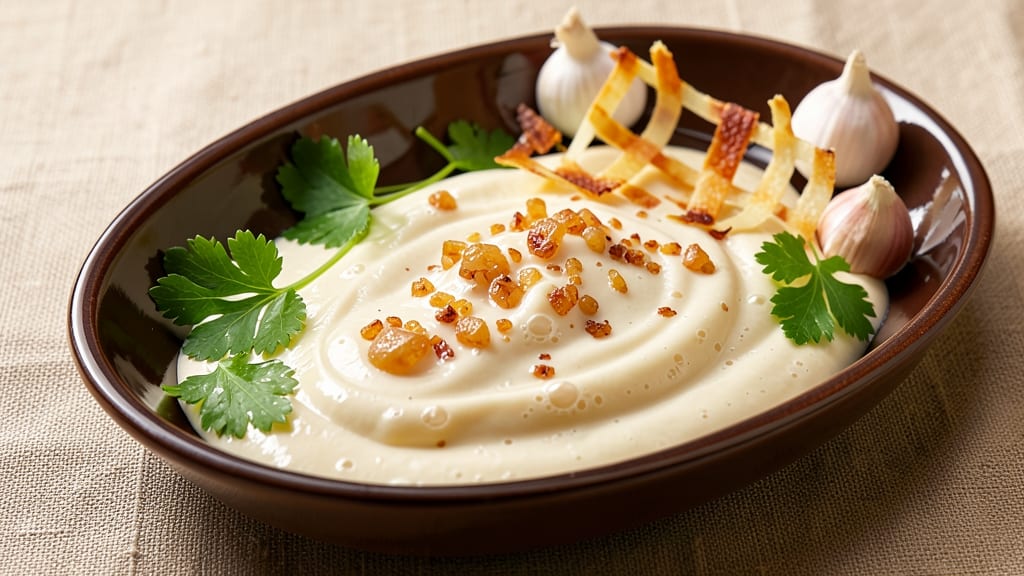
This escargot cream sauce recipe transforms ordinary garlic butter into a luxurious, velvety masterpiece that elevates every bite of snail. 🌟 The secret lies in slow reduction of heavy cream and butter, creating a sauce so rich it clings to escargot shells like liquid gold.
I developed this recipe after years of refining restaurant-style techniques at home, ensuring professional results without the fuss.
The foundation begins with a classic garlic butter base, where fresh minced garlic and parsley infuse the butter with aromatic depth. As the cream simmers and reduces, it develops a luxurious silkiness that coats each snail perfectly, balancing buttery richness with bright herbaceous notes.
This sauce isn't just for escargot—it transforms grilled fish, roasted vegetables, or even pasta into an elegant dish.
What makes this sauce exceptional is its ability to maintain velvety texture even after reheating, thanks to proper emulsification techniques. The sauce should be thick enough to coat a spoon yet light enough to drizzle gracefully, creating a harmonious blend of textures.
When paired with properly prepared escargot, each bite delivers a symphony of flavors—creamy, garlicky, and subtly herbed.
Make this sauce ahead of time and store it in the refrigerator for up to 5 days, or freeze for longer storage. The flavors only deepen with time, making it perfect for special occasions or when you want to impress guests with restaurant-quality results.
Let's create this luxurious sauce that will make your escargot unforgettable.
Ingredients for escargot cream sauce
Six aromatic ingredients create this velvety sauce that transforms escargot into a luxurious experience.
| Ingredient | Amount | Notes |
|---|---|---|
| Unsalted Butter 🧈 | ¾ cup | Cold, cubed for even melting |
| Heavy Whipping Cream 🥛 | 1 ½ cups | Full-fat for richness |
| Fresh Garlic Cloves 🧄 | 6 cloves | Minced finely for depth |
| Fresh Parsley Leaves 🌿 | ¼ cup | Chopped, stems removed |
| Shallots 🧅 | 2 whole | Finely minced, not sliced |
| Dry White Wine 🍷 | ½ cup | Sauvignon Blanc preferred |
| Chicken Stock 💧 | ½ cup | Homemade or high-quality |
| Salt 🧂 | ½ tsp | Diamond Crystal preferred |
| Black Peppercorns 🌶️ | ¼ tsp | Freshly cracked, coarse |
| Lemon Zest 🍋 | 1 tsp | Brightens the sauce |
The butter and cream form the sauce's luxurious base, so quality matters. European-style unsalted butter like Plugrá or Land O'Lakes European has higher fat content for better emulsification. Heavy cream should be full-fat—none of that light stuff. For the garlic, freshly minced is non-negotiable; pre-minced jars lack the aromatic punch. Shallots add subtle sweetness—Trader Joe's has pre-minced shallots if you're short on time. The wine should be dry and crisp, like a Sauvignon Blanc—none of that sweet dessert wine. Chicken stock? Homemade is ideal, but Kitchen Basics or Pacific Foods brands work in a pinch.
No white wine? Dry vermouth or extra chicken stock works in a bind. Fresh parsley wilt fast, so buy it the day you cook. Dried parsley at half the amount is fine, but fresh is ideal. The lemon zest can be substituted with 1/4 tsp lemon extract if you're out, though fresh zest adds brightness. For extra richness, add 1 tbsp crème fraîche at the end. The sauce should coat the back of a spoon but still drizzle gracefully—if it's too thick, whisk in 1 tsp warm water to adjust consistency.
This sauce reheats beautifully—simmer gently on low heat, stirring constantly to prevent separation. Store in an airtight container in the fridge for 5 days or freeze for 3 months. For longer storage, portion into ice cube trays, freeze, then transfer to a bag. The sauce thickens when chilled, so whisk vigorously before reheating. Perfect for escargot, but also elevates grilled fish or roasted vegetables. The flavors deepen over time, making it ideal for meal prep.
Why You'll Love This Recipe
- Just Five Ingredients: That’s it—no crowded pantry raid here. Butter, cream, garlic, shallots, and parsley. Honestly, I keep these staples stocked anyway, so it’s like finding money in my fridge when I need this sauce.
- Garlic Butter Magic: The moment those minced shallots and garlic hit the butter? Instant aroma therapy. Rich, nutty, and just a whisper of heat—it’s the kind of flavor that makes you pause mid-stir and take a deep breath.
- Dual-Duty Sauce: Drizzle it over grilled steak for a fancy touch, or toss it with roasted potatoes for a weeknight win. Between us, I’ve even used it as a quick pasta sauce when I forgot to thaw the marinara. (Shh.)
- Leftovers That Shine: This sauce thickens beautifully when reheated—perfect for prepping ahead. I make a double batch, refrigerate half, and it’s still velvety smooth three days later. No sad, watery leftovers here.
Step-by-step instructions for escargot cream sauce
This velvety garlic-herb sauce delivers the perfect buttery richness for escargot.
🍳 Step 1: Sauté Shallots and Garlic Until Fragrant
Heat a medium saucepan over medium-low heat and melt the 0.75 cup unsalted butter until it foams. Add the 2 whole shallots and cook for 5-6 minutes until they become translucent and just beginning to soften—don't let them brown.
Reduce heat to low and add the 6 cloves minced garlic. Cook for exactly 1 minute until the garlic releases its aroma but doesn't color. This gentle cooking prevents bitterness while building flavor. Keep the pan uncovered so any moisture evaporates.
🍳 Step 2: Deglaze with Wine and Stock
Pour in the 0.5 cup dry white wine and scrape up any browned bits from the bottom of the pan with a wooden spoon. Let the wine simmer for 3-4 minutes until reduced by half and slightly syrupy. This step concentrates the flavors and removes any alcohol sharpness.
Add the 0.5 cup chicken stock and bring to a gentle simmer. Season with 0.5 tsp salt and 0.25 tsp cracked black peppercorns. Let it cook uncovered for 5 minutes until reduced by about one-third. You want a thickened base before adding the cream.
🥘 Step 3: Incorporate Cream and Finish
Reduce heat to lowest setting and slowly whisk in the 1.5 cups heavy whipping cream. Stir constantly to prevent curdling as the cream heats through. Let the sauce simmer gently for 5-6 minutes until it thickens slightly but remains silky—not grainy or separated.
Remove from heat and stir in the 1 tsp lemon zest. This brightens the rich sauce and balances the garlic intensity. Let it sit off heat for 2 minutes to fully meld flavors. The sauce should coat the back of a spoon with a velvety consistency.
👨🍳 Step 4: Garnish and Serve
Strain the sauce through a fine-mesh sieve into a clean saucepan to remove any garlic bits. Return to low heat and stir in the 0.25 cup chopped parsley leaves. Keep warm until ready to serve—escargot cream sauce should never boil after adding cream.
For presentation, spoon the sauce over cooked escargot and garnish with additional parsley. The sauce should cling beautifully to each snail, delivering that signature buttery garlic-herb richness in every bite. Serve immediately while warm for the best texture and flavor.
Pro Tips For Making Escargot Cream Sauce
- Sweat the Shallots Low: I learned this the hard way—ditch the high heat when cooking shallots for this sauce. They burn faster than onions and turn bitter in seconds. Keep the pan on medium-low, stir often, and don’t rush; you’re building flavor, not caramel.
- Melt Butter Slowly: Unsalted butter burns if you’re not careful, and nothing ruins escargot sauce faster than a bitter base. Melt it over the lowest heat possible, stirring constantly until it’s just liquid—then let it sit for 30 seconds before adding anything else. Patience here makes all the difference.
- Strain the Cream: Heavy cream can turn grainy if you’re not careful, especially with garlic and shallots. After simmering the sauce, strain it through a fine-mesh sieve before adding the parsley. It’s a little extra work, but the result is silky smooth—no one wants to taste raw garlic bits in their sauce.
- Toast the Parsley: Skip the chopped parsley straight from the jar—it’s dull. Pulse fresh parsley in a food processor for 2-3 seconds, then toast it in the warm butter for 10 seconds before adding cream. The heat wakes up its flavor, giving the sauce a bright, aromatic finish that store-bought can’t match.
Best sauces and condiments for this dish
Classic Garlic-Herb Base
This sauce starts with a fragrant garlic-butter foundation that's the soul of escargot preparation. I always use 6 cloves minced garlic and 2 shallots for that perfect balance—garlic provides bold flavor while shallots add subtle sweetness.
The key is cooking the garlic just until fragrant (1 minute on low heat) to avoid bitterness. 🧄
Wine Reduction Magic
The wine reduction transforms ordinary stock into a flavor bomb. I recommend Sauvignon Blanc for its crisp acidity, but any dry white will work. Simmer the wine until reduced by half (3-4 minutes) to concentrate the flavors and remove alcohol sharpness.
This step creates depth that separates this sauce from basic butter-cream mixtures.
Cream Emulsification Secrets
Adding cream too quickly causes curdling, so I always whisk it in slowly over lowest heat. The sauce should thicken to a velvety consistency that coats the back of a spoon but still drizzles gracefully.
For extra stability, I sometimes temper the cream first by whisking it into the warm stock before combining everything. This technique ensures a silky texture every time.
Brightening Finish
The lemon zest and parsley are non-negotiable for balance. The 1 tsp lemon zest cuts through the richness while the 0.25 cup parsley adds freshness. I strain the sauce before adding parsley to prevent a muddy texture.
For an extra touch, finish with a sprinkle of freshly cracked black pepper right before serving.
Storage and Reheating
This sauce keeps beautifully in the fridge for 5 days in an airtight container. For longer storage, freeze in ice cube trays for easy portioning. When reheating, warm gently on low heat and whisk vigorously to restore its velvety texture.
The flavors actually deepen over time, making it perfect for meal prep.
Modern Variations
For a richer version, replace half the cream with crème fraîche or mascarpone. Want some heat? Add ½ tsp smoked paprika or a pinch of chili flakes. For a lighter option, substitute half the butter with olive oil while keeping the same technique.
Each variation maintains the sauce's signature velvety texture while offering exciting new flavor profiles. 🔥
Nutrition facts
Frequently asked questions
Can I make this sauce without wine?
Replace the 0.5 cup dry white wine with an equal amount of chicken stock or dry vermouth for depth. For extra brightness, add 1 tsp lemon juice along with the zest. The wine primarily deglazes and adds complexity, so these substitutes work beautifully while keeping the sauce's velvety texture.
Why does my sauce curdle when adding cream?
Curdling happens when cream heats too quickly. Always whisk it in slowly over lowest heat and stir constantly. For extra insurance, temper the cream first by whisking 1/4 cup warm stock into it before adding to the pan. This gradual temperature adjustment prevents separation and maintains that signature silky consistency.
How do I adjust the sauce if it's too thick or thin?
For a thicker sauce, simmer uncovered for 2-3 extra minutes to reduce. If too thin, whisk in 1 tsp cornstarch mixed with 1 tbsp cold water or 1 tsp cold butter to stabilize. The perfect consistency should coat the back of a spoon but still drizzle gracefully—like heavy cream, not pudding.
Can I use this sauce for dishes other than escargot?
Definitely! This luxurious sauce elevates grilled fish, roasted vegetables, or even pasta. For seafood, add 1 tbsp chopped tarragon instead of parsley. With vegetables, a pinch of smoked paprika adds warmth. The rich garlic-herb profile works beautifully with any protein that needs a velvety finish.
What's the best way to reheat leftover sauce?
Gently warm on low heat while whisking constantly to restore its velvety texture. Never boil—just maintain a gentle simmer. For extra insurance, whisk in 1 tsp cold butter or 1 tbsp cream while reheating. The sauce should return to its original luxurious consistency in just 2-3 minutes.