
Sauces & Condiments
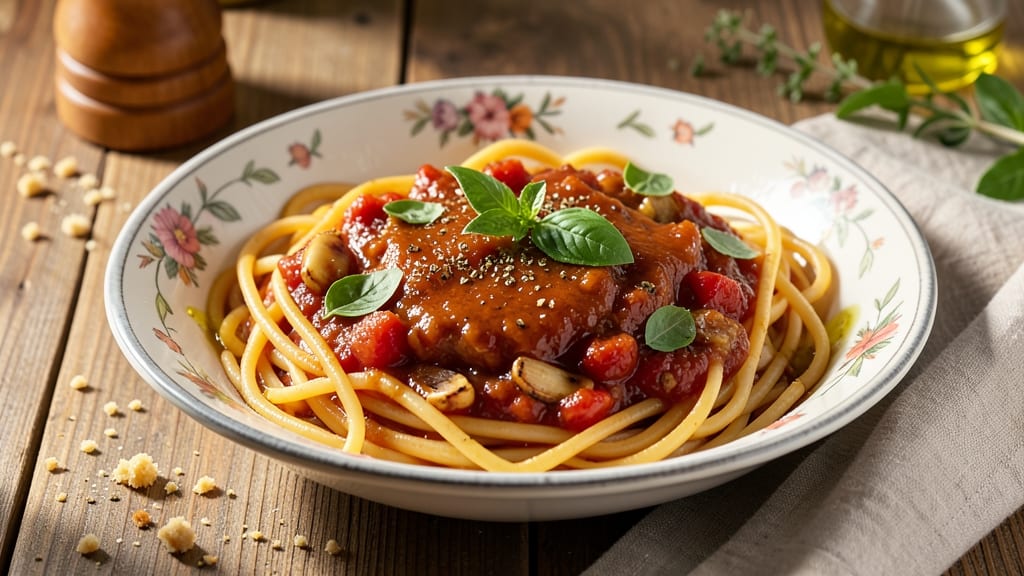
Alma Wahlberg’s spaghetti sauce transforms simple ingredients into a rich, layered symphony of tomato and herbs that elevates any meal. This recipe delivers restaurant-quality depth with a balance of sweetness, acidity, and aromatic herbs—perfect for weeknight dinners or special occasions.
The slow-simmered sauce develops complex flavors, while the technique ensures a velvety texture that clings beautifully to pasta.
The foundation of this sauce lies in a blend of crushed tomatoes, garlic, and fresh basil, simmered until the flavors meld into harmony. Alma’s method includes a touch of red wine for brightness and a sprinkle of oregano for warmth, creating a sauce that’s both bold and approachable.
The key is patience—letting the sauce reduce gradually intensifies its depth and richness, making every spoonful unforgettable.
Once the sauce reaches its peak, it’s time to bring the dish together. Cook al dente pasta to perfection, then toss it with the sauce for a harmonious blend of textures and flavors.
Optional additions like meatballs or grilled chicken add protein, while garlic bread completes the meal. The result is a dish that’s as impressive on the plate as it is delicious in every bite.
This recipe is versatile enough for any occasion—serve it as a hearty weeknight dinner or impress guests at your next gathering. The sauce keeps well in the refrigerator for up to a week, allowing you to prepare ahead and enjoy the convenience of a homemade meal without the last-minute stress.
Let’s create a sauce that tastes like a taste of Italy in every spoonful.
Ingredients for alma wahlberg spaghetti sauce
The heart of Alma Wahlberg's sauce lies in these 13 ingredients—where quality tomatoes, aromatic herbs, and slow simmering create restaurant-worthy depth.
| Ingredient | Amount | Notes |
|---|---|---|
| Crushed Tomatoes (San Marzano preferred) 🍅 | 28 oz | High-quality canned, no added salt |
| Extra-Virgin Olive Oil 🫒 | ½ cup | Fruity, high-quality preferred |
| Garlic Cloves 🧄 | 6 cloves | Fresh, minced for aromatic depth |
| Red Wine 🍷 | ½ cup | Dry, bold variety like Cabernet |
| Fresh Basil Leaves 🌿 | 1 ½ cups | Packed, stems removed for flavor |
| Dried Oregano 🍃 | 1 tbsp | Mediterranean blend preferred |
| Ground Black Pepper 🌶️ | ½ tsp | Freshly cracked for intensity |
| Sea Salt 🧂 | 1 ½ tsp | Diamond Crystal preferred |
| Tomato Paste 🍅 | 2 tbsp | High-quality, no additives |
| Sugar 🍯 | 1 tsp | Balances acidity naturally |
| Bay Leaves 🌿 | 2 whole | Fresh for subtle aroma |
| Spaghetti 🍝 | 1 lb | Al dente cooking essential |
| Parmesan Cheese 🧀 | ½ cup | Freshly grated, aged minimum 24 months |
The San Marzano tomatoes are non-negotiable here—their natural sweetness and low acidity form the sauce's foundation. Look for whole, crushed cans at specialty stores like Whole Foods or Eataly for authentic flavor. Fresh basil should be bright green and fragrant, not wilted; harvest your own if possible, or buy from trusted farmers' markets. For the red wine, Italian varieties like Chianti add authentic depth, though any bold, dry red works. The tomato paste should be thick and smooth—avoid brands with additives, and Trader Joe's carries an excellent option at a reasonable price.
No fresh basil? Dried basil at one-third the amount works in a pinch, though texture will differ. Short on red wine? Dry sherry or beef broth mimics the acidity and depth, though wine's complexity can't be fully replicated. The oregano should be Mediterranean blend—Greek or Italian varieties have the right earthy notes. For the garlic, roasting whole cloves before mincing adds sweetness, but fresh minced works perfectly fine. The sugar balances acidity naturally, but honey or maple syrup can substitute if preferred—just reduce other liquids slightly to maintain consistency.
This sauce develops best over time—reheat gently on the stove with a splash of water or pasta water to restore richness. Stores 5-7 days in the fridge, or 3 months frozen in airtight containers. For meal prep, portion into individual servings before freezing to simplify reheating. The Parmesan should be freshly grated before serving—pre-grated loses its sharp, salty punch. Double the batch and freeze half; you'll thank yourself when you're short on time for weeknight dinners.
Why You'll Love This Recipe
- Here’s what sold me: this sauce begs to be made in bulk. It tastes even better the next day, so I double the batch and freeze half. Thaw it in the morning, toss with pasta, and boom—dinner’s sorted. Plus, San Marzano tomatoes and olive oil are budget-friendly staples that stretch far.
- No-Chop Necessary: I swear by this recipe because it’s one of those rare sauces where you barely lift a finger. Just crush the tomatoes, mince the garlic (or buy pre-minced if you’re really lazy), and toss in the wine—no dicing, no peeling, no stress. The San Marzano tomatoes do all the heavy lifting.
- Wine-Infused Magic: That splash of red wine isn’t just for show—it deepens the flavor in a way that’s rich but never heavy. The acidity from the tomatoes balances the garlic’s punch, and the basil? Freshly torn right in, so it’s bright and aromatic. It’s the kind of sauce that makes you pause mid-bite.
- Weeknight to Dinner Party: Between us, this sauce is my secret weapon for both Tuesdays and Sundays. Simmer it for 30 minutes on a weeknight, or let it slow-cook for hours with a splash of broth for a restaurant-worthy dish. Same ingredients, just different timing—no excuses.
Step-by-step instructions for Alma Wahlberg's spaghetti sauce
This sauce builds flavor through careful layering—where technique matters as much as quality ingredients.
Bloom the Tomato Paste and Aromatics
Heat the 0.5 cup extra-virgin olive oil in a Dutch oven over medium-low heat. Add the 2 tbsp tomato paste and stir continuously for 3-4 minutes until it darkens to a deep mahogany color. This caramelization forms the sauce's flavor foundation.
Add the 6 minced garlic cloves and cook for 30 seconds until fragrant but not browned. Stir in the 2 whole bay leaves and 1 tbsp dried oregano, letting the spices infuse the oil for 1 minute. This step ensures your sauce develops depth before the tomatoes even enter the pot.
Deglaze with Wine and Add Tomatoes
Pour in the 0.5 cup red wine and scrape up any browned bits from the bottom of the pot with a wooden spoon. Let the wine simmer for 3-4 minutes until reduced by half. This deglazing step captures all the caramelized flavors you just created.
Add the 28 oz crushed tomatoes and 1.5 tsp sea salt. Stir well to combine, then bring to a gentle simmer. The sauce should bubble softly—this indicates proper heat control. Let it cook uncovered for 20 minutes while you prepare the basil.
Balance and Simmer the Sauce
Add the 1 tsp sugar and 0.5 tsp ground black pepper, stirring to distribute evenly. Taste the sauce—it should be bright and tangy with just a hint of sweetness. If needed, adjust seasoning with additional salt or pepper.
Reduce heat to low and let the sauce simmer uncovered for 45-60 minutes. Stir occasionally to prevent skin formation. The sauce is ready when it thickens to a consistency where it coats the back of a spoon. You'll know it's perfect when the aroma becomes rich and concentrated.
Finish with Fresh Basil and Rest
Remove the 2 bay leaves and stir in the 1.5 cups fresh basil leaves. Let the sauce simmer for another 5 minutes to allow the basil's essential oils to infuse. The leaves will soften but maintain their vibrant green color.
Transfer the sauce to a clean bowl, cover it with plastic wrap pressed directly onto the surface, and let it rest at room temperature for 30 minutes. This resting period allows flavors to meld completely and the texture to stabilize—critical for serving at its best.
Cook and Serve the Spaghetti
Bring a large pot of salted water to a rolling boil. Add the 1 lb spaghetti and cook until 1 minute before al dente (check package instructions). Reserve 1 cup pasta water before draining.
Toss the drained spaghetti with the sauce, adding reserved pasta water 1 tablespoon at a time until you reach your desired consistency. The sauce should cling beautifully to each strand. Serve immediately with freshly grated 0.5 cup Parmesan cheese sprinkled on top, ensuring every bite delivers the sauce's layered complexity.
Pro Tips For Making Alma Wahlberg Spaghetti Sauce
- Sweat the Garlic Slowly: Alma’s sauce relies on garlic that caramelizes without burning—low heat is your friend here. After crushing the cloves, let them sizzle in the olive oil for 3-4 minutes until golden, not brown. I used to rush this, and the sauce ended up bitter. Patience pays off.
- Deglaze with Wine Early: Pour in that red wine the second the garlic starts to color, before it darkens. Scrape every last bit from the pan—this is where flavor hides. Skimp here, and you’ll miss out on the rich, deep base the sauce needs. (Yes, even if you’re impatient like me.)
- Simmer, Don’t Boil: Once the tomatoes and wine are in, keep the heat at a gentle simmer—not a rolling boil. A fast boil breaks down the tomatoes into mush too quickly, making the sauce thin and one-dimensional. Let it bubble softly for at least 20 minutes. Trust the process.
- Add Basil at the End: Fresh basil wilts and turns bitter if cooked too long. Tear the leaves by hand and stir them in just before serving—this keeps their bright, herbal punch intact. I learned this the hard way after a sauce tasted like sad, mushy herbs. Save it for last.
Best sauces and condiments for alma wahlberg spaghetti sauce
Classic Garlic Bread
No Italian meal is complete without crispy garlic bread to soak up every last drop of sauce.
I use a baguette-style loaf (like Schar or Bocce) split lengthwise and brushed with a mix of 0.25 cup melted butter, 3 minced garlic cloves, 1 tbsp fresh parsley, and 0.5 tsp red pepper flakes.
Toast under the broiler for 3-5 minutes until golden and fragrant. 🧄
Protein Additions
For a heartier meal, toss in meatballs or grilled chicken just before serving. I make homemade meatballs with ground beef, breadcrumbs, egg, and Italian seasoning—cook them in the sauce for the last 15 minutes to infuse flavor.
For a lighter option, pan-sear chicken breasts and slice them thinly before adding to the pasta.
Cheese Enhancements
Freshly grated Parmesan is a must, but you can also add mozzarella for creaminess or pecorino for sharper flavor. For extra richness, stir in 2 tbsp cream cheese at the end of cooking.
I also love a sprinkle of freshly cracked black pepper and red pepper flakes on top for a pop of color and heat.
Herb Variations
Swap out basil for cilantro or thyme to change the sauce’s profile entirely. For a Mediterranean twist, add 1 tsp dried rosemary and 0.5 tsp cinnamon during the simmer. If you love spice, stir in 1 tbsp Calabrian chili paste at the end for a smoky kick. 🌿
Acid Balance
Need to brighten the sauce? A splash of lemon juice or balsamic vinegar (about 1 tbsp) cuts through richness while adding complexity. For a tangy finish, stir in 2 tbsp capers or 1 tbsp sun-dried tomatoes—they add umami and texture without overpowering the dish.
Storage Secrets
Let the sauce cool completely before storing in an airtight container in the fridge for up to 5 days. For freezing, portion into quart-sized bags and flatten to save space.
Reheat gently on the stove with a splash of pasta water or broth to restore its velvety texture. Never microwave—it breaks the sauce’s silky consistency. ❄️
Nutrition facts
Frequently asked questions
Can I use this sauce with pasta other than spaghetti?
This rich tomato sauce works beautifully with linguine, fettuccine, or even penne. For shorter pasta like rigatoni, toss it with the sauce and add a splash of pasta water to create a creamy texture. The sauce's velvety consistency clings to any pasta shape, making it versatile for different meals.
How do I adjust the recipe for a vegetarian version?
Simply omit any meat additions and focus on the sauce's natural depth. For extra protein, stir in white beans or lentils during the final 15 minutes of simmering. You can also add sautéed mushrooms or roasted eggplant for umami richness. The sauce's tomato and herb base shines perfectly without meat.
What's the best way to reheat leftover sauce?
Always reheat gently on the stove over low heat with a splash of pasta water or broth to restore its silky texture. Avoid microwaving as it can make the sauce grainy. Stir frequently and add more liquid as needed until heated through. The sauce should reach 165°F for safety.
Can I make this sauce in a slow cooker?
Yes, but with adjustments. Follow the same initial steps (blooming tomato paste, deglazing with wine), then transfer everything to your slow cooker. Cook on low for 6-8 hours or high for 3-4 hours. The long cook time will intensify flavors, but you may need to add 1-2 tbsp water if it becomes too thick. Stir in fresh basil at the end.
Why does my sauce look too thin after cooking?
This usually happens from one of three things: not enough simmering time, too much liquid added, or using tomatoes with high water content. For quick fixes, simmer uncovered for 10-15 more minutes to reduce, or stir in 1 tbsp tomato paste or 1 tsp cornstarch mixed with water. The sauce should coat the back of a spoon when done.