
Sauces & Condiments
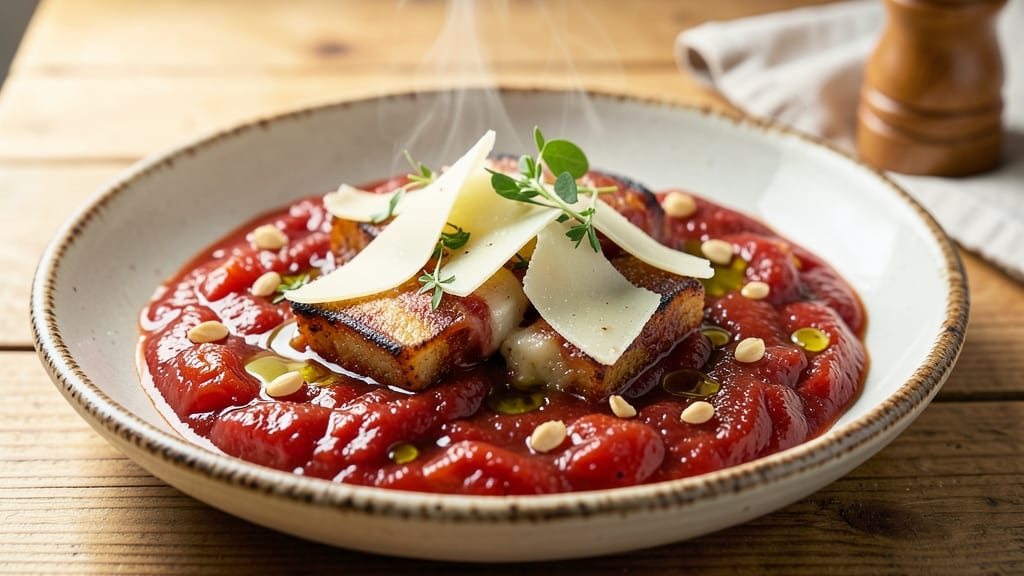
Jamie Oliver’s amatriciana sauce recipe transforms simple ingredients into a rich, umami-packed masterpiece that clings to pasta like liquid gold. The secret lies in guanciale—cured pork cheek—that renders into crispy fat, infusing the sauce with deep, savory notes before melting into a velvety tomato base. I’ve perfected this technique over years of Italian cooking, balancing acidity and salt to create a sauce that’s both bold and harmonious.
This sauce starts with slow-cooked tomatoes, reduced until they’re thick and jammy, then elevated with sharp pecorino cheese and a whisper of chili flakes for heat. The key? Never rush the reduction—patience lets the flavors meld into something restaurant-quality, not just homemade.
Jamie’s method ensures the sauce stays silky, never breaking, even when tossed with al dente bucatini.
What makes this recipe stand out is its versatility—use it as a pasta sauce, a drizzle for bruschetta, or even a marinade for grilled meats. The guanciale (or pancetta in a pinch) adds layers of flavor that store-bought sauces can’t match, while the pecorino delivers that signature tangy bite.
One taste, and you’ll understand why this sauce is a staple in Italian trattorias.
The best part? It keeps beautifully in the fridge for up to 5 days, or you can freeze it for months. Just reheat gently—never boil—to preserve that perfect balance of richness and acidity. Ready to elevate your pasta nights? Let’s make this sauce.
Ingredients for amatriciana sauce recipe jamie oliver
Eight essential ingredients create Jamie Oliver's velvety amatriciana sauce, rich with guanciale and pecorino.
| Ingredient | Amount | Notes |
|---|---|---|
| Guanciale 🥓 | 8 oz | Cured pork cheek, diced small |
| San Marzano Tomatoes 🍅 | 28 oz | Canned, crushed by hand |
| Extra-Virgin Olive Oil 🫒 | ¼ cup | High quality, fruity variety |
| Garlic Cloves 🧄 | 4 cloves | Peeled, thinly sliced |
| Pecorino Romano Cheese 🧀 | ¾ cup | Freshly grated, coarse |
| White Wine 🍷 | ½ cup | Dry, Italian variety preferred |
| Chili Flakes 🌶️ | 1 tsp | Adjust for heat preference |
| Salt 🧂 | 1 ½ tsp | Diamond Crystal kosher preferred |
| Black Pepper 🌶️ | ½ tsp | Freshly cracked |
| Fresh Basil Leaves 🌿 | ¼ cup | Chopped, for finishing |
Guanciale is non-negotiable for authentic flavor—Italian specialty stores or high-end butchers carry it, often sold pre-cubed. If unavailable, pancetta works in a pinch, though it lacks the same depth. Look for San Marzano tomatoes in cans—they're sweeter and less acidic than regular brands. The olive oil should be fruity and peppery; California or Tuscan brands excel here. Pecorino Romano needs to be freshly grated from a block—pre-grated cheese won't melt properly and lacks texture. For the wine, any dry Italian white like Pinot Grigio will do, but avoid oaky Chardonnays.
No guanciale? Pancetta or thick-cut bacon will work, though render less fat. Substitute white wine with chicken or vegetable stock plus a splash of vinegar for acidity. For the tomatoes, high-quality crushed tomatoes in a jar suffice if San Marzano isn't available, but add a pinch of sugar to balance acidity. Chili flakes can be omitted entirely for a milder sauce, or replaced with red pepper flakes at half the amount. The basil is purely decorative—skip it if you're not serving immediately, as it wilts quickly. For extra richness, add a splash of heavy cream at the end, though traditional recipes omit it.
This sauce tastes even better the next day as flavors meld. Store in an airtight container in the fridge for up to 5 days, or freeze for 3 months. To reheat, warm gently on the stove with a splash of water or pasta water—never boil, or it will break. Portion into ice cube trays before freezing for perfect single-use servings. The sauce thickens as it cools, so thin with a little pasta water when reheating if needed. Always taste before serving—adjust salt or pepper as necessary, remembering the pecorino adds significant saltiness.
Why You'll Love This Recipe
- I’ll be real: guanciale isn’t cheap, but it stretches far. A single pan of this sauce feeds four, and the leftovers turn into a quick breakfast or a fancy bruschetta topping. It’s the kind of dish that makes simple ingredients feel like a splurge without breaking the bank.
- No Chopping Chaos: I swear by this sauce because it only needs two ingredients chopped—garlic and tomatoes. The guanciale renders itself crispy with zero effort, and those San Marzano tomatoes? Just crush them by hand. Honestly, it’s the kind of recipe that makes me laugh because it’s so simple.
- Umami Bomb: That guanciale alone transforms this into something special—salty, fatty, and deep. When it caramelizes in the olive oil, then melts into the tomatoes, you get this perfect balance of rich, tangy, and cheesy. (Yes, even on a Tuesday night.)
- Leftovers That Shine: This sauce actually improves the next day. I make a big batch on Sundays, toss it with pasta for dinner, then reheat it for lunch—tastes even better cold in sandwiches. The Pecorino Romano adds this sharp, nutty kick that makes it feel fresh every time.
Step-by-step instructions for Jamie Oliver's amatriciana sauce
This classic Roman sauce delivers rich, peppery depth with perfect balance—here's how to nail it every time.
Render the Guanciale Until Golden
Heat the 0.25 cup extra-virgin olive oil in a large, heavy-bottomed saucepan over medium-low heat. Add the 8 oz guanciale and cook undisturbed for 8-10 minutes until the fat renders and the meat turns deep golden brown. I press down gently on the guanciale during the first minute—this prevents it from curling and ensures even contact with the pan.
Resist the urge to stir frequently. The guanciale needs time to develop that beautiful crispy crust and render its fat. Once the meat is golden and the fat has mostly separated (you should have about 2 tablespoons of rendered fat remaining), remove the guanciale with a slotted spoon and set it aside on a paper towel-lined plate. Discard any excess fat that hasn't rendered—you want to keep the flavor concentrated.
Sauté Garlic and Deglaze with Wine
In the same pan (no need to clean it—the browned bits are pure flavor), add the 4 cloves garlic cloves and the 1 tsp chili flakes. Cook over medium heat for 1-2 minutes until the garlic turns pale golden and fragrant. Be careful not to let it burn—garlic turns bitter quickly.
Pour in the 0.5 cup white wine and scrape up all those delicious browned bits from the bottom of the pan with a wooden spoon. This deglazing step captures all the meaty flavor that would otherwise stick to the pan. Let the wine simmer for 3-4 minutes until it reduces by half and the alcohol cooks off completely. You'll smell the aroma intensify as the wine transforms into a rich, savory base.
Build the Tomato Base
Add the 28 oz San Marzano tomatoes (crushed by hand) to the pan along with the 1.5 tsp salt and 0.5 tsp black pepper. Stir well to combine, then reduce the heat to low. Let the sauce simmer gently for 20-25 minutes, stirring occasionally, until it thickens slightly and the tomatoes break down into a smooth, velvety consistency.
Here's the thing—don't rush this step. The tomatoes need time to mellow and develop their natural sweetness. You're looking for a sauce that coats the back of a spoon but still has some body to it. If it looks too thick, add 2-3 tablespoons of water to loosen it. The sauce should be rich but not gluey—think of it as a thick, luxurious broth rather than a paste.
Finish with Cheese and Guanciale
Return the reserved guanciale to the pan and stir to combine. Sprinkle in the 0.75 cup Pecorino Romano cheese and stir until it melts completely into the sauce, creating a creamy, peppery finish. Taste and adjust the seasoning if needed—you might need a touch more salt to balance the acidity of the tomatoes.
Remove the pan from heat and let the sauce rest for 5 minutes. This resting period allows the flavors to meld together perfectly. Before serving, stir in the 0.25 cup fresh basil leaves and any juices that may have accumulated. The basil adds a bright, fresh contrast to the rich, peppery sauce and keeps it vibrant.
Serve Immediately Over Pasta
Serve the amatriciana sauce immediately over al dente spaghetti or bucatini. The heat of the pasta will help distribute the sauce evenly. Toss gently to coat each strand completely, ensuring every bite delivers that perfect balance of tomatoes, guanciale, and pecorino.
For the ultimate presentation, garnish with additional Pecorino Romano cheese and a sprinkle of black pepper. The sauce should cling beautifully to the pasta, creating a luxurious, restaurant-quality dish right in your own kitchen. Each forkful should deliver layers of flavor—salty, peppery, umami-rich guanciale, sweet tomatoes, and sharp pecorino—all coming together in perfect harmony.
Pro Tips For Making Amatriciana Sauce Recipe Jamie Oliver
- CRISP THE GUANCIALE FIRST: I learned this the hard way—if you skip rendering the fat from the guanciale before adding garlic, you’ll end up with a watery, pale sauce. Cook the slices low and slow until the fat pools and the meat turns golden, then remove it and fry the garlic in that fat. The difference in flavor is night and day.
- USE WHOLE GARLIC, NO MINCING: Sounds weird, but it works: peel 3-4 cloves, smash them lightly with the flat of your knife, and leave them whole. They’ll soften and infuse the oil without burning, giving a sweeter, more aromatic base than minced garlic. (Yes, even if you’re impatient like me.)
- STIR THE TOMATOES CONSTANTLY: I used to dump the crushed tomatoes in and walk away. Big mistake—they’ll stick to the bottom and turn to mush. Keep the heat medium and stir every 30 seconds for the first 5 minutes. You’re building flavor, not just cooking.
- GRATE YOUR OWN PECORINO: Pre-shredded cheese is coated in anti-caking agents that make the sauce grainy. Use a microplane or fine grater for the Pecorino, and add it in stages—start with 2 tablespoons, taste, then add more. The sauce should coat the back of a spoon, not look like wet sand.
Dietary considerations for this dish
Gluten-Free Adaptations
Traditional amatriciana sauce is naturally gluten-free, but watch for hidden sources like wine or broth. Use a dry Italian white wine (like Pinot Grigio) and ensure your San Marzano tomatoes are canned without additives.
For extra insurance, check Pecorino Romano cheese labels—some brands process with gluten-containing equipment. The sauce itself remains safe, but always verify ingredient sources. 🌱
Dairy-Free Options
Replace Pecorino Romano with nutritional yeast (½ cup) for a cheesy flavor without dairy. For richness, add 1 tablespoon white miso paste or vegan Parmesan (made from almonds or cashews).
The sauce will still cling beautifully to pasta, though the texture will be slightly lighter. Taste as you go—dairy-free versions need extra umami to compensate. 🧀
Vegetarian Substitutes
Swap guanciale for smoked tofu or mushroom duxelles (finely chopped cremini mushrooms sautéed with garlic). For depth, add 1 teaspoon soy sauce or mushroom powder to mimic the umami.
The sauce will lose some fatty richness, so stir in 1 tablespoon olive oil at the end. Vegetarian versions work best with egg pasta for better sauce adhesion. 🍄
Low-Sodium Adjustments
Reduce salt to ½ teaspoon and omit chili flakes (they contain added sodium). Use low-sodium white wine and check your Pecorino Romano for salt content—some aged cheeses are saltier.
Boost flavor with extra black pepper (½ teaspoon) and 1 teaspoon lemon zest for brightness. Taste frequently—low-sodium versions need careful balancing. 🧂
Nut-Free Considerations
Amatriciana sauce is naturally nut-free, but verify all ingredients. Some Pecorino Romano brands process cheese in facilities with nuts, so check labels. For extra caution, use certified nut-free olive oil and organic San Marzano tomatoes (less likely to cross-contaminate). The sauce’s base remains safe, but always double-check packaging. 🌰
Keto-Friendly Modifications
This sauce is surprisingly keto-compatible! Skip the pasta and serve over zucchini noodles or shirataki rice noodles. Reduce tomatoes to 14 oz (lower carbs) and increase Pecorino Romano to 1 cup for extra fat.
The guanciale’s rendered fat adds richness without carbs, making it a perfect low-carb sauce. Just watch your portion size—cheese is high in fat. 🥦
Nutrition facts
Frequently asked questions
Can I substitute pancetta for guanciale in this recipe?
Yes, you can use pancetta as a substitute, though guanciale offers deeper flavor. Cut 8 oz pancetta into small cubes and render it in the same way, but expect slightly less fat. For extra richness, add 1 tablespoon olive oil to compensate. The texture will be slightly different but still delicious!
Why does my amatriciana sauce taste too acidic?
Acidity often comes from underripe tomatoes or insufficient reduction time. Use San Marzano tomatoes (sweeter and less acidic) and simmer the sauce longer—30-40 minutes instead of 20-25. Add a pinch of sugar or a splash of white wine to balance the acidity. Taste as you go!
How do I prevent the sauce from breaking when tossing with pasta?
Never boil the sauce—keep it at a gentle simmer (180°F). Reserve ½ cup pasta water before cooking and add it to the sauce if it thickens too much. Toss pasta in the sauce off-heat to avoid curdling. The sauce should coat the pasta like silk, not separate!
Can I make this sauce ahead of time?
This sauce tastes even better the next day. Store in an airtight container in the fridge for up to 5 days. Reheat gently on low heat, stirring occasionally, and add a splash of pasta water if it thickens. Freeze for up to 3 months—portion into ice cube trays for easy use!
What’s the best pasta to pair with this sauce?
Traditional bucatini or tonnarelli work best—their thick strands hold the sauce beautifully. For a lighter option, try spaghetti or linguine. Avoid thin noodles like angel hair, as they’ll overcook before the sauce clings. Always cook pasta 1 minute less than package instructions for al dente perfection!