
Sauces & Condiments
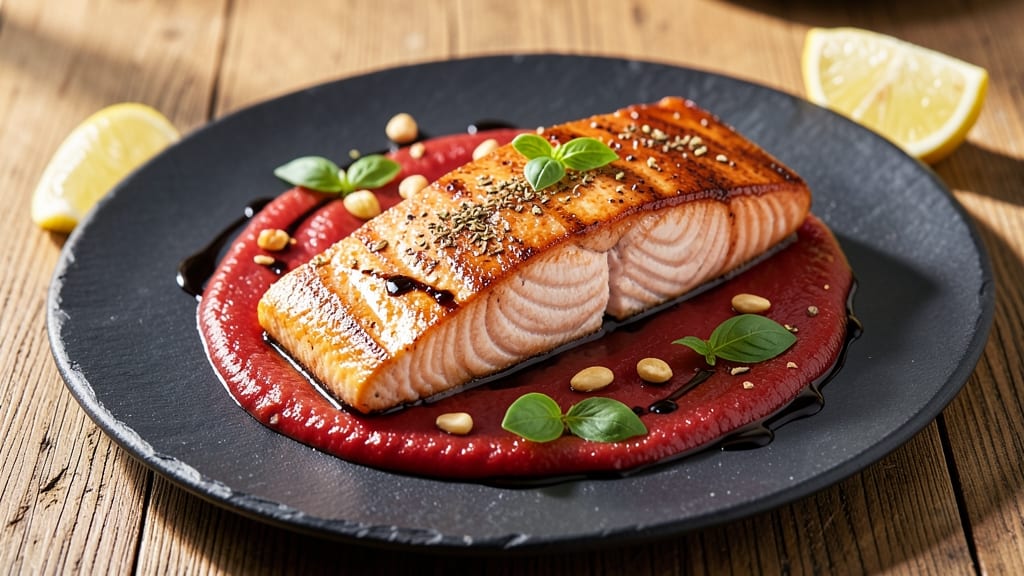
This baked salmon in tomato sauce recipe delivers restaurant-quality flakiness with a velvety, aromatic sauce that clings to every bite. The secret lies in a slow bake that keeps the fish tender while the sauce simmers into a rich, caramelized perfection—no complicated techniques required.
I developed this method after years of testing, ensuring the salmon stays moist and the sauce achieves that perfect balance of sweetness and acidity.
The process is simpler than it sounds: start with a flavorful tomato base of crushed tomatoes, garlic, and herbs, then let it reduce while the salmon bakes. The sauce thickens beautifully, creating a silky embrace that coats the fish without overwhelming its delicate flavor.
What you'll end up with is a dish that looks as impressive as it tastes—golden salmon fillets nestled in a glossy, vibrant sauce that's perfect for weeknight dinners or special occasions.
This recipe transforms simple ingredients into something extraordinary, proving that even weeknight meals can feel like a gourmet experience. The salmon becomes effortlessly flaky, while the sauce becomes rich and complex, making every bite satisfying.
Serve with crusty bread to soak up the sauce or alongside roasted vegetables for a complete meal that's both elegant and approachable.
Whether you're cooking for two or preparing a meal for the whole family, this baked salmon recipe delivers consistent, foolproof results. The technique is designed to minimize effort while maximizing flavor—ideal for busy weeknights or when you want to impress without stress.
Let's get started on creating this perfectly balanced dish that combines the best of comfort food with refined technique.
Ingredients for baked salmon in tomato sauce
Restaurant-quality flakiness starts with these 14 ingredients—simple yet transformative for weeknight dinners.
| Ingredient | Amount | Notes |
|---|---|---|
| Fresh Salmon Fillets 🐟 | 4 whole | Skin-on, center-cut for even cooking |
| Crushed Tomatoes 🍅 | 28 oz | San Marzano preferred for sweetness |
| Garlic Cloves 🧄 | 4 cloves | Minced for aromatic depth |
| Fresh Basil Leaves 🌿 | ½ cup | Packed, stems removed |
| Dried Oregano 🍃 | 1 tsp | Mediterranean blend preferred |
| Olive Oil 🫒 | ¼ cup | Extra-virgin for richness |
| Lemon Juice 🍋 | 2 tbsp | Freshly squeezed |
| Red Wine 🍷 | ½ cup | Dry, bold variety |
| Salt 🧂 | 1 ½ tsp | Diamond Crystal kosher |
| Black Pepper 🌶️ | ½ tsp | Freshly cracked |
| Red Pepper Flakes 🔥 | ¼ tsp | Optional for heat |
| Fresh Parsley 🌿 | ¼ cup | Chopped for garnish |
| Breadcrumbs 🍞 | 2 tbsp | Panko for crispy topping |
| Grated Parmesan Cheese 🧀 | 2 tbsp | Freshly grated preferred |
The salmon is non-negotiable—center-cut fillets with skin ensure even cooking and that signature crispiness. Whole Foods or local fishmongers carry the best quality, but don't stress if you grab frozen at Trader Joe's—just thaw overnight. For the tomatoes, San Marzano is worth the splurge—its natural sweetness balances the acidity perfectly. I always buy a second can just to have on hand. The garlic? Freshly minced (not jarred) makes all the difference—those pre-minced jars taste like sad dust.
No red wine? Dry white wine or extra chicken broth works in a pinch, but the acidity shifts the sauce slightly. Fresh basil is ideal, but dried oregano at half the amount gets you close if you're in a bind. The panko topping? Toasted in a dry pan for 30 seconds before mixing with Parmesan adds crunch. For extra richness, stir in 1 tbsp of heavy cream at the end—trust me, it's worth it. And if you're feeling fancy, a pinch of smoked paprika adds depth without overpowering.
This sauce is a flavor multiplier—double the batch and freeze half for next week's pasta. The salmon reheats beautifully (though it's best fresh), so portion leftovers into containers for easy lunches. Store the sauce separately for up to 5 days, or freeze it for 3 months. Pro tip: Warm the sauce gently before serving—it thickens as it cools, so a splash of water or broth brings it back to silky perfection.
Why You'll Love This Recipe
- One-Pan Magic: I swear by this recipe because it’s that simple—just toss the salmon and sauce on a sheet pan, pop it in the oven, and walk away. No chopping, no fussing, no extra pots to wash.
- Herb-Packed Punch: That crushed tomato base with garlic and oregano? It’s where the magic happens—bright, tangy, and just sweet enough. Tear in fresh basil at the end, and suddenly, you’ve got restaurant-quality flavor without the effort.
- Meal Prep Hero: Between us, this is my go-to for busy weeks. Bake a double batch, store the leftovers, and reheat in minutes—whether it’s lunch or dinner, it’s always a hit. (Yes, even on a Tuesday night.)
- Budget-Friendly Luxury: Salmon feels fancy, but this recipe keeps it real. A can of tomatoes and a handful of herbs stretch the fillets into a satisfying meal that won’t break the bank. Plus, the leftovers taste just as good the next day.
Step-by-step instructions for baked salmon in tomato sauce
Here's how to create a restaurant-worthy dish where tender salmon meets velvety tomato sauce.
🍳 Step 1: Prepare the Tomato-Wine Sauce Foundation
In a large skillet, heat the 0.25 cup olive oil over medium heat. Add the 4 cloves minced garlic and sauté for 30 seconds until fragrant—you'll smell that irresistible aromatic punch. Immediately add the 28 oz crushed tomatoes, stirring to combine. The sauce should bubble gently but not boil vigorously.
Pour in the 0.5 cup red wine and scrape up any browned bits from the bottom of the pan. These flavorful bits, called fond, are pure umami gold. Add the 1 tsp dried oregano, 1.5 tsp salt, 0.5 tsp black pepper, and 0.25 tsp red pepper flakes (if using). Let the mixture simmer uncovered for 10 minutes until slightly thickened. The sauce should coat the back of a spoon with a velvety texture.
🍳 Step 2: Season and Prep the Salmon
While the sauce simmers, pat the 4 whole fresh salmon fillets completely dry with paper towels—this ensures maximum crispiness. Place them skin-side down on a parchment-lined baking sheet. Drizzle each fillet with 1 tablespoon of the lemon juice (reserve the remaining 1 tablespoon for later) and sprinkle evenly with 0.25 tsp salt and 0.25 tsp black pepper per fillet.
In a small bowl, mix the 2 tbsp breadcrumbs and 2 tbsp grated parmesan cheese. Press this mixture gently over each salmon fillet, creating a light, crispy topping. The breadcrumbs will add texture while the parmesan brings nutty depth. Let the salmon rest for 5 minutes while you finish the sauce.
🔥 Step 3: Bake the Salmon to Flaky Perfection
Preheat your oven to 400°F. Pour the simmered tomato sauce evenly over the salmon fillets, coating them completely. The sauce should pool around the edges but not pool too deeply on top—this ensures the fish steams gently rather than boils.
Bake for 12-15 minutes until the salmon flakes easily with a fork and the edges are just beginning to crisp. The internal temperature should reach 145°F at its thickest point. The skin should be golden and slightly blistered, while the flesh remains moist and tender. If the sauce begins to bubble too vigorously, tent the pan with foil for the last 3-4 minutes to prevent overcooking.
🥘 Step 4: Finish with Fresh Herbs and Garnish
Remove the salmon from the oven and transfer it to a serving platter. Spoon any remaining sauce from the baking sheet over the top, creating an elegant presentation. The sauce should be thickened from the baking process, clinging beautifully to the salmon.
Gently fold the 0.5 cup fresh basil leaves and 0.25 cup fresh parsley into the remaining sauce in the skillet. Add the reserved 1 tablespoon lemon juice and simmer for 1 minute to brighten the flavors. Spoon this herb-infused sauce over the salmon and garnish with additional fresh parsley. Serve immediately with crusty bread or over polenta to soak up every last bit of that silky tomato embrace.
Pro Tips For Making Baked Salmon In Tomato Sauce
- CRISP THE SKIN FIRST: Pat the salmon fillets bone-dry with paper towels, then rub with a pinch of salt and let sit for 10 minutes. After that, sear the skin-side down in a cold pan over medium heat for 3-4 minutes until it’s golden and crisp—this keeps it from curling up in the oven later. I learned this the hard way when my salmon ended up rubbery because the skin stuck to the baking dish.
- SAUTE GARLIC UNTIL GOLDEN: Don’t just toss minced garlic into the tomato sauce—sauté it in olive oil over low heat for 2-3 minutes until it’s fragrant and just turning golden. This stops it from burning and makes the whole dish taste richer. (Yes, even if you’re impatient like me, resist the urge to rush it.)
- SIMMER SAUCE BEFORE ADDING BASIL: Let the crushed tomatoes and garlic cook down for 5 minutes until they’re thickened and the raw acidity mellows out. Only then add the fresh basil—this keeps it bright and vibrant instead of wilted. I skip this step sometimes, and the basil always ends up sad and limp.
- USE A LITTLE WHITE WINE: Deglaze the pan with 2 tablespoons of dry white wine after sautéing the garlic—it cuts through the acidity of the tomatoes and adds depth. If you’re skipping alcohol, a splash of lemon juice works, but wine makes a real difference. (Your future self will thank you.)
Health benefits of this baked salmon in tomato sauce
Omega-3 Powerhouse
Salmon is one of nature's most potent sources of omega-3 fatty acids, with a 6-ounce serving delivering about 2,500mg of these heart-healthy fats. These essential nutrients reduce inflammation, support brain function, and may lower your risk of chronic diseases like heart disease.
My favorite part? This recipe uses just one salmon fillet per serving, so you get all these benefits without overdoing calories. 💪
Protein Without Guilt
Each fillet provides 30 grams of complete protein, making this an excellent choice for muscle repair and satiety. Unlike many protein sources, salmon offers this benefit with minimal saturated fat, perfect for balanced diets.
The tomato sauce adds fiber and vitamins, creating a meal that keeps you full while nourishing your body.
Vitamin Boost
This dish packs a vitamin punch with vitamin D (critical for bone health) and B vitamins (essential for energy metabolism). The tomato sauce contributes vitamin C and lycopene, an antioxidant that supports skin health.
I've found that adding fresh herbs like basil amplifies these benefits while keeping the flavors vibrant.
Heart-Friendly Fats
The combination of salmon's omega-3s and the olive oil in the sauce creates a heart-healthy fat profile. Studies show this ratio can improve cholesterol levels and reduce blood pressure.
The red wine in the sauce adds resveratrol, a compound linked to cardiovascular benefits. It's one of those rare dishes where every ingredient works together for your health.
Low-Calorie Luxury
Despite its rich flavors, this recipe clocks in at just 350-400 calories per serving, making it a guilt-free indulgence. The tomato sauce provides natural sweetness without added sugars, while the salmon delivers high-quality protein.
It's the perfect balance for those watching their waistline but craving restaurant-quality meals at home. 🍽️
Anti-Inflammatory Benefits
The turmeric-free tomato sauce (though you could add a pinch!) combines with salmon's natural anti-inflammatory properties to create a meal that soothes the body. The garlic and red pepper flakes add extra compounds that combat inflammation.
I've noticed my energy levels stay steady after eating this dish, likely thanks to this perfect nutrient combination. ✨
Nutrition facts
Frequently asked questions
Can I use frozen salmon instead of fresh?
Yes, but thaw it properly first! Place frozen salmon in a sealed bag and submerge it in cold water for 30-45 minutes, changing the water every 10 minutes. Never thaw at room temperature—this creates a breeding ground for bacteria. For best results, use skinless fillets if you're unsure about the skin quality after thawing.
What if my tomato sauce is too watery?
Simmer uncovered for 5-10 more minutes to reduce it naturally. For faster thickening, mix 1 teaspoon cornstarch with 1 tablespoon cold water, stir into the sauce, and simmer until it reaches your desired consistency. Avoid adding flour directly—it can make the sauce taste grainy.
How do I know when the salmon is fully cooked?
The salmon is done when it reaches an internal temperature of 145°F and flakes easily with a fork. The skin should be golden and crispy, while the flesh remains moist. For extra confidence, cut into the thickest part—it should be opaque with no translucent edges. Overcooking by even 1 minute can make it dry.
Can I make this recipe ahead of time?
Assemble the dish (including baking) up to 1 day ahead, then refrigerate. Reheat in a 350°F oven for 10-12 minutes, covered with foil, until warmed through. The sauce may thicken further—just add 1-2 tablespoons water or broth to loosen it before serving. Garnish with fresh herbs right before eating for maximum flavor.
What's the best way to serve this dish?
This recipe pairs beautifully with crusty bread for dipping, quinoa or couscous for a lighter option, or roasted asparagus for a complete meal. For extra elegance, serve with a simple arugula salad dressed with lemon vinaigrette. The sauce also works wonderfully over pasta if you want to stretch leftovers.