
Sauces & Condiments
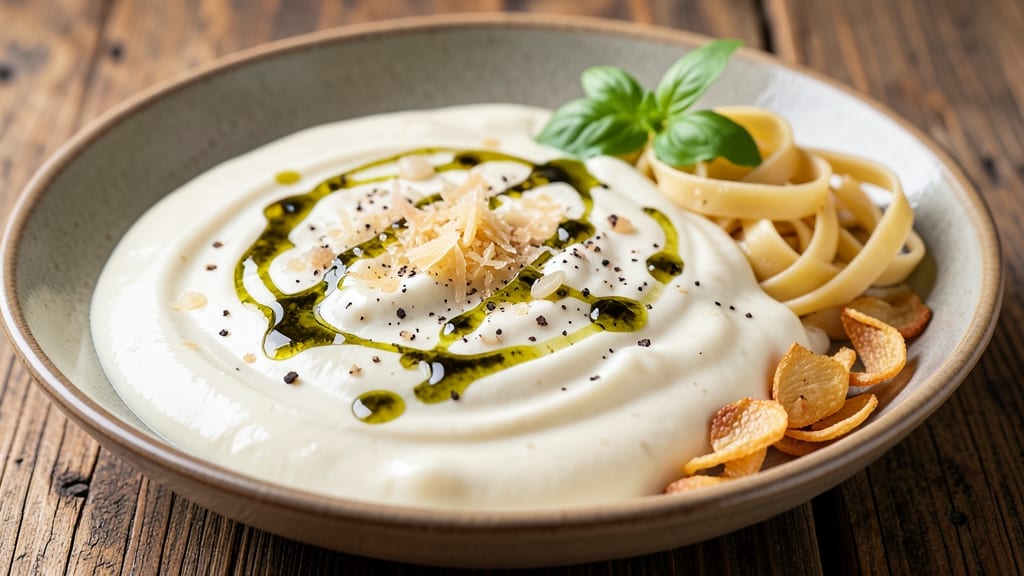
This Alfredo sauce recipe using Greek yogurt delivers all the creamy richness of classic fettuccine Alfredo—without heavy cream or cloying heaviness. The secret lies in blending Greek yogurt with butter and parmesan, creating a velvety sauce that clings perfectly to pasta while staying surprisingly light.
I developed this version after years of testing lighter alternatives, and it’s become my go-to for both weeknight dinners and restaurant-worthy dishes.
The magic happens when you whisk warm yogurt with melted butter and freshly grated parmesan, letting the heat gently emulsify the mixture. This method ensures a silky texture without the need for flour or cornstarch, while the tangy yogurt balances the richness of the cheese.
The sauce thickens beautifully when tossed with hot pasta, coating each strand in that signature creamy goodness.
What you’ll end up with is a sauce that’s lighter than traditional Alfredo but just as indulgent, with a subtle tang that brightens the dish. It works perfectly over fettuccine, as a dip for breadsticks, or even as a creamy topping for roasted vegetables.
The best part? It comes together in just 10 minutes with simple pantry staples.
Store leftovers in the fridge for up to 5 days, or freeze for longer shelf life. The flavor actually improves as it sits, making this the ultimate make-ahead sauce for busy nights. Ready to transform your pasta game?
Ingredients for alfredo sauce recipe using greek yogurt
Greek yogurt, butter, and Parmesan create this velvety Alfredo—light yet rich, with no heavy cream needed.
| Ingredient | Amount | Notes |
|---|---|---|
| Plain Greek Yogurt 🥛 | 1 ½ cups | Full-fat for creaminess, unsweetened |
| Unsalted Butter 🧈 | ½ cup | Cold, cubed for even melting |
| Freshly Grated Parmesan Cheese 🧀 | 1 ½ cups | From a block, not pre-grated |
| Heavy Cream 🥛 | ¼ cup | For extra richness (optional) |
| Garlic Cloves 🧄 | 2 cloves | Minced, for subtle aromatic depth |
| Extra-Virgin Olive Oil 🫒 | 2 tbsp | For emulsification and richness |
| Diamond Crystal Kosher Salt 🧂 | ½ tsp | Adjust to taste |
| Freshly Ground Black Pepper 🌶️ | ¼ tsp | For finishing |
| Nutritional Yeast 🍄 | 1 tbsp | For cheesy depth (optional) |
| Lemon Juice 🍋 | 1 tsp | Brightens the tang |
The Greek yogurt is non-negotiable here—full-fat for creaminess, and plain, unsweetened to avoid flavor interference. I always grab Fage 5% or Siggi's from the refrigerated section, as they have the highest fat content for that signature Alfredo texture. The Parmesan? Freshly grated from a block is essential—pre-grated cheese contains anti-caking agents that make the sauce grainy. For the butter, cold cubes melt more evenly than softened sticks, giving you a smoother emulsion. If you're using a non-dairy Parmesan alternative, make sure it's labeled 'grates like Parmigiano-Reggiano'—some brands fall apart in sauces.
No heavy cream? Skip it entirely—the yogurt and butter combo is rich enough. Short on Parmesan? Pecorino Romano works beautifully at a 1:1 ratio, though it's saltier so taste as you go. The garlic can be roasted for a sweeter note or minced raw for sharpness. For extra tang, add 1 tsp white wine vinegar instead of lemon juice. The nutritional yeast is optional but adds that umami kick—Bob's Red Mill is my go-to brand. If you're making this ahead, add the lemon juice and garlic just before serving to preserve their freshness.
This sauce is a fridge staple—5 days max in an airtight container, though it tastes even better the next day as flavors meld. For freezing, cool completely first and portion into ice cube trays before transferring to a bag. Thaw in the fridge overnight. The sauce thickens as it cools, so add a splash of warm water or milk when reheating. I make a double batch every time—one for pasta, one for dipping roasted broccoli. The leftovers keep beautifully in the freezer for up to 3 months, making this the ultimate make-ahead sauce for busy weeks.
Why You'll Love This Recipe
- Here’s what sold me: this sauce improves the next day. The flavors meld, the texture smooths out, and it reheats like a dream. Plus, it’s budget-friendly—Greek yogurt and butter stretch further than you’d think, and you’ll use less Parmesan than traditional recipes. My freezer’s always got a jar of this ready for lazy Mondays.
- No Fuss, Big Payoff: I swear by this sauce because it’s the kind of recipe that lets you skip the stress. Three minutes of stirring—no simmering, no waiting for roux to thicken—just melt butter, fold in yogurt, and let that Parmesan do its magic. The secret? Greek yogurt cuts the richness without watering down the flavor, so it’s creamy but never heavy.
- Garlic-Parmesan Magic: That first bite? Rich, tangy, and unexpectedly bright. The yogurt keeps it from being too heavy, while the heavy cream adds that classic Alfredo silkiness. Freshly grated Parmesan (none of that pre-shredded stuff) gives it a sharp, salty finish that makes it taste like you slaved over it—even though you didn’t.
- Weeknight to Dinner Party: This sauce works everywhere. Toss it with fettuccine for a quick weeknight dinner, drizzle it over grilled chicken for a restaurant-worthy main, or even use it as a dip for crusty bread when friends drop by. Between us? I’ve served it at both my kitchen table and my in-laws’ dining room—no judgment either way.
Step-by-step instructions for Alfredo sauce using Greek yogurt
This velvety sauce comes together in minutes with simple techniques for perfect texture.
Melt Butter and Infuse with Garlic
In a medium saucepan, melt the 0.5 cup unsalted butter over medium-low heat. I like to use cold, cubed butter for even melting and better flavor development. Once fully melted, add the 2 minced garlic cloves and cook for 1-2 minutes until fragrant but not browned—just enough to release their sweet aroma without bitterness.
Watch the pan carefully—garlic burns quickly. If it starts to color, immediately remove from heat and let it cool slightly. The butter should be gently bubbling but not foaming excessively. This step builds the aromatic foundation for your sauce, so don't rush it.
Whisk in Parmesan and Nutritional Yeast
Reduce heat to low and gradually whisk in the 1.5 cups freshly grated parmesan cheese. I use a wire whisk for smooth incorporation—this prevents clumping and ensures even distribution. Add the 1 tablespoon nutritional yeast at the same time. The cheese will melt slowly, creating a thick, creamy base.
Here's the thing—don't walk away. Constant whisking prevents the cheese from seizing up. You'll see the mixture transform from grainy to smooth over 3-4 minutes. If it starts to look too thick, add 1-2 tablespoons hot water to loosen it slightly while maintaining that rich, cheesy texture.
Incorporate Greek Yogurt and Olive Oil
Remove the pan from heat and let it cool for 1 minute—this prevents the yogurt from curdling when added. Gradually whisk in the 1.5 cups plain Greek yogurt and 2 tablespoons extra-virgin olive oil. The olive oil helps emulsify the sauce, giving it that luxurious, velvety finish you'd expect from traditional Alfredo.
Return the pan to low heat and whisk continuously for 2-3 minutes until the mixture thickens slightly. You're looking for a consistency that coats the back of a spoon but still flows smoothly. If it's too thick, add 1 tablespoon hot water at a time until you reach the perfect coating texture.
Finish with Cream and Seasonings
Add the 0.25 cup heavy cream and whisk until fully incorporated. The cream adds that extra richness while keeping the sauce lighter than traditional versions. Stir in the 0.5 teaspoon kosher salt, 0.25 teaspoon black pepper, and 1 teaspoon lemon juice. The lemon brightens the tang, cutting through the richness beautifully.
Taste and adjust seasoning—this is where you can really customize it. I usually add a pinch more salt or a splash of lemon if needed. The sauce should be perfectly balanced: creamy, cheesy, with just a hint of brightness. Keep the pan on low heat while you prepare your pasta or protein to serve immediately.
Pro Tips For Making Alfredo Sauce Recipe Using Greek Yogurt
- Temper the Yogurt: Dump that cold Greek yogurt straight into your warm butter and cream, and you’re asking for a sauce that’ll split like a bad friendship. Instead, whisk the yogurt into the warm mixture gradually—start with half, let it melt into the base, then add the rest. This keeps the texture creamy, not curdled. (I learned this the hard way after making a sauce that looked like cottage cheese.)
- Grate Parmesan Fresh: Pre-grated Parmesan is convenient, but it’s also coated in anti-caking agents that turn your sauce into a gritty mess. Use a microplane or fine grater—yes, it takes 30 seconds—and your sauce will taste richer and smoother. If you’re lazy (like me some days), at least pick the kind labeled “freshly grated” at the store.
- Bloom the Garlic: Tossing raw garlic cloves into your sauce is a one-way ticket to a dish that tastes like a garlic press exploded. Instead, mince the garlic finely and cook it in the butter for 30 seconds until fragrant but not browned. This infuses the flavor without bitterness—trust me, your taste buds will notice.
- Finish with Butter: Your sauce might look done, but adding a pat of cold butter at the end—while whisking—gives it that velvety mouthfeel and a subtle richness. I skip this sometimes, and the sauce still works, but it’s the little detail that makes it feel restaurant-worthy. (And it’s easier than you think—just toss in a cube and let it melt.)
Best sauces and condiments for this recipe
Creamy Pasta Pairings
This Greek yogurt Alfredo sauce clings beautifully to fettuccine or linguine, but don’t limit yourself to pasta. Toss it with roasted asparagus or grilled chicken for a protein-packed meal.
I love using it as a dip for garlic bread or crispy Brussels sprouts—just warm the sauce slightly before serving. 🌟
Vegetarian Protein Boost
For extra protein, stir in 1 cup cooked chickpeas or crumbled feta before serving. The yogurt base makes it naturally vegetarian-friendly, but you can also add grilled shrimp or seared scallops for a seafood twist. Keep the sauce warm on low heat while cooking proteins to maintain its velvety texture.
Dip for Fresh or Crispy
This sauce doubles as an incredible dip—serve it warm with baked potato wedges, pita chips, or cucumber slices for a refreshing contrast. For extra crunch, sprinkle toasted pine nuts or crumbled bacon on top.
I like to add a pinch of red pepper flakes for a subtle kick when using it as a dip. ✨
Sauce for Soups and Stews
Stir a ladle of this Alfredo into creamy tomato soup or butternut squash stew for instant richness. The yogurt base blends seamlessly, adding a tangy depth without overpowering other flavors. I often use it to finish creamy risotto or mac and cheese for a restaurant-quality touch.
Breakfast Twist
Yes, you read that right! This sauce works as a creamy topping for pancakes or waffles, especially when paired with maple syrup and fresh berries. For a savory breakfast, drizzle it over scrambled eggs or hash browns—the tangy yogurt balances the richness perfectly. 💛
Global Flavor Fusion
Transform this sauce into a Middle Eastern-inspired dip by adding minced mint and pomegranate seeds. For an Italian twist, fold in sun-dried tomatoes and basil.
I’ve even used it as a base for alfredo-style pizza sauce—just spread it thinly on the dough before adding toppings. The possibilities are endless! 🌍
Nutrition facts
Frequently asked questions
Why does Greek yogurt make Alfredo sauce lighter?
Greek yogurt replaces heavy cream while providing protein and fat that create the same creamy texture—but with fewer calories. The tanginess also brightens the dish, balancing the richness of the cheese. Plus, it thickens beautifully when warmed, just like traditional Alfredo.
Can I use this sauce for vegetarian dishes only?
The yogurt base makes it naturally vegetarian-friendly, but you can easily add proteins like grilled chicken, seared scallops, or crumbled feta for extra depth. The sauce works perfectly over roasted veggies too.
What if my sauce gets too thick?
Simply whisk in 1 tablespoon warm water at a time until you reach a smooth, coating consistency. The yogurt base thickens as it cools, so reheating with a splash of water or milk restores its silky texture. Never skip the whisking—it prevents lumps!
How do I prevent the yogurt from curdling?
Always remove the pan from heat before adding yogurt and let it cool slightly for 1 minute. Then whisk it in gradually while the sauce is still warm but not hot. The olive oil in the recipe also helps stabilize the emulsion. If it starts to separate, whisk vigorously and return to low heat for 30 seconds.
Can I make this ahead of time?
Yes! Store leftovers in an airtight container in the fridge for up to 5 days. The flavor actually improves as it sits. For freezing, cool completely, portion into ice cube trays, and transfer to a bag. Thaw overnight in the fridge—add a splash of warm water when reheating to restore creaminess.