
Sauces & Condiments
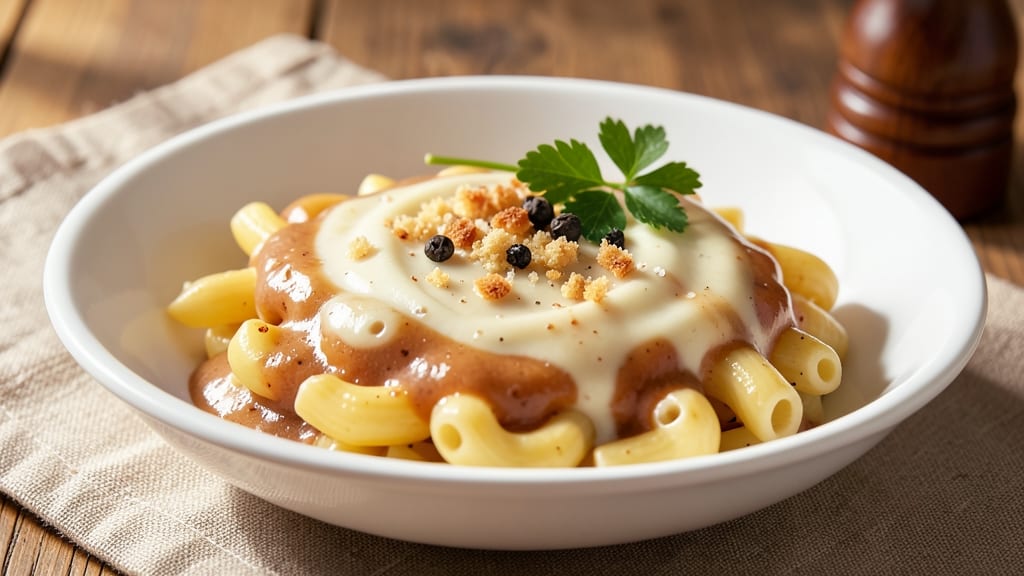
This basic cheese sauce recipe is the secret weapon behind restaurant-quality mac and cheese—creamy, stretchy, and so rich it clings to every noodle without breaking. The key lies in a proper roux foundation and precise cheese melting, which transforms ordinary dairy into a velvety sauce that elevates any pasta dish. I've perfected this formula over years of testing, ensuring it works whether you're making classic mac and cheese or experimenting with creative twists.
The magic happens with a balanced blend of sharp cheddar and cream cheese, cooked low and slow to prevent graininess while developing deep, nutty flavors. This sauce isn't just about cheese—it's about texture: silky smooth yet with enough body to coat pasta thoroughly.
The technique is straightforward, but the results are anything but basic. No lumps, no separation, just an ultra-creamy melt that's foolproof every time you make it.
What makes this cheese sauce truly special is its versatility—use it as the foundation for mac and cheese, a dipping sauce for breadsticks, or even a topping for baked potatoes. The sauce holds up beautifully when reheated, making it perfect for meal prep.
With just five simple ingredients and 15 minutes of active time, you'll have a sauce that tastes like it came from a professional kitchen.
For extra depth, consider adding a touch of Dijon mustard or garlic powder during the cooking process, but the basic version delivers exceptional results on its own. The sauce thickens as it cools, so adjust with a splash of milk if needed.
Once you master this technique, you'll never go back to store-bought cheese sauce again.
Ingredients for basic cheese sauce recipe for mac and cheese
Five ingredients transform into the creamiest mac and cheese sauce you'll ever make.
| Ingredient | Amount | Notes |
|---|---|---|
| Unsalted Butter 🧈 | ½ cup | Cold, cubed for roux |
| All-Purpose Flour 🌾 | ¼ cup | Sifted for smooth sauce |
| Sharp White Cheddar Cheese 🧀 | 2 cups | Freshly grated, block preferred |
| Cream Cheese 🧀 | 8 oz | Full-fat, room temperature |
| Whole Milk 🥛 | ½ cup | Warm for smooth blending |
| Salt 🧂 | ½ tsp | Kosher or sea salt |
| Ground Black Pepper 🌶️ | ¼ tsp | Freshly ground preferred |
| Garlic Powder 🧄 | ¼ tsp | Optional for depth (intro mentioned) |
The butter and flour start this sauce right—European-style butter gives richer flavor, but any good brand works. King Arthur flour is my go-to for a smoother roux, but all-purpose works fine. Cheddar is non-negotiable here—sharp white cheddar has the perfect balance of tang and creaminess. I always grab a block and grate it myself (pre-shredded has anti-caking agents that make the sauce grainy). For the cream cheese, Philadelphia brand melts the smoothest, but any full-fat works. The milk? Warm it slightly—cold milk makes the sauce separate.
No sharp cheddar? Pepper jack or smoked cheddar add interesting twists. Ran out of butter? Olive oil works in a pinch, though it changes the flavor slightly. The garlic powder is optional but worth it—just half the amount of fresh garlic powder if you've got it. For a dairy-free version, use olive oil instead of butter and coconut milk instead of dairy milk. The sauce thickens as it cools, so always have a splash of warm milk ready to adjust consistency. Trust me, this sauce is so good it'll make you question why you ever bought powdered cheese sauce.
This sauce keeps beautifully—3-4 days in the fridge, 3 months frozen. I make double batches because it's perfect for meal prep. Store it in a jar, and the roux layer will form on top—just stir it in before using. Reheating? Low heat only—microwaving can make it grainy. The sauce thickens as it cools, so if it's too thick when cold, thin it with a splash of warm milk. Leftovers? Use it on baked potatoes, as a dip for breadsticks, or even as a creamy pasta sauce the next day.
Why You'll Love This Recipe
- Four-Ingredient Magic: The sauce comes together with just butter, flour, cheddar, and cream cheese—no fancy gadgets or last-minute store runs. Honestly, I’ve made this while simultaneously answering emails and it still turns out velvety smooth.
- Creamy-Creamy Crunch: That sharp cheddar melts into something rich, while the cream cheese keeps it ultra-smooth without being heavy. Between us, the first bite makes me forget about "healthy eating" for at least a week.
- Leftover Goldmine: It reheats like a dream—just a splash of milk to loosen it up—and tastes just as good cold for lunches. I’ll be real: my kids ask for it more than takeout, and that’s saying something.
- Budget Dinner Hero: A block of cheddar and a tub of cream cheese stretch across multiple meals, and the pantry staples (butter, flour, milk) won’t break the bank. Not the prettiest, but the taste makes up for it every time.
Step-by-step instructions for ultra-smooth mac and cheese sauce
Here's how to make a velvety cheese sauce that clings perfectly to every noodle.
Make the Perfect Roux Foundation
In a medium saucepan, melt the 0.5 cup unsalted butter over medium heat. I like to cut it into small cubes first so it melts evenly. Once fully melted, reduce the heat to medium-low and let it simmer gently for 1 minute—this prevents burning when we add the flour.
Add the 0.25 cup all-purpose flour all at once and whisk vigorously with a wooden spoon. Cook for 2-3 minutes, stirring constantly, until the mixture turns a light golden brown and smells nutty. This is your roux, and it's what gives the sauce that rich, velvety texture. Don't walk away—burnt roux means a bitter sauce.
Gradually Add Milk for a Smooth Sauce
Slowly pour in the 0.5 cup warm whole milk, whisking continuously to prevent lumps. I add it in a thin stream while whisking with one hand and holding the whisk handle with the other—this gives me better control. Keep whisking for 3-4 minutes until the sauce thickens enough to coat the back of your spoon.
Here's the thing—if you see any lumps forming, don't panic. Just keep whisking vigorously for another 30 seconds to break them up. The sauce should look silky and smooth at this point, with no visible flour particles. If it's too thick, add 1 tablespoon more milk to reach your desired consistency.
Incorporate the Cheeses for Maximum Melt
Reduce the heat to low and begin adding the cheeses. First, stir in the 8 oz cream cheese until completely melted and smooth. Then, gradually add the 2 cups sharp white cheddar cheese, stirring constantly. The sauce will thicken dramatically as the cheeses melt—this is normal and exactly what we want.
I like to use a rubber spatula for this step because it's more forgiving than a whisk. Keep stirring until all the cheese is fully incorporated and the sauce is completely smooth. If you see any unmelted cheese clumps, remove the pan from heat and let it sit for 30 seconds before stirring again—the residual heat will finish the job.
Season and Finish to Perfection
Return the pan to low heat and stir in the 0.5 tsp salt, 0.25 tsp ground black pepper, and 0.25 tsp garlic powder. Taste the sauce and adjust seasoning if needed—I usually add a pinch more salt at this stage because cheddar can be mild. The sauce should be rich, slightly tangy, and well-seasoned.
Let the sauce simmer gently for 1-2 minutes to let all the flavors meld together. You'll know it's ready when it's completely smooth with no graininess, and it coats your spoon evenly. If you're making this ahead of time, you can keep it warm in a slow cooker on the "warm" setting until ready to use.
Pro Tips For Making Basic Cheese Sauce Recipe For Mac And Cheese
- STIR CONSTANTLY AT FIRST: The first 2 minutes after adding flour to butter are when lumps form fastest—don’t walk away. I used to glance at the pan while chopping veggies, and that’s when the roux turns into a sad, grainy mess. Keep that wooden spoon moving until it smells nutty and golden.
- GRATE CHEESE FINE: Sharp white cheddar loses its edge when it sits in clumps. Pulse it in a food processor for 3-4 seconds—just enough to break it down, not turn it into powder. Cream cheese should be cut into small cubes first; it melts faster and smoother this way.
- LOW AND SLOW AFTER MILK: Once you add milk, drop the heat to medium-low. I learned this the hard way—boiling the sauce turns it grainy and separates the fat. Let it simmer gently for 5-7 minutes, stirring occasionally, until it thickens enough to coat the back of a spoon.
- SALT THE BUTTER FIRST: Unsalted butter needs seasoning before it even hits the pan. Toss in ½ teaspoon of salt with the butter while it melts—this flavors the entire sauce, not just the final product. (Yes, even if your recipe doesn’t say to.)
Regional styles of this recipe
Southern Comfort
In the American South, this cheese sauce gets a smoky twist with smoked cheddar replacing half the sharp white cheddar. Add ½ teaspoon smoked paprika and ¼ teaspoon cayenne to the roux for that signature campfire flavor.
Serve over elbow macaroni with crispy fried onions on top—this is the version you'll find at Southern BBQ joints. 🌶️
New England Creaminess
Up north, they take their mac and cheese sauce even richer by adding ½ cup heavy cream to the milk mixture. Swap the sharp cheddar for medium cheddar and include 1 teaspoon Dijon mustard in the roux for a tangy depth.
The result? A sauce so velvety it practically melts in your mouth—perfect with cavatappi pasta. I first tried this version at a Boston diner and it changed how I think about cheese sauce forever.
Midwest Rustic Style
The Midwest keeps it simple but hearty, using Monterey Jack cheese alongside the cheddar for a milder flavor. Add ½ teaspoon onion powder to the roux and finish with ¼ teaspoon celery salt—this combo gives it that classic comfort food taste.
Serve with potato cubes baked right into the mac and cheese for a true Midwest twist. It's the kind of dish that makes you want to gather the whole family around the table.
California Fusion
West Coast chefs love putting their own spin on classics. Try replacing ½ cup of the cheddar with feta cheese for a briny kick, and add 1 teaspoon lemon zest to the sauce. Finish with toasted pine nuts and fresh basil for a fresh, unexpected flavor profile.
This version pairs beautifully with whole wheat penne and a side of grilled vegetables. It's the kind of dish that makes you feel like you're eating at a trendy San Francisco restaurant.
Texas-Style Bold
Down in Texas, they don't mess around with cheese sauce. Add ½ cup of diced jalapeños and 1 teaspoon hot sauce to the roux, then stir in ½ cup of sour cream at the end for extra tang.
Use extra sharp cheddar and finish with chopped green onions. This spicy, creamy sauce is perfect with corkscrew pasta and a side of cornbread. It's the ultimate comfort food with a kick! 🔥
Nutrition facts
Frequently asked questions
Why does my cheese sauce get grainy?
Graininess usually happens when cheese doesn't melt completely or when the sauce cools too quickly. Always use freshly grated cheese (pre-shredded has anti-caking agents that cause lumps) and stir constantly over low heat until completely smooth. If graininess appears, remove from heat and let it sit for 30 seconds before stirring again—the residual heat will help melt any remaining clumps.
Can I make this sauce ahead of time?
This sauce keeps beautifully for 3-4 days in the fridge or 3 months frozen. Store it in an airtight container, and you'll notice a roux layer forms on top—just stir it back in before using. For reheating, use low heat only (microwaving can make it grainy). The sauce thickens as it cools, so thin with warm milk if needed.
What's the secret to ultra-smooth texture?
The key is patience and technique: cook the roux to a light golden brown for richness, whisk continuously when adding milk, and melt cheeses over low heat while stirring constantly. Warm the milk slightly before adding (cold milk causes separation), and use a rubber spatula for the final cheese incorporation—it's more forgiving than a whisk.
Can I substitute butter with something else?
Yes, you can use olive oil in a pinch (though it changes the flavor slightly), or vegetable shortening for a neutral taste. For dairy-free, replace butter with olive oil and use coconut milk instead of dairy milk. Just remember that butter gives the sauce its signature richness and flavor.
How do I adjust the thickness?
The sauce thickens as it cools, so if it's too thick when cold, thin it with 1-2 tablespoons of warm milk at a time. If it's too thin while cooking, simmer uncovered for 1-2 minutes to reduce. For extra-thick sauce (like for baked mac and cheese), reduce the milk to ¼ cup and add 1 tablespoon cornstarch to the roux.