
Sauces & Condiments
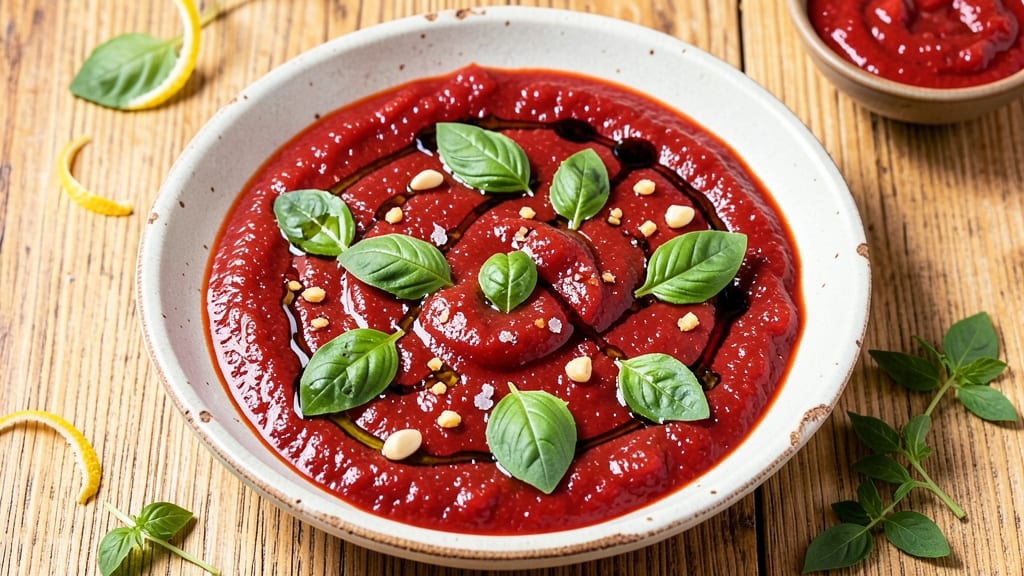
This authentic Italian pizza sauce recipe from scratch transforms simple ingredients into a rich, simmered tomato base with bright basil notes—no canned shortcuts here. The secret lies in slow-cooking fresh San Marzano tomatoes until they break down into a velvety, deeply flavorful sauce that captures the essence of Neapolitan tradition.
What makes this different is the balance of garlic, olive oil, and fresh basil added at the perfect moment, ensuring every bite of your pizza carries that authentic Italian brightness.
The process is straightforward but yields professional results: crushed tomatoes simmer for 45 minutes until thick and concentrated, while a touch of sugar and red wine vinegar enhances the natural sweetness and acidity.
This sauce isn’t just for pizza—it elevates any dish where you crave that simmered tomato depth with a hint of freshness. The best part? It keeps beautifully in the fridge for up to a week or freezes for months, so you’ll always have homemade sauce on hand.
What sets this recipe apart is its authenticity without compromise—no sugar substitutes, no artificial flavors, just pure, unadulterated tomato goodness.
The sauce develops layers of flavor as it simmers, creating a perfect balance of sweet, tangy, and herbaceous notes that make every pizza taste like it came from a Roman trattoria.
Whether you’re making a classic Margherita or a hearty pepperoni pie, this sauce will elevate your pizza to restaurant-quality status.
For those who love customization, you can easily adjust the acidity with a splash of lemon juice or add a pinch of oregano for extra depth. The sauce also works beautifully as a pasta topping or dipping sauce for crusty bread.
With just five simple ingredients and 15 minutes of active prep, you’ll have a sauce that’s as impressive as it is delicious—proving that authenticity doesn’t require complexity.
Ingredients for authentic italian pizza sauce recipe from scratch
Five ingredients transform into a sauce so rich and bright it’ll make your pizza taste like Rome.
| Ingredient | Amount | Notes |
|---|---|---|
| San Marzano Crushed Tomatoes 🍅 | 28 oz | High-quality, whole peeled |
| Extra-Virgin Olive Oil 🫒 | ½ cup | Peppery, fruity variety |
| Garlic Cloves 🧄 | 4 cloves | Fresh, minced finely |
| Fresh Basil Leaves 🌿 | ½ cup | Packed, stems removed |
| Granulated Sugar 🍚 | 1 tbsp | White or cane sugar |
| Red Wine Vinegar 🍷 | 1 tbsp | Dry, aged variety |
| Sea Salt 🧂 | 1 ½ tsp | Diamond Crystal preferred |
| Black Pepper 🌶️ | ½ tsp | Freshly cracked |
The tomatoes make or break this sauce—San Marzano is non-negotiable for that sweet, meaty flavor. Grab a 28-oz can from Eataly or your local Italian market; the high-quality ones are worth every penny. If you're stuck with regular crushed tomatoes, add an extra pinch of sugar to compensate. The garlic? Fresh is essential—jarred minced garlic has a bitter aftertaste. Toast the cloves in the olive oil for 30 seconds before adding the tomatoes to deepen their flavor. Fresh basil is ideal, but if you're using dried, cut the amount to one-third—it's potent stuff.
No red wine vinegar? Balsamic vinegar at half the amount works in a pinch, but it'll add a slightly sweeter note. Short on sugar? A splash of orange juice brightens things up. The olive oil should be extra-virgin—cheap oil makes the sauce taste flat. If you're feeling fancy, add a pinch of fresh oregano or a bay leaf while simmering for extra depth. For a smoky twist, swap half the basil for fresh thyme. The sauce thickens as it cooks, so if it's too thin, simmer uncovered for 5-10 more minutes—just don't let it boil dry.
This sauce is a flavor powerhouse that keeps beautifully. Store it in an airtight jar in the fridge for up to 7 days, or freeze it for 3 months in ice cube trays for single-serving portions. The flavor actually improves after a day or two as the ingredients meld together. For pizza, use 2-3 tbsp per 12-inch crust. It also works as a marinara for pasta, a dip for crusty bread, or a topping for grilled vegetables. Trust me, once you go homemade, you'll never go back to jarred sauce.
Why You'll Love This Recipe
- No-Fuss Simplicity: I swear by this recipe because it’s literally five ingredients—no fancy techniques, no blenders, just a pot and a spoon. The San Marzano tomatoes do all the heavy lifting; you just let them simmer until they’re rich and velvety.
- Garlic-Basil Magic: That first taste of fresh basil and garlic in every bite? It’s like summer in a jar. The sugar isn’t about sweetness—it’s about balancing the acidity, so the sauce shines bright without being sharp.
- Weeknight Workhorse: I make a big batch on Sundays and freeze it in jars. Whether it’s Friday pizza night or a last-minute lasagna, this sauce is my go-to—no stress, just flavor.
- Budget-Friendly Luxury: San Marzano tomatoes cost more, but you use less, and the quality makes every drop count. A single jar stretches for two pizzas, pasta, or even bruschetta—no waste, all reward.
Step-by-step instructions for authentic Italian pizza sauce
Here's how to build a sauce that captures the essence of Italian tradition—bold tomato flavor with bright, aromatic freshness.
Bloom the Garlic in Olive Oil
Heat the 0.5 cup extra-virgin olive oil in a medium saucepan over medium-low heat. Add the 4 cloves minced garlic and cook for 1-2 minutes until the garlic becomes fragrant but doesn't brown—this prevents bitterness. Stir constantly to avoid burning. The oil should shimmer gently, signaling it's ready for the tomatoes. This step is crucial for developing the sauce's aromatic foundation.
I like to taste the garlic at this stage—it should smell sweet and pungent, with no burnt notes. If it starts to darken too quickly, reduce the heat immediately. This is where the sauce's depth begins.
Add Tomatoes and Simmer for Depth
Pour in the 28 oz San Marzano crushed tomatoes, stirring to combine with the garlic-infused oil. Bring the mixture to a gentle simmer over medium heat, then reduce to low heat and let it cook uncovered for 20-25 minutes. The sauce will thicken gradually as moisture evaporates, concentrating the tomato flavor.
During this time, you'll notice the sauce darken slightly and develop a rich, syrupy consistency. Stir occasionally to prevent sticking—this is where the tomatoes release their natural sweetness and acidity. If the sauce seems too thick before the 20 minutes are up, add 1-2 tablespoons of water to loosen it slightly.
Balance with Sugar and Vinegar
After the initial simmer, add the 1 tbsp granulated sugar and 1 tbsp red wine vinegar, stirring well to distribute evenly. The sugar helps balance the acidity of the tomatoes and vinegar while enhancing their natural sweetness. Let the sauce continue simmering for another 10 minutes to allow the flavors to meld completely.
This is the moment where the sauce transforms from basic tomato to something truly special. The sugar caramelizes slightly, deepening the flavor, while the vinegar adds a bright, tangy contrast. Taste the sauce now—it should be rich, slightly sweet, and properly balanced with acidity.
Season and Finish with Fresh Basil
Remove the sauce from heat and stir in the 1.5 tsp sea salt and 0.5 tsp freshly cracked black pepper. Let it cool for 5 minutes—this resting period allows the flavors to fully integrate. Then, add the 0.5 cup fresh basil leaves, stirring gently to incorporate their bright, herbal notes without overpowering the tomato base.
The basil should be added just before serving or using the sauce, as its freshness fades quickly when heated. For the most authentic experience, I recommend blending the basil into the sauce for a smoother texture, but you can also chop it finely and fold it in at the end. Either way, the result is a sauce that's vibrant and full of character.
Rest and Use Immediately
Let the sauce rest for 10-15 minutes at room temperature before using it on your pizza. This resting period ensures the flavors are fully developed and the sauce is at its peak consistency. The texture should be thick but still spreadable, with a glossy sheen that indicates proper reduction.
Here's the thing—this sauce is best used fresh. While it can be refrigerated for up to 3 days, its peak flavor is within the first 24 hours. The fresh basil and balanced seasoning make all the difference in achieving that authentic Italian taste. Spread it generously on your pizza dough, and you'll taste the difference in every bite.
Pro Tips For Making Authentic Italian Pizza Sauce Recipe From Scratch
- Crush Garlic Like a Pro: I learned this the hard way—mashing whole garlic cloves with the flat side of your knife before mincing releases more flavor. No need to chop finely; just hit it hard enough to bruise the flesh, then slice thinly. This keeps the sauce from tasting raw and lets the sweetness shine through.
- Simmer Low and Slow: After burning three batches of sauce, I finally figured out: low heat is your friend. Once the tomatoes hit the pot, keep it at a gentle bubble—no rolling boils. A steady simmer for 20-25 minutes lets the flavors meld without turning bitter or losing that bright San Marzano sweetness.
- Salt Early, Salt Often: Skip the urge to wait until the end. Taste the tomatoes after they’ve simmered 10 minutes and add salt—about ½ teaspoon for every 28 oz can. The acidity in San Marzano tomatoes needs balancing, and salting early lets the seasoning develop properly. (Yes, even if you’re impatient like me.)
- Toast the Basil Leaves: Sounds weird, but it works: Toss fresh basil leaves in a dry pan over medium heat for 10 seconds until just wilted. Then tear them into the sauce at the very end. This deepens their aroma without turning the sauce bitter—no more sad, floating basil leaves that look pretty but taste like nothing.
Dietary considerations for authentic italian pizza sauce recipe from scratch
Gluten-Free Adaptations
This sauce is naturally gluten-free since it contains no wheat-based ingredients. The San Marzano tomatoes, olive oil, and herbs are all gluten-free staples. Just double-check your red wine vinegar label—some brands may process in facilities with gluten, though most are safe.
For extra caution, use a dedicated gluten-free vinegar like Bragg or Annie's. 🌱
Low-Sugar Options
If you're watching sugar intake, reduce the 1 tbsp granulated sugar to just ½ tbsp or omit it entirely. The natural sweetness of San Marzano tomatoes will still shine, though the sauce may be slightly less balanced.
For a sugar-free alternative, add ½ tsp liquid stevia or 1 tsp honey at the end for subtle sweetness without refining the sauce's texture.
Dairy-Free Compatibility
This sauce is inherently dairy-free, making it perfect for vegan or lactose-intolerant diets. The base ingredients—tomatoes, olive oil, and herbs—contain no dairy at all.
When using this sauce on pizza, opt for dairy-free cheese alternatives like Miyoko's or Violife to keep the dish fully plant-based while maintaining that classic Italian flavor profile.
Allergen-Friendly Swaps
For nut allergies, no adjustments are needed—this sauce contains no nuts. If you're allergic to garlic, substitute with 1 tsp garlic powder (though fresh garlic adds depth). For basil allergies, replace it with fresh oregano or thyme—both complement tomatoes beautifully.
Always verify ingredient labels, especially for vinegar and olive oil, which may have cross-contamination risks.
Keto-Friendly Adjustments
To make this sauce keto-friendly, omit the sugar entirely and use 1 tbsp erythritol or monk fruit sweetener instead. The sauce will still be rich and flavorful, with no carbs to speak of.
Pair it with a low-carb crust made from almond flour or cauliflower for a fully keto pizza experience. The natural acidity from the vinegar keeps the sauce balanced without added sugars.
Storage for Dietary Needs
Store this sauce in an airtight glass jar in the fridge for up to 7 days—its simplicity means no preservatives are needed. For freezing, portion into ice cube trays and transfer to a bag for easy single-use servings.
When reheating, warm gently on the stovetop to preserve texture. The sauce’s clean ingredient list makes it safe for most dietary restrictions, but always check labels for potential allergens like vinegar processing aids.
Nutrition facts
Frequently asked questions
Why does this recipe use San Marzano tomatoes specifically?
San Marzano tomatoes are the gold standard for Italian pizza sauce because of their sweet, meaty texture and low acidity. Their unique shape and flavor concentrate beautifully when simmered, creating that authentic Italian depth. Regular crushed tomatoes often lack this balance, resulting in a sauce that's either too watery or overly acidic. For the best results, never substitute with other canned tomatoes—it makes a noticeable difference!
Can I make this sauce without fresh basil?
Yes, but the flavor will be less vibrant. If you're using dried basil, reduce to 1 teaspoon (about one-third of the fresh amount) since dried herbs are more concentrated. For a different herbal profile, try fresh oregano or thyme instead—they pair beautifully with tomatoes too. The key is adding herbs at the very end to preserve their freshness and bright aroma.
How do I prevent the sauce from getting too thick or burning?
Keep the heat at a gentle simmer (low-medium) and stir occasionally to prevent sticking. If the sauce thickens too quickly before the 20 minutes are up, add 1-2 tablespoons of water to loosen it. Never let it boil vigorously, as this can cause burning. The ideal texture is thick but still spreadable—it should coat the back of a spoon smoothly. Patience is key here!
What's the best way to use leftover sauce?
This sauce keeps beautifully in the fridge for up to 7 days in an airtight container. For longer storage, freeze it in ice cube trays or small portions—thaw overnight in the fridge before using. It's perfect for pasta, dipping bread, or even as a marinade for grilled meats. The flavor actually improves after 24 hours as the ingredients meld together. Just reheat gently on the stovetop to preserve texture.
Can I make this sauce in a slow cooker or Instant Pot?
Yes! For a slow cooker, combine all ingredients (except basil) and cook on low for 3-4 hours, stirring occasionally. For an Instant Pot, use the sauté function for the garlic, then add tomatoes and cook on high pressure for 8 minutes. Release pressure naturally, then finish with sugar, vinegar, and herbs. The texture will be slightly different but still delicious—just monitor the thickness closely.