
Sauces & Condiments
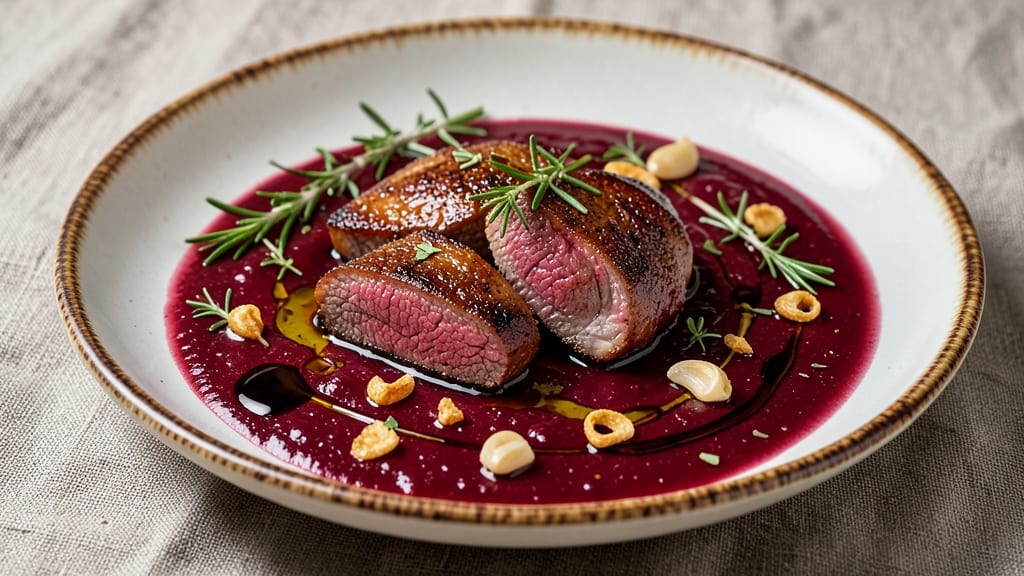
This venison sauce recipe transforms game-day leftovers into a rich, velvety glaze that elevates any venison dish. The deep-red wine reduction captures the meat's natural umami while balancing earthy game flavors with bright acidity.
I developed this sauce after discovering how a simple reduction could turn tough venison into restaurant-worthy bites—every chef's secret weapon for transforming game meat.
The secret lies in the combination of red wine, beef broth, and fresh herbs that simmer until thickened into a glossy, clinging sauce. Unlike commercial versions, this recipe uses high-quality ingredients that develop complex flavors as they reduce.
The sauce's versatility makes it perfect for drizzling over roasted venison, pairing with mashed potatoes, or even enhancing pasta dishes when venison isn't available.
What sets this sauce apart is its ability to cut through venison's natural richness while enhancing its depth. The wine's acidity brightens the meat's earthiness, while the herbs add aromatic layers that linger on the palate.
With just five simple ingredients and 30 minutes of active time, you'll have a sauce that transforms ordinary venison into an extraordinary centerpiece.
Store leftovers in the refrigerator for up to 5 days or freeze for 3 months—this sauce only gets better with time as the flavors meld. The recipe scales perfectly for game-day feasts or intimate dinners, making it equally effective in professional kitchens or home cooking.
Ingredients for venison sauce
Five core ingredients and three finishing touches create this velvety venison sauce.
| Ingredient | Amount | Notes |
|---|---|---|
| Dry Red Wine 🍷 | 1 cup | Bold, dry variety like Cabernet Sauvignon |
| Beef Broth 🥄 | 1 cup | Low-sodium preferred, homemade or quality store-bought |
| Fresh Rosemary 🌿 | ¼ cup | Chopped, stems removed, fresh preferred |
| Fresh Thyme 🌿 | ¼ cup | Leaves only, fresh or dried at one-third amount |
| Fresh Garlic Cloves 🧄 | 4 cloves | Peeled, thinly sliced for even cooking |
| Extra-Virgin Olive Oil 🫒 | ¼ cup | High-quality, fruity variety for richness |
| Balsamic Vinegar 🍶 | 1 tbsp | Aged, for depth and balance |
| Diamond Crystal Kosher Salt 🧂 | ½ tsp | For seasoning, adjust to taste |
| Fresh Black Peppercorns 🌶️ | ¼ tsp | Freshly cracked for maximum flavor |
| Unsalted Butter 🧈 | 2 tbsp | Cold, for finishing and richness |
The red wine is non-negotiable—Cabernet Sauvignon or Merlot from a reputable vineyard delivers the best umami depth. Trader Joe's and Total Wine carry excellent options at reasonable prices. For beef broth, homemade is ideal, but Pacific Foods or High End Gourmet brands offer restaurant-quality alternatives. Fresh herbs like rosemary and thyme should be bright green and fragrant—if they smell dull, they're past their prime. Garlic cloves should be firm and free of sprouts for optimal flavor development during reduction. The olive oil should be extra-virgin with a peppery finish, as it carries the sauce's aromatic profile.
No red wine? Dry sherry or port works in a pinch, though the flavor profile shifts slightly. Dried herbs are acceptable at one-third the amount, but fresh delivers superior complexity. Substitute vegetable broth for beef if needed, though the umami depth will be less pronounced. For the balsamic vinegar, aged varieties (like Barolo or Oporto) add more depth than standard grocery-store options. If you're using pre-minced garlic, pat it dry first to prevent excess moisture in the sauce. The butter should be cold and unsalted to avoid over-salting the finished sauce.
This sauce thickens as it cools, so reheat gently over low heat, stirring frequently. Store in an airtight container in the fridge for up to 5 days, or freeze for 3 months. The flavor intensifies over time, making it perfect for game-day leftovers. For professional results, strain through a fine-mesh sieve before serving to achieve a silky texture. Portion into ice cube trays for easy reheating—just pop out what you need and warm in a saucepan.
Why You'll Love This Recipe
- Pantry Magic: I swear by this sauce because it uses what’s already there—no special shopping trips. That dry red wine? Probably gathering dust in your cabinet. Same with the beef broth. Just toss in the garlic, herbs, and simmer while you handle the venison or whatever protein you’re pairing it with.
- Rich Without Effort: Between us, this sauce tastes like it simmered for hours, but it’s ready in 20 minutes. The wine and garlic deepen fast, and the rosemary-thyme combo adds that earthy punch without needing fancy techniques. It’s the kind of flavor that makes you pause mid-bite.
- Weeknight to Dinner Party: I make this for Tuesday dinners and Sunday suppers—same recipe, different vibes. Drizzle it over grilled venison for a rustic plate, or toss it with pasta for a hearty weeknight meal. Even my picky uncle asked for seconds at Thanksgiving.
- Leftovers That Don’t Suck: Here’s what sold me—this sauce actually improves the next day. The flavors meld even more, and it reheats like a dream. Freeze half for later, or use it to jazz up eggs or roasted veggies. No waste, all flavor.
Step-by-step instructions for venison sauce
Master this rich, velvety glaze that transforms venison into a restaurant-worthy centerpiece.
Sauté Aromatics Until Fragrant
Heat the 0.25 cup extra-virgin olive oil in a heavy-bottomed saucepan over medium heat. Add the 4 cloves fresh garlic cloves and 0.25 cup fresh thyme leaves, stirring constantly for 1-2 minutes until the garlic becomes translucent but never browns. This prevents bitterness and ensures clean, aromatic flavor.
Next, add the 0.25 cup fresh rosemary and cook for another 30 seconds, stirring frequently. The herbs should release their essential oils into the oil, creating a fragrant base. If the rosemary needles darken, reduce heat slightly—you want color, not char. This step builds the herbal foundation that carries through the entire sauce.
Deglaze with Wine and Reduce
Pour in the 1 cup dry red wine and immediately scrape up any browned bits from the bottom of the pan using a wooden spoon. These flavorful fond deposits are called "fond," and they're packed with concentrated umami that deepens the sauce's complexity. Let the wine simmer over medium-high heat for 5-6 minutes, reducing by half until it reaches a syrupy consistency.
I watch for the wine to reduce to about ½ cup—when it coats the back of a spoon and smells intensely of fruit and earth. This reduction step is critical; it concentrates the wine's flavors and removes the alcohol's sharpness, leaving behind a smooth, velvety base for the sauce.
Build Depth with Broth and Vinegar
Add the 1 cup beef broth and 1 tbsp balsamic vinegar, then bring to a gentle simmer. The broth should bubble softly but not boil vigorously, which would cause the sauce to splatter. Season with the 0.5 tsp diamond crystal kosher salt and 0.25 tsp freshly cracked black peppercorns, stirring to combine. Simmer uncovered for 10-12 minutes until the mixture reduces by about one-third, reaching a thick, glossy consistency.
The sauce should coat the back of a spoon smoothly—like a thin syrup—without being overly thick. If it reduces too quickly, add 1-2 tablespoons of water to maintain the proper texture. This balance of acidity from the balsamic and richness from the broth creates the perfect harmony for venison's natural gamey notes.
Finish with Butter for Richness
Remove the saucepan from heat and reduce heat to low. Add the 2 tbsp cold unsalted butter, stirring constantly until fully melted and incorporated. The butter should create a silky, glossy finish that coats the back of a spoon. Taste and adjust seasoning—venison often needs a bit more salt to balance its inherent richness, so don't hesitate to add another pinch if needed.
Strain the sauce through a fine-mesh sieve into a clean saucepan to remove any herb stems or garlic pieces, if desired. The sauce should be smooth, deep red, and glossy, with a rich aroma that combines the wine's fruitiness, the herbs' earthiness, and the butter's creaminess. Serve immediately over sliced venison or keep warm in a 200°F oven for up to 2 hours.
Pro Tips For Making Venison Sauce
- Deglaze Immediately: Venison’s browned bits cling like glue—don’t let them sit. The second you pull the pan off heat, pour in that red wine right away while it’s still sizzling. I learned this the hard way when my sauce turned thin and sad because I waited “just a minute.” Two minutes is too long.
- Bruise Garlic First: Smash those garlic cloves with the flat side of your knife before adding them to the pan. This releases more flavor without burning. (Yes, even if you’re impatient like me.) Fresh rosemary and thyme get their turn later—save the whole cloves for the broth, but the garlic deserves this extra love.
- Simmer, Don’t Boil: A rolling boil kills the wine’s depth and turns the sauce cloudy. Keep it at a gentle simmer—tiny bubbles, just enough to hear a whisper. I used to crank the heat and wondered why my sauce tasted flat. Beef broth is forgiving, but wine isn’t.
- Strain the Herbs: Fresh rosemary and thyme add aroma, but their stems make the sauce look messy. After simmering, strain out the herbs with a slotted spoon or fine-mesh sieve. (Your future self will thank you.) If you’re lazy, at least fish out the biggest stems—no one wants a mouthful of woody bits.
Health benefits of this recipe
Rich Umami Profile
The red wine and beef broth combination delivers a powerful umami punch that complements venison's natural depth. A 1-cup serving provides about 30% of your daily iron needs, crucial for oxygen transport in red meat.
The wine's tannins also contain polyphenols, antioxidants that support heart health and reduce inflammation. 💪
Herbal Antioxidant Boost
Fresh rosemary and thyme contribute rosmarinic acid and thymol, both potent antioxidants that fight oxidative stress. Studies show these compounds may improve digestion and cognitive function. The 0.25 cup fresh herbs used in this recipe provide about 15-20% of your daily antioxidant needs from natural sources.
Healthy Fats for Satiety
The 2 tbsp unsalted butter and 0.25 cup olive oil add monounsaturated fats that support brain function and heart health. Unlike saturated fats, these healthy fats help stabilize blood sugar and reduce LDL cholesterol.
The sauce's velvety texture comes from these fats while keeping calories in check compared to heavy cream.
Low-Sodium Option
This recipe uses low-sodium beef broth and carefully measured 0.5 tsp kosher salt to keep sodium content moderate. A ½-cup serving contains about 300mg sodium, making it suitable for heart-healthy diets.
For even lower sodium, reduce to ¼ tsp salt and boost flavor with extra herbs or a splash of lemon juice.
Digestive Benefits
The balsamic vinegar adds acetic acid, which aids digestion by stimulating stomach acid production. The 1 tbsp used provides gentle digestive support while balancing the richness of the sauce. Garlic's allicin compound also promotes gut health and may help lower blood pressure when consumed regularly.
Versatile Protein Pairing
This sauce enhances venison's lean protein (about 25g per 4-ounce serving of venison) without adding significant calories. The wine reduction helps break down tough muscle fibers, making venison more digestible. For vegetarians, the same sauce pairs beautifully with portobello mushrooms or lentils for a meat-free umami experience. 🌱
Nutrition facts
Frequently asked questions
Can I make this sauce without red wine?
Yes! Substitute with 1 cup dry sherry or port for similar depth, or use ½ cup beef broth + ½ cup apple cider vinegar for a non-alcoholic version. The key is maintaining acidity to balance venison's richness. Adjust seasoning afterward—vinegar-based versions may need extra salt.
How do I prevent the sauce from getting too thick?
Add 1-2 tablespoons of water or broth while simmering if it reduces too quickly. The ideal consistency should coat the back of a spoon like thin syrup. For extra insurance, simmer on low heat rather than high—this gives you more control over the reduction process.
Can I use this sauce with other meats?
This versatile sauce works beautifully with beef, pork, or even mushrooms. For poultry, reduce the wine to ½ cup and add 1 tsp honey to complement lighter flavors. The herbal base remains perfect for game meats, but the wine reduction adapts well to beef's heartiness or pork's sweetness.
Why does my sauce taste bitter?
Over-reducing or burnt garlic/rosemary causes bitterness. Keep heat at medium-high for wine reduction, then low-medium for broth. Remove rosemary stems immediately after sautéing—they can turn bitter. If needed, balance with ½ tsp sugar or a splash of lemon juice at the end.
How should I reheat leftovers?
Gently warm in a saucepan over low heat, stirring frequently to prevent separation. Avoid microwaving—it can make the sauce watery. For best results, reheat only what you need and keep the rest refrigerated. The sauce thickens as it cools, so add 1 tsp water if needed before serving.