
Sauces & Condiments
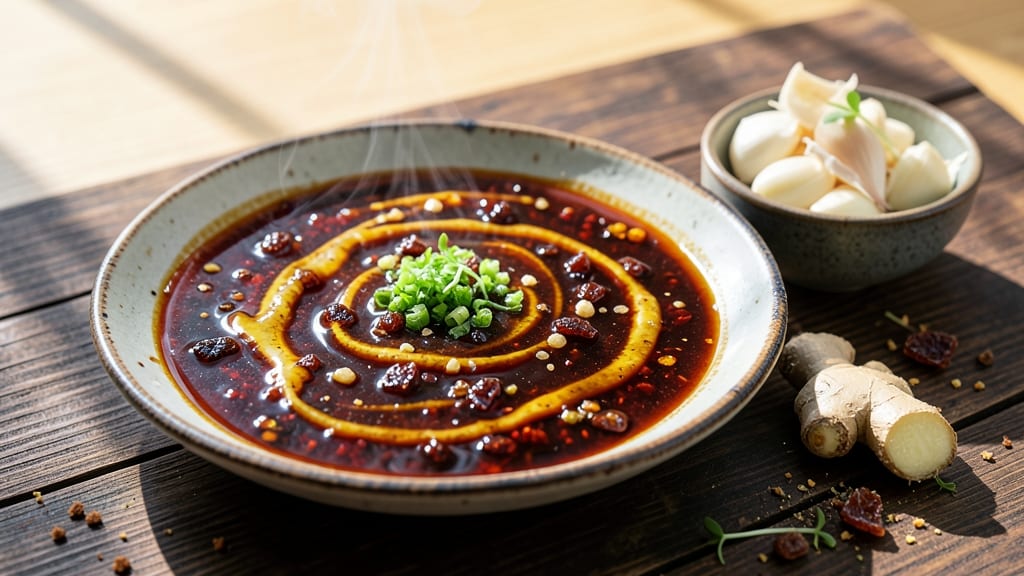
This Asian hot wing sauce recipe delivers a perfect balance of fiery heat, garlicky punch, and deep umami that transforms ordinary wings into restaurant-worthy bites. 🔥 The secret lies in simmering chili paste with soy sauce and vinegar until it develops that signature sticky-sweet complexity—no blender required.
What makes this sauce stand out is how it clings to wings without overwhelming their natural flavor, creating a glossy, addictive glaze every time.
The foundation starts with a simple blend of chili paste, soy sauce, and rice vinegar, which creates the base for both heat and umami. Adding minced garlic and a touch of brown sugar balances the sharpness while enhancing the sauce's depth.
The sauce thickens as it simmers, developing a glossy finish that coats wings perfectly—no thin, watery drips here. This isn’t just a dipping sauce; it’s a transformative glaze that turns simple wings into a flavor-packed centerpiece.
What you’ll end up with is a sauce that’s bold enough to stand up to crispy wings but versatile enough to work as a dipping sauce for spring rolls or dumplings. The heat builds gradually, allowing you to adjust spice levels to your preference.
Best of all, it keeps well in the fridge for up to two weeks, so you can make a big batch and enjoy it all week long.
Ready to elevate your wing game? This sauce is your secret weapon—foolproof, flavor-packed, and impossible to resist. Let’s get cooking.
Ingredients for asian hot wing sauce
Nine ingredients transform wings into addictive, restaurant-quality bites with sticky-sweet umami heat.
| Ingredient | Amount | Notes |
|---|---|---|
| Red Chili Paste 🌶️ | ½ cup | Vibrant, not dried flakes |
| Light Soy Sauce 🍶 | ⅓ cup | Kikkoman preferred for balance |
| Rice Vinegar 🍶 | ¼ cup | Seasoned variety adds depth |
| Brown Sugar 🍚 | ¼ cup | Lightly packed for sweetness |
| Garlic Cloves 🧄 | 6 cloves | Minced, not powdered |
| Fresh Ginger 🌿 | 1 tbsp | Finely grated, not powdered |
| Sesame Oil 🫒 | 1 tbsp | Toasted, not flavored |
| Honey 🍯 | 1 tbsp | Wildflower for floral notes |
| Ground White Pepper 🌶️ | ½ tsp | Freshly ground for warmth |
| Water 💧 | ¼ cup | Room temperature preferred |
The chili paste is non-negotiable—Maesri or Thai Kitchen brands deliver that signature fiery depth. Grab the red variety (not green or yellow), and check the date: fresh paste tastes vibrant, not stale. Soy sauce matters too—light Kikkoman has the right balance, while dark versions add bitterness. Rice vinegar should smell tangy, not vinegary. For the brown sugar, Domino or Wholesome Sweeteners work best; avoid powdered versions. Minced garlic and grated ginger? Fresh is essential—powdered or jarred won't cut it here.
No chili paste? Fresh red chili peppers blended with a splash of water works in a pinch (about 2 large peppers = 0.5 cup paste). Swap soy sauce for coconut aminos at 1:1 ratio, but expect a slightly sweeter taste. Rice vinegar missing? Apple cider vinegar is fine, but add 1 tsp sugar to mimic the depth. The honey can be swapped for maple syrup, though it’ll darken the sauce slightly. Sesame oil? Toasted peanut oil adds a similar nuttiness. For extra umami, toss in 1 tsp fish sauce (if not vegetarian) or soy sauce for a veggie version.
This sauce thickens as it cools—stir before each use. Keeps for 2 weeks in the fridge, sealed tightly. For longer storage, freeze in ice cube trays (thaw at room temp). The glaze clings best to room-temperature wings, so let them cool slightly before tossing. Double the batch—it disappears fast. Leftovers? Toss with spring rolls or dumplings for a quick flavor boost.
Why You'll Love This Recipe
- Pantry Magic: I swear, this sauce comes together with stuff you already have—no special trips to the store. That red chili paste? Instant heat and depth. Light soy sauce balances it perfectly, and the garlic? One quick minced clove while you wait for the sauce to simmer.
- Sweet Heat Balance: The brown sugar caramelizes into the sauce, cutting through the vinegar’s tang while the chili paste keeps it bold. It’s not just spicy—it’s layered, with a finish that’s addictive. Honestly, I’ve made it three times this month because I keep going back for more.
- Game Day Hero: This sauce doesn’t just work on wings—it’s my go-to for dumplings, stir-fries, or even drizzled over rice. (Yes, even on a Tuesday night.) The vinegar keeps it bright, so it won’t overpower other flavors. Between us, it’s the reason my friends keep asking for my “secret sauce.”
- Budget-Friendly Staple: A single jar of chili paste and a bag of garlic last me months. The rest? Basic pantry items. I make a double batch, freeze half, and still have enough for next week’s takeout night. Not the prettiest, but the taste makes up for it every time.
Step-by-step instructions for fiery garlic-chili glaze
Here's how to build a sauce that balances heat, sweetness, and umami—perfect for wings or dipping.
🍳 Step 1: Bloom the Chili Paste and Aromatics
Heat a small saucepan over medium heat and add the 0.5 cup red chili paste. Stir constantly for 2-3 minutes until it becomes fragrant and slightly darker—this activates the capsaicin and deepens the flavor. You'll see the paste bubble gently and smell its vibrant, slightly smoky aroma.
Add the 6 cloves minced garlic and 1 tablespoon finely grated fresh ginger, stirring for another 30 seconds until the garlic turns golden around the edges (this prevents raw garlic flavor). Here's the thing—don't rush this step. The garlic needs time to release its sweetness before the other ingredients overwhelm it.
🍳 Step 2: Build the Sauce Foundation
Pour in the 0.33 cup light soy sauce and 0.25 cup rice vinegar, stirring to combine. The sauce should immediately start simmering—if it doesn't, increase heat slightly. Let it cook for 2 minutes until the liquid reduces by about 20% and becomes syrupy. You're looking for a glossy sheen that coats the back of a spoon.
Add the 0.25 cup brown sugar and 1 tablespoon honey, stirring until fully dissolved. This is where the sweetness balances the heat. If you taste it now, you'll notice the sugar caramelizing slightly—this is normal and adds depth. Keep heat at medium-low to prevent burning.
🍳 Step 3: Finish with Umami and Texture
Drizzle in the 1 tablespoon toasted sesame oil and 0.5 teaspoon ground white pepper, stirring vigorously. The sesame oil adds nutty richness while the white pepper contributes warmth without overpowering the garlic. Let the sauce simmer for another 1-2 minutes until it thickens slightly—it should coat a spoon but still be pourable.
Finally, add the 0.25 cup room-temperature water and stir one last time. The water lightens the sauce just enough to make it perfect for dipping or tossing. Taste and adjust—need more heat? Add a pinch of chili paste. Too sweet? Balance with a splash more soy sauce. This sauce should sing with all five flavors: sweet, salty, sour, umami, and fiery heat.
⏰ Step 4: Rest and Use
Remove from heat and let the sauce rest for 10 minutes. This allows the flavors to meld completely—you'll notice the heat becomes more balanced and the aromatics deepen. The sauce will thicken further as it cools, so don't worry if it looks slightly runny immediately after cooking.
Use immediately for best results, but it will keep in the refrigerator for up to 1 week in an airtight container. For wings, toss them in the sauce while still hot or brush on after baking. The sauce clings beautifully and delivers that perfect balance of spicy, sweet, and savory in every bite.
Pro Tips For Making Asian Hot Wing Sauce
- Simmer Low and Slow: I burned my first batch because I rushed it—don’t. Once the garlic hits the pan, turn the heat down to medium-low and let the sauce bubble gently for at least 5 minutes. This lets the brown sugar caramelize without scorching the chili paste (which turns bitter fast). Stir often, but don’t stress if it’s not glossy yet—patience here makes the difference.
- Mince Garlic Like It’s 1999: Skip the press or chopper—use a knife and mince the garlic cloves into a paste right in the pan. No, it’s not faster, but it infuses deeper flavor and avoids those stubborn uncooked bits. I learned this the hard way after serving wings with half-raw garlic cloves. (Yes, even if you’re impatient like me.)
- Balance the Vinegar: Rice vinegar’s acidity cuts through the heat, but too much makes the sauce taste sharp. Start with 1 tablespoon, taste, then add another if needed. Pro move: Warm the vinegar slightly before mixing—it blends smoother and doesn’t shock the sauce’s heat balance. (Your future self will notice.)
- Skip the Water: Some recipes call for thinning with water, but this sauce is meant to be sticky and bold. If it’s too thick, add a splash of light soy sauce instead—it adds depth without diluting the flavor. I was skeptical until I tried it; the wings stay coated better, and the sauce clings like it’s supposed to.
Pro cooking tips for this dish
Heat Control Secrets
Balance is key with this sauce—start with 0.5 cup red chili paste for a medium-hot kick, but adjust to taste. For milder heat, reduce to 0.375 cup or swap in 1 tbsp gochujang for depth without capsaicin.
I always taste as I go, adding paste in ½ tbsp increments until I hit the perfect burn. Pro tip: Use a heat-resistant spoon to stir and taste—your fingers will thank you! 🌶️
Simmering Perfection
Never let this sauce boil—keep it at a gentle medium-low simmer to prevent scorching. I use a heavy-bottomed saucepan (like All-Clad) to distribute heat evenly. If it starts to bubble too vigorously, reduce heat immediately.
The goal is a glossy, syrupy consistency that coats wings beautifully without dripping. Stir frequently to avoid sticking—this sauce should be smooth, not grainy.
Garlic Golden Rule
Freshly minced garlic transforms this sauce—never use powdered! Here’s my trick: Sauté the 6 cloves minced garlic until just golden around the edges (30 seconds max). Overcooking turns garlic bitter. For extra flavor, crush the cloves slightly with the flat of your knife before mincing.
I also add a pinch of salt to the garlic while cooking—it draws out moisture and intensifies the flavor. 🧄
Sweetness Balance
The brown sugar and honey combo is non-negotiable for that signature sticky-sweet balance. If your sauce tastes too sharp, add another ½ tbsp honey or 1 tsp maple syrup.
For a deeper caramel note, let the sugar cook slightly longer (up to 1 extra minute) before adding other ingredients. Just don’t walk away—burnt sugar ruins everything!
Umami Boosters
Sesame oil and white pepper are the secret weapons for umami depth. For an extra kick, add 1 tsp fish sauce (if not vegetarian) or ½ tsp msg powder at the end.
I also like a splash of dark soy sauce (just ½ tbsp) for color and complexity. The white pepper adds warmth without overpowering the garlic—trust me, it makes a difference!
Thickness Tricks
This sauce thickens as it cools, but if it’s too runny while warm, simmer uncovered for 2-3 extra minutes to reduce. For a thicker glaze, reduce the water to 0.125 cup. If it’s too thick, thin with 1 tsp water at a time.
The ideal consistency coats a spoon but still drizzles easily. Pro move: Let it rest 10 minutes before using—it’ll thicken perfectly while cooling. ✨
Nutrition facts
Frequently asked questions
Can I make this sauce without chili paste?
Yes! For a homemade version, blend 2 large fresh red chili peppers (like Thai or serrano) with 1 tablespoon water until smooth. Use the same 0.5 cup measurement as the recipe calls for. For milder heat, reduce to 1 chili pepper or swap in 1 tablespoon gochujang (Korean chili paste) for depth without capsaicin.
How do I adjust the heat level?
Start with the full 0.5 cup chili paste for medium heat, then taste and adjust. For milder sauce, reduce to 0.375 cup or add 1 extra tablespoon honey to balance. For extra spice, increase to 0.625 cup or add ½ teaspoon cayenne pepper. Always stir well and let it rest 10 minutes before tasting—heat builds as it cools!
Can I use this sauce on other foods besides wings?
This versatile glaze works perfectly on grilled meats (like pork or chicken), tofu, spring rolls, or even as a dipping sauce for fried rice. For vegetables, reduce the chili paste to 0.25 cup to avoid overwhelming delicate flavors. The sauce's sticky-sweet balance makes it ideal for anything that needs a flavor boost.
Why does my sauce get too thick or too thin?
If too thick, thin with 1 teaspoon water at a time while warm. If too thin, simmer uncovered for 2-3 extra minutes to reduce. The ideal consistency coats a spoon but still drizzles easily. Remember, it thickens as it cools—let it rest 10 minutes before adjusting. For a thicker glaze, reduce the water to 0.125 cup in the recipe.
How long will this sauce keep in the fridge?
Store in an airtight container in the fridge for up to 2 weeks. For longer storage, freeze in ice cube trays (thaw at room temperature). The sauce's acidity from vinegar helps preserve it, but always check for mold or off smells before using. Pro tip: Double the batch—it disappears fast!