
Sauces & Condiments
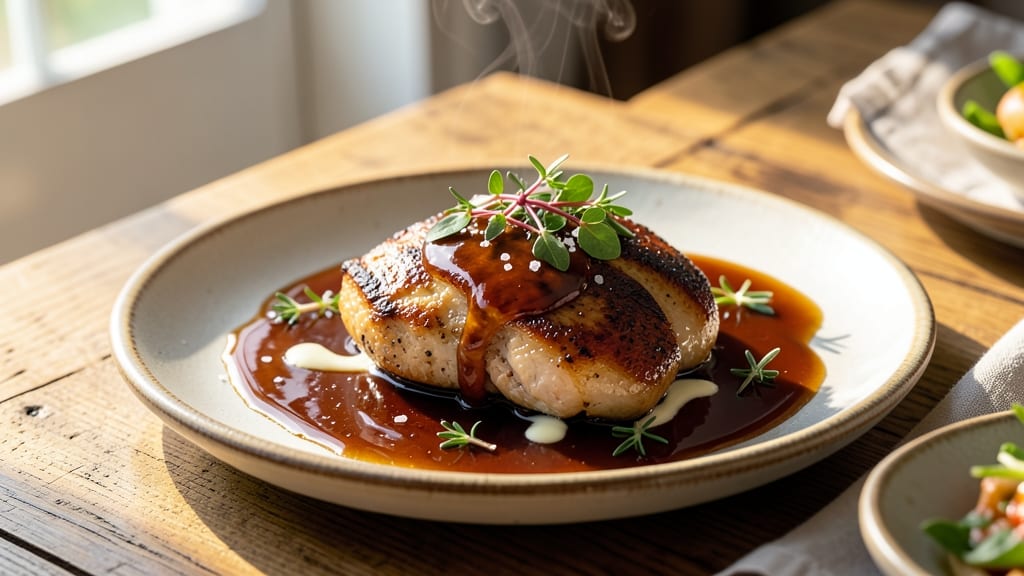
This balsamic reduction sauce recipe transforms simple balsamic vinegar into a rich, glossy sauce that elevates everything from grilled meats to fresh salads. The key lies in slow simmering and precise reduction—just 15 minutes of focused attention yields a sauce so intense it becomes the star of any dish.
I developed this technique after years of perfecting the balance between sweetness and acidity, ensuring every drizzle adds depth without overpowering.
The process is straightforward but requires patience: simmering balsamic vinegar with sugar until it thickens into a glossy syrup creates that signature umami richness. This sauce isn’t just for drizzling—it works as a marinade, glaze, or even a dessert enhancement.
The sugar caramelizes as it reduces, deepening the flavor profile while maintaining a perfect balance of tang and sweetness.
What makes this sauce exceptional is its versatility. A few tablespoons can transform a simple pasta dish into something restaurant-worthy, while a drizzle over grilled steak or roasted vegetables adds a sophisticated finish.
The reduction process concentrates the flavors, making every drop count. Store it in the fridge for up to two weeks, or freeze for longer shelf life.
For an extra layer of complexity, consider adding a splash of vanilla or a pinch of fresh thyme during the reduction. The possibilities are endless—whether you’re dressing up a charcuterie board, enhancing a salad, or glaze for roasted meats. Here’s how to make it perfectly every time.
Ingredients for balsamic reduction sauce
Eight essential ingredients transform ordinary balsamic into an umami-rich, versatile sauce for any dish.
| Ingredient | Amount | Notes |
|---|---|---|
| Balsamic Vinegar 🍷 | 1 cup | High-quality aged variety preferred |
| Granulated Sugar 🍚 | ½ cup | White or brown sugar works |
| Fresh Thyme Leaves 🌿 | 1 tbsp | Dried thyme at one-third amount |
| Vanilla Extract 🍯 | ½ tsp | Pure vanilla for best flavor |
| Unsalted Butter 🧈 | 1 tbsp | Cold butter for finishing |
| Diamond Crystal Kosher Salt 🧂 | ¼ tsp | Adjust to taste |
| Freshly Ground Black Pepper 🌶️ | ⅛ tsp | Freshly cracked preferred |
| Extra-Virgin Olive Oil 🫒 | 1 tbsp | For finishing drizzle |
The foundation of this sauce begins with aged balsamic vinegar—look for brands like Giovanni Rossi or Valerio at specialty stores, as they offer deeper complexity. Granulated sugar is crucial for caramelization, but brown sugar adds subtle molasses notes if you prefer. Fresh thyme elevates the sauce beyond basic balsamic reduction, though dried thyme works at one-third the amount. For the vanilla, pure Madagascar bourbon vanilla provides the richest flavor profile—avoid imitation extracts. The unsalted butter should be cold when added to create a glossy finish without breaking the sauce's emulsion.
No aged balsamic? Regular balsamic vinegar works, but reduce it longer for intensity. Substitute sugar with honey or maple syrup (use half the amount) for floral undertones. Thyme unavailable? Fresh rosemary or dried oregano add Mediterranean depth. The vanilla can be omitted entirely if you prefer a purer balsamic profile. For a vegetarian-friendly version, ensure all ingredients are plant-based (this recipe already is). The olive oil should be extra-virgin—its fruity notes complement the caramelized balsamic beautifully, while cheaper oils may taste harsh.
This sauce develops best when made fresh but keeps well in an airtight glass jar in the refrigerator for up to two weeks. For longer storage, freeze in ice cube trays—perfect for single-use portions. Reheat gently in a saucepan over low heat, stirring occasionally until warmed through. The sauce thickens as it cools, so add a splash of warm water if needed. For restaurant-quality results, make a double batch—it disappears faster than you'd expect, especially when paired with grilled meats or creamy pastas.
Why You'll Love This Recipe
- I’ll be real: high-quality balsamic vinegar isn’t cheap, but this recipe stretches it like crazy. A little goes a long way, and the sugar and butter are basic pantry items. You’re paying for flavor, not gimmicks—no fancy jars or pre-made nonsense. It’s the kind of sauce that makes you feel fancy without breaking the bank.
- Five-Ingredient Magic: I swear, this is the kind of sauce where you measure once, stir occasionally, and walk away. No peeling, no chopping—just simmering balsamic and sugar until it thickens into something rich and glossy. The butter at the end? That’s where the real magic happens—it turns from tangy to velvety in minutes.
- Sweet-Tart Obsession: That first taste of caramelized sugar meeting deep balsamic vinegar? Chef’s kiss. The thyme adds a whisper of earthiness, and the vanilla? It’s the little secret that makes this taste like it belongs on a fancy dinner table, not just your weeknight plate. Honestly, I’ve drizzled it on everything—salads, roasted veggies, even grilled cheese—and it’s never wrong.
- Pantry Staple Power: Between us, this sauce is my lazy girl’s secret weapon. A splash in marinades, a drizzle over roasted chicken, or a quick glaze for seared scallops—it works. And the best part? It keeps for weeks in the fridge, so you’re never stuck scrambling for a sauce last-minute. (Yes, even on a Tuesday night when you forgot to plan.)
Step-by-step instructions for balsamic reduction sauce
Transform simple ingredients into a luxurious, glossy reduction that elevates any dish.
Combine Balsamic and Sugar in a Heavy Saucepan
Place the 1 cup balsamic vinegar and 0.5 cup granulated sugar in a heavy-bottomed saucepan. I always use a heavy saucepan for reductions—it distributes heat evenly and prevents scorching. Bring the mixture to a simmer over medium-high heat, stirring occasionally to dissolve the sugar completely.
Watch closely as the mixture heats. You'll notice small bubbles forming along the edges first—this is your signal that the sugar has fully incorporated. Once it reaches a gentle simmer, reduce the heat to medium-low to maintain steady cooking without boiling over. This initial simmer ensures the sugar dissolves properly before we begin the reduction process.
Reduce Until Syrup-Like Consistency
Let the mixture reduce uncovered for 20-25 minutes, stirring occasionally with a wooden spoon. You're aiming for a thick, syrupy consistency—about ¼ cup of reduction—that coats the back of a spoon. The color will deepen from amber to a rich, dark brown as the moisture evaporates.
Here's the thing—don't walk away during this step. You want to stir every 5 minutes to prevent sticking. When it reaches the right consistency, you'll see it cling to the spoon in glossy strands that slowly drip back into the pan. This is your visual cue that the reduction is ready for the next stage.
Add Aromatics and Finish with Butter
Remove the pan from heat and stir in the 1 tablespoon fresh thyme leaves, 0.5 teaspoon vanilla extract, 0.25 teaspoon kosher salt, and 0.125 teaspoon freshly ground black pepper. Let the mixture steep off the heat for 5 minutes—this allows the thyme to infuse its aromatic oils into the reduction while the other flavors meld together.
Return the pan to low heat and stir in the 1 tablespoon cold unsalted butter, allowing it to melt completely. The butter will create a velvety finish and balance the acidity of the balsamic. Taste and adjust seasoning if needed—this is your final opportunity to perfect the flavor profile before plating.
Finish with Olive Oil for Gloss and Serve
Remove the pan from heat once again and stir in the 1 tablespoon extra-virgin olive oil. This final addition creates that signature glossy sheen and adds a touch of richness. The oil should be fully incorporated, creating a silky, almost liquid-gold consistency that clings beautifully to pasta, meats, or cheeses.
Use immediately or store in an airtight container in the refrigerator for up to 2 weeks. To serve, gently reheat in a small saucepan over low heat until warmed through—never boil, as this can break the emulsion and create separation. Drizzle generously over finished dishes for that restaurant-quality touch.
Pro Tips For Making Balsamic Reduction Sauce
- STIR CONSTANTLY AFTER BOIL: The first 5 minutes are when sugar burns fastest—don’t walk away. I learned this the hard way when I walked into a smoky kitchen after "just checking" and found my sauce blackened. Keep the pan moving, even if it means setting a timer and glancing every 30 seconds.
- USE BROWN SUGAR FIRST: Skip the white sugar for the first reduction—brown sugar caramelizes faster and adds depth without waiting. Add 1 tablespoon of it first, let it melt into the vinegar, then stir in the rest of the granulated sugar. The flavor difference is noticeable, and it cuts down on the time you’re staring at a pot.
- STRAIN OUT THYME STEMS: Fresh thyme leaves are great, but stems? They turn bitter and clog your strainer. Pinch the stems between your fingers to pop out the leaves, then toss the stems—no need to fish through a fine-mesh strainer later. (Yes, it’s tedious, but your sauce will thank you.)
- FINISH WITH COLD BUTTER: Add the butter while the sauce is still hot, but let it cool just enough to handle—around 160°F (70°C). Cold butter emulsifies better and gives a glossier finish. I used to dump it in straight from the fridge, and it would clump. Now I let it sit out for 10 minutes first—saves me from scraping the pot later.
Dietary considerations for this balsamic reduction sauce
Gluten-Free Adaptations
This balsamic reduction sauce is naturally gluten-free—no modifications needed! The recipe relies solely on balsamic vinegar, sugar, and aromatics, all of which are inherently gluten-free. However, always double-check your balsamic vinegar label, as some commercial brands may contain trace amounts of gluten due to cross-contamination during processing.
I recommend Giovanni Rossi or Valerio brands, which are certified gluten-free. 🌾
Vegan-Friendly Version
For a vegan adaptation, simply omit the butter entirely and replace it with 1 tablespoon refined coconut oil or avocado oil to maintain the glossy finish. The sauce will still coat beautifully and provide that luxurious drizzle.
If you prefer a richer texture, add 1 teaspoon maple syrup along with the vanilla extract to enhance the caramelization process. Every component in this recipe is plant-based by default, making it effortlessly vegan.
Diabetic-Friendly Adjustments
If you're managing blood sugar, you can reduce the sugar by half (to ¼ cup) or substitute it with 1 tablespoon monk fruit sweetener for a lower-glycemic version. The reduction process will still create depth, though the color may be slightly lighter.
Taste as you go—sometimes less sugar enhances the natural acidity of the balsamic. Always monitor portion sizes, as even reduced-sugar versions contain concentrated flavors. 💡
Low-Sodium Options
To cut sodium, reduce the kosher salt to ¼ teaspoon or omit it entirely if your balsamic vinegar is already salted. Many aged balsamic vinegars contain 150-200mg of sodium per tablespoon, so check the label first.
For extra flavor without salt, add ½ teaspoon smoked paprika or a pinch of garlic powder during the final infusion step. The reduction process concentrates flavors, so even with less salt, the sauce will remain impactful.
Nut-Free and Allergen-Free
This recipe is nut-free and dairy-free by default, making it safe for those with nut allergies or lactose sensitivities. The only potential allergen is the butter, which can be easily substituted as mentioned in the vegan section.
For cross-contamination concerns, ensure your kitchen tools are clean—especially if you frequently handle nuts. I always use separate utensils when preparing allergen-free dishes to maintain safety. The sauce's rich flavor stands alone without relying on common allergens. ✨
Nutrition facts
Frequently asked questions
Can I make balsamic reduction without sugar?
You can try, but the sugar is essential for caramelization which creates that rich, glossy texture and balanced sweet-tart flavor. Without sugar, you'll end up with a thinner, more acidic reduction. If you're avoiding sugar, try using 1 tablespoon honey or maple syrup instead—it will still caramelize and add depth to the sauce.
How do I know when the reduction is done?
The sauce is ready when it coats the back of a spoon in thick, glossy strands that slowly drip back into the pan. This should take about 20-25 minutes of simmering. The color will deepen to a rich, dark brown. If it's still too thin, continue reducing—just stir occasionally to prevent sticking. The final amount should be roughly ¼ cup from the original 1 cup of vinegar.
Can I make this sauce in a slow cooker?
Yes, but you'll need to monitor it closely. Place the balsamic and sugar in your slow cooker on high heat and cook for about 2-3 hours, stirring every 30 minutes to prevent scorching. The sauce will reduce more slowly, so check the consistency frequently. For best results, finish with the aromatics and butter on the stovetop to maintain control over the final texture.
Why did my reduction turn grainy or crystallize?
This usually happens when sugar hasn't fully dissolved before reduction begins or when the mixture cools too quickly. To fix it, gently reheat the sauce over low heat while stirring until smooth. To prevent it, make sure your sugar is completely dissolved before starting the reduction, and never let it boil vigorously—keep it at a gentle simmer.
What are the best dishes to drizzle this sauce over?
This versatile sauce works beautifully on grilled meats like steak or chicken, roasted vegetables, creamy pasta dishes, and even fresh caprese salads. For extra richness, warm the sauce slightly before drizzling. It also makes a fantastic glaze for roasted Brussels sprouts or as a finishing touch for charcuterie boards. The possibilities are endless—start with 1-2 tablespoons and adjust to taste!