
Sauces & Condiments
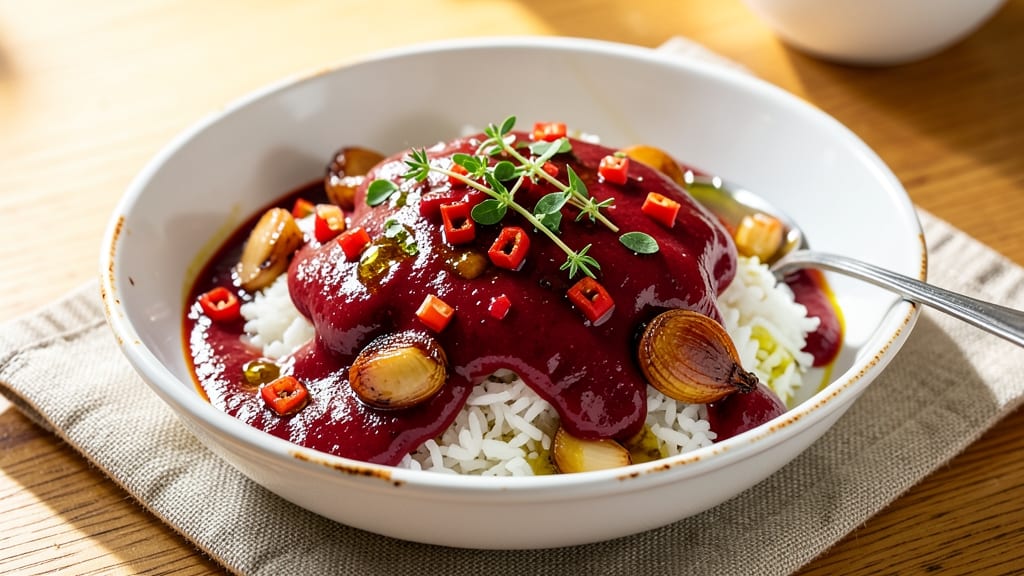
This Vadouvan sauce recipe transforms bold Caribbean flavors into a versatile condiment that elevates grilled meats, seafood, and even sides. The secret lies in balancing Scotch bonnet peppers' heat with garlic, vinegar, and oil—a perfect blend for dishes craving depth.
I developed this version after years of perfecting the balance between smoky, tangy, and fiery notes that define Caribbean comfort food.
The sauce starts with a simmered base of garlic, shallots, and Scotch bonnet peppers, then blends with vinegar and oil for a smooth, velvety texture. Unlike store-bought versions, this recipe lets you control the heat level—whether you prefer a gentle kick or full-on spice.
The key is simmering just long enough to mellow the raw heat while preserving the peppers' vibrant flavor.
What you’ll end up with is a rich, aromatic sauce that clings to grilled chicken, fish, or even roasted vegetables, adding layers of complexity. It’s the kind of condiment that turns simple dishes into restaurant-worthy meals.
The best part? It keeps well in the fridge for up to a month, so you can make a big batch and enjoy it all season long.
Use it as a marinade, dipping sauce, or finishing touch—this Vadouvan sauce is the ultimate flavor booster for Caribbean-inspired dishes. Let’s get started!
Ingredients for vadouvan sauce
Nine bold ingredients blend into a fiery, aromatic sauce that's the heart of Caribbean comfort dishes.
| Ingredient | Amount | Notes |
|---|---|---|
| Scotch Bonnet Peppers 🌶️ | 2 whole | Seeds removed for mild heat |
| Shallots 🧅 | 4 whole | Finely chopped, about 0.5 cup |
| Garlic Cloves 🧄 | 6 cloves | Minced, about 2 tbsp |
| White Vinegar 🍶 | ½ cup | White or apple cider |
| Extra-Virgin Olive Oil 🫒 | ½ cup | High-quality, fruity |
| Fresh Thyme Leaves 🌿 | 1 tbsp | Chopped, or 1 tsp dried |
| Ground Allspice 🌶️ | ½ tsp | Freshly ground preferred |
| Salt 🧂 | 1 tsp | Diamond Crystal preferred |
| Black Peppercorns 🌶️ | ¼ tsp | Freshly cracked |
| Sugar 🍬 | 1 tsp | White or brown |
The Scotch bonnet peppers are non-negotiable—they bring the signature heat and smoky depth. Trader Joe's and Caribbean markets carry them fresh or frozen, but if you can't find them, habanero peppers work in a pinch (use half the amount). The shallots and garlic should be fresh—no sad, sprouting bulbs here. I always buy shallots from Whole Foods because they're pre-peeled and ready to chop. For the vinegar, apple cider vinegar adds a subtle fruitiness that pairs beautifully with the peppers, but white vinegar keeps the classic sharpness. The olive oil? Use the good stuff—none of that cheap supermarket oil. Look for extra-virgin with a harvest date within the last year.
No Scotch bonnet? Habanero or even cayenne will give you heat, but adjust the amount—start with half and taste as you go. Fresh thyme hard to find? Dried works at one-third the amount, but it won’t have that bright, citrusy note. The allspice is where the magic happens—it’s the Caribbean’s secret weapon. If you can’t find ground allspice, crush whole allspice berries for a more complex flavor. The sugar might seem odd, but it balances the acidity and heat beautifully. Coconut sugar adds a caramel note if you’re feeling adventurous. And if you’re worried about the vinegar being too harsh, add a splash of tomato paste (1 tbsp) to mellow it out.
This sauce is a keeper—store it in a clean glass jar in the fridge for up to 4 weeks. The flavors deepen over time, so it actually gets better with age. If you make a big batch, freeze half in ice cube trays—just thaw and stir before using. It’s perfect for marinades, dipping grilled meats, or drizzling over roasted veggies. Double the recipe—you’ll want it on hand for everything from jerk chicken to seafood boils. And trust me, the leftovers are just as delicious as the first batch.
Why You'll Love This Recipe
- Pantry-Friendly Base: I swear by this sauce because it lives in my fridge for weeks—just toss it with rice, eggs, or even grilled fish. The vinegar and olive oil keep it fresh, and the Scotch bonnet’s heat lingers just enough to spice up boring meals without overpowering.
- No-Fuss Technique: Honestly, this sauce is one of those rare recipes where chopping shallots and garlic feels like a gift—minimal prep, no blender required. I throw everything in a pan, let it simmer, and boom: restaurant-quality flavor with zero fuss.
- Heat That Works: That first bite of Scotch bonnet’s smoky kick? Chef’s kiss. The vinegar cuts through the richness, and the garlic-shallot combo adds depth without overpowering. It’s the kind of heat that builds—mild at first, then oh yeah, you’ll feel it.
- Budget Booster: Between us, this sauce is my secret weapon for stretching ingredients. A little goes a long way—drizzle it over beans, mix into stews, or serve as a dip. I’ve fed a crowd for under $10 with this alone. (Yes, even on a Tuesday night.)
Step-by-step instructions for vadouvan sauce
This vibrant sauce delivers the soul-warming flavors of the Caribbean in every spoonful—let's build it together.
Prepare the Base Ingredients
Start by removing the seeds and membranes from the 2 whole Scotch Bonnet Peppers—this reduces the heat while preserving that signature fruity depth. Chop them finely, about the size of a large dice, and set aside. For the 4 whole Shallots, peel and finely chop them until you have roughly ½ cup of minced shallots. The goal is to create a smooth, velvety texture that won't overpower the sauce's complexity.
Next, mince the 6 cloves Garlic Cloves into a fine paste—about 2 tablespoons—using the flat side of your knife or a garlic press. This ensures even distribution of flavor throughout the sauce. Measure out 1 teaspoon Sugar and 1 teaspoon Salt into a small bowl, mixing them together. This pre-mixed seasoning blend will balance the sauce's acidity and heat as we build it.
Build the Flavor Foundation
Heat a medium saucepan over medium-low heat and add the ½ cup Extra-Virgin Olive Oil. Let it warm gently for 2-3 minutes until shimmering but not smoking—this prevents burning the delicate flavors. Add the chopped Scotch Bonnet Peppers and cook for 3-4 minutes, stirring frequently, until they soften slightly and release their oils.
Add the minced Shallots and Garlic Cloves, cooking for another 4-5 minutes until the shallots become translucent and the garlic is fragrant but not browned. Here's the thing—don't rush this step. The aromatics need time to meld and develop their full flavor potential. If the mixture starts to brown too quickly, reduce the heat slightly and keep stirring.
Simmer and Develop the Sauce
Pour in the ½ cup White Vinegar and the pre-mixed Salt-Sugar blend, stirring constantly to dissolve the sugar. Add the ½ teaspoon Ground Allspice and ¼ teaspoon freshly cracked Black Peppercorns, then bring the mixture to a gentle simmer over medium heat. Let it cook uncovered for 10-12 minutes, stirring occasionally, until the liquid reduces by about one-third and the sauce thickens slightly.
During this time, you'll notice the colors deepening from bright red to a rich, amber hue. This is when the magic happens—the vinegar cuts through the oil, the spices bloom, and the peppers' heat mellows into a warm, inviting presence. The sauce should coat the back of a spoon with a velvety consistency, but still be pourable. If it thickens too much, add 1 tablespoon water to adjust the texture.
Finish with Fresh Thyme
Remove the sauce from heat and let it cool slightly for 2-3 minutes. Stir in the 1 tablespoon chopped Fresh Thyme Leaves, allowing their bright, lemony aroma to infuse the sauce. Taste and adjust the seasoning—you might need a pinch more Salt or a splash of White Vinegar to balance the flavors. The sauce should be complex: sweet from the sugar, tangy from the vinegar, with a gentle heat that lingers.
For best results, let the sauce rest at room temperature for 15-20 minutes before using. This allows all the flavors to fully integrate, creating a harmonious blend that will elevate any dish it touches. Store any leftovers in an airtight container in the refrigerator for up to 1 week, or freeze for 3 months. This sauce is the heart of Caribbean comfort—use it generously!
Pro Tips For Making Vadouvan Sauce
- CHAR SCOTCH BONNETS FIRST: Remove the stems and seeds, then slice them open—not chopping them. This keeps the heat balanced and prevents the sauce from turning bitter. I learned this the hard way after a batch tasted like a fire alarm went off in my mouth.
- SWEAT SHALLOTS LOW AND SLOW: Cook them on medium-low heat until they’re translucent, not browned. Rushing this step means they’ll burn before the garlic gets a chance to sing. Sounds weird, but it works: patience here makes the sauce taste deeper.
- VINEGAR IN STAGES: Add half the vinegar at the start to deglaze, then save the rest for the end. Dumping it all in early makes the sauce taste sharp and one-dimensional. Balance is everything—just like in life, but with more spice.
- GARLIC: CRUSH, DON’T CHOP: Smash the cloves with the flat side of your knife before adding them. This releases more flavor without turning the sauce into garlic sludge. (Yes, even if you’re impatient like me.)
Regional styles of this dish
Haitian Roots
Vadouvan sauce traces its origins to Haiti, where it became a cornerstone of Creole cuisine. This fiery condiment evolved from the island's African, French, and Taíno influences, blending Scotch bonnet peppers with local ingredients like allspice and thyme.
In Haitian homes, it's traditionally made fresh for special occasions like dinner parties or Sunday family meals, where it accompanies grilled meats and seafood. The name itself comes from the Haitian Creole word "vadou," referencing the island's rich spiritual and culinary heritage. 🌶️
Jamaican Jerk Twist
While Haitian vadouvan focuses on vinegar and allspice, Jamaican chefs often adapt it by adding scotch bonnet peppers to their jerk marinades. The key difference? Jamaican versions frequently incorporate pineapple juice or ginger for a sweeter, more complex profile.
For a fusion approach, try adding 1 tbsp pineapple juice to this recipe and simmering it for an extra 5 minutes. This variation works beautifully with jerk chicken or pork chops, creating a sauce that bridges both Caribbean traditions.
Dominican Republic Fusion
In the Dominican Republic, vadouvan sauce gets a citrusy upgrade with lime juice and cilantro. The locals call it "salsa criolla" and use it as both a marinade and table condiment.
For this regional take, add 2 tbsp fresh lime juice and 2 tbsp chopped cilantro to the finished sauce. The bright acidity cuts through the richness of grilled pernil (roast pork) or mangú (mashed plantains). This version also pairs wonderfully with tostones (fried plantains) for a complete Caribbean spread.
Trinidadian Adaptation
Trinidadian cooks often enhance vadouvan sauce with green seasoning, a blend of herbs like culantro (recao), thyme, and shad beni. For this variation, replace the thyme with 1 tbsp chopped culantro and 1 tsp chopped shad beni (if available).
The earthy, slightly bitter notes from these herbs create a deeper, more complex flavor profile that works exceptionally well with curried goat or roasted breadfruit. This version is perfect for those who love bold, herbaceous flavors.
Modern Caribbean Twist
Today's chefs are putting their own spin on vadouvan sauce by incorporating unexpected ingredients like smoked paprika or honey. For a smoky version, add ½ tsp smoked paprika to the simmering sauce and reduce by half. This works beautifully with grilled ribs or pulled pork.
For a sweeter take, stir in 1 tbsp honey at the end—this balances the heat perfectly with grilled pineapple or shrimp skewers. These modern twists keep the sauce's Caribbean soul while appealing to contemporary tastes.
Storage Variations
Regional storage methods also differ—Haitians traditionally keep their vadouvan sauce in clay pots to preserve its depth, while Jamaican families use glass jars for easy access. For best results, store your sauce in a glass jar with a tight-sealing lid in the refrigerator for up to 4 weeks.
If you're making a batch for a party, freeze half in ice cube trays—just thaw and stir before using. The sauce's texture may thicken slightly when frozen, so add a splash of water or vinegar to restore its consistency. ✨
Nutrition facts
Frequently asked questions
Can I make vadouvan sauce without Scotch bonnet peppers?
Yes, but you'll need to adjust the heat level. Use habanero peppers (half the amount) or cayenne powder (½ teaspoon) for a milder kick. For a completely different flavor, try jalapeño peppers (seeds removed) but expect less fruity depth. The sauce will still work, though the authentic Caribbean profile will change.
How spicy should vadouvan sauce be?
The ideal heat level is moderate to medium—enough to add warmth without overwhelming. If using fresh peppers, remove seeds and membranes for milder heat. For extra control, start with 1 Scotch bonnet pepper and taste before adding the second. The vinegar and sugar help balance the heat, so don't be afraid to adjust these ingredients if needed.
What's the best way to use leftover vadouvan sauce?
This versatile sauce works as a marinade (4-6 hours for meats), dipping sauce for grilled shrimp or wings, or finishing drizzle for roasted veggies. Try mixing 1 tablespoon into mayo for a spicy sandwich spread, or stir it into black beans for a Caribbean-inspired twist. Freeze extras in ice cube trays for easy portion control.
Why did my vadouvan sauce separate?
This happens when oil and vinegar aren't properly emulsified. To fix it, whisk in 1 teaspoon cornstarch mixed with 1 tablespoon water and simmer for 2 minutes. For prevention, stir constantly during simmering and avoid high heat. The sauce should have a smooth, velvety consistency—not oily or watery. If storing, keep it in a glass jar and shake before using.
Can I make vadouvan sauce ahead of time?
This sauce actually improves with age. Make it 1-2 days ahead for deeper flavors. Store in an airtight glass jar in the fridge for up to 4 weeks. The colors will intensify from bright red to rich amber, and the heat will mellow slightly. For long-term storage, freeze in ice cube trays—just thaw and stir before using.