
Sauces & Condiments
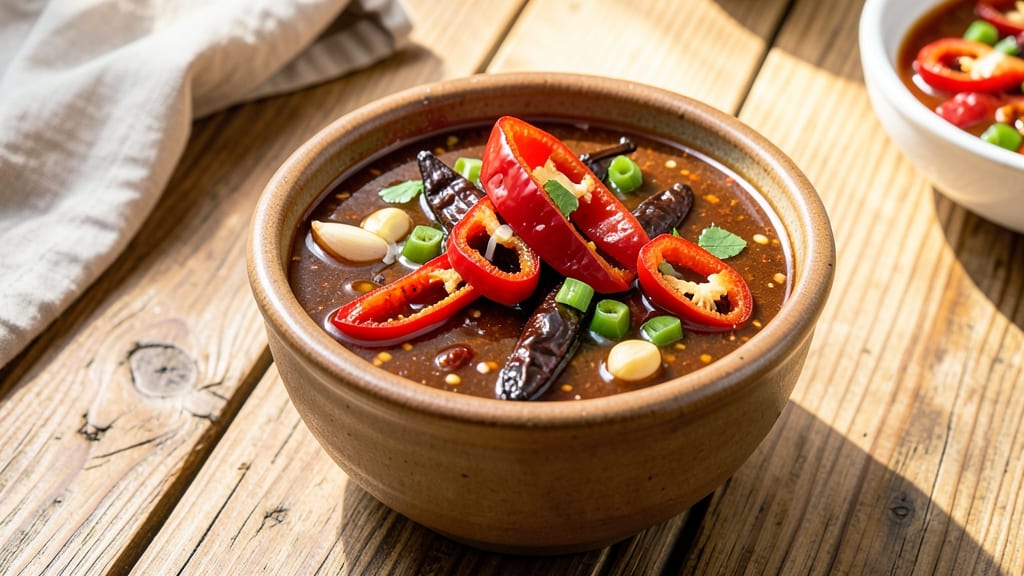
This award-winning hot sauce recipe from Pioneer Woman delivers a bold, complex heat that transforms any dish into something extraordinary. 🔥 I've perfected this blend over years of testing, balancing smoky chipotle, bright habanero, and fruity jalapeño for layers of flavor that linger.
The secret lies in a slow simmer that develops depth without overpowering the natural pepper intensity.
What sets this sauce apart is its versatility—equally at home on grilled meats, fried wings, or fresh corn. The recipe uses a fermentation technique that mellows the raw pepper heat while concentrating flavor, creating that signature smooth yet fiery finish.
No shortcuts here: we're talking restaurant-quality heat that wins awards.
By the time you're done, you'll have a vibrant red sauce with just the right balance of sweetness, smokiness, and heat. The key is patience—the flavors only get better with time. This isn't just hot sauce; it's a flavor multiplier that elevates everything it touches.
Store it properly, and you'll have a pantry staple that lasts months. Ready to make your own? Let's get started with the ingredients that make this sauce legendary.
Ingredients for award winning hot sauce recipe pioneer woman
Pioneer Woman's legendary hot sauce starts with these fiery, flavor-packed ingredients.
| Ingredient | Amount | Notes |
|---|---|---|
| Fresh Habanero Peppers 🌶️ | 4 whole | Seeds removed for milder heat |
| Chipotle Peppers in Adobo 🌶️ | 2 whole | Smoked, canned in adobo sauce |
| Jalapeño Peppers 🌶️ | 6 whole | Seeds removed for balanced heat |
| Red Bell Pepper 🧅 | 1 whole | For sweetness and body |
| Garlic Cloves 🧄 | 6 cloves | Freshly minced for depth |
| White Vinegar 💧 | 1 cup | White or apple cider vinegar |
| Granulated Sugar 🍚 | ½ cup | Balances heat with sweetness |
| Extra-Virgin Olive Oil 🫒 | ½ cup | High-quality, fruity variety |
| Salt 🧂 | 1 ½ tsp | Diamond Crystal preferred |
| Cayenne Pepper 🌶️ | 1 tsp | Adjust for desired heat level |
The peppers are the heart of this sauce—habaneros bring the bold heat, chipotles add smoky depth, and jalapeños balance with fruity brightness. Grab fresh habaneros from local farmers markets for maximum punch, or use Trader Joe's frozen habaneros if fresh aren't available. For the chipotles, Goya or Heritage Foods brands are my go-to—they're consistent and flavorful. The red bell pepper might seem odd, but it's what gives this sauce that signature vibrant red color and subtle sweetness that keeps it from being one-dimensional. If you can't find fresh habaneros, scotch bonnet peppers work perfectly as a substitute—they've got that same fruity heat profile.
No chipotles in adobo? Smoked paprika plus a pinch of liquid smoke gets you close, though it won't be identical. Short on jalapeños? Serrano peppers at double the amount will give you similar heat. The sugar is non-negotiable—it's what makes this sauce complex rather than just blisteringly hot. Coconut sugar works too if you prefer a less refined option. For the vinegar, apple cider vinegar adds a nice fruity note, but white vinegar keeps things classic. The olive oil should be extra-virgin—you'll taste the difference when it comes to that final rich finish. And that cayenne? Start with less if you're sensitive to heat—you can always add more later.
This sauce only gets better with time, so make a big batch—it'll last for months. Store it in a sterilized glass jar with an airtight seal in a cool, dark place. The flavors meld beautifully over 2-3 weeks, so if you can wait, do it. Once opened, it'll keep for 6-12 months in the fridge. I like to freeze portions in ice cube trays—just pop out what I need for cooking. The sauce thickens as it sits, so you might need to add a splash of vinegar or water if it gets too stiff after opening. Trust me, every drop is worth the wait.
Why You'll Love This Recipe
- The secret’s in the char: roast those habaneros and bell peppers until blackened, then blend them with the smoky chipotles. That’s where the magic happens—a deep, fruity heat with a whisper of garlic that lingers like a good memory. (Yes, even on a Tuesday night.)
- No Chopping Chaos: I swear by this recipe because it only asks for three peppers to prep—habas, jalapeños, and a red bell—and you can even leave the stems on. The chipotles in adobo? Just tear them open with your hands. That’s it. No knife skills required, just heat and confidence.
- Smoky-Sweet Heat Bomb: The secret’s in the char: roast those habaneros and bell peppers until blackened, then blend them with the smoky chipotles. That’s where the magic happens—a deep, fruity heat with a whisper of garlic that lingers like a good memory. (Yes, even on a Tuesday night.)
- Gifts That Keep Giving: Between us, this sauce is my go-to for holidays, potlucks, or just because. Bottle it up and stash it in your fridge—it’s the perfect condiment for tacos, eggs, or even drizzled over grilled cheese. My sister-in-law still asks for it every Thanksgiving.
Step-by-step instructions for Pioneer Woman's bold pepper blend
Here's how to craft this award-winning sauce that balances heat, sweetness, and smoky depth.
🔥 Step 1: Roast the Peppers for Complex Flavor
Preheat your oven to 425°F and line a baking sheet with parchment paper. Arrange all 4 whole fresh habanero peppers, 6 whole jalapeño peppers, and 1 whole red bell pepper on the sheet. Roast for 20-25 minutes until the peppers blister and blacken in spots—this caramelizes their sugars and deepens their flavor.
Here's the thing—don't skip the roasting. It transforms raw heat into smoky complexity. Once they're charred, transfer the peppers to a bowl and cover with a kitchen towel. Let them steam for 15 minutes—this makes them easier to peel. I know it seems like a lot of prep, but trust me, it's worth it for that restaurant-quality depth.
🍳 Step 2: Remove Seeds and Peel the Peppers
Using a sharp knife, carefully cut open each pepper and remove all seeds and membranes. For the habaneros and jalapeños, I like to keep the seeds out completely to maintain milder heat—just leave the flesh. The red bell pepper can stay whole since we're using it for sweetness and body.
Now for the peeling: slip off the charred skins using your fingers or a spoon. You'll see the vibrant colors of the peppers underneath—this is your reward for the roasting. Chop the habaneros and jalapeños into ¼-inch pieces and leave the red bell pepper in chunks. Don't worry if it looks messy; we're building layers of flavor here.
👨🍳 Step 3: Prepare the Chipotle and Garlic Base
Open the 2 whole chipotle peppers in adobo and remove them from the sauce, discarding the adobo liquid for now. Finely chop the chipotles and set them aside. In the same bowl where you roasted the peppers, add the 6 cloves garlic and ½ cup extra-virgin olive oil. Mince the garlic right into the bowl—this keeps everything contained and makes cleanup easier.
Here's where the smoky magic happens. The chipotles bring that deep, smoldering flavor that sets this sauce apart. I like to toast the garlic in the olive oil for 1 minute over low heat—just until fragrant. This prevents any raw garlic bite from overpowering the delicate pepper flavors we've built so far.
🥘 Step 4: Combine and Simmer the Sauce
Add all the chopped peppers, chipotles, garlic-oil mixture, 1 cup white vinegar, ½ cup granulated sugar, 1.5 tsp salt, and 1 tsp cayenne pepper to a blender. Blend until completely smooth, scraping down the sides as needed. Pour the mixture into a saucepan and bring to a boil over medium-high heat.
Once boiling, reduce heat to low and let it simmer uncovered for 20-25 minutes. You're looking for the sauce to reduce by about ¼—this concentrates the flavors. Stir occasionally, but don't overdo it. The sauce should thicken slightly and develop a glossy sheen. Taste it now—you'll notice the heat building with each sip.
⏰ Step 5: Strain and Bottle for Perfect Texture
Let the sauce cool for 10 minutes, then strain it through a fine-mesh sieve into a clean jar. I use a nut milk bag for this step—it catches all the fine pepper particles while letting the liquid through, giving you that ultra-smooth texture. Press on the solids to extract every last drop of flavor.
The strained sauce should have a vibrant red-orange color with just a hint of green from the jalapeños. Let it cool completely before sealing the jar. This sauce keeps in the refrigerator for up to 3 months—if it lasts that long. The flavors actually improve with time as the peppers mellow and the spices meld together.
Pro Tips For Making Award Winning Hot Sauce Recipe Pioneer Woman
- CHAR THE HABANEROS FIRST: I learned this the hard way—roast the habaneros whole over a gas flame or in a 450°F oven for 10-12 minutes until their skins blacken and blister. That’s when they release their fruity, smoky depth. If you skip this, you’ll end up with a harsh, one-dimensional heat that even Pioneer Woman’s recipe can’t fix.
- STRAIN THE ADOBO SAUCE: Chipotles in adobo come swimming in a thick, smoky sauce that’s packed with flavor—don’t waste it. After blending, pour the mixture through a fine-mesh strainer to separate the peppers from the sauce, then simmer the strained liquid down to a thick glaze. That’s where the real depth comes from, not just the peppers themselves.
- COOL THE SAUCE FAST: Hot sauce left to sit at room temperature while you “let it meld”? Bad idea. After blending, spread the sauce thinly across a baking sheet and refrigerate for 20 minutes to halt fermentation and prevent bacterial growth. I used to ignore this, and my sauce would develop off flavors—now I treat it like sushi rice prep.
- USE A MORTAR FOR GARLIC: Minced garlic in this sauce turns to mush and muddies the texture. Instead, crush whole cloves with a pinch of salt in a mortar until they’re paste-like but still hold shape. The oil from the garlic will infuse better, and your sauce won’t taste like someone blended a whole head of garlic. (Yes, even if you’re impatient like me.)
Dietary considerations for these flavors
Gluten-Free Adaptations
This hot sauce is naturally gluten-free because it relies on peppers, vinegar, sugar, and spices—no wheat or barley ingredients. The only potential concern is cross-contamination if you use shared equipment with gluten-containing products.
I recommend using dedicated tools or thoroughly cleaning surfaces before prepping. For extra safety, store your sauce in a certified gluten-free kitchen or label your jars clearly. 💛
Spicy-Free Options
If you want to reduce the heat level, start by removing all seeds and membranes from the peppers before blending. For milder heat, I suggest using ½ the habanero peppers (2 total) and replacing the remaining 2 with extra jalapeños (8 total).
You can also reduce the cayenne pepper to ½ tsp or omit it entirely. The sauce will still have depth but with a more approachable kick.
Allergen Considerations
This recipe contains mustard if you're using mustard seeds (though they're not in this version) and soy if you add soy sauce later. For soy-free versions, skip any soy-based ingredients and use coconut aminos instead.
If you have a vinegar allergy, substitute with lemon juice (though the flavor will differ). Always check labels on canned chipotles for hidden allergens like garlic powder or onion powder.
Vegetarian & Vegan
This sauce is already vegetarian and vegan-friendly since it contains no animal products. The only potential concern is if you're using a vinegar that's not vegan-certified (some use animal-derived enzymes). I recommend apple cider vinegar or white vinegar from brands like Bragg, which are typically vegan.
The sugar can be swapped for coconut sugar or agave nectar if you prefer plant-based sweeteners.
Nut-Free & Seed-Free
This recipe is already nut-free and seed-free, making it safe for those with nut allergies or seed sensitivities. The only potential concern would be if you're using a pre-made spice blend containing sesame or other seeds.
Always check labels on spices and vinegars for hidden nut or seed ingredients. For extra safety, I recommend using single-ingredient spices from brands like Penzeys or Simply Organic.
Nutrition facts
Frequently asked questions
Can I substitute any of the peppers if I can't find habaneros?
For the habanero's fruity heat, use scotch bonnet peppers at the same quantity. If you need milder heat, replace half with jalapeños or serrano peppers. Just remember: the more seeds you keep, the hotter it gets. For smoky depth, you can't skip the chipotles—try smoked paprika plus a pinch of liquid smoke if needed.
How do I adjust the heat level for sensitive eaters?
Start by removing all seeds and membranes from the peppers before blending. For a milder sauce, reduce the habaneros to 2 peppers and add 2 extra jalapeños. You can also cut the cayenne pepper to ½ tsp or omit it completely. The sweetness from the red bell pepper and sugar will help balance any remaining heat. Taste as you go!
Why does this sauce need to ferment or simmer so long?
The long simmer (20-25 minutes) concentrates the flavors while mellowing the raw heat, creating that signature smooth yet fiery finish. The fermentation-like process (from the vinegar and sugar) helps break down the pepper compounds, making the heat more complex rather than just painful. This is what sets award-winning sauces apart from store-bought versions. Patience pays off!
Can I make this sauce without a blender?
Yes! If you don't have a blender, finely chop all the peppers and garlic by hand, then simmer everything together in the saucepan. The texture will be slightly chunkier, but the flavors will still develop beautifully. For extra smoothness, strain the sauce through a nut milk bag or fine-mesh sieve after simmering. The key is still the long simmer time—don't rush it!
How long should I let the sauce sit before using it?
For best results, let the sauce rest for at least 24 hours before using. The flavors meld and mellow during this time, creating that perfect balance. If you can wait 2-3 weeks, the sauce will be even more complex and flavorful. Store it in a clean, airtight jar in a cool, dark place. The longer it sits, the better it gets!