
Sauces & Condiments
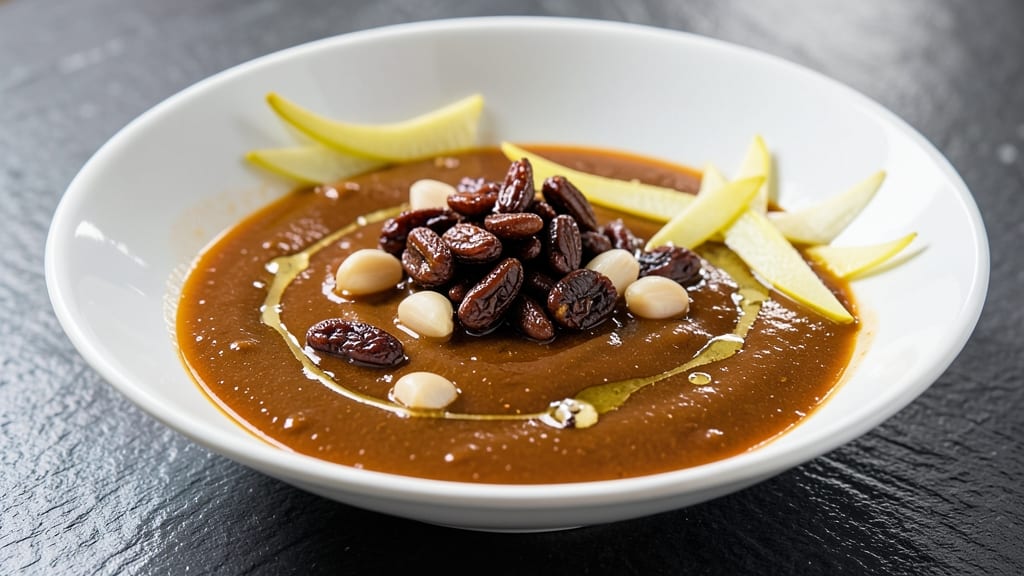
This hoisin stir-fry sauce delivers the perfect balance of bold umami and sweet depth that elevates every wok dish. 🌟 Crafted with fermented soybeans, garlic, and vinegar, it transforms simple stir-fries into restaurant-quality meals with just a few minutes of prep.
The secret lies in simmering all ingredients together until thick and glossy, creating a sauce that clings beautifully to vegetables, meats, and noodles.
What sets this recipe apart is its versatility—use it as a dipping sauce for spring rolls, a glaze for grilled meats, or the star of your stir-fry. The combination of soybeans, garlic, and ginger builds layers of flavor, while a touch of sugar caramelizes into a rich, slightly sticky texture.
Unlike store-bought versions, this homemade sauce stays fresh for weeks and delivers a depth of flavor you won’t find in jars.
By the end, you’ll have a smooth, thick sauce that’s restaurant-quality at home—packed with umami richness and just the right amount of sweetness. The aroma alone will have everyone at the table asking for seconds.
Whether you’re cooking for a crowd or meal prepping, this sauce is your secret weapon for wok perfection.
Ready in just 15 minutes, it’s the ideal shortcut for weeknight dinners. The best part? You’ll never want to go back to bottled hoisin again. Let’s make this sauce!
Ingredients for stir fry sauce recipe hoisin
Nine ingredients. One sauce. Restaurant-quality wok magic in 15 minutes.
| Ingredient | Amount | Notes |
|---|---|---|
| Fermented Soybeans (Douchi) 🥜 | ½ cup | Packed, rinsed and chopped |
| Light Soy Sauce 🍶 | ½ cup | Kikkoman preferred |
| Dark Soy Sauce 🍶 | ¼ cup | For depth of color |
| Garlic Cloves 🧄 | 6 cloves | Mince finely for best flavor |
| Fresh Ginger 🌿 | 1 ½ tbsp | Grate finely, no need to peel |
| Rice Vinegar 🍶 | ¼ cup | White or seasoned |
| Brown Sugar 🍯 | ¼ cup | Packed, light brown preferred |
| Sesame Oil 🫒 | 1 tbsp | Toasted for aroma |
| Water 💧 | ½ cup | Room temperature |
| Cornstarch 🌾 | 1 tbsp | For thickening |
Fermented soybeans are the secret weapon here—Asian markets carry them packed in brine, usually near the miso. If you can't find them, substitute 2 tbsp soy sauce plus 1 tsp fish sauce (though it won't be identical). The garlic and ginger need to be minced finely—a food processor makes this job fast. For the sesame oil, grab the toasted variety from Trader Joe's or H Mart—it's worth the extra penny for that nutty aroma. Brown sugar is non-negotiable here; white sugar won't caramelize the same way.
No fermented soybeans? Double the light soy sauce and add 1 tsp miso paste for umami depth. Running low on rice vinegar? Apple cider vinegar works in a pinch, though it'll be slightly sweeter. The cornstarch is your thickening hero—Arrowhead brand is my go-to because it dissolves smoothly. Want extra richness? Add 1 tbsp of peanut butter at the end for a modern twist. For a spicier kick, toss in a dash of chili crisp or Sichuan peppercorns while simmering.
This sauce keeps like a dream. Store in a sealed jar in the fridge for 2 weeks—it actually improves over time as flavors meld. For longer storage, freeze in ice cube trays and transfer to a bag. Thaw overnight in the fridge or microwave for 20 seconds. The texture will thicken as it cools, so stir in a splash of water if it gets too stiff. Portion into small containers for easy grab-and-go stir-fry sessions all week.
Why You'll Love This Recipe
- I use this for everything: quick stir-fries on Tuesdays, marinating tofu for date night, even drizzling over rice bowls. The sauce keeps well in the fridge, so I make a big batch—no stress, no last-minute scrambling. (Yes, even on a Tuesday night.)
- Few Ingredients, Big Payoff: I swear by this sauce because it’s that simple—just a handful of pantry staples and a quick simmer. No fancy techniques, no last-minute grocery runs: the fermented soybeans (douchi) add depth instantly, while the garlic and ginger wake up the soy sauces in minutes.
- Umami Bomb: Between us, that douchi is the star—salty, funky, and so satisfying. The dark soy sauce gives it that glossy, caramelized edge, and the ginger? It rounds out the sharpness like a warm hug. Honestly, this isn’t just a sauce; it’s a flavor punch.
- Weeknight to Dinner Party: I use this for everything: quick stir-fries on Tuesdays, marinating tofu for date night, even drizzling over rice bowls. The sauce keeps well in the fridge, so I make a big batch—no stress, no last-minute scrambling. (Yes, even on a Tuesday night.)
Step-by-step instructions for bold umami-sweet stir fry sauce
Let's create a sauce that delivers perfect balance—rich, glossy, and packed with wokhouse depth.
🍳 Step 1: Bloom the Fermented Soybeans for Umami Depth
Heat a small saucepan over medium-low heat and add the 0.5 cup fermented soybeans (Douchi). Cook for 2-3 minutes until they begin to sizzle and release their nutty aroma. This step unlocks their fermented complexity—don't skip it or your sauce will lack that signature hoisin richness.
Watch closely as they toast—you'll see tiny bubbles form and the beans darken slightly. Once fragrant and slightly crisp around the edges, remove from heat and transfer to a bowl. Set aside for now; we'll return to these later. The beans will continue releasing flavor as they cool.
🍳 Step 2: Build the Sauce Base with Aromatics
In the same saucepan (no need to clean it—the fond adds flavor), add 1 tablespoon sesame oil and swirl to coat. Add the 6 minced garlic cloves and 1.5 tablespoons grated fresh ginger, stirring constantly for 30 seconds until fragrant but not browned—ginger burns faster than you think.
Pour in 0.5 cup light soy sauce and 0.25 cup dark soy sauce, scraping up any browned bits from the bottom. Let it simmer for 1 minute until slightly reduced. Here's where the magic happens—the dark soy sauce gives that signature mahogany color while the light soy provides the salty backbone.
🥘 Step 3: Sweeten and Acidify for Balance
Add the toasted fermented soybeans along with 0.25 cup brown sugar and 0.25 cup rice vinegar. Stir well and bring to a gentle simmer. Let it cook for 3-4 minutes until the sugar dissolves completely and the sauce begins to thicken slightly. You're aiming for a glossy finish—this is where the sauce comes together.
Taste at this stage. You should notice a perfect balance of sweet, salty, and tangy. If it needs more depth, add a pinch of sugar. If it's too sharp, a splash of water helps. The brown sugar caramelizes just enough to create that signature hoisin stickiness without being cloying.
⏰ Step 4: Thicken to Wok-Perfect Consistency
In a small bowl, whisk together 0.5 cup water and 1 tablespoon cornstarch until smooth. Slowly pour this mixture into the sauce while stirring constantly over medium-low heat. The sauce will thicken dramatically within 1-2 minutes—keep stirring to prevent lumps.
You're looking for a sauce that coats the back of a spoon but still flows freely. It should be thick enough to cling to stir-fried vegetables and meat but not so stiff it becomes gluey. If it's too thick, add 1 teaspoon water at a time until perfect. The cornstarch gives that signature hoisin body while keeping it glossy.
🍽️ Step 5: Finish and Rest for Maximum Flavor
Remove from heat and let the sauce rest for 5 minutes. This resting period allows all the flavors to meld together and the sauce to thicken further as it cools. Give it a final taste and adjust seasoning if needed—perhaps a touch more soy sauce for saltiness or a splash of vinegar for acidity.
For best results, use the sauce immediately on stir-fried dishes, but it will keep in an airtight container in the refrigerator for up to 1 week. The flavors actually deepen overnight, making it perfect for next-day stir-fries. This sauce transforms simple wok dishes into restaurant-quality meals with its perfect umami-sweet balance.
Pro Tips For Making Stir Fry Sauce Recipe Hoisin
- CRUSH THE DOUCHI FIRST: I learned this the hard way—skipping the prep step leaves you with chewy, gritty bits instead of a smooth sauce. Pulse the fermented soybeans in a food processor for 30 seconds, then blend with the liquid ingredients until it’s silky. (Yes, even if you’re impatient like me.)
- LOW AND SLOW FOR DEPTH: Hoisin sauce needs time to marry its flavors, not a quick sear. Simmer the blended mixture over medium-low heat for 15–20 minutes, stirring occasionally, until it thickens slightly. Rushing it keeps the sauce cloying; patience gives it that rich, balanced taste.
- GINGER: PEEL AND GRATE: Fresh ginger is non-negotiable here, but peeling it first saves time and keeps the sauce cleaner. Use a microplane or fine grater—no need to chop. The finer the texture, the smoother the sauce, and it blends in without chunks.
- DARK SOY SAUCE LAST: Add the dark soy sauce in the final 2 minutes of cooking—it’s not just for color. This prevents it from overpowering the lighter base and lets you control the depth of that signature dark hue. Trust me, your stir-fry will look (and taste) pro-level.
Flavor customization for stir fry sauce recipe hoisin
Sweet Heat Boost
For a spicier kick, stir in 1 teaspoon chili garlic sauce or ½ teaspoon red pepper flakes during the final resting stage. I love adding 1 tsp of gochujang for Korean-inspired depth—it brings a fermented, slightly sweet heat that pairs perfectly with stir-fried pork or tofu.
For those who love fire, a dash of Sichuan peppercorns (lightly toasted and ground) adds a numbing spice that elevates the sauce to new heights. 🌶️
Umami Bomb Upgrade
Take your sauce to next-level umami by adding 1 tablespoon fish sauce or 1 teaspoon miso paste during the simmering stage. For a meaty depth without meat, I sometimes blend 2 tablespoons of mushroom powder (like umami powder from Mushroom Powder Company) into the finished sauce.
Another pro move? Add 1 teaspoon of oyster sauce—it enhances the natural sweetness while adding a briny complexity that’s hard to beat.
Tangy Twist
If you want to cut through the richness, boost the acidity with an extra 1 tablespoon of rice vinegar or swap it for lime juice (about 1 tablespoon) for a brighter finish.
For a tropical twist, add ½ teaspoon grated lime zest—it brightens the sauce and pairs beautifully with shrimp or grilled chicken. I’ve also experimented with 1 teaspoon of tamarind paste (diluted in 1 tsp water) for a complex, fruity tang that’s perfect for vegetarian stir-fries.
Rich Creamy Version
For a luxurious texture, stir in 1 tablespoon of peanut butter (creamy, not crunchy) at the end or blend in 2 tablespoons of coconut milk for a Thai-inspired richness. This works amazingly with satay-style dishes or as a glaze for grilled meats.
For a dairy-free option, I’ve had great success with 1 tablespoon of tahini—it adds a nutty depth that complements the soybeans beautifully. Just whisk it in gently at the very end to maintain that glossy finish.
Herbaceous Freshness
Brighten up your sauce with fresh herbs at the very end. A handful of cilantro or Thai basil (about 2 tablespoons chopped) adds a vibrant freshness that cuts through the richness.
For a more traditional touch, try ½ teaspoon of chopped scallions or a few mint leaves—they add a subtle crunch and aroma that’s perfect for summer stir-fries. I always add herbs last so they retain their bright flavor and don’t wilt in the heat.
Nutrition facts
Frequently asked questions
Can I make this hoisin sauce without fermented soybeans?
Yes! If you can't find fermented soybeans (Douchi), substitute 2 tablespoons soy sauce plus 1 teaspoon fish sauce for the umami depth. For extra richness, add 1 teaspoon miso paste during simmering. The texture will be slightly different but still delicious. Store-bought hoisin sauce lacks the depth of homemade, so this upgrade makes a big difference!
How long does this sauce keep, and can I freeze it?
The sauce stays fresh for 2 weeks in an airtight container in the fridge. For longer storage, freeze in ice cube trays or small portions—it thaws beautifully! When reheating, warm gently over low heat or microwave for 20 seconds while stirring. The texture may thicken slightly when chilled, so add a splash of water if needed.
What's the best way to use this sauce beyond stir-fries?
This versatile sauce works as a dipping sauce for spring rolls or dumplings, a glaze for grilled meats (especially pork or chicken), or even a marinade. Try brushing it on baked tofu or egg rolls for extra flavor. For a modern twist, drizzle it over noodle bowls or use it as a base for satay sauce by thinning with coconut milk.
Why did my sauce turn out too thin?
If your sauce is too thin, it likely means the cornstarch didn't activate properly. Next time, whisk the cornstarch with cold water first, then slowly pour it into the simmering sauce while stirring constantly. For an immediate fix, mix 1 teaspoon cornstarch with 1 tablespoon water, cook for 1 minute, then stir into your sauce. Heat helps the cornstarch thicken faster!
Can I make this sauce gluten-free?
Swap the soy sauces for tamari or coconut aminos (use ½ cup each total). For the cornstarch, use arrowroot powder instead. Keep the fermented soybeans if possible, or boost umami with 1 tablespoon fish sauce. The flavor will still be rich and balanced, just without gluten.