
Sauces & Condiments
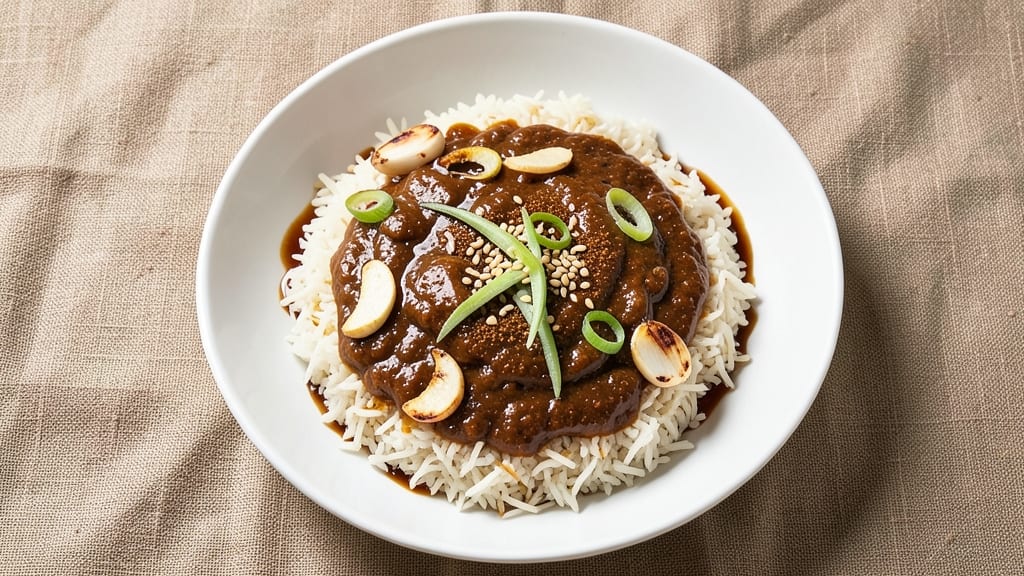
This basic Chinese curry sauce recipe transforms simple pantry staples into a one-pot umami bomb that elevates any dish. The secret lies in balancing fresh ginger, aromatic curry powder, and soy sauce for depth that builds with each simmer.
I developed this sauce after craving that signature Chinese restaurant flavor without the mystery—now you can recreate it at home with just 10 minutes of active time.
The sauce delivers bold, savory richness with a subtle ginger zing that brightens fried rice, noodles, or even grilled meats. What makes it special is the adaptable spice level—start with mild curry powder, then adjust chili flakes to your preference.
The sauce thickens beautifully when reduced, creating a glossy finish that clings perfectly to ingredients.
Perfect for meal prep, this sauce keeps well for 5 days refrigerated or 3 months frozen, making it your go-to flavor booster. Whether you're tossing it with stir-fried vegetables or drizzling over steamed dumplings, the complex layers of umami and warmth will become your new weeknight staple.
For extra versatility, stir in a splash of coconut milk for a Thai-inspired twist or add a pinch of five-spice powder for deeper Chinese complexity. The possibilities are endless—let's make this sauce your secret weapon in the kitchen.
Ingredients for basic chinese curry sauce
Pantry staples meet fresh aromatics for this bold, adaptable Chinese curry sauce.
| Ingredient | Amount | Notes |
|---|---|---|
| Fresh Ginger Root 🧄 | 1 tbsp | Finely grated, aromatic |
| Curry Powder 🌶️ | 2 tbsp | Mild variety preferred |
| Light Soy Sauce 🍶 | ½ cup | Kikkoman preferred |
| Dark Soy Sauce 🍶 | 1 tbsp | For depth and color |
| Sesame Oil 🫒 | 1 tbsp | Toasted, for aroma |
| Garlic Cloves 🧄 | 4 cloves | Minced for intensity |
| Green Onions 🧅 | 2 whole | Sliced, for garnish |
| Water 💧 | 1 cup | For simmering |
| Red Chili Flakes 🌶️ | 1 tbsp | Adjust for heat |
| Cornstarch 🌾 | 1 tsp | For thickening |
The ginger is your flavor anchor—fresh, not powdered. Grab a knob from the produce section (the organic bins at Whole Foods have the juiciest) and grate it yourself. Pre-minced ginger from jars lacks punch. For curry powder, Madras or berbere blends add depth, but mild curry works too. The soy sauces? Kikkoman light and Lee Kum Kee dark are my go-tos—never use low-sodium versions here. Sesame oil should smell nutty and toasted, not rancid. If yours smells off, toss it.
No fresh ginger? Powdered at half the amount works in a pinch, but the flavor won't be the same. Swap dark soy sauce for 1 tbsp molasses plus 1 tsp soy sauce if you're out. Chili flakes too spicy? Toast them in a dry pan for 30 seconds to mellow. The cornstarch is key for that glossy finish—arrowroot works too. For extra umami, add 1 tsp fish sauce (vegan-friendly version if needed), but it's optional. The garlic can be pre-minced from a jar (just drain the oil), but fresh always tastes better.
This sauce thickens as it cools, so don't over-reduce. Store in an airtight jar in the fridge for 5 days—it actually tastes better the next day as flavors meld. For freezing, portion into ice cube trays with a splash of water to prevent burning. Thaws perfectly in the fridge overnight. Double the batch—you'll want leftovers for stir-fries, noodles, or even grilled chicken. The sesame oil separates when refrigerated, so give it a quick stir before using.
Why You'll Love This Recipe
- No-Chop Necessary: Fresh ginger? Just grate a thumb-sized piece—no peeling, no fuss. That’s it. The curry powder and soy sauces handle the rest while you’re still debating what to eat for dinner.
- Umami Bomb: Light and dark soy sauce team up for that deep, savory punch—like a secret handshake for flavor. A splash of sesame oil at the end? Instant upgrade from "meh" to "why didn’t I think of this sooner?"
- Meal Prep MVP: Double the batch, store it for weeks, and toss it with rice, noodles, or roasted veggies. It’s the lazy person’s flavor multiplier—no one will guess you spent less than 10 minutes making it.
- Budget-Friendly Magic: Curry powder, ginger, and soy sauce? All under $5 for a month’s worth. This sauce turns cheap proteins (tofu, chicken thighs, even eggs) into something that tastes like you slaved over it—without the grocery bill.
Step-by-step instructions for Chinese curry sauce
This aromatic sauce builds in a single pot—simple steps, bold flavors, and no extra pans needed.
Bloom the Spices and Aromatics
Heat a medium saucepan over medium heat and add the 1 tablespoon sesame oil. Once shimmering, add the 2 tablespoons curry powder and stir constantly for 30 seconds—this blooms the spices and releases their essential oils. Watch closely; curry powder burns quickly, and you want to capture that toasty aroma before it turns bitter.
Next, add the 1 tablespoon finely grated fresh ginger root and 4 minced garlic cloves. Stir for another 30 seconds until fragrant—you should smell that bright, zesty ginger and sharp garlic punch. This is where the sauce's foundational flavors develop, so don't rush this step. If the spices start to darken too quickly, reduce the heat slightly to medium-low.
Build the Sauce Base
Pour in the 0.5 cup light soy sauce and 1 tablespoon dark soy sauce, stirring to combine. The dark soy sauce will deepen the color and add a subtle sweetness that balances the heat. Add the 1 tablespoon red chili flakes and stir for 10 seconds to distribute evenly—this prevents any single spot from becoming too spicy.
Now pour in the 1 cup water and bring the mixture to a gentle simmer. Let it cook uncovered for 5 minutes, stirring occasionally. You're looking for the flavors to meld and the sauce to reduce slightly—this concentrates the umami and creates a richer base. The sauce should smell complex, with layers of ginger, garlic, and curry working together.
Thicken and Finish
In a small bowl, whisk together the 1 teaspoon cornstarch with 2 tablespoons water to create a smooth slurry. Once the sauce has simmered for 5 minutes, slowly pour the slurry into the pan while stirring continuously. The sauce will thicken almost immediately—this is your signal to stop stirring and let it cook for another 1-2 minutes until it reaches your desired consistency.
Taste and adjust seasoning if needed. I usually add a pinch more salt if the sauce tastes flat, or a splash more light soy sauce if it needs more depth. The finished sauce should coat the back of a spoon and have a glossy sheen. Remove from heat and let it sit for 2 minutes—this resting period allows the flavors to fully integrate.
Garnish and Serve
Stir in the 2 sliced green onions, reserving a few slices for garnish. The green onions add a fresh contrast to the rich, spicy sauce. For serving, ladle the sauce over your choice of protein—think stir-fried chicken, tofu, or shrimp—or use it as a dipping sauce for dumplings. Garnish with the reserved green onion slices and a drizzle of sesame oil for that final aromatic touch.
The sauce will keep in the refrigerator for up to 5 days, making it perfect for meal prep. If it thickens too much when reheating, simply add a splash of water or broth to loosen it. This versatile sauce is the secret weapon in my kitchen—simple to make, but packed with layers of flavor that elevate any dish.
Pro Tips For Making Basic Chinese Curry Sauce
- STEAM THE GINGER FIRST: Skip the knife—peel and slice the ginger, then microwave it in a splash of water for 30 seconds. It softens instantly, releases more flavor, and won’t turn your sauce bitter. (Yes, even if you’re impatient like me.)
- TOAST THE CURRY POWDER: Dry-toast the curry powder in a separate pan over medium heat for 30 seconds until it smells fragrant. This deepens the aroma without burning it—trust me, the difference is noticeable. (I used to skip this and wondered why my sauce tasted flat.)
- ADD SESAME OIL LAST: Stir in the sesame oil off the heat at the very end—it burns in seconds and turns the sauce bitter. A few drops at the finish gives that nutty aroma without overpowering. (Your future self will thank you.)
- DILUTE THE SOY SAUCES: Mix the light and dark soy sauces with 1-2 tablespoons of water before adding them to the sauce. This prevents clumping and lets the flavors blend smoothly instead of settling at the bottom. (Sounds weird, but it works.)
Best sauces and condiments for this basic chinese curry sauce
Ginger-Garlic Base
The foundation of this sauce lies in the fresh ginger and garlic—these aren’t just flavorings, they’re the soul of the dish. I always use organic ginger root from the produce section at Whole Foods or Trader Joe’s because the flavor is so much brighter than pre-minced.
For garlic, I prefer roasted garlic in a pinch (it’s sweeter and less harsh), but fresh minced garlic gives that sharp, punchy kick. 🧄
Pro tip: If you’re using jarred minced garlic, drain it well and pat it dry with a paper towel to remove excess oil. This prevents your sauce from becoming too greasy.
For extra depth, add 1 tsp fish sauce (or vegan fish sauce)—it’s optional but adds a umami bomb that takes this sauce to the next level.
Curry Powder Variations
Not all curry powders are created equal! Mild curry powder works best here, but if you have Madras or berbere, use those—they bring smoky, earthy notes that complement the ginger beautifully.
I avoid pre-mixed Chinese curry pastes because they often contain MSG or artificial flavors that can overpower the dish. For a spicier kick, toast 1 tsp ground cumin with the curry powder before adding it to the pan—this deepens the aroma.
If you’re out of curry powder, a mix of 1 tbsp turmeric, ½ tbsp coriander, and ½ tbsp cumin works in a pinch. Just remember, turmeric stains everything yellow, so wear gloves if you’re worried about your clothes!
Soy Sauce Secrets
The combo of light and dark soy sauce is non-negotiable here. Kikkoman light soy sauce gives the saltiness and depth, while Lee Kum Kee dark soy sauce adds color and a touch of sweetness. Never substitute with low-sodium soy sauce—the flavor won’t be rich enough.
For a gluten-free version, swap the light soy sauce for tamari, but dark soy sauce is naturally gluten-free, so you can keep that.
If you’re feeling adventurous, add 1 tsp oyster sauce (or vegan oyster sauce) for a briny, savory richness that’s especially good with seafood dishes. Just don’t overdo it—start with ½ tsp and adjust to taste.
Thickening Tricks
The cornstarch slurry is your secret weapon for that glossy, restaurant-quality finish. If you don’t have cornstarch, arrowroot powder works just as well—it’s gluten-free and gives a smoother texture.
For a low-carb option, use 1 tsp xanthan gum dissolved in water, but it’s trickier to control the thickness.
If your sauce thickens too much when reheating, don’t panic! Just add 1-2 tbsp water or chicken broth and stir until smooth. The sauce should coat the back of a spoon but still be pourable—not like glue!
Spice Level Control
The red chili flakes are where you can customize the heat. For a mild sauce, use ½ tsp and add ½ tsp smoked paprika for color. For medium heat, stick with 1 tbsp.
If you love spice, add ½ tsp cayenne pepper or 1 tsp gochujang (Korean chili paste) for a fiery, fermented kick. 🌶️
To mellow out the heat, toast the chili flakes in a dry pan for 30 seconds before adding them to the sauce. This reduces their capsaicin content and balances the flavor without losing the color. Trust me, your taste buds will thank you!
Storage and Reheating
This sauce is a meal prep dream—it actually tastes better the next day as the flavors meld. Store it in an airtight glass jar in the fridge for up to 5 days.
For freezing, portion it into ice cube trays with a splash of water to prevent freezer burn. Once frozen, transfer the cubes to a ziplock bag and they’ll keep for 3 months. Thaw overnight in the fridge before using.
When reheating, warm the sauce over low heat and add 1-2 tbsp water or broth if it thickens too much. If you’re using it cold (like for dipping), just give it a quick stir—it’ll be perfectly balanced every time.
Nutrition facts
Frequently asked questions
Can I make this sauce without fresh ginger?
Yes, but the flavor won't be as vibrant. Use ½ teaspoon ground ginger instead, but toast it lightly in the pan for 10 seconds to enhance its aroma. For extra depth, add ½ teaspoon lemon juice to mimic fresh ginger's brightness. The sauce will still taste good, but it won't have that signature zing.
How spicy should this sauce be?
The recipe starts with medium heat thanks to the 1 tablespoon chili flakes, but you can easily adjust. For mild sauce, reduce to ½ teaspoon and add ½ teaspoon smoked paprika for color. For extra heat, add ½ teaspoon cayenne or 1 teaspoon gochujang. Toast the chili flakes first to mellow the heat if needed.
What dishes pair best with this curry sauce?
This versatile sauce elevates stir-fried rice, noodles, and grilled meats beautifully. Try it with chicken, tofu, or shrimp for a quick weeknight meal. It also works as a dipping sauce for dumplings or spring rolls. For extra richness, stir in 1 tablespoon coconut milk before serving.
Why did my sauce turn out too thick?
This happens when the cornstarch slurry over-thickens or the sauce reduces too much. To fix it, whisk in 1-2 tablespoons water or broth while stirring gently over low heat. If it's still too thick, add more liquid 1 tablespoon at a time. For next time, reduce the cornstarch to ½ teaspoon or simmer for less time before adding it.
Can I make this sauce in a slow cooker?
Combine all ingredients in the slow cooker and cook on low for 2-3 hours, stirring occasionally. The sauce will thicken naturally, so you may need to add 1-2 tablespoons water if it gets too dry. For best results, finish by simmering on the stovetop for 5 minutes to intensify the flavors and adjust the consistency.