
Sauces & Condiments
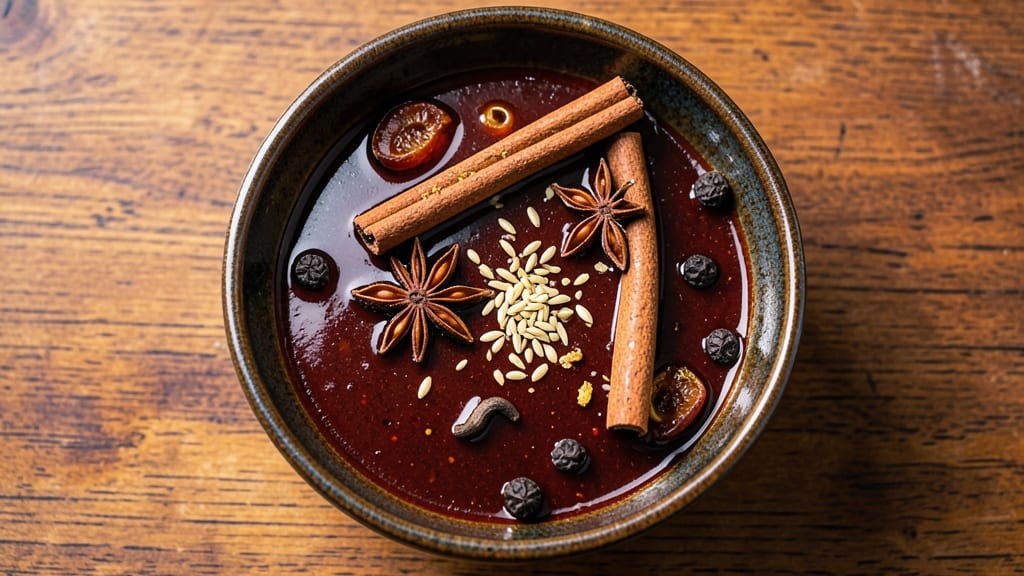
This authentic Chinese curry sauce recipe delivers the bold, aromatic depth that defines Cantonese and Sichuan cuisine—where five-spice harmony meets rich umami. The secret lies in toasting whole spices until fragrant, then simmering them with ginger, garlic, and shallots until they release their full potential.
Unlike Western curries, this sauce balances heat, sweetness, and earthiness through star anise, fennel seeds, and a touch of Sichuan peppercorn for that signature numbing kick.
The process is methodical but straightforward: begin by blooming the spices in oil to unlock their complex flavors, then build the sauce layer by layer with coconut milk and a splash of soy sauce for depth.
The result is a velvety, fragrant sauce that clings beautifully to proteins like chicken or tofu, or enhances stir-fries and noodle dishes with restaurant-quality richness. What sets this apart is the attention to spice layering—no shortcuts, just authentic technique.
What you’ll end up with is a sauce that’s vibrant, aromatic, and packed with the kind of umami that makes every bite unforgettable. It’s the kind of condiment that transforms simple dishes into something special, with a balance of heat, sweetness, and earthy spice that’s distinctly Chinese.
The best part? It keeps well in the fridge for up to a week, ready to elevate your cooking whenever you need it.
Use it to glaze meats, stir into noodle dishes, or drizzle over steamed vegetables for an instant flavor boost. The possibilities are endless, but the foundation is always the same: a sauce built on tradition and precision. Let’s get started on creating this flavor powerhouse.
Ingredients for authentic chinese curry sauce
Nine aromatic spices plus coconut milk and soy sauce. That's all you need for restaurant-quality Chinese curry sauce.
| Ingredient | Amount | Notes |
|---|---|---|
| Vegetable Oil 🫒 | ½ cup | For spice blooming |
| Star Anise Pods 🌿 | 2 whole | Whole pods for authentic flavor |
| Fennel Seeds 🌶️ | 1 tbsp | Toasted for depth |
| Sichuan Peppercorns 🔥 | 1 tsp | For numbing kick |
| Cinnamon Sticks 🌿 | 2 whole | For warmth |
| Cloves 🌿 | 4 whole | Freshly ground preferred |
| Dried Ginger 🧄 | 1 tbsp | Or 1-inch fresh ginger |
| Garlic Cloves 🧄 | 6 cloves | Minced for sauce |
| Shallots 🧅 | 2 whole | Minced for aromatic base |
| Coconut Milk 🥥 | 13 ½ oz | Full-fat for creaminess |
| Soy Sauce 🍶 | 2 tbsp | Light or dark preferred |
| Sesame Oil 🫒 | 1 tbsp | For finishing aroma |
| Brown Sugar 🍯 | 2 tbsp | For caramelized depth |
| Salt 🧂 | ½ tsp | Kosher or sea salt |
The spices make or break this sauce. Star anise and fennel seeds are non-negotiable—they bring that signature Chinese five-spice harmony. I grab mine from the bulk section at Whole Foods or Trader Joe's because they're fresher than the pre-ground stuff. Sichuan peppercorns can be tricky to find, but Asian markets always have them. Toast them lightly in a dry pan first to wake up their flavors—trust me, it's worth the extra minute. For the ginger, fresh is ideal, but if you're using dried, it's more concentrated so start with half the amount.
No star anise? Anise seeds work in a pinch, but the flavor won't be identical. Short on fennel? Celery seeds at half the amount add a similar earthiness. The coconut milk? Full-fat only—light versions won't give you that rich, velvety texture. For soy sauce, light soy for brightness or dark soy for depth. If you're making this for a crowd, double the spices and coconut milk—just keep the ratios the same. The brown sugar can be swapped for honey or maple syrup, but it adds a caramelized note that's hard to replicate.
This sauce keeps beautifully—1 week in the fridge sealed in a jar. The flavors actually deepen overnight, so make extra if you can. For freezing, portion into ice cube trays first—just pop out what you need and toss it in your dish. The spices? Store them in airtight containers away from light. I always make a double batch because it disappears faster than you'd think—great for glazing meats, stir-fries, or even drizzled over rice.
Why You'll Love This Recipe
- Spice Cabinet Magic: I swear by this sauce because it uses spices I already have—just star anise, fennel seeds, and a few Sichuan peppercorns. No specialty shopping, no stress.
- One-Pot Wonder: Honestly, the whole process fits in one pot. Toast the spices in oil until fragrant, add the aromatics, and let it simmer. That’s it. No chopping, no fuss—just deep, smoky flavor.
- Weeknight Flex: This sauce transforms into stir-fries, dumplings, or even noodles. I’ve used it for lazy Tuesday takeout nights and Sunday family feasts. It’s my go-to for when I’m short on time but not on flavor.
- Budget-Friendly Powerhouse: A little goes a long way—this sauce stretches across multiple meals. Freeze extras in ice cube trays for quick future use. My wallet (and taste buds) thank me every time.
Step-by-step instructions for authentic Chinese curry sauce
Here's how to build layers of aromatic spice and umami that define real Chinese curry.
Bloom the Whole Spices in Vegetable Oil
Heat the 0.5 cup vegetable oil in a heavy-bottomed pot over medium-low heat. Add the 2 whole star anise pods, 2 whole cinnamon sticks, 4 whole cloves, 1 tbsp fennel seeds, and 1 tsp Sichuan peppercorns. Let them bloom for 3-4 minutes until the oil becomes fragrant and the spices begin to sizzle gently.
This step is crucial for extracting maximum flavor from the whole spices. You'll notice the oil turning a golden hue and filling your kitchen with warm, earthy aromas. Don't rush this—patience here builds the sauce's depth. If the spices start to darken too quickly, reduce the heat slightly.
Add Ginger, Garlic, and Shallots
Increase heat to medium and add the 1 tbsp dried ginger, 6 cloves minced garlic, and 2 whole minced shallots. Stir constantly for 2-3 minutes until the garlic turns golden and the shallots soften. The mixture should smell intensely aromatic—like a spice market in China.
This is where the sauce's foundation forms. The ginger adds warmth, garlic brings sharpness, and shallots contribute sweetness. Watch carefully—the garlic burns quickly. If it starts to darken too much, remove the pot from heat for 30 seconds before continuing.
Build the Sauce Base with Soy and Sugar
Pour in the 2 tbsp soy sauce and 2 tbsp brown sugar, stirring constantly. Let the mixture simmer for 2-3 minutes until the sugar begins to caramelize slightly. This creates the perfect balance of salty, sweet, and umami flavors that define authentic Chinese curry.
You'll see the sauce thicken slightly and develop a glossy appearance. The caramelization adds depth that store-bought sauces can't replicate. If the sauce starts to stick to the bottom, add 1-2 tablespoons of water to deglaze and keep everything moving.
Incorporate Coconut Milk and Simmer
Reduce heat to low and gradually whisk in the 13.5 oz coconut milk. Bring to a gentle simmer and cook for 8-10 minutes, stirring occasionally, until the sauce thickens to your desired consistency. It should coat the back of a spoon but still be pourable.
This slow simmer allows all the flavors to meld together. The coconut milk adds creaminess while the spices continue to infuse. If the sauce thickens too much, whisk in 1-2 tablespoons of water to adjust the consistency. The final sauce should be rich but still flow smoothly over your dish.
Finish with Sesame Oil and Season
Remove the pot from heat and stir in the 1 tbsp sesame oil and 0.5 tsp salt. Let the sauce sit for 2-3 minutes to allow the sesame oil's nutty aroma to fully integrate. Taste and adjust seasoning if needed—you might want to add a touch more soy sauce for saltiness or sugar for sweetness.
The sesame oil adds that final aromatic punch that makes this sauce truly authentic. The sauce should have complex layers of flavor: sweet from the caramelized sugar, salty from the soy, umami from the spices, and nutty from the sesame. Serve immediately over noodles, rice, or your protein of choice for the ultimate Chinese curry experience.
Pro Tips For Making Authentic Chinese Curry Sauce
- CRACK THE SPICES FIRST: Bloom your whole spices in oil at medium-low heat for 30 seconds—just until you smell them wake up. I used to rush this and end up with bitter, overcooked star anise and cinnamon that ruined the whole sauce. Let them dance in the oil like tiny brown dancers before adding anything else.
- TOAST THE SICHUAN PEPPERCORNS: Lightly toast the Sichuan peppercorns in a dry pan for 10 seconds until fragrant—this unlocks their numbing, citrusy magic. Skip this, and your sauce will taste flat and one-dimensional. (Yes, even if you’re impatient like me.)
- STRAIN THE SPICE BAG: After simmering, remove the whole spices immediately and strain them through a fine-mesh sieve—don’t just fish them out with a spoon. Leaving them too long turns your rich sauce into a bitter, woody mess. Do this while the sauce is still hot for easy cleanup.
- USE COLD SPICES FOR CONTROL: Add fennel seeds and star anise straight from the fridge—they’ll warm up faster and bloom evenly. I learned this the hard way after burning a batch of spices that sat too long in a hot pan. Cold spices = consistent flavor, no surprises.
Make-ahead tips for this dish
Prep Ahead
Make this sauce a day ahead for deeper flavor development. The spices and aromatics meld beautifully overnight, creating a richer, more complex taste. Store it in an airtight container in the refrigerator for up to 7 days.
The texture may thicken slightly—just whisk in 1-2 tablespoons of water before reheating. 💫
Freezer-Friendly
Portion the sauce into ice cube trays for easy use later. Once frozen, transfer the cubes to a freezer bag. Thaw overnight in the fridge or microwave for 30 seconds to use directly in stir-fries or glazes.
The sauce maintains its vibrant flavor for up to 3 months in the freezer. This is perfect for batch cooking or meal prep.
Spice Storage
Keep your whole spices in airtight containers away from light and heat to preserve their potency. I use small glass jars with tight-sealing lids from Oriental Trading.
Toast them lightly in a dry pan before each use to revive their flavors. Freshly toasted spices make all the difference in this sauce—don’t skip this step! ✨
Double Batch
This sauce disappears fast, so I always make a double batch. Use the extra to glaze proteins like chicken or tofu, or drizzle over steamed vegetables. Store the second batch in a separate container for quick access.
The sauce keeps well for 1 week in the fridge, so you’ll always have it on hand for last-minute meals.
Reheating Tips
Gently reheat the sauce on the stovetop over low heat to avoid curdling. If it thickens too much, whisk in 1 tablespoon of water or coconut milk to restore its smooth consistency.
Never microwave it directly—this can break down the delicate spice oils and make the sauce taste flat. A quick simmer on the stove preserves all those hard-won flavors. 🔥
Customizing for Storage
If you’re storing the sauce long-term, reduce the sesame oil by half. Sesame oil can go rancid over time, so it’s better to add it fresh when you’re ready to use the sauce.
Just stir in ½ tablespoon when reheating. This keeps the sauce fresh-tasting for weeks in the fridge or months in the freezer. Trust me, your future self will thank you! 💛
Nutrition facts
Frequently asked questions
Why does this sauce use whole spices instead of ground ones?
Whole spices release flavor more gradually and create deeper, more complex aromas. When toasted in oil, they develop nutty, earthy notes that ground spices can't match. Plus, you can easily remove them after cooking if you prefer a smoother texture—just strain the sauce before serving.
Can I make this sauce without coconut milk?
Yes, but the texture will be thinner and less rich. For a dairy-free alternative, use 1 cup heavy cream or cashew cream (blended soaked cashews + water). If avoiding dairy entirely, thicken with 1 tbsp cornstarch mixed with water instead. The flavor will still be authentic, just with a different mouthfeel.
How spicy is this curry sauce?
The Sichuan peppercorns provide a mild numbing sensation (not heat), while the other spices offer warmth. For more heat, add ½ tsp chili flakes or 1 tsp gochujang when finishing. If you prefer no heat at all, simply omit the Sichuan peppercorns—the sauce will still be aromatic and flavorful.
What's the best way to use leftover sauce?
This sauce is incredibly versatile! Use it to glaze proteins like chicken or tofu, stir into noodle dishes, or drizzle over steamed vegetables. For extra richness, reduce it by half on the stovetop before using. It also makes a fantastic marinade—just add 1 tbsp honey and let it sit for 30 minutes before cooking.
Can I substitute any of the spices if I'm missing some?
Most spices can be swapped with close relatives, but keep ratios in mind. For star anise, use anise seeds (same amount). For fennel, try celery seeds (half the amount). If you lack Sichuan peppercorns, add ½ tsp black pepper for a similar depth. The sauce will still taste authentic—just slightly different!