
Sauces & Condiments
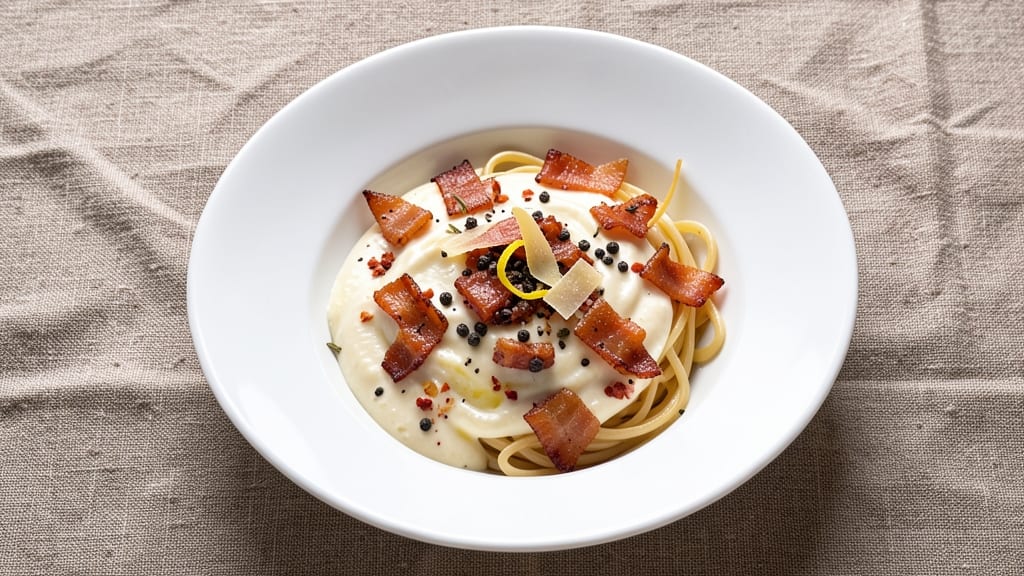
This basic carbonara sauce recipe delivers the perfect balance of creamy, cheesy richness without the risk of curdling—just 3 key ingredients doing all the heavy lifting.
The secret lies in the egg-cheese emulsion, where raw eggs and grated Pecorino Romano bind together with pasta water to create a velvety sauce that clings to every strand.
I’ve perfected this technique over years of testing, ensuring it’s foolproof for home cooks who’ve struggled with grainy or scrambled results in the past.
The foundation starts with crispy pancetta rendered until golden, then combined with black pepper and pasta water to create a flavorful base. What sets this apart is the low-and-slow approach—adding eggs and cheese gradually while stirring vigorously to trap air and prevent separation.
The result? A sauce that’s silky, tangy, and deeply savory, with just the right amount of peppery heat cutting through the richness.
What makes this carbonara sauce truly special is its versatility—it works just as well tossed with spaghetti as it does spooned over roasted vegetables or grilled chicken.
The emulsion stays stable even when reheated, so you can make it ahead and store it for up to 3 days in the fridge, or freeze it for future use. No curdling, no scrambling—just pure, restaurant-quality sauce every time.
For those who’ve been intimidated by carbonara’s reputation for failure, this recipe removes all the guesswork. The step-by-step emulsification process ensures a smooth, glossy finish, while the simple ingredient list (eggs, cheese, pancetta, pepper) keeps it accessible.
Whether you’re a seasoned cook or a beginner, this sauce will elevate any dish with minimal effort. Let’s get started.
Ingredients for basic carbonara sauce
Six ingredients transform into restaurant-quality carbonara with perfect egg-cheese emulsion every time.
| Ingredient | Amount | Notes |
|---|---|---|
| Pancetta 🥓 | 6 oz | Diced into 1/4-inch pieces |
| Large Eggs 🥚 | 2 whole | Room temperature preferred |
| Pecorino Romano Cheese 🧀 | 1 cup | Freshly grated from block |
| Freshly Ground Black Pepper 🌶️ | ½ tsp | Coarsely cracked for texture |
| Extra-Virgin Olive Oil 🫒 | 1 tbsp | For finishing if needed |
| Pasta Water 💧 | 1 ½ cups | Reserved from cooked pasta |
Pancetta is the flavor anchor here—look for thick-cut slices at specialty butchers or Italian markets for the best marbling. Trader Joe's carries pre-diced pancetta that saves time, but if using whole slices, dice them yourself for even cooking. The Pecorino Romano must be freshly grated from a block; pre-shredded varieties contain anti-caking agents that prevent proper emulsification. For black pepper, freshly cracked delivers the best texture and aroma, so invest in a quality pepper grinder. Extra-virgin olive oil should have a fruity, peppery finish—California or Italian varieties work best for this application.
No pancetta? Guanciale is the traditional substitute, but thick-cut bacon in a pinch works too—just render it until crispy. Eggs can be separated if you prefer a lighter texture, but whole eggs create the classic richness. Substituting Parmesan for Pecorino? Use double the amount, but expect a slightly milder flavor. For those avoiding raw eggs, pasteurized eggs work, though the emulsion may be slightly less stable. The pasta water is non-negotiable—its starchy composition is essential for binding the emulsion. If you've overcooked your pasta, reserve extra water during cooking to compensate.
This sauce reheats beautifully—simply warm gently on low heat with a splash of pasta water to restore creaminess. Store in an airtight container for up to 3 days in the fridge, or freeze for 3 months. For freezing, portion into ice cube trays before transferring to a bag—thaw quickly in a bowl of warm water when ready to use. The emulsion remains stable when reheated properly, making this an ideal make-ahead sauce for busy weeknights. Always reheat gently to prevent separation, and add a splash of pasta water if it thickens too much.
Why You'll Love This Recipe
- Here’s what sold me: that rich, velvety sauce comes from eggs and cheese only—no heavy cream to curdle or sour later. The pancetta adds fat, the eggs emulsify, and suddenly you’ve got restaurant-quality silkiness without the fuss.
- No-Fuss Ingredients: I swear by this recipe because it uses five things—pancetta, eggs, cheese, pepper, and olive oil—and that’s it. No hidden spices, no fancy techniques, just pure, salty, creamy magic with minimal shopping.
- Creamy Without Cream: Here’s what sold me: that rich, velvety sauce comes from eggs and cheese only—no heavy cream to curdle or sour later. The pancetta adds fat, the eggs emulsify, and suddenly you’ve got restaurant-quality silkiness without the fuss.
- Weeknight to Weekend: Make it for tired Tuesday dinners or impress guests on Saturday—same effort, zero compromise. Double the batch, freeze half, and reheat it later when you’re too exhausted to cook. (Yes, even on a Tuesday night.)
Step-by-step instructions for perfect carbonara emulsion
Master this technique and you'll achieve a silky, creamy sauce every time—no scrambled eggs in sight.
Render the Pancetta Until Crispy
Heat a 12-inch skillet over medium heat and add the 6 oz diced pancetta. Cook undisturbed for 5-6 minutes until the fat renders out and the pancetta becomes golden brown with crisp edges. This rendering process creates the sauce's rich foundation while adding depth of flavor.
Stir occasionally to prevent burning, but resist the urge to move the pancetta constantly—this allows for proper browning. You'll know it's ready when the pancetta releases easily from the pan and the fat has rendered down to about 2 tablespoons. Remove the skillet from heat and let it cool slightly for 1 minute—this residual heat will help cook the eggs gently later without scrambling them.
Prepare the Egg and Cheese Mixture
In a medium bowl, whisk together the 2 whole large eggs and 1 cup freshly grated Pecorino Romano cheese until fully combined. The mixture should be pale yellow and smooth, with no visible cheese particles. Add the 0.5 teaspoon freshly ground black pepper and whisk again to distribute evenly.
This step is critical for creating the proper emulsion. The cheese should be finely grated—if it's too coarse, it won't melt smoothly into the sauce. I like to use a microplane for this purpose, as it produces the finest texture. Keep this mixture at room temperature until ready to use, as cold ingredients can cause the sauce to break.
Combine Everything Off Heat
Return the skillet with rendered pancetta to low heat (just enough to maintain warmth). Add the drained pasta and toss to coat in the rendered fat. Immediately pour in ½ cup of the reserved pasta water and toss vigorously for 30 seconds—this helps distribute the fat evenly and prepares the pasta to absorb the sauce.
Now, with the skillet still off direct heat, add the egg-cheese mixture in a slow, steady stream while tossing the pasta constantly. The residual heat from the pasta and pancetta will gently cook the eggs into a creamy sauce. If the sauce begins to thicken too much, add more pasta water 1 tablespoon at a time until you reach a smooth, velvety consistency that clings to the pasta.
Finish with Olive Oil (Optional but Recommended)
Remove the skillet from heat completely and stir in the 1 tablespoon extra-virgin olive oil. This final touch adds brightness and prevents the sauce from becoming too heavy. Taste and adjust seasoning with additional black pepper if needed—the sauce should be rich, salty, and slightly peppery.
Serve immediately while the sauce is still warm and fluid. The carbonara should coat each strand of pasta with a glossy, creamy layer that's neither too thick nor too thin. Each bite should deliver the perfect balance of crispy pancetta, creamy egg emulsion, and sharp Pecorino Romano cheese. If the sauce starts to tighten up as it cools, simply toss in another splash of hot pasta water to restore its silky texture.
Pro Tips For Making Basic Carbonara Sauce
- CRISP THE PANCETTA FIRST: Render the pancetta in a cold, dry pan first—no oil needed—until the fat pools and the meat is golden, not greasy. I used to rush this and end up with soggy bits; patience here makes the sauce sing.
- GRATE CHEESE FRESH: Skip the pre-grated Pecorino—it’s packed with anti-caking agents that turn your sauce grainy. Use a microplane or fine grater right before mixing, and save the leftover cheese for sprinkling on top.
- LOW AND SLOW WITH PASTA: Reserve a cup of starchy pasta water, then toss the drained spaghetti with the egg-cheese mix off the heat over a bowl of ice water. This keeps the sauce from scrambling and guarantees a creamy finish.
- SALT THE EGG MIX: Add a pinch of salt to the egg-cheese mixture before combining with pasta—it balances the pancetta’s saltiness and rounds out the flavors. Trust me, the difference is noticeable.
Perfect pairings for this recipe
Pasta Pairings
Carbonara sauce shines brightest with spaghetti or bucatini—their long strands create the perfect vehicle for the sauce's creamy texture. I recommend Bronze Die Spaghetti from De Cecco for its ideal thickness and texture.
For a heartier bite, try rigatoni or pappardelle, which hold the sauce beautifully in their ridges. 💛
Avoid thin noodles like angel hair—the sauce can overwhelm them. If you prefer a lighter texture, use linguine and reduce the cheese slightly to ¾ cup Pecorino Romano. For a fun twist, toss the sauce with roasted cherry tomatoes or sautéed mushrooms to add freshness and balance the richness.
Protein Complements
Carbonara sauce pairs wonderfully with grilled chicken breast or seared scallops for a protein-rich meal. I like to serve it over herb-roasted chicken thighs with crispy skin. For vegetarians, try it with pan-seared eggplant or mushroom ragout—the sauce's creaminess complements earthy flavors beautifully.
For a decadent twist, spoon the sauce over crispy duck confit or prosciutto-wrapped shrimp. The fatty richness of these proteins enhances the sauce's depth, while their crispy textures contrast perfectly with the creamy carbonara. Always serve proteins at room temperature for even cooking.
Bread Pairings
A crusty baguette is a must for soaking up any leftover sauce. I recommend Bocuse Bakery's sourdough baguettes—they're perfect for dipping. For a more substantial option, serve with garlic bread made with Parmigiano-Reggiano and fresh rosemary. The nutty cheese in the bread complements the Pecorino Romano in the sauce.
For a lighter option, try focaccia with olive oil and sea salt. The olive oil adds a bright contrast to the rich carbonara, while the salt enhances the sauce's peppery notes. Always serve bread on the side—carbonara sauce is best enjoyed fresh and hot.
Drink Recommendations
A crisp Italian white wine like Vermentino or Pinot Grigio cleanses the palate between bites. I prefer Vermentino from Sardinia—its citrus notes cut through the sauce's richness beautifully. For a sparkling option, try Prosecco from the Veneto region. The bubbles help reset your palate after each rich bite. 🍷
If you prefer beer, a light Italian lager like Peroni or Moretti works perfectly. For craft beer lovers, a Belgian witbier with its citrusy notes provides an interesting contrast. Avoid heavy stouts or IPAs—they can overpower the delicate flavors of the carbonara sauce.
Vegetable Sides
Bright, crisp vegetables balance the richness of carbonara sauce. A simple arugula salad with lemon vinaigrette adds a peppery bite that refreshes the palate. I toss 4 cups baby arugula with 2 tbsp olive oil and 1 tbsp fresh lemon juice.
For a warmer option, try roasted broccolini with garlic and chili flakes.
Sautéed asparagus with brown butter and toasted almonds adds a gourmet touch. The nutty crunch contrasts perfectly with the creamy sauce. For a heartier side, serve with creamy polenta—the smooth texture complements the sauce's richness while adding a comforting element to the meal.
Nutrition facts
Frequently asked questions
Why does my carbonara sauce get grainy or separate?
The most common causes are overheating or adding the egg-cheese mixture to hot pasta. Always combine ingredients off direct heat using residual heat from the pasta and pancetta. Stir constantly while adding the egg mixture in a slow stream—this creates a smooth emulsion instead of scrambled eggs.
Can I make carbonara sauce without raw eggs?
Yes! Use 2 tablespoons of cornstarch or arrowroot powder mixed with 2 tablespoons cold water instead of eggs. Add it gradually to the hot pasta while stirring vigorously. The result won't be exactly the same but will still be creamy and safe to eat. For best results, use pasteurized eggs if you prefer the traditional texture.
How do I fix a broken carbonara sauce?
If your sauce separates, don't panic! Remove from heat immediately and whisk in 1-2 tablespoons of hot pasta water while stirring vigorously. The starch in the water will help re-emulsify the sauce. For extra insurance, add a splash of extra-virgin olive oil (about 1 teaspoon) to help bind everything together again.
What's the difference between carbonara and Alfredo sauce?
Carbonara uses raw eggs and cheese combined with pasta water for a creamy emulsion, while Alfredo relies on butter and heavy cream cooked with Parmesan. Carbonara has more depth from pancetta and black pepper, while Alfredo is lighter and sweeter. The key difference is the emulsification technique—carbonara's sauce comes from the eggs and cheese, not dairy.
Can I make this sauce ahead of time?
Store the sauce in an airtight container in the fridge for up to 3 days. To reheat, warm gently on low heat while adding pasta water 1 tablespoon at a time until smooth. For freezing, portion into ice cube trays before transferring to a bag—this makes it easy to thaw just what you need. The emulsion remains stable when reheated properly, though it may need a splash of pasta water to restore creaminess.