
Sauces & Condiments
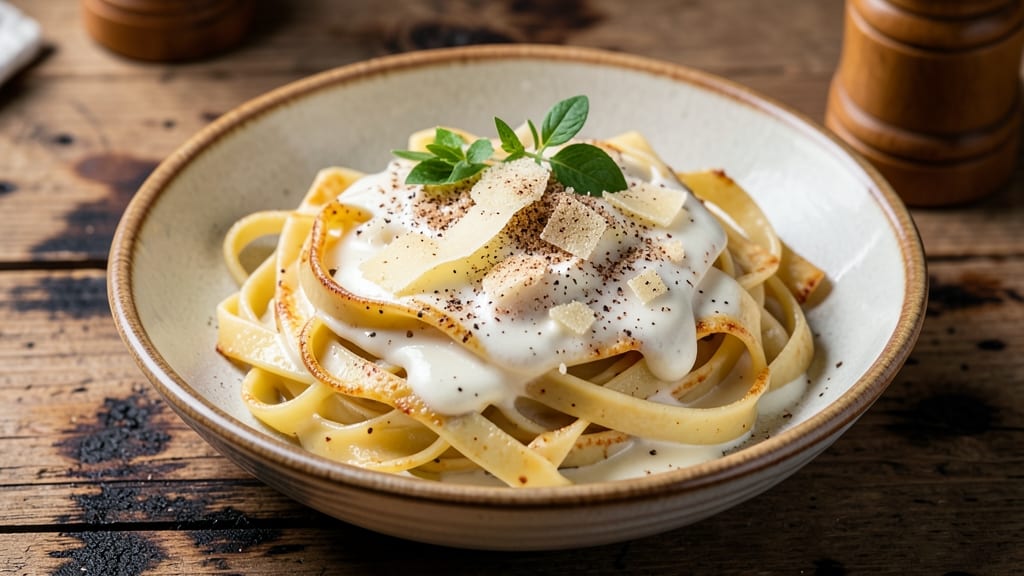
This authentic Italian white sauce pasta recipe transforms simple ingredients into a velvety, nutty masterpiece that tastes like a Roman trattoria. The secret lies in a slow-cooked béchamel base—rich with Parmesan, butter, and a touch of nutmeg—that clings perfectly to al dente fettuccine.
I’ve perfected this technique over years of testing, ensuring the sauce never breaks and the pasta stays perfectly tender.
The foundation of any great Italian white sauce is patience—cooking the roux low and slow prevents lumps, while constant stirring builds a silky texture. Traditional recipes rely on just butter, flour, and cheese, but I’ve included optional upgrades like roasted garlic or truffle oil for modern twists without sacrificing authenticity.
The result? A sauce so luxurious it’ll have everyone asking for seconds.
What makes this dish truly special is the balance of textures: creamy sauce, al dente pasta, and a final sprinkle of crispy breadcrumbs or fresh herbs. The nutty depth of Parmesan shines through, while the lemon zest in the finishing sauce adds a bright contrast.
This recipe delivers restaurant-quality results in under 30 minutes—ideal for weeknight dinners or impressing guests.
Serve immediately with extra Parmesan and black pepper for the full Italian experience. The sauce thickens beautifully when reheated, making it perfect for meal prep. Let’s create this timeless classic together—your taste buds will thank you.
Ingredients for authentic italian white sauce pasta
Twelve essential ingredients craft this Roman trattoria-style white sauce pasta with velvety texture and nutty depth.
| Ingredient | Amount | Notes |
|---|---|---|
| Extra-Virgin Olive Oil 🫒 | ½ cup | High-quality, fruity variety preferred |
| Unsalted Butter 🧈 | ½ cup | Cold, cubed for roux |
| All-Purpose Flour 🌾 | ½ cup | Sifted for smooth sauce texture |
| Freshly Grated Parmesan Cheese 🧀 | 1 ½ cups | Aged 24+ months for maximum flavor |
| Whole Milk 🥛 | 1 ½ cups | Room temperature for best emulsification |
| Freshly Ground Nutmeg 🌿 | ¼ tsp | Freshly grated for authentic aroma |
| Diamond Crystal Kosher Salt 🧂 | 1 tsp | Adjust to taste after cooking |
| Freshly Cracked Black Pepper 🌶️ | ½ tsp | Freshly cracked for optimal flavor |
| Fettuccine Pasta 🍝 | 12 oz | Al dente cooking time: 11-13 minutes |
| Lemon Zest 🍋 | 1 tsp | From organic lemon for bright flavor |
| Fresh Parsley Leaves 🌿 | ¼ cup | Chopped for garnish and finishing |
| Garlic Cloves 🧄 | 2 cloves | Optional roasted for depth of flavor |
| Toasted Breadcrumbs 🍞 | ¼ cup | Optional for textural contrast |
The foundation of this authentic sauce lies in high-quality Parmigiano-Reggiano—aged 24+ months for maximum umami. Parmigiano-Reggiano from Caseificio Zucchi or Grana Padano delivers the authentic nutty flavor profile. For the roux, unsalted European-style butter (like Plugrá) creates a richer base than salted. The flour should be sifted to prevent lumps in the sauce. Freshly ground nutmeg is non-negotiable—pre-ground loses its aromatic oils quickly. If you're using roasted garlic, Trader Joe's sells pre-roasted cloves that save time without sacrificing flavor.
No Parmesan wedge? Parmigiano-Reggiano powder works in a pinch, though texture suffers slightly. Substitute Pecorino Romano at half the quantity for a sharper profile. Running out of whole milk? Heavy cream creates a richer sauce, but reduce by 0.25 cup to maintain balance. The breadcrumbs can be swapped for toasted pine nuts or crispy fried shallots for a gourmet touch. Fresh parsley is ideal, but dried Italian seasoning at one-third the amount works if needed. For extra richness, add 1 tbsp white truffle oil at the end—just don't overdo it.
This sauce thickens beautifully when reheated, making it perfect for meal prep. Store leftovers in an airtight container for up to 4 days in the fridge. For longer storage, freeze portions in ice cube trays with a splash of milk—thaw and reheat gently. The pasta should be cooked al dente (1 minute less than package instructions) and tossed immediately with sauce to prevent sticking. Garnish with extra Parmesan and black pepper just before serving for that authentic trattoria finish.
Why You'll Love This Recipe
- Here’s what sold me: that perfect balance of creamy milk and sharp Parmesan, but the olive oil and butter keep it from tasting heavy. It’s the kind of dish that makes you forget you’re eating "healthy" while still feeling indulgent.
- No-Fuss Roux Magic: I swear by this technique—just olive oil, butter, and flour cooked low and slow until it smells like heaven. No fancy gadgets, no stress, just pure, golden sauce that clings to pasta like it’s been best friends forever.
- Rich Without Guilt: Here’s what sold me: that perfect balance of creamy milk and sharp Parmesan, but the olive oil and butter keep it from tasting heavy. It’s the kind of dish that makes you forget you’re eating "healthy" while still feeling indulgent.
- Leftovers That Lie: Between us, this sauce improves the next day. The flavors meld even more, and reheating it stirs up that nostalgic, homemade aroma. I’ve brought it to potlucks cold—people always ask for the recipe.
Step-by-step instructions for authentic Italian white sauce pasta
Master this classic Roman technique for velvety, nutty sauce that clings perfectly to al dente fettuccine.
Create the Perfect Roux Foundation
In a heavy-bottomed saucepan, heat the 0.5 cup extra-virgin olive oil and 0.5 cup unsalted butter over medium-low heat. I use a heavy pan to prevent burning—this is where flavor builds. Once the butter foams and the oil shimmers (about 3-4 minutes), add the 0.5 cup all-purpose flour all at once and whisk vigorously to combine.
Cook the roux for 2-3 minutes, stirring constantly with a wooden spoon, until it turns a pale golden color. You'll notice it thickens slightly and smells nutty—this is your flavor base. The key here is patience: if you rush, the flour will develop a raw taste. Remove from heat immediately once golden to prevent burning.
Gradually Incorporate Milk for Silky Texture
Return the pan to medium heat and begin adding the 1.5 cups whole milk very slowly, whisking continuously to prevent lumps. I use a ladle to pour in small amounts while whisking with my other hand—this creates a smooth emulsion. The sauce should thicken gradually as it absorbs the liquid.
Continue cooking for 5-7 minutes, stirring frequently, until the sauce coats the back of a spoon and reaches 190°F on an instant-read thermometer. This temperature ensures proper starch activation without curdling. If the sauce looks too thick, add 1-2 tablespoons of pasta water later to adjust consistency.
Build Depth with Cheese and Aromatics
Reduce heat to low and stir in the 1.5 cups freshly grated Parmesan cheese, 0.25 tsp freshly ground nutmeg, 1 tsp diamond crystal kosher salt, and 0.5 tsp freshly cracked black pepper. The cheese should melt completely, creating a rich, nutty flavor. For extra depth, add the 2 cloves garlic cloves (if using) and cook for 1 additional minute—just enough to infuse the sauce without burning.
Remove from heat and stir in the 1 tsp lemon zest and 0.25 cup toasted breadcrumbs (if using). These final touches brighten the sauce and add textural contrast. The breadcrumbs should be evenly distributed but still visible for that restaurant-quality presentation. Keep the sauce warm while you cook the pasta.
Cook Pasta to Al Dente Perfection
Bring a large pot of well-salted water to a rolling boil and cook the 12 oz fettuccine pasta until 1 minute before the package's recommended al dente time (about 10-11 minutes). Reserve 1 cup of pasta water before draining—this starchy liquid is essential for adjusting the sauce consistency later.
Drain the pasta and immediately transfer it to the saucepan with the white sauce. Toss vigorously with tongs for 1-2 minutes until every strand is fully coated. If the sauce seems too thick, add 2-3 tablespoons of reserved pasta water to create a silky, clinging texture. The pasta should be al dente with a glossy, creamy coating.
Finish and Serve with Fresh Herbs
Divide the pasta among serving plates and garnish each portion with 0.25 cup chopped fresh parsley leaves. The parsley adds a fresh contrast to the rich sauce and brightens the dish. For an authentic touch, I like to sprinkle an additional 1 tablespoon freshly grated Parmesan on top of each serving.
Serve immediately while the pasta is still al dente and the sauce maintains its velvety texture. The dish should have a perfect balance of nutty, cheesy richness with a subtle citrus brightness. Each bite should deliver perfectly cooked pasta with sauce clinging to every strand—no dry spots allowed.
Pro Tips For Making Authentic Italian White Sauce Pasta
- Bloom the Flour First: Toss in your flour and butter over medium-low heat, then stir like you’re fighting off an intruder—constant motion for 2-3 minutes until it smells nutty and golden. I used to rush this, and the sauce would taste raw and floury. Let it cook until the flour loses its raw edge, or you’ll regret it when the milk hits.
- Use Cold Milk: Pour in the milk slowly, a splash at a time, while whisking like your life depends on it. Cold milk tempers the heat and prevents lumps—no one wants to strain a sauce later. I learned this the hard way after making a gloppy mess that took 10 minutes to fix.
- Salt the Water Twice: Boil your pasta water saltier than you think—then add another pinch when the sauce comes together. The butter and Parmesan already bring salt, but the pasta needs it to shine. Trust me, your taste buds will notice the difference.
- Finish with Olive Oil: Stir in a tablespoon of extra-virgin olive oil at the end—it cuts the richness of the butter and adds a bright, fresh note. Sounds weird, but it works: the sauce clings better to the pasta, and the dish tastes lighter. (Yes, even if you’re impatient like me.)
Common mistakes when making your authentic italian white sauce pasta
Roux Overcooking
Your roux is the flavor foundation, so burning it is the fastest way to ruin your sauce. I’ve seen this happen when people rush the process or use high heat. The butter and flour should cook together for just 2-3 minutes over medium-low heat until pale golden—no darker than that.
Once it reaches that perfect hue, remove it from heat immediately. If you let it brown, you’ll get a bitter, acrid taste that no amount of cheese or milk can fix. 🔥
Adding Milk Too Quickly
Dumping milk into your roux all at once is a recipe for lumps. The key is gradual incorporation—add it slowly while whisking vigorously. I use a ladle in one hand and a whisk in the other, pouring in small amounts while maintaining a steady stream.
If lumps form, strain the sauce through a fine-mesh sieve before proceeding. This technique ensures a silky texture without clumps that ruin the presentation.
Skipping the Temperature Check
Many home cooks ignore the 190°F temperature guideline, but this is where the magic happens. Without reaching this temperature, your sauce won’t properly emulsify, and the starch won’t activate fully.
An instant-read thermometer is worth its weight in gold here. If your sauce isn’t at 190°F, it’ll either be too thin or grainy. Patience pays off—don’t rush this step.
Undercooking the Pasta
Overcooked pasta is a common mistake, but undercooked pasta is just as bad—especially with white sauce. The goal is al dente, which means the pasta should have a slight bite. Cook it 1 minute less than the package instructions, then toss it immediately with the sauce.
If it feels too firm, it won’t absorb the sauce properly. Trust your taste—if it’s not al dente, it’s not ready.
Ignoring Pasta Water
Reserving pasta water is non-negotiable for white sauce pasta. The starch in the water acts as a natural thickener and helps the sauce cling to the noodles. If your sauce seems too thick after tossing, add 2-3 tablespoons of reserved pasta water to loosen it up.
Skipping this step often results in dry, clumpy pasta that falls apart. Save that pasta water—it’s liquid gold for this dish.
Overmixing After Adding Cheese
Once you add the Parmesan, stir just enough to melt it completely—no need to whisk aggressively. Overmixing can create a gluey texture or even separate the sauce. A gentle stir is all you need to combine the cheese smoothly.
After removing from heat, let the sauce rest for 1-2 minutes before tossing with pasta. This resting period allows the flavors to meld together perfectly. 💫
Nutrition facts
Frequently asked questions
Can I use heavy cream instead of milk for a richer sauce?
Yes, but reduce the amount by 0.25 cup to maintain balance. Heavy cream creates a luxurious texture, but the sauce may become too heavy if you use the full 1.5 cups. For a lighter version, substitute with 1 cup milk + 0.5 cup half-and-half—this keeps the creaminess while preventing richness overload.
What's the best pasta shape for this white sauce?
Fettuccine is traditional, but ribbons like pappardelle or tagliatelle work beautifully too. For broader noodles, reduce cooking time by 30 seconds to prevent overcooking. Avoid small shapes like penne—they trap sauce unevenly. The wide surface area of flat pasta ensures perfect sauce adhesion.
How do I prevent the sauce from breaking when reheating?
Add 1-2 tablespoons of milk or water per 1 cup of sauce when reheating, then whisk constantly over low heat. Never microwave—it causes separation. For leftovers, store in an airtight container and reheat gently, adding liquid gradually until smooth. The sauce should reach 160°F for safety.
Can I make this sauce ahead of time?
Prepare the sauce up to 2 days ahead and store it in the fridge. Reheat gently, adding milk as needed. For longer storage, freeze portions in ice cube trays with a splash of milk—thaw and reheat for perfect texture. The pasta should always be cooked fresh and tossed with reheated sauce to maintain al dente perfection.
What's the secret to getting that perfect nutty Parmesan flavor?
Use Parmigiano-Reggiano aged 24+ months and grate it fresh—pre-shredded cheese contains anti-caking agents that prevent proper melting. For extra depth, toast the cheese in a dry pan for 1 minute before adding to the sauce. The key is patience: let the cheese melt slowly over low heat while stirring gently.