
Sauces & Condiments
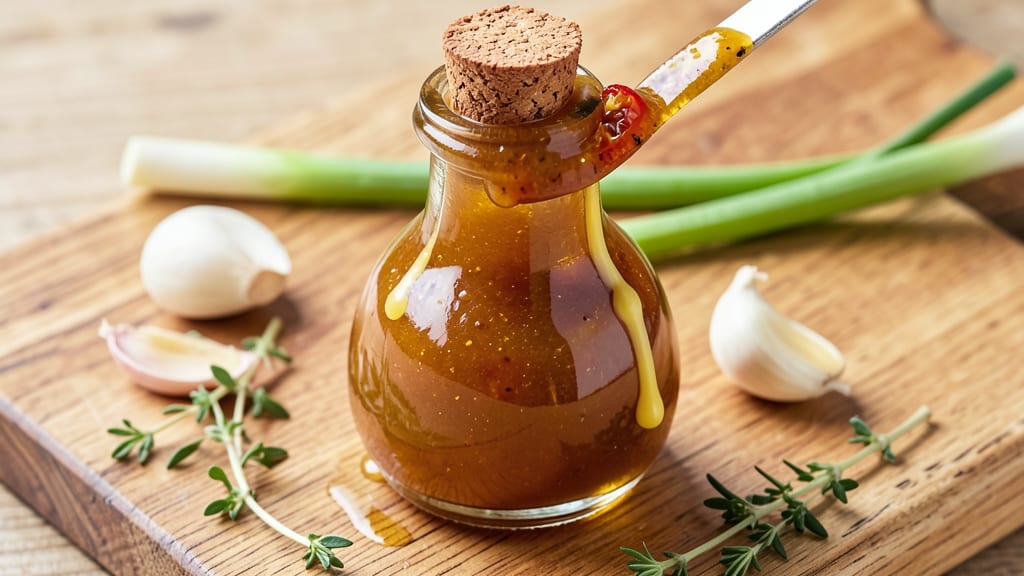
This Barbados pepper sauce recipe delivers the island's signature fiery-sweet heat in every drop, balancing Scotch bonnet peppers with tangy vinegar and bright herbs.
The secret lies in blending fresh garlic, mustard, and thyme to create a sauce that's as aromatic as it is bold—perfect for adding Caribbean flair to grilled meats, seafood, or even sandwiches.
I developed this version after years of testing, ensuring the heat level is intense yet controlled, with a smooth finish that lingers.
The process is straightforward but requires patience: simmering the sauce until the flavors meld creates depth that store-bought versions can't match. Scotch bonnet peppers provide the signature heat, while apple cider vinegar adds brightness that cuts through the spice.
Fresh herbs like thyme and scallions contribute an earthy freshness that elevates the sauce beyond simple heat—it becomes a complex, versatile condiment that transforms any dish.
What sets this recipe apart is its balance: the sweetness from vinegar and mustard complements the pepper's heat, while the herbs add layers of complexity. The result is a sauce that's bold enough to stand alone but subtle enough to enhance without overpowering.
Whether you're marinating jerk chicken, drizzling over grilled shrimp, or slathering on a burger, this sauce brings authentic Caribbean flavor to your table.
Store it in the refrigerator for up to two weeks, where the flavors deepen over time. For extra heat, add more peppers; for milder versions, reduce the quantity or remove seeds. This sauce is your ticket to restaurant-quality Caribbean flavor at home—simple to make, impossible to resist.
Ingredients for barbados pepper sauce
Nine ingredients balance Caribbean heat and bright freshness for this signature sauce.
| Ingredient | Amount | Notes |
|---|---|---|
| Scotch Bonnet Peppers 🌶️ | 4 whole | Seeds removed for milder heat |
| Apple Cider Vinegar 🍶 | 1 cup | Unfiltered for depth of flavor |
| Yellow Mustard 🥫 | ½ cup | Dijon preferred for tang |
| Garlic Cloves 🧄 | 6 cloves | Freshly minced for aromatic punch |
| Fresh Thyme Leaves 🌿 | ¼ cup | Stems removed, finely chopped |
| Scallions 🧅 | 4 whole | White and green parts chopped |
| Granulated Sugar 🍚 | 2 tbsp | Balances pepper heat |
| Extra-Virgin Olive Oil 🫒 | ½ cup | For smooth finish |
| Salt 🧂 | 1 tsp | Diamond Crystal preferred |
| Black Peppercorns 🌶️ | ½ tsp | Freshly cracked |
Scotch bonnet peppers are the heart of this sauce—find them at Latin markets or well-stocked grocery stores. If you can't locate fresh ones, Hatch chiles work in a pinch, but the flavor won't be identical. The apple cider vinegar should be unfiltered for that deep, mellow tang. I always grab Bragg Organic when I can, but any quality brand will do. For the mustard, Dijon works best—it's more complex than basic yellow mustard. If you're using dried thyme, reduce to one-third the amount of fresh.
No Scotch bonnet peppers? Habanero peppers are the closest substitute, but they're hotter, so use half the quantity. For a milder sauce, remove the pepper seeds and membranes before blending. The garlic can be roasted for a sweeter flavor—wrap cloves in foil and roast at 400°F for 10 minutes. If you're short on scallions, green onions work fine. The sugar helps balance the heat, but if you prefer less sweetness, reduce to 1 tbsp. For extra depth, add 1 tsp smoked paprika to the blend.
This sauce keeps beautifully in the fridge for 2-3 weeks, with flavors deepening over time. For longer storage, freeze in ice cube trays and transfer to a container—perfect for single-use portions. The sauce thickens as it sits, so give it a quick stir before using. If it separates, just whisk it back together. The heat level intensifies after a day or two, so taste before serving and adjust with more vinegar or sugar if needed.
Why You'll Love This Recipe
- No-Fuss Blend: Honestly, this sauce takes all of five minutes—just toss the peppers, vinegar, and garlic into a blender, pulse, and let it sit. No peeling, no dicing, no stress. The Scotch bonnet’s heat builds naturally as it steeps, so you’re not standing over a stove.
- Heat with Depth: That first bite? The mustard’s tang cuts through the pepper’s fire, while the thyme adds this earthy whisper that makes it way more than just spicy. Between us, I’ve used it on grilled chicken, scrambled eggs, and even in marinades—it’s the kind of complexity that sneaks up on you.
- Weeknight Magic: I keep a jar in the fridge because it’s my go-to for lazy dinners: drizzle it over rice and beans, toss it with roasted veggies, or slather it on toast when I’m too tired to cook. (Yes, even on a Tuesday night.) The vinegar keeps it shelf-stable for weeks, so it’s always there when I need it.
- Budget Brightener: A single Scotch bonnet and a handful of thyme stretch into so much sauce—way more than you’d get from store-bought. I’ve turned a $3 bag of peppers into enough for six meals, and the mustard and vinegar? Pantry staples that don’t break the bank. Flavor that actually lasts.
Step-by-step instructions for Barbados pepper sauce
Here's how to craft this vibrant, balanced sauce that marries sweet heat with fresh herb complexity.
Prepare the Peppers for Maximum Flavor Extraction
Remove the stems from all 4 whole Scotch Bonnet Peppers and carefully slice them open lengthwise. I use a sharp chef's knife for this—it gives you clean cuts that expose more surface area for infusion. Remove the seeds and membranes (this reduces the heat intensity while keeping the fruity depth), then chop the peppers into ¼-inch pieces. The goal is to preserve the pepper's natural oils while making them easier to blend later.
Transfer the chopped peppers to a heatproof bowl. Here's the thing—Scotch Bonnet peppers contain capsaicin, which can irritate skin. I always wear latex gloves when handling them to avoid any accidental burns. Set the bowl aside for now; we'll process these first to ensure they're fully incorporated into the sauce.
Infuse the Vinegar and Mustard Base
In a medium saucepan, combine the 1 cup Apple Cider Vinegar and 0.5 cup Yellow Mustard over medium-low heat. Bring to a bare simmer—just enough to create gentle bubbles—and let it cook for 5 minutes until the mustard is fully dissolved and the mixture is smooth. This step ensures the mustard's tang is evenly distributed throughout the sauce.
Add the chopped Scotch Bonnet Peppers to the vinegar mixture and remove from heat. Let it steep for 15 minutes at room temperature. You'll notice the liquid turning a vibrant orange-red color—this is when the peppers begin releasing their natural oils and flavors. The vinegar acts as a natural solvent, extracting maximum heat and sweetness from the peppers.
Build the Aromatic Foundation
While the peppers infuse, finely mince the 6 cloves Garlic Cloves and chop the 4 whole Scallions (both white and green parts) into ¼-inch pieces. Remove the stems from the 0.25 cup Fresh Thyme Leaves and chop them finely. Crack the 0.5 tsp Black Peppercorns using a mortar and pestle or small spice grinder for maximum freshness.
In a separate small saucepan, heat the 0.5 cup Extra-Virgin Olive Oil over low heat until it just shimmers—don't let it smoke. Add the minced garlic and cook for 30 seconds until fragrant (it should smell like fresh garlic, not burnt). Immediately remove from heat and stir in the chopped scallions, thyme, and cracked peppercorns. Let this aromatic blend cool for 5 minutes—this prevents the garlic from overcooking when we combine everything.
Combine and Simmer for Depth of Flavor
Return the pepper-vinegar mixture to the stove and add the cooled garlic-scallion-thyme oil. Stir in the 2 tbsp Granulated Sugar and 1 tsp Salt, then bring to a gentle simmer over medium-low heat. Let it cook uncovered for 10-12 minutes, stirring occasionally, until the sauce thickens slightly and coats the back of a spoon.
Here's where the magic happens: the sugar caramelizes just enough to balance the pepper's heat while enhancing its fruity notes. You'll see the sauce develop a glossy sheen and deepen in color. Taste as you go—if you find it needs more balance, add another ½ teaspoon of sugar or a pinch of salt. The sauce should be vibrant, slightly sweet, with a lingering heat that builds gradually.
Blend and Rest for Perfect Texture
Transfer the sauce to a blender or food processor. Blend until completely smooth, scraping down the sides as needed. For an ultra-silky texture, I recommend using an immersion blender directly in the saucepan. Strain through a fine-mesh sieve if you prefer a completely smooth finish, pressing on the solids with a spoon to extract every last drop of flavor.
Let the sauce cool completely to room temperature before transferring to a clean glass jar. The flavors will continue to meld as it sits, developing even more complexity. This sauce keeps beautifully in the refrigerator for up to 3 months, making it perfect for gifting or batch cooking. The longer it rests, the more balanced and harmonious the flavors become—trust the process!
Pro Tips For Making Barbados Pepper Sauce
- REMOVE PEELS FIRST: Scotch Bonnets are tough-skinned, and if you try to chop them whole, you’ll end up with a bitter, fibrous mess. After des seeding, run the peppers under hot water for 10 seconds to loosen the skin—then peel with a knife or your fingers. I learned this the hard way after swallowing a chunk of skin in my first batch.
- SIMMER LOW AND SLOW: This isn’t a race. After blending, reduce the sauce on low heat for at least 15 minutes—it thickens as it cools, but rushing it turns the mustard grainy. Stir occasionally, and if it looks too thin, add a splash of vinegar (not water) to balance the flavors.
- TOAST THE GARLIC: Raw garlic in this sauce tastes sharp and medicinal. Lightly toast 2-3 mined cloves in a dry pan until golden (not brown) before adding them to the blend. The nuttiness cuts through the vinegar’s acidity—trust me, your taste buds will notice.
- STRAIN THE THYME: Fresh thyme leaves add aroma, but the stems turn the sauce slimy. Bundle the stems in cheesecloth or a tea ball, tie it off, and steep it in the hot sauce for 10 minutes. Remove it before blending—your sauce will stay smooth, and you’ll avoid the texture disaster I faced twice.
Regional styles of barbados pepper sauce
Jamaican Jerk-Inspired Twist
For a Jamaican-inspired variation, swap the apple cider vinegar for ½ cup dark rum and add 1 tbsp allspice berries (lightly toasted and crushed) to the pepper infusion. Increase the sugar to 3 tbsp to balance the rum's richness.
This version pairs perfectly with jerk chicken or grilled pineapple. The rum adds a subtle depth that complements the Scotch bonnet's fruity heat. 🌶️
Trinidadian "Scorch" Style
Trinidadians love their "scorch" pepper sauces, so for this version, reduce the vinegar to ½ cup and add ½ cup tomato paste to the base. Include 1 tbsp soy sauce for umami and 1 tsp ground cinnamon for warmth.
This thicker, slightly sweet-savory sauce is ideal for dipping fried plantains or slathering on grilled meats. The tomato paste adds a vibrant red hue that's signature to Trinidadian hot sauces. 🌟
Mild Family-Friendly Version
For a gentler heat level, replace the Scotch bonnet peppers with 2 habanero peppers (seeds removed) and reduce the quantity to 2 tbsp chopped. Add 1 tbsp honey instead of sugar and include 1 tsp dried oregano for a Mediterranean touch.
This version works beautifully on chicken tenders or as a marinade for baked fish. The honey softens the heat while keeping the sauce's bright, tangy profile. 💛
Smoky Grilled Sauce
Create a smoky version by adding 1 tbsp smoked paprika to the oil infusion and including ½ cup grilled onion (charred on a grill or skillet) in the blend. For extra depth, add 1 tsp liquid smoke (just a splash) to the final sauce.
This smoky-sweet variation is perfect for drizzling over grilled ribs or as a glaze for roasted vegetables. The charred onions add a caramelized sweetness that pairs beautifully with the peppers' heat. 🔥
Herb-Forward Caribbean Green Sauce
For a fresh, herb-heavy variation, increase the thyme to ⅓ cup and add ¼ cup chopped cilantro and 2 tbsp chopped basil. Reduce the vinegar to ¾ cup and add ¼ cup lime juice for brightness.
This green sauce is lighter and more refreshing, ideal for seafood dishes or as a zesty marinade for shrimp skewers. The extra herbs give it a vibrant green color and a bright, citrusy finish that's perfect for summer meals. ✨
Nutrition facts
Frequently asked questions
Can I substitute Scotch bonnet peppers if I can't find them?
Yes! Use habanero peppers as the closest substitute, but reduce the quantity by half since they're hotter. For milder heat, try jalapeños (remove seeds) or Thai bird's eye chiles (use 1-2 peppers). The flavor won't be identical, but these will give you similar heat levels. If you want to keep the fruity depth, add ½ tsp allspice to mimic Scotch bonnet's complexity.
How do I adjust the heat level in this pepper sauce?
For milder heat, remove all pepper seeds and membranes before blending. For extra spice, add 1-2 additional chopped peppers or leave seeds intact. You can also strain out some pepper pieces after simmering to reduce heat while keeping flavor. If the sauce is too hot, balance it with more vinegar or sugar—both help tame the spice. Taste as you go!
What's the best way to store and use leftover Barbados pepper sauce?
Store in an airtight glass jar in the fridge for up to 3 months. The flavors deepen over time, so it actually gets better! For long-term storage, freeze in ice cube trays—perfect for single-use portions. Use it as a marinade (1:3 sauce-to-meat ratio), drizzle over grilled dishes, or mix into mayo for sandwiches. The sauce works beautifully on seafood, jerk chicken, or fried plantains.
Why does my sauce look too thin or separate after making it?
This happens when the sauce cools—it's normal! Simmer uncovered for 5-10 extra minutes to thicken, or whisk in 1 tsp cornstarch mixed with 1 tbsp water to stabilize it. If it separates, blend again or strain through a fine-mesh sieve. For a smoother texture, use an immersion blender instead of a regular blender. The sauce should coat the back of a spoon when done.
Can I make this pepper sauce without cooking it?
You can make a raw version, but it won't develop the same depth of flavor. For a no-cook method, blend all ingredients with ½ cup coconut water instead of vinegar, then let it sit for 24 hours in the fridge. The heat will be fresher but less balanced. The traditional simmering process caramelizes the sugar and melds the flavors—this is what gives authentic Barbados pepper sauce its signature complexity.