
Sauces & Condiments
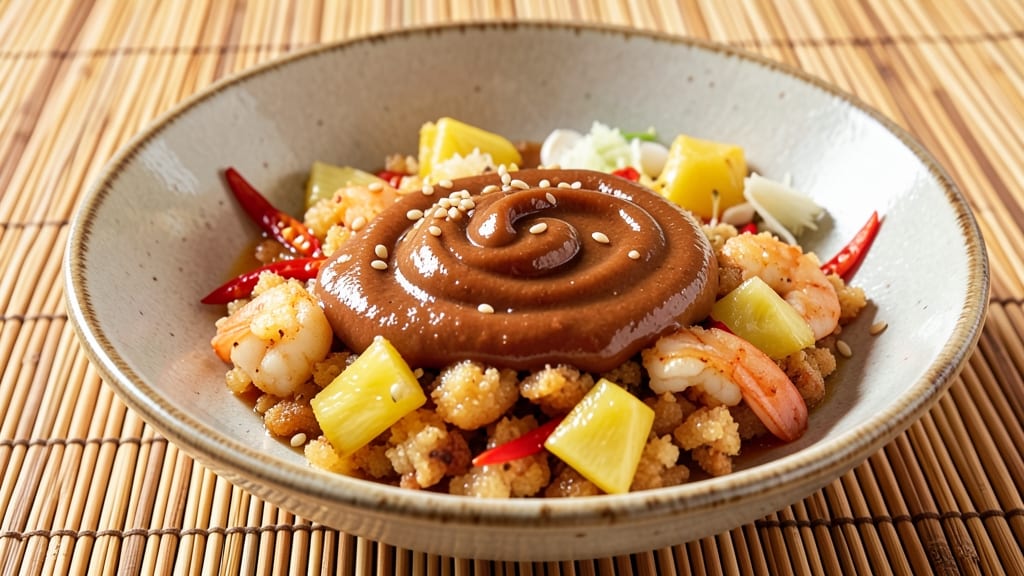
Amakuchi sauce transforms simple dishes into bold, umami-packed experiences with its signature smoky-sweet balance. This traditional Japanese condiment combines fermented soybeans, pineapple, and a touch of heat—creating a sauce that elevates everything from noodles to grilled meats. The key lies in the fermentation process, where miso and shrimp paste develop deep, complex flavors over time.
What sets amakuchi sauce apart is its versatility—it works as a dipping sauce, noodle dressing, or even a marinade. The sweetness of pineapple cuts through the richness of miso, while a hint of chili adds just enough heat to keep things interesting.
Unlike store-bought versions, this recipe lets you control the balance of flavors, ensuring every batch is perfectly tailored to your taste.
Once fermented, the sauce keeps well in the refrigerator for up to a month, making it a great pantry staple. Its umami depth makes it ideal for okonomiyaki, ramen, or even as a glaze for grilled proteins.
The process is straightforward, but the patience in fermentation pays off with a sauce that’s impossible to resist.
Ready to bring this Japanese classic to your kitchen? The result is a sauce that’s as functional as it is flavorful—perfect for adding a smoky, sweet, and slightly spicy kick to your favorite dishes.
Ingredients for amakuchi sauce
Nine ingredients blend smoky umami, sweet pineapple, and chili heat for a sauce that transforms any dish.
| Ingredient | Amount | Notes |
|---|---|---|
| Red Miso Paste 🧈 | ½ cup | Aged 1-2 years for deep flavor |
| Shrimp Paste (Kapi) 🦐 | 2 tbsp | Fermented shrimp paste, pungent aroma |
| Fresh Pineapple Chunks 🍍 | 1 cup | Sweet, ripe pineapple preferred |
| Fresh Red Chili Peppers 🌶️ | 2 whole | Thai or serrano for heat |
| Garlic Cloves 🧄 | 4 cloves | Minced for aromatic depth |
| Ginger Root 🌿 | 1 tbsp | Freshly grated, vibrant color |
| Soy Sauce 🍶 | 2 tbsp | Japanese-style preferred |
| Mirin 🍶 | 1 tbsp | Sweet rice wine, not cooking wine |
| Sesame Oil 🫒 | 1 tsp | Toasted for nutty aroma |
| Sugar 🍚 | 1 tbsp | White or brown sugar |
The miso and shrimp paste are the heart of this sauce—Japanese red miso (like Hachinohe) delivers the deepest umami, while Thai shrimp paste (kapi) adds that signature funk. Grab these at Asian markets or well-stocked grocery stores; the miso should be aged at least 1-2 years for that rich, complex flavor. If you can't find kapi, anchovy paste in a pinch (though it won't be identical). The pineapple? Fresh is non-negotiable—canned won't give you that bright, juicy sweetness that balances the saltiness. Look for pineapples with vibrant green leaves still attached; they're the sweetest.
No fresh chili peppers? Red pepper flakes at half the amount work in a bind, but you'll lose that bright, fruity heat. The garlic and ginger can be swapped for garlic powder and ground ginger (use half the amount), though fresh is always better. Running low on mirin? Substitute equal parts sugar and water, but the sauce won't have the same depth. The sesame oil is optional but adds a nutty finish—toast it in a dry pan first to deepen its flavor. For a smoother texture, blend everything before fermenting, but traditionalists leave it chunky for that rustic appeal.
Ferment this sauce for at least 3 days in the fridge for the flavors to meld, but 1 week is ideal. It keeps for up to 1 month in an airtight jar, though the flavor only improves with time. Portion it into small jars for easy use—this sauce is perfect for drizzling over noodles, marinating proteins, or mixing into dressings. Freeze extras in ice cube trays for single-serving portions. The longer it sits, the more complex the umami becomes, so don't rush it.
Why You'll Love This Recipe
- No-Fuss Blend: I swear by this sauce because it’s basically just mashing ingredients—no fancy techniques. The red miso and kapi paste do all the heavy lifting while I chop pineapple and garlic in minutes. Honestly, the hardest part is deciding whether to use fresh or jarred chili peppers.
- Sweet-Spicy Magic: That combo of pineapple’s bright tang and miso’s deep umami, with chili peppers cutting through? It’s dangerously addictive. The shrimp paste adds this funky, salty depth that makes it way more complex than it looks—like a flavor party in your mouth.
- Meal Prep MVP: I make a big batch on Sundays and toss it with rice, grilled fish, or even scrambled eggs all week. The sauce keeps for days in the fridge, and the flavors only get richer. Between us, it’s my go-to for lazy weeknights when I’m too tired to think.
- Budget Brightener: Red miso and shrimp paste stretch so far, and pineapple’s cheap when you buy it in season. I’ll be real: this sauce turns basic proteins into something special without breaking the bank. Plus, the leftovers? They’re even better the next day, so you’re basically getting double the bang for your buck.
Step-by-step instructions for amakuchi sauce
Here's how to balance umami depth with tropical brightness—every step matters for that signature amakuchi harmony.
Bloom the Aromatics with Controlled Heat
Heat a small saucepan over medium-low heat and add the 1 tablespoon sesame oil. Let it shimmer for 30 seconds until fragrant but not smoking—this prevents burning the delicate oil. Add the 4 cloves minced garlic and 1 tablespoon freshly grated ginger root, stirring constantly for 1 minute until the garlic turns golden and aromatic.
Here's where it gets interesting: the shrimp paste (kapi) needs gentle treatment. Reduce heat to low and add the 2 tablespoons shrimp paste, stirring continuously for 2 minutes until it melts completely and releases its pungent aroma. The paste should dissolve into the oil without browning—if it darkens too quickly, you've lost some of that complex umami flavor.
Develop the Umami Foundation
Increase heat to medium and add the 0.5 cup red miso paste and 2 tablespoons soy sauce, stirring vigorously for 2 minutes until fully incorporated. The miso will darken slightly as it warms, deepening the sauce's color and adding that signature fermented richness. This is your flavor anchor—don't rush this step or the miso won't develop its full depth.
Now add the 1 tablespoon mirin and 1 tablespoon sugar, stirring for another 1 minute until the sugar dissolves completely. The mirin's sweetness will begin to mellow the heat while the sugar helps balance the umami intensity. Taste at this point—you should feel the foundation of flavors coming together, though the sauce will evolve as we add more components.
Add Heat and Sweetness in Balance
Reduce heat to low and add the 1 cup fresh pineapple chunks, stirring gently for 3 minutes until they begin to soften slightly. The pineapple's natural acidity will brighten the sauce, cutting through the richness. Add the 2 whole fresh red chili peppers, sliced lengthwise, and let them steep in the sauce for 2 minutes—this infuses heat without making the sauce spicy.
Here's the thing about chili peppers: they release their capsaicin gradually. If you want more heat, leave them in longer; for milder sauce, remove them after 1 minute. The key is balance—you want the smoky shrimp paste and umami miso to shine, not be overwhelmed by heat. After the steeping time, remove and discard the chili peppers.
Simmer to Perfect Consistency
Increase heat to medium and let the sauce simmer uncovered for 5-7 minutes, stirring occasionally, until it reduces by about one-third and coats the back of a spoon. The sauce should thicken slightly but remain pourable—this concentration deepens the flavors while maintaining that silky texture. If it reduces too quickly, add 1 tablespoon water to maintain balance.
Taste again now—the flavors should be harmonized. The shrimp paste should be present but not overpowering, the miso deep and savory, the pineapple bright and sweet, and the chili peppers adding just a whisper of heat. If needed, adjust with a touch more sugar to enhance sweetness or a splash of water to loosen the consistency. The goal is a sauce that's complex yet balanced, with each ingredient contributing its own character.
Finish with Texture and Flavor Integration
Remove the sauce from heat and let it cool slightly for 2 minutes. This resting period allows the flavors to meld and the sauce to thicken naturally. For a smoother texture, strain through a fine-mesh sieve to remove any pineapple fibers or miso chunks—this step is optional but creates a more refined sauce. If you prefer texture, simply stir well and serve as-is.
For the final touch, taste and adjust seasoning one last time. You might need a pinch more salt to enhance the umami or a splash of mirin to brighten the sweetness. The sauce should be vibrant, with layers of smoky shrimp paste, fermented miso, tropical pineapple, and a subtle chili heat. Serve immediately over rice, noodles, or grilled proteins to experience the full depth of this Thai-inspired sauce.
Pro Tips For Making Amakuchi Sauce
- Bloom the Garlic First: Toss minced garlic in a dry pan for 30 seconds until fragrant—this stops it from turning bitter when mixed with pineapple. I learned this the hard way after making a batch where the garlic tasted like soap. Works even better if you add a pinch of salt at this stage.
- Toast the Kapi: Bloom the shrimp paste in the pan for 1-2 minutes until it smells nutty and deepens in color. Skipping this step leaves the sauce flat—like missing the soul of the dish. Use low heat or it’ll burn before it develops flavor.
- Peel Chili Peppers: Remove the seeds and inner membranes from fresh chilies before chopping—this cuts the bitterness and gives you cleaner heat. I used to leave them in, and the sauce always tasted harsh. A quick rub with a paper towel removes extra moisture too.
- Simmer Pineapple Slow: Cook pineapple chunks on medium-low for 5-7 minutes until just tender, not mushy. Overcooking turns them to mush and makes the sauce watery. Add a splash of water if the pan gets too dry, but don’t drown it.
Wine and beer pairings for this dish
Japanese Sake Pairings
Amakuchi sauce's complex umami and tropical sweetness pairs beautifully with dry, crisp Japanese sakes. Look for junmai ginjo or honjozo styles with their clean finish and subtle fruit notes—brands like Dassai or Gekkeikan work perfectly.
The sake's delicate acidity cuts through the sauce's richness while enhancing its pineapple brightness. Serve slightly chilled (45-50°F) to complement the sauce's warmth. 🍶
Thai-Inspired Beer Matches
For a beer pairing, opt for Thai lagers like Singha or Chang—their light body and subtle citrus notes mirror the sauce's tropical elements. The beer's mild carbonation also cleanses the palate between bites.
If you prefer craft options, try a Thai-style pale ale with notes of pineapple and ginger, like Thai Pale Ale from BrewDog. Keep the beer well-chilled (40-45°F) to balance the sauce's heat.
White Wine Alternatives
If you prefer wine, a dry Riesling from Germany or Sauvignon Blanc from New Zealand brings acidity and citrus to match the pineapple. Look for wines with honeydew or mango notes—brands like Dr. Loosen Blue Slate Riesling or Cloudy Bay Sauvignon Blanc elevate the dish.
Serve slightly cooler than room temperature (50-55°F) to highlight the sauce's vibrant flavors.
Non-Alcoholic Options
For non-alcoholic pairings, try sparkling yuzu soda—its citrusy effervescence complements the pineapple and chili. Alternatively, a ginger ale with a splash of lime juice enhances the sauce's spicy-sweet profile. Chill these beverages well (38-42°F) to create a refreshing contrast to the warm, umami-rich sauce. ✨
Nutrition facts
Frequently asked questions about amakuchi sauce
What makes amakuchi sauce different from other fermented sauces?
Amakuchi sauce stands out with its unique combination of smoky shrimp paste (kapi) and fermented miso, creating a bold umami base. The addition of fresh pineapple and chili peppers gives it a sweet-spicy contrast that sets it apart from traditional soy-based sauces. Unlike miso alone, the shrimp paste adds that signature funky depth, while the pineapple keeps it bright and approachable.
Can I make amakuchi sauce without shrimp paste?
Yes, but the flavor will differ significantly. For a substitute, try 2 tablespoons anchovy paste or 1 tablespoon fish sauce (reduce other salty ingredients by half). If you're vegetarian, use 1 tablespoon soy sauce extra and add 1/2 teaspoon smoked paprika for depth. The sauce will still work but won't have that authentic umami funk from the shrimp paste.
How long should I ferment this sauce for?
Ferment for at least 3 days in the refrigerator to let flavors meld, but 1 week is ideal for maximum depth. The longer it ferments (up to 1 month), the richer and more complex the flavors become. Store in an airtight container and stir daily during the first week to distribute flavors evenly. The sauce will keep well for up to 3 months in the fridge.
What are the best ways to use amakuchi sauce?
This versatile sauce works as a dipping sauce for grilled meats or spring rolls, a noodle dressing for ramen or pad thai, or a marinade for tofu or chicken. Try drizzling it over okonomiyaki or mixing into curries for an instant umami boost. The sweet-spicy balance makes it perfect for balancing rich, fatty dishes.
Why does my amakuchi sauce smell so strong?
The pungent aroma comes from the fermented shrimp paste and miso—this is normal and actually indicates strong flavor development! Let it sit uncovered in the fridge for 10-15 minutes before tasting to allow odors to dissipate. The smell will mellow as it ferments further. If the aroma seems overwhelming, reduce the shrimp paste by 1 tablespoon next time or ferment for a shorter period.