
Sauces & Condiments
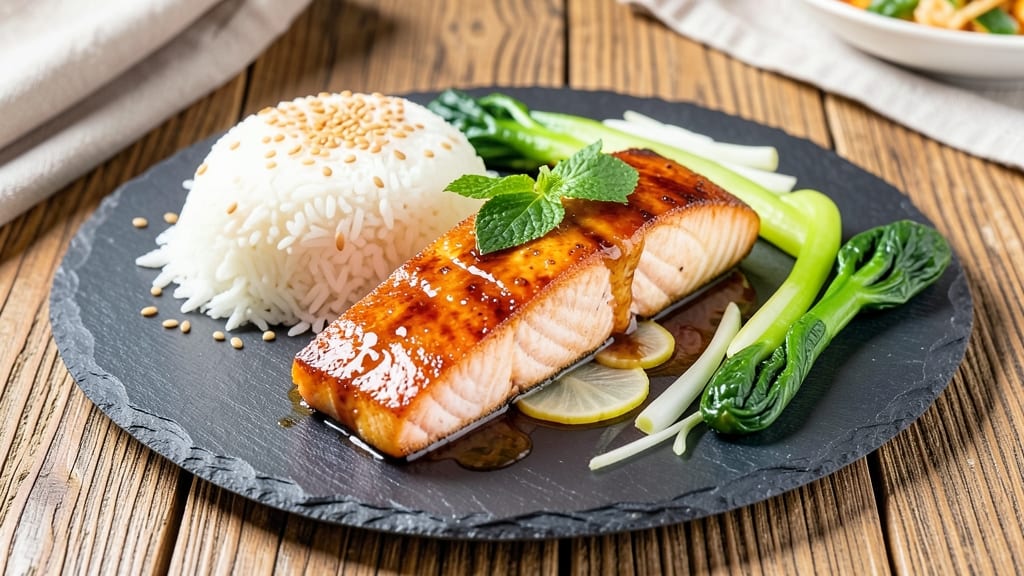
This baked salmon recipe with teriyaki sauce delivers a perfect balance of glossy caramelized crust and sweet-savory depth that transforms simple weeknight dinners.
The secret lies in a simple marinade that tenderizes the fish while the teriyaki sauce—simmered with ginger, garlic, and soy—creates a sticky, aromatic glaze that locks in moisture and flavor.
Unlike restaurant versions, this method ensures crispy skin without drying out the delicate flesh, making it a foolproof technique for home cooks.
The recipe begins with a 15-minute marinade using soy sauce, honey, and sesame oil, which preps the salmon for baking. While the fish roasts in the oven, the teriyaki sauce reduces into a thick, velvety glaze that clings beautifully to every flake.
The result is a dish that’s restaurant-quality—juicy, flavorful, and visually stunning—without requiring advanced skills or expensive equipment. Even the teriyaki sauce itself is easy to make from scratch, with just five pantry staples.
By the time you pull this salmon from the oven, you’ll have a golden, crispy exterior and a tender interior infused with the rich umami of teriyaki. The sauce’s caramelized edges add a satisfying texture contrast, while the underlying sweetness balances the salmon’s natural richness.
Serve it over steamed jasmine rice or alongside roasted asparagus for a complete, well-rounded meal that feels both elegant and effortless.
This recipe is designed to impress without stress—perfect for weeknight dinners or special occasions. The teriyaki sauce can be made ahead and reheated, making it ideal for meal prep.
Whether you’re feeding a family or treating yourself to a solo indulgence, this baked salmon with teriyaki sauce delivers consistent, delicious results every time.
Ingredients for baked salmon recipe with teriyaki sauce
Pantry staples meet restaurant-quality technique for this crispy-skinned salmon with velvety teriyaki glaze.
| Ingredient | Amount | Notes |
|---|---|---|
| Center-Cut Salmon Fillets 🐟 | 1 ½ lb | Skin-on for crispy texture, even thickness |
| Extra-Virgin Olive Oil 🫒 | 2 tbsp | High-quality, fruity variety |
| Soy Sauce 🍶 | ½ cup | Low-sodium preferred for balance |
| Honey 🍯 | ¼ cup | Wildflower preferred for depth |
| Sesame Oil 🌾 | 1 tbsp | Toasted sesame oil for aroma |
| Fresh Ginger 🧄 | 2 tbsp | Finely grated, aromatic |
| Garlic Cloves 🧄 | 4 cloves | Minced, fresh preferred |
| Rice Vinegar 🍶 | 1 tbsp | White or seasoned variety |
| Diamond Crystal Kosher Salt 🧂 | 1 ½ tsp | For seasoning and marinade |
| Ground Black Pepper 🌶️ | ½ tsp | Freshly ground for flavor |
| Toasted Sesame Seeds 🌾 | 1 tbsp | For garnish, optional |
| Fresh Cilantro 🌿 | ¼ cup | Chopped, for garnish |
| Jasmine Rice 🍚 | 1 cup | Uncooked, for serving |
The salmon fillets are the foundation—center-cut ensures even cooking, while skin-on guarantees that coveted caramelized crust. Look for fillets with even thickness (about 1-inch) for consistent results. Most grocery stores carry center-cut salmon, but if you're at Whole Foods or Trader Joe's, they often have pre-portioned fillets ready to go. Freshness matters: the flesh should be bright pink, not graying, and smell clean with no fishy odor. Store uncooked salmon in the coldest part of your fridge, wrapped in a paper towel, and use within 2 days for peak texture. If you're prepping ahead, the teriyaki sauce can be made 2 days in advance—it actually improves in flavor as it sits.
Substitutions are easy when you plan ahead. No honey? Swap in maple syrup or agave nectar at the same amount—just note the teriyaki will have a slightly different depth of flavor. Sesame oil unavailable? A neutral oil like vegetable or avocado oil works, but skip the toasted sesame seeds unless you're using sesame oil. For the ginger, fresh is ideal, but ground ginger at half the amount will work in a pinch. The rice vinegar adds brightness—apple cider vinegar is a decent swap, though the flavor profile shifts slightly. Low-sodium soy sauce? Use regular soy sauce but reduce the salt in the marinade by 0.5 tsp. And if you're serving this for a crowd, double the sauce—it reheats beautifully and keeps for 5 days in the fridge.
This recipe is designed for effortless meal prep. The teriyaki sauce can be made 2 days ahead and reheated gently—just warm it in a saucepan over low heat until bubbly, then reduce again to thicken. The salmon itself is best baked day-of for that perfect crispy skin, but you can marinate it overnight for even deeper flavor. Store leftover salmon in an airtight container for 2 days—it reheats beautifully in a 350°F oven for 8-10 minutes. The jasmine rice? Cook it fresh for the best texture, but leftover rice reheats well too. For a freezer-friendly option, portion the teriyaki sauce into ice cube trays, freeze, then transfer to a bag—3 months of flavor-preserving convenience.
Why You'll Love This Recipe
- Five-Ingredient Magic: I swear, this is the kind of recipe where you glance at your pantry and think, "I’ve got this." Olive oil, soy sauce, honey, sesame oil—plus the salmon—and you’re golden. No chopping, no fuss, just a sheet pan and 20 minutes later, you’ve got dinner.
- Sweet-Savory Crunch: That teriyaki glaze? It’s the good kind of addictive—sticky, caramelized edges from the honey, umami punch from the soy, and a whisper of nutty sesame oil that makes every bite taste like a little victory. (Yes, even on a Tuesday night.)
- Meal Prep MVP: Between us, this is my go-to for lunches all week. Bake a batch on Sunday, store the leftovers in the fridge, and reheat with a splash of water—flaky, glazy, and still delicious. Honestly, my kids ask for it more than their own names.
- Budget-Friendly Luxury: Salmon can feel fancy, but this recipe makes it feel like a treat without breaking the bank. The teriyaki sauce stretches, the fillets cook evenly, and you’re not sacrificing flavor for savings. It’s the kind of dish that makes you feel like you’re eating well without stress.
Step-by-step instructions for baked salmon with teriyaki glaze
Here's the method for perfectly balanced baked salmon with a glossy caramelized crust.
Prepare the Teriyaki Marinade and Season the Salmon
In a small saucepan, combine the 0.5 cup soy sauce, 0.25 cup honey, 1 tbsp rice vinegar, 1 tbsp sesame oil, 2 tbsp finely grated fresh ginger, and 4 minced garlic cloves. Bring to a gentle simmer over medium heat and cook for 5-7 minutes until slightly thickened and fragrant. The mixture should reduce enough to coat the back of a spoon.
While the marinade simmers, pat the 1.5 lb center-cut salmon fillets dry with paper towels—this ensures maximum crispiness. Place the fillets skin-side down on a plate and season generously with 1.5 tsp diamond crystal kosher salt and 0.5 tsp freshly ground black pepper. Let them sit at room temperature for 15 minutes while the marinade finishes.
Create the Glazing Sauce and Prep the Pan
Return the reduced marinade to medium-low heat and simmer for another 3-4 minutes until it reaches a syrupy consistency. The sauce should coat the back of a spoon and have a glossy sheen. Remove from heat and stir in 1 tbsp toasted sesame seeds and 0.25 cup chopped fresh cilantro, reserving a small handful for garnish later.
Preheat your oven to 400°F. Line a baking sheet with parchment paper and arrange the salmon fillets skin-side down on the prepared sheet. Drizzle the fillets evenly with 2 tbsp extra-virgin olive oil, spreading it to create a thin, even layer. This oil helps create that coveted caramelized crust while preventing sticking.
Bake the Salmon to Perfect Doneness
Transfer the baking sheet to the preheated oven and bake for 12-15 minutes. You'll know it's ready when the salmon flakes easily with a fork and reaches an internal temperature of 145°F at its thickest point. The skin should be crispy and golden, while the flesh remains moist and tender.
During the last 2 minutes of baking, brush the salmon fillets with half of the prepared teriyaki glaze. This step creates that signature glossy finish while infusing the fish with deep umami and sweet flavors. Remove from the oven and let rest for 3-5 minutes before serving.
Assemble and Serve with Jasmine Rice
While the salmon rests, cook the 1 cup jasmine rice according to package instructions until perfectly fluffy. Divide the rice among serving plates and top each portion with a salmon fillet. Spoon the remaining teriyaki glaze evenly over the salmon, creating an elegant presentation.
Garnish with the reserved sesame seeds and cilantro for added visual appeal and freshness. The contrast of the crispy skin, tender flesh, and sweet-savory glaze creates a harmonious balance in every bite. Serve immediately while the salmon is at its peak texture and temperature.
Pro Tips For Making Baked Salmon Recipe With Teriyaki Sauce
- Pat the Salmon Dry: I learned this the hard way—wet salmon steams instead of browning. Grab paper towels and press firmly all over the fillets before adding the teriyaki. The extra 30 seconds saves you from sad, pale fish that tastes like it was boiled.
- Simmer the Sauce First: Skip the raw soy sauce splash—reduce your teriyaki mixture (soy, honey, sesame oil) in a small saucepan for 3-4 minutes until it thickens slightly. This cuts the watery sauce problem and lets the flavors meld. (Yes, even if you’re impatient like me.)
- Don’t Overcrowd the Pan: If baking multiple fillets, leave space between them or bake in batches. Crowding turns your crispy edges into soggy disappointment. A single layer on the tray guarantees even cooking and that perfect caramelized crust.
- Add Sesame Oil Last: This isn’t the prettiest method, but it’s the tastiest: brush the teriyaki sauce on, then drizzle sesame oil after the salmon hits the oven. The heat will toast the oil instantly, adding nutty aroma without burning it. (Your nose will thank you.)
Creative variations of these flavors
Spicy Teriyaki Twist
Add 1 tbsp gochujang (Korean chili paste) or 1 tsp sriracha to the teriyaki sauce for a bold, spicy kick. I like to balance it with an extra ½ tsp honey to keep the sweetness in check.
Serve with a side of cooling cucumber salad to tame the heat—thinly sliced cucumbers, rice vinegar, and a pinch of sugar work perfectly. 🌶️
Honey-Glazed Sesame Salmon
Swap the teriyaki sauce for a simpler honey-sesame glaze—just mix 3 tbsp honey, 1 tbsp soy sauce, 1 tbsp toasted sesame oil, and 1 tsp grated ginger. Brush this over the salmon during the last 5 minutes of baking.
The result is a caramelized, sticky finish with deep nutty notes from the sesame. Pair it with steamed bok choy for a lighter, Asian-inspired meal.
Miso-Infused Teriyaki
For extra umami depth, stir 1 tbsp white miso paste into the teriyaki sauce while simmering. The miso adds a savory richness that complements the salmon beautifully. I recommend using Miso Master white miso for a smooth, clean flavor.
Serve with warm miso soup on the side—just heat 2 cups dashi broth, dissolve 1 tbsp miso paste, and top with tofu and scallions.
Lemon-Garlic Teriyaki
Brighten the teriyaki sauce with 1 tbsp lemon juice and 1 extra garlic clove for a zesty twist. The acidity cuts through the richness of the salmon, making each bite feel fresh. Garnish with lemon zest and extra sesame seeds for a pop of color.
This variation pairs wonderfully with roasted Brussels sprouts—toss them in olive oil, salt, and a pinch of smoked paprika before roasting at 400°F for 20 minutes.
Asian-Inspired Slaw Topping
Turn leftovers into a fresh topping by shredding 2 cups cabbage and 1 carrot, then tossing with 2 tbsp rice vinegar, 1 tbsp sesame oil, and a pinch of sugar. This adds a crunchy, tangy contrast to the rich salmon.
I love using this as a garnish for the finished dish—just sprinkle it over the teriyaki-glazed salmon right before serving. It’s a game-changer for texture and freshness. 🥬
Nutrition facts
Frequently asked questions
Can I use frozen salmon for this recipe?
Yes, but thaw it properly first! Place frozen salmon in a sealed bag and submerge it in cold water for 30 minutes per pound. Once thawed, pat it completely dry with paper towels—this step is crucial for crispy skin. Never thaw salmon at room temperature, as it can promote bacterial growth. For best results, thaw overnight in the fridge.
How do I adjust the teriyaki sauce for a sweeter or saltier flavor?
For extra sweetness, add 1-2 tbsp more honey while simmering. For saltier depth, increase the soy sauce by 1 tbsp or add ½ tsp extra salt to the marinade. Taste as you go—the sauce should balance sweet, salty, and umami flavors. Remember, you can always adjust at the end, but you can't remove excess sweetness once added.
What's the best way to reheat leftover baked salmon?
Reheat gently to preserve moisture! Place salmon in a 350°F oven for 8-10 minutes on a baking sheet with a splash of water. Alternatively, warm in a skillet over low heat for 2-3 minutes per side with a pat of butter. Never microwave—it makes the skin rubbery and dries out the flesh. The teriyaki sauce reheats beautifully in a saucepan over medium-low heat.
Can I make this recipe ahead of time?
The teriyaki sauce can be made 2 days ahead and stored in the fridge. The salmon marinade can be prepped overnight—just keep it refrigerated. However, bake the salmon fresh for that perfect crispy skin. For a complete make-ahead meal, cook the jasmine rice in advance and reheat it with a splash of water while the salmon bakes.
Why did my salmon skin not get crispy?
Three common mistakes:
- Not patting the salmon dry enough—moisture prevents crispiness;
- Overcrowding the baking sheet; or
- Baking at too low a temperature. For perfect skin, ensure the salmon is completely dry, arrange fillets with space between them, and bake at 400°F. Also, let the salmon sit at room temperature for 15 minutes before baking to promote even cooking.