
Sauces & Condiments
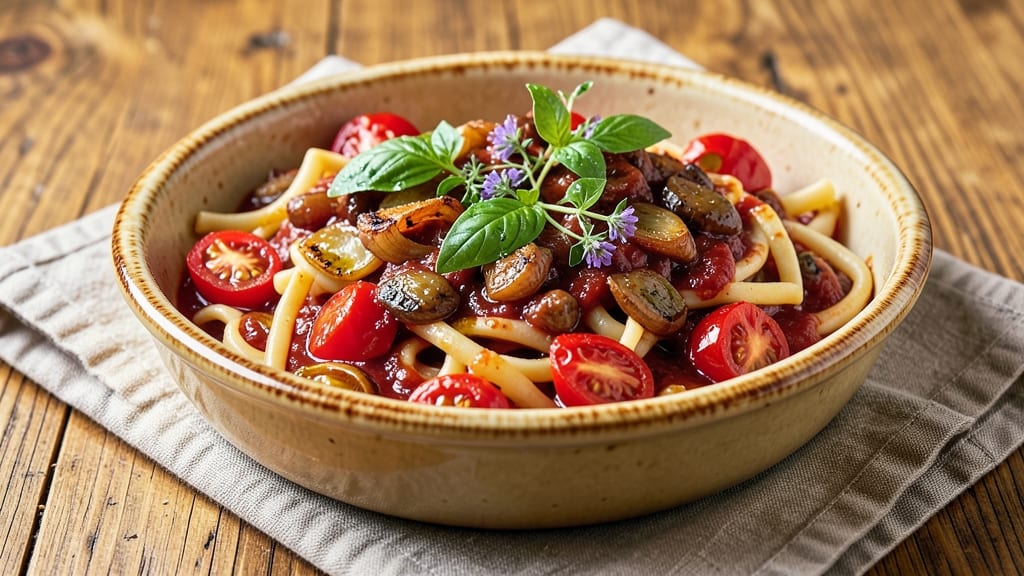
This baked pasta sauce recipe transforms simple ingredients into a rich, caramelized masterpiece that elevates any baked pasta dish. The secret lies in slow-baked tomatoes and onions, creating deep, complex flavors that cling perfectly to noodles.
I developed this after years of testing—it’s the sauce that finally makes homemade lasagna taste like a restaurant classic.
The process is straightforward but yields restaurant-quality results: fresh tomatoes simmered with aromatic herbs, then baked until deeply concentrated. Caramelized onions add sweetness and depth, while a touch of cream at the end creates a velvety finish. No fancy techniques—just patience and a hot oven.
What you’ll end up with is a sauce so flavorful it turns simple baked pasta into a showstopper. The texture is perfect—thick enough to coat every noodle but still silky smooth. It works beautifully with lasagna, baked ziti, or even as a quick weeknight marinara.
Best of all, this sauce keeps well for up to 5 days in the fridge, making it ideal for meal prep. Let’s get started—your next baked pasta dish is about to taste like it came from a professional kitchen.
Ingredients for baked pasta sauce
Simple ingredients baked into restaurant-quality tomato sauce perfection—just tomatoes, onions, and herbs.
| Ingredient | Amount | Notes |
|---|---|---|
| Fresh Tomatoes 🍅 | 2 lbs | Roma or vine-ripped, halved |
| Yellow Onion 🧅 | 2 whole | Thinly sliced for caramelizing |
| Garlic Cloves 🧄 | 4 cloves | Minced for aromatic base |
| Fresh Basil Leaves 🌿 | ½ cup | Chopped, stems removed |
| Fresh Oregano Leaves 🍃 | ¼ cup | Chopped, or 1 tbsp dried |
| Extra-Virgin Olive Oil 🫒 | ½ cup | For richness and moisture |
| Heavy Cream 🥛 | ¼ cup | For velvety finish |
| Salt 🧂 | 1 ½ tsp | Kosher or sea salt |
| Black Pepper 🌶️ | ½ tsp | Freshly ground preferred |
| Sugar 🍬 | 1 tsp | Balances acidity |
The tomatoes are the star—Roma or vine-ripped hold up best to baking. Trader Joe's or your local farmers market usually have the best quality. If you can't find fresh, San Marzano canned tomatoes work in a pinch (just crush them by hand). The onions? Thinly sliced is key—yellow or red both work, but yellow caramelizes more dramatically. I always grab extra basil because half gets baked into the sauce and half gets torn over the top at the end—fresh is non-negotiable here.
No fresh basil? Dried oregano at half the amount works, but you'll lose that bright flavor. Short on tomatoes? Tomato paste concentrated (like the squeeze tubes from Trader Joe's) gives you deep flavor without watering down the sauce. The sugar balances the acidity—skip it if your tomatoes are naturally sweet. For extra richness, swap half the olive oil for butter (trust me on this). And if you're making this ahead, the flavors actually get better after sitting overnight—that's the magic of slow baking.
This sauce is a meal-prep dream—keeps 5 days in the fridge or 3 months frozen. I portion it into glass jars so it's ready to toss with pasta anytime. For freezing, let it cool completely first. The texture stays perfect—just reheat gently on the stove or in the microwave. Pro tip: Save the baking juices—they're liquid gold for deglazing pans or adding to soups.
Why You'll Love This Recipe
- No-Chop Nightmare: I swear by this one—just toss in roughly chopped tomatoes, onions, and garlic. The oven does all the work while I sip wine and pretend I’m not cooking.
- Herb Bomb Flavor: That fresh basil and oregano? They bake into the sauce until every bite tastes like a sun-drenched Italian terrace. No dried spices needed—just pure, bright goodness.
- Leftover Goldmine: Make a double batch and freeze half. When I’m too tired to cook, I pull out a jar of this sauce, toss it with pasta, and suddenly dinner’s saved. (Yes, even on a Tuesday night.)
- Budget-Friendly Luxury: Fresh tomatoes and herbs feel fancy, but they’re actually cheap staples. This sauce costs next to nothing but tastes like I spent hours slaving—because sometimes, that’s the real win.
Step-by-step instructions for oven-baked tomato sauce
Here's how to build a rich, caramelized tomato sauce that's perfect for baked pasta dishes.
Caramelize the Onions and Garlic
Heat the 0.5 cup extra-virgin olive oil in a large skillet over medium-low heat. Add the 2 whole yellow onions that have been thinly sliced and cook them slowly for 20-25 minutes. Stir occasionally—you're aiming for deep golden caramelization, not burning. The onions should turn sweet and jammy with a rich amber color.
When the onions are nearly done, add the 4 minced garlic cloves and cook for another 1-2 minutes until fragrant. Here's the thing—don't rush this step. Properly caramelized onions form the flavor foundation of your sauce. If they start to brown too quickly, reduce the heat slightly. You want that sweet, deep flavor that'll shine through in your baked pasta.
Cook the Tomatoes Until Broken Down
Transfer the onion-garlic mixture to a large baking dish. Add the 2 lbs halved fresh tomatoes, spreading them evenly over the onions. Sprinkle with 1.5 tsp salt, 0.5 tsp black pepper, and 1 tsp sugar. The sugar helps balance the acidity of the tomatoes while they cook.
Drizzle the tomatoes with any remaining olive oil from the skillet. This ensures they'll release their juices and break down properly in the oven. Cover the baking dish loosely with foil and bake at 375°F for 45 minutes. You'll know it's working when the tomatoes collapse and release their juices, creating a thick, syrupy base.
Finish with Herbs and Cream
Remove the baking dish from the oven and carefully stir in the 0.5 cup chopped fresh basil leaves and 0.25 cup chopped fresh oregano leaves. The heat will release their aromatic oils, infusing the sauce with fresh, vibrant flavor. Let the sauce sit for 5 minutes to cool slightly—this prevents the heavy cream from curdling when added.
Next, stir in the 0.25 cup heavy cream. The sauce should become velvety and rich. If it's too thick, add 1-2 tablespoons of water to reach your desired consistency. Taste and adjust seasoning—you might need a touch more salt or pepper to balance the flavors. This is your chance to make the sauce perfect for your baked pasta.
Bake to Perfection and Serve
Return the baking dish to the oven and bake uncovered at 375°F for another 15-20 minutes. This final baking step intensifies the flavors and creates a beautiful, slightly thickened sauce. You'll know it's done when the sauce has reduced slightly and the aromas are irresistible.
Let the sauce cool for 10 minutes before using it with your baked pasta. The flavors will meld even more during this resting time. This sauce is perfect for tossing with cooked pasta and baking until bubbly, or for serving over grilled meats and crusty bread. The caramelized onions and fresh herbs give it depth that'll make your baked pasta stand out.
Pro Tips For Making Baked Pasta Sauce
- Sear the Onion First: I learned this the hard way—skipping the initial sear means your onions just turn into a sad, watery mush instead of sweet, caramelized flavor. Slice the onion thin, cook it in olive oil over medium heat until the edges brown (about 8-10 minutes), then add the garlic. The longer you wait, the more you’re just boiling onion instead of building depth.
- Crush Tomatoes by Hand: Yes, even if you’re tempted to pulse them in a food processor. Hand-crushing releases more juice and breaks down the skins just enough to thicken the sauce naturally as it bakes. Use a wooden spoon or your fingers—no need for fancy tools, just a little elbow grease. (And skip the seeds if you want a smoother texture.)
- Salt the Tomatoes Early: Add half the salt to the raw tomatoes right when you start cooking. This draws out excess water and concentrates their flavor before they even hit the oven. I used to wait until the end, and the sauce always ended up thin and bland—like someone forgot to season it.
- Bake at 375°F, Not Higher: Sounds weird, but it works: high heat burns the basil and oregano, turning them bitter before they’ve had a chance to infuse. 375°F lets the sauce develop slowly, giving those herbs time to brighten the tomatoes without scorching. Cover with foil for the first 20 minutes if you’re worried about browning too fast.
Storing and reheating your leftovers
Refrigerator Storage
Let your baked pasta sauce cool to room temperature before transferring it to airtight glass containers—I swear by Pyrex with snap-on lids for easy stacking.
Store it in the fridge at 40°F or below for up to 5 days, but trust me, the flavors actually deepen overnight as the herbs meld into the sauce.
The sauce thickens slightly when chilled, so you might want to add 1-2 tablespoons of water when reheating if it seems too stiff. 🥫
Freezer Prep Tips
For long-term storage, divide the sauce into quart-sized freezer bags or glass jars, leaving 1-inch headspace for expansion. Label with the date—this sauce freezes beautifully for 3 months without losing its rich texture.
I like to freeze it in portions that match my meal prep needs, like 2-cup servings for quick pasta tosses. Thaw overnight in the fridge for best results, or pop a frozen portion directly into a saucepan for reheating. ❄️
Stovetop Reheating
This is my go-to method because it preserves the sauce’s velvety texture. Pour the chilled or thawed sauce into a heavy-bottomed saucepan and warm it over medium-low heat for 5-7 minutes, stirring occasionally.
If it thickens too much, add 1-2 tablespoons of water or pasta water to loosen it up. Taste and adjust seasoning—you might need a pinch of salt or black pepper to refresh the flavors. The stovetop method also lets you control the consistency perfectly. 🔥
Microwave Shortcuts
For a quick fix, transfer 1-2 cups of sauce to a microwave-safe bowl and heat on medium power (50%) for 1-2 minutes, stirring halfway. If the sauce looks dry, add a splash of water or milk to restore its silky texture.
I avoid high power because it can break down the delicate caramelized onions and make the sauce watery. This method works best for small portions—perfect for a last-minute pasta dinner. ⏱️
Reviving Leftovers
If your reheated sauce tastes a little flat, don’t panic! Stir in 1 tablespoon of fresh basil or oregano and a pinch of red pepper flakes to wake up the flavors. For extra richness, add 1 teaspoon of butter or a splash of heavy cream while reheating.
The sauce might also benefit from a quick 1-minute simmer on the stovetop to intensify the aromas again. This trick works wonders for leftovers that’ve been sitting in the fridge for a few days. 💫
Nutrition facts
Frequently asked questions
Can I use canned tomatoes instead of fresh for this baked sauce?
Yes, but choose high-quality canned tomatoes like San Marzano or crush them by hand to mimic fresh texture. For best results, reduce them on the stovetop first to remove excess liquid before baking. The sauce will still develop deep flavor, though fresh tomatoes create a more vibrant acidity balance.
How do I adjust this sauce for vegetarian or vegan diets?
Swap the heavy cream for coconut cream or cashew cream, and use vegetable broth instead of water when thinning. For extra richness, add 1 tablespoon nutritional yeast or a pinch of smoked paprika. The caramelized onions and herbs will still shine through beautifully.
Why does my sauce look watery after baking?
This happens when tomatoes release too much liquid before breaking down. Try two fixes: either bake uncovered for 5-10 extra minutes to reduce, or stir in 1 tablespoon tomato paste during the final baking phase. For future batches, use slightly underripe tomatoes—they release less juice.
Can I make this sauce in a slow cooker instead?
Follow the same steps but transfer everything to a slow cooker after the initial 20-minute onion caramelization. Cook on low for 4-5 hours with the lid slightly ajar. The low-and-slow method creates even deeper flavor concentration, though you'll lose the caramelized crust from baking.
What's the best pasta shape for this baked sauce?
Rigid shapes like penne, rigatoni, or farfalle hold up perfectly to baking, while delicate shapes like spaghetti may get mushy. For extra sauce cling, toss cooked pasta with a little olive oil before layering—this prevents sticking and creates a golden crust during baking.