
Sauces & Condiments
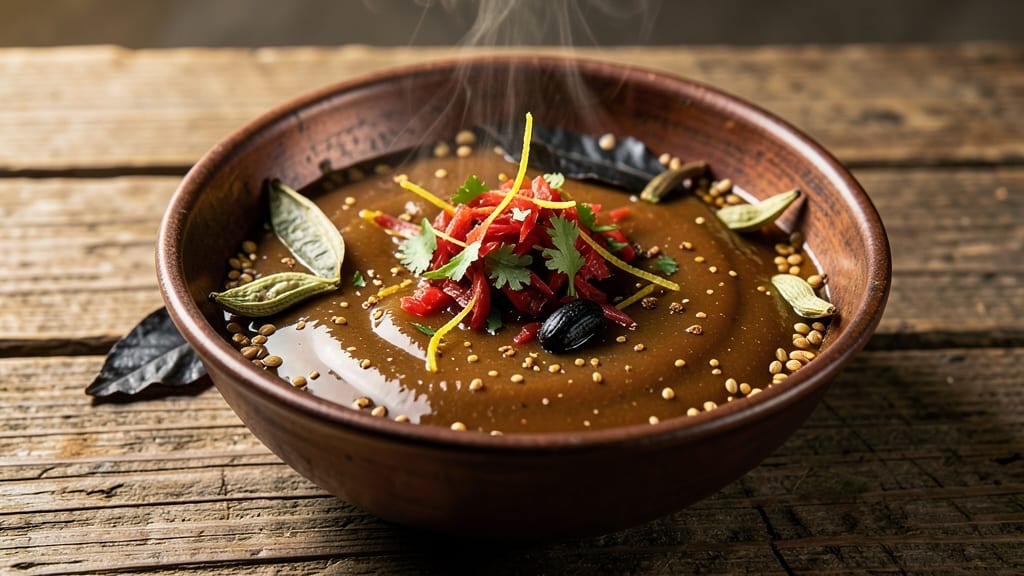
This authentic masala sauce transforms simple ingredients into a fragrant, spiced tomato base that forms the heart of countless Indian dishes.
The secret lies in toasting whole spices in ghee until they release their aromatic oils—cumin, coriander, cardamom, and more—before simmering them with tomatoes until they melt into a velvety, complex sauce. I’ve perfected this technique over years of testing, ensuring every batch delivers that restaurant-quality depth at home.
The process begins with blooming spices in hot oil, a crucial step that develops their flavors before they’re combined with tomatoes and simmered into a thick, vibrant paste. Unlike powdered masala mixes, this sauce builds flavor layer by layer, with the acidity of tomatoes balancing the warmth of spices.
It’s versatile enough to serve as a base for curries, a marinade for grilled meats, or even a bold drizzle over rice and vegetables.
What sets this authentic masala sauce apart is its textural contrast—smooth yet slightly grainy from the toasted spices—and its ability to elevate any dish without overpowering it. The sauce keeps well in the fridge for up to a week, allowing you to batch-cook for multiple meals.
Whether you’re making a quick weeknight dinner or preparing for a festive gathering, this recipe ensures your food tastes like it’s been simmering in a professional kitchen.
For those adapting to dietary needs, substitutions like coconut milk or cashew cream can replace yogurt, while adjusting the spice levels lets you tailor it to your taste. The key is patience—letting the spices toast and the tomatoes break down fully.
Here’s how to make it step by step, with tips to ensure every batch turns out rich, aromatic, and unforgettable.
Ingredients for authentic masala sauce
Nine whole spices and two pounds of tomatoes create this aromatic, restaurant-quality masala sauce.
| Ingredient | Amount | Notes |
|---|---|---|
| Ghee 🧈 | ½ cup | Clarified butter for rich flavor |
| Whole Cumin Seeds 🌿 | 1 ½ tbsp | Toasted for aromatic depth |
| Whole Coriander Seeds 🌿 | 1 ½ tbsp | Toasted for citrusy notes |
| Green Cardamom Pods 🌿 | 6 whole | Lightly crushed before toasting |
| Black Cardamom Pods 🌿 | 2 whole | Optional for smoky depth |
| Bay Leaves 🌿 | 2 whole | Fresh for best flavor |
| Dried Red Chili Peppers 🌶️ | 2 whole | Adjust for heat preference |
| Ripe Roma Tomatoes 🍅 | 2 lb | Peeled, seeded, chopped |
| Fresh Ginger 🧄 | 2 tbsp | Grated, for zesty kick |
| Garlic Cloves 🧄 | 6 cloves | Minced for aromatic base |
The spices are everything here. Whole spices toasted in ghee release their oils gradually, building layers of flavor that powdered mixes can't match. Penzeys Spices or the bulk bins at Whole Foods are my go-to for quality—avoid pre-ground spices, which lose potency fast. Cardamom pods should be lightly crushed before toasting to release their essential oils without turning bitter. The red chilies can be adjusted: remove seeds for less heat, keep them for a spicier sauce. Fresh bay leaves and ginger? Worth the extra minute to peel and grate yourself—frozen works in a pinch, but fresh has that bright punch.
No whole spices? Ground cumin and coriander at half the amount will get you close, but you'll miss that toasted aroma. Substitute dried fenugreek leaves for black cardamom if you're avoiding it. For tomatoes, San Marzano canned is ideal if fresh aren't in season—just skip the juice. Ginger powder works in a bind, but fresh is non-negotiable for this sauce. The garlic can be roasted for a sweeter flavor (wrap whole cloves in foil, roast at 400°F for 10 minutes), but raw minced works too. If you're making this for a crowd, double the spices and tomatoes—the sauce keeps well for freezing.
This sauce tastes even better the next day as flavors meld. Store in a glass jar with a layer of oil on top to preserve freshness—keeps for 1 week in the fridge or 6 months frozen. I portion mine into ice cube trays before freezing so I can grab just what I need. The texture thickens as it cools, so add a splash of water or tomato paste when reheating. Perfect for batch cooking—make a big batch and use it all week in curries, marinades, or drizzled over dal.
Why You'll Love This Recipe
- No-Fuss Spice Base: I swear by this—just toast whole spices in ghee until they pop and sing. No blenders, no stress, just raw, aromatic magic that takes five minutes. Honestly, the hardest part is waiting for the cumin to darken.
- Layered Depth Explosion: That first hit of black cardamom’s smoky punch, then green cardamom’s floral whisper? It’s like a flavor symphony where every note builds on the last. The ghee ties it all together with this rich, velvety warmth that makes you want to eat it by the spoonful.
- Weeknight Superhero: Slap this on roasted veggies, toss it with rice, or drizzle it over grilled chicken—it’s my secret weapon for turning boring meals into wow. Between us, I’ve used it for everything from lazy Sunday breakfasts to last-minute dinner saves. (Yes, even on a Tuesday night.)
- Pantry Goldmine: A little goes a long way—this sauce keeps for weeks in the fridge and freezes like a dream. I make a big batch, freeze half, and suddenly I’ve got a flavor bomb ready for whenever I crave something bold. Plus, whole spices are cheaper than pre-ground, so I’m basically saving money while making restaurant-quality sauce.
Step-by-step instructions for authentic masala sauce
Let's build this rich, aromatic sauce from scratch using whole spices and fresh ingredients.
Toast the Whole Spices Until Aromatic
Heat a dry skillet over medium heat and add the 0.5 cup ghee. Once the ghee is shimmering but not smoking, add the 1.5 tablespoons whole cumin seeds and 1.5 tablespoons whole coriander seeds. Toast for 1-2 minutes until the cumin seeds begin to sizzle and release their deep, nutty aroma.
Add the 6 whole green cardamom pods (lightly crushed), 2 whole black cardamom pods, 2 whole bay leaves, and 2 whole dried red chili peppers. Toast for another 30-45 seconds until the spices are fragrant and slightly darker in color. Be careful not to burn them—they should smell incredible but not bitter. Remove from heat immediately and transfer the toasted spices to a bowl, leaving the ghee in the skillet.
Sauté Ginger and Garlic in the Spiced Ghee
Return the skillet to medium heat and add the 2 tablespoons grated fresh ginger and 6 minced garlic cloves. Sauté for 2-3 minutes until the ginger turns golden and the garlic becomes fragrant but doesn't brown. This step develops the foundation of your sauce's flavor—don't rush it.
Here's the thing—if the ginger starts to stick, add a splash of water to deglaze, then stir until it evaporates. The goal is to create a rich, aromatic base that will carry through the entire sauce. You'll know it's ready when the mixture smells like a warm spice market.
Cook the Tomatoes Until Jammy
Add the 2 lb peeled, seeded, and chopped ripe Roma tomatoes to the skillet. Stir well to combine with the spiced ghee mixture. Increase heat to medium-high and cook for 15-20 minutes, stirring occasionally, until the tomatoes break down into a thick, jammy consistency.
You want the sauce to reduce significantly—it should coat the back of a spoon and have a glossy sheen. If it's not reducing fast enough, increase the heat slightly. The tomatoes should transform from bright red to a deep, rich brown color. This is where the authentic depth comes from—don't walk away during this step.
Simmer and Season to Perfection
Reduce heat to low and let the sauce simmer uncovered for 10-15 minutes. This final simmer allows the flavors to meld together and the sauce to develop its characteristic richness. Taste and adjust seasoning with salt if needed—authentic masala sauce should be balanced between sweet, spicy, and savory.
For that restaurant-quality finish, I like to blend the sauce briefly with an immersion blender until smooth, then return it to the pan for another 2-3 minutes of simmering. This creates a velvety texture while maintaining the complex spice profile. Serve warm over rice, with naan, or as a base for curries—it's incredibly versatile.
Pro Tips For Making Authentic Masala Sauce
- Bloom the Spices Slow: Start with a low flame—really low—and let the cumin, coriander, and cardamom pods sizzle gently in the ghee for 30 seconds before cranking up the heat. I learned this the hard way: burning them first makes the sauce taste bitter and smoky, like you’re cooking in a fire pit instead of a kitchen.
- Crush Cardamom Pods: Lightly pound the green and black cardamom pods with the back of a knife before adding them to the ghee. This releases their oils and aroma instantly—no need to overthink it, just a few sharp taps. (Yes, even if you’re impatient like me.)
- Skip the Overcrowding: Add spices in batches—cumin first, then coriander, then cardamom—so they don’t steam and lose their punch. I used to dump everything in at once, and the sauce ended up tasting flat, like someone muted the flavor. Give each spice room to sing.
- Use Fresh Ghee: If your ghee smells faintly of milk or tastes slightly sweet, it’s past its prime. Fresh ghee should have a clean, nutty aroma—no funk, no sourness. I was skeptical until I tried it: the sauce developed depth and richness I’d never noticed before. (Your future self will thank you.)
Dietary considerations for this recipe
Vegetarian-Friendly Adaptations
This masala sauce is naturally vegetarian, but you can enhance its depth with plant-based ingredients like cashew cream (blend ½ cup soaked cashews with ½ cup water) or coconut milk for richness.
Swap ghee for vegan butter or coconut oil—I recommend Miyoko’s for a neutral flavor. For extra protein, stir in ½ cup cooked chickpeas or lentils at the end. 🌱
Gluten-Free Assurance
The original recipe is inherently gluten-free, but always double-check spice blends if substituting ground spices. Store-bought masala mixes often contain anti-caking agents with gluten traces, so stick to whole spices or certified gluten-free brands like Burlap & Barrel.
The sauce’s base—tomatoes, spices, and ghee—is naturally safe for gluten-sensitive diets. Just avoid cross-contamination if using shared utensils or surfaces.
Spice Level Control
Adjust heat by removing seeds from dried red chilies (milder) or adding ½ tsp cayenne (hotter). For sensitive palates, reduce chilies to 1 whole pepper or swap for ½ tsp smoked paprika.
The sauce’s depth comes from spices like cardamom and cumin, so even with less heat, the flavor remains complex. Taste as you go—you can always add more spice later! 🌶️
Dairy-Free Options
Skip the ghee and use coconut oil or avocado oil for a neutral base. For creaminess, blend ½ cup silken tofu with 2 tbsp lemon juice and stir into the finished sauce.
The sauce’s natural richness from tomatoes and spices shines even without dairy. Just ensure your bay leaves and cardamom are certified dairy-free if concerned about trace contaminants.
Nut-Free Considerations
This recipe is naturally nut-free, but if using cashew cream as a substitute, ensure your cashews are processed in a nut-free facility. For extra thickness without nuts, mash ½ cup roasted cauliflower into the sauce.
The texture remains velvety, and the flavor stays true to the original. Always check labels on pre-made spices—some brands process with nuts.
Storage for Dietary Needs
Store in glass jars with a layer of oil on top to preserve freshness for up to 1 week in the fridge or 6 months frozen. For vegan diets, use olive oil instead of ghee.
Label containers clearly if sharing with others—this sauce is a staple for meal prep, but dietary needs vary. Freeze in ice cube trays for portion control, then transfer to bags for easy use.
Nutrition facts
Frequently asked questions
Can I make this masala sauce without ghee?
Yes! Ghee adds richness, but you can substitute with coconut oil or avocado oil for a neutral flavor. For extra depth, use olive oil (preferably extra virgin) and add a pinch of salt to mimic ghee's umami. The sauce will still develop its aromatic spice profile, though the texture may be slightly lighter.
How do I adjust the spice level for kids or sensitive eaters?
Remove seeds from the dried red chilies for milder heat, or reduce them to just 1 whole pepper. For extra mildness, swap chilies with ½ teaspoon smoked paprika. The sauce's depth comes from cardamom and cumin, so even with less heat, the flavor remains complex. Always taste as you go—you can add more spice later if needed!
Can I use canned tomatoes instead of fresh?
San Marzano canned tomatoes work perfectly—they're sweeter and more consistent. Skip the juice and use 2 (28 oz) cans instead of fresh. For extra richness, add 1 tablespoon tomato paste at the end. The sauce will still develop that jammy texture, though fresh tomatoes give a slightly brighter acidity.
Why does my sauce taste bitter?
Bitterness usually means the spices burned or the tomatoes overcooked. For future batches, toast spices over medium heat just until fragrant (about 1-2 minutes total), not until they darken. Keep heat at medium-high when cooking tomatoes to prevent bitterness. If it happens, balance it with a pinch of sugar or a splash of lemon juice.
How can I use this sauce beyond curries?
This versatile sauce works as a marinade for grilled meats (chicken, lamb, or shrimp), a drizzle over rice or naan, or a base for soups and stews. Mix it into yogurt-based dips for extra flavor, or use it as a glaze for roasted vegetables. Even pasta dishes benefit from its aromatic depth—just simmer it with garlic and olive oil for a quick sauce.