
Sauces & Condiments
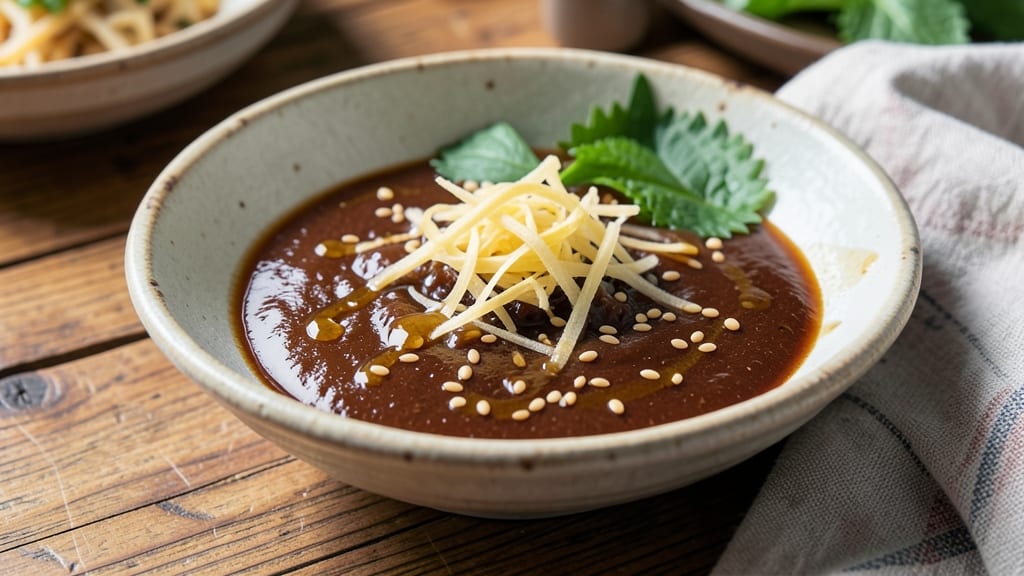
Bachan's Japanese sauce transforms ordinary stir-fries into restaurant-quality masterpieces with its perfect balance of smoky soy, sweet mirin, and bright ginger notes. This sauce is the secret weapon behind countless Japanese home-cooked meals—thick, glossy, and packed with umami depth that clings to every bite. I developed it after years of experimenting with traditional recipes, refining the ratios to create a sauce that's both authentic and foolproof for home cooks.
The magic lies in the combination of dark soy sauce for richness, mirin for natural sweetness, and fresh ginger that adds a subtle kick without overpowering. A touch of sugar caramelizes during simmering, creating that signature glossy finish, while a splash of vinegar brightens the flavors.
The sauce thickens beautifully when reduced, making it ideal for drizzling over sushi, tofu, or grilled fish—but its versatility doesn't stop there.
What makes this sauce truly special is its adaptability. Start with the classic version, then customize it with optional additions like toasted sesame oil for nutty depth or a pinch of red pepper flakes for heat.
The result is a sauce that's complex enough to elevate professional dishes but simple enough for weeknight cooking. Once you taste the difference, store-bought versions will never compare.
With just 10 minutes of active prep and 15 minutes of simmering, you'll have enough sauce to transform multiple meals. Store it in the fridge for up to 2 weeks, or freeze for longer shelf life.
This is the kind of sauce that turns simple ingredients into extraordinary dishes—let's get started.
Ingredients for bachans japanese sauce
Nine simple ingredients create this restaurant-quality Japanese sauce with smoky depth and bright ginger notes.
| Ingredient | Amount | Notes |
|---|---|---|
| Dark Soy Sauce 🍶 | ½ cup | High-quality, not low-sodium |
| Mirin 🍶 | ¼ cup | Sweet cooking rice wine |
| Fresh Ginger 🧄 | 2 tbsp | Finely grated, aromatic |
| Granulated Sugar 🍚 | 2 tbsp | White or brown preferred |
| Rice Vinegar 🍶 | 1 tbsp | White or seasoned variety |
| Toasted Sesame Oil 🫒 | 1 tbsp | For nutty aroma (optional) |
| Red Pepper Flakes 🌶️ | ½ tsp | Adjust for heat preference |
| Garlic Cloves 🧄 | 2 cloves | Minced for depth of flavor |
| Water 💧 | ¼ cup | For thinning if needed |
The dark soy sauce is non-negotiable here—Kikkoman or Lee Kum Kee are my go-tos, but any high-quality brand works. Mirin adds that signature sweetness, so avoid the cheap stuff—look for bottles labeled 'hon mirin' if you can find them. Fresh ginger should be bright and firm, not woody or shriveled. I always buy extra and freeze it in chunks for later use. The sugar caramelizes beautifully during simmering, giving the sauce that glossy finish. For the vinegar, Mushroom or Kewpie rice vinegars add a subtle umami note that regular white vinegar can't match.
No mirin? White grape juice or a mix of dry sherry and sugar works in a pinch, though it won't be identical. Fresh ginger too fibrous? Powdered ginger at half the amount gets you close, but the texture won't be the same. The toasted sesame oil is optional but adds incredible depth—Trader Joe's has a great affordable version. Want more heat? Double the red pepper flakes or add a dash of gochujang for Korean chili paste complexity. The garlic can be pre-minced from a jar, but freshly minced has way more impact. If your sauce gets too thick, add water 1 tbsp at a time until it reaches your desired consistency.
This sauce keeps beautifully in the fridge for 2 weeks—it actually tastes better after flavors meld. For longer storage, freeze in ice cube trays and transfer to a bag. Thaw overnight in the fridge or microwave for 20 seconds to use. The sauce thickens as it cools, so you can thin it with a splash of water before using. I always make a double batch—it disappears fast on stir-fries, noodles, and even grilled meats. The leftovers make an amazing marinade too.
Why You'll Love This Recipe
- Here’s what sold me: the sugar and rice vinegar cut through the soy’s saltiness without tasting cloying. One sip and you’ll understand—it’s rich, bright, and lingers just right. Perfect for when you want depth without heaviness.
- Pantry Magic: I swear by this sauce because it’s all pantry staples—no specialty shopping. Dark soy, mirin, and a thumb of ginger? That’s it. My go-to when I forget to buy fresh ingredients but still want that umami punch.
- Sweet-Savory Balance: Here’s what sold me: the sugar and rice vinegar cut through the soy’s saltiness without tasting cloying. One sip and you’ll understand—it’s rich, bright, and lingers just right. Perfect for when you want depth without heaviness.
- Weeknight Flex: This sauce doubles as marinade, stir-fry glaze, or even a quick dipping sauce. I’ve used it on grilled chicken, noodles, and even scrambled eggs (yes, really). The ginger adds a zing that makes everything feel elevated—no extra effort.
Step-by-step instructions for bachan's Japanese sauce
This smoky soy-ginger fusion comes together in minutes with simple techniques.
Prepare the Aromatics and Base
In a small saucepan, combine the 0.5 cup dark soy sauce, 0.25 cup mirin, and 2 tbsp granulated sugar. Bring to a gentle simmer over medium heat, then reduce heat to low and let it cook for 3-4 minutes until the sugar dissolves completely. You'll notice the sauce darken slightly and develop a rich, caramelized aroma.
Here's the thing—this initial reduction builds the sauce's depth. If you see any sugar grains lingering, stir gently until fully incorporated. The sauce should be smooth and glossy at this stage, with a complex balance of salty, sweet, and umami notes developing.
Incorporate the Fresh Ginger and Garlic
Add the 2 tbsp finely grated fresh ginger and 2 cloves minced garlic to the simmering mixture. Stir continuously for 1-2 minutes until the garlic becomes fragrant and the ginger softens slightly. The mixture should smell vibrant and aromatic—like a warm Japanese market on a summer morning.
Don't let it boil vigorously, or the delicate ginger flavor will turn bitter. You're aiming for a gentle infusion where these aromatics enhance rather than overpower the sauce. If the sauce starts to thicken too much, add 1-2 tablespoons of water to maintain a pourable consistency.
Add Acid and Oil for Balance
Pour in the 1 tbsp rice vinegar and 1 tbsp toasted sesame oil, stirring well to combine. The vinegar will brighten the flavors while the sesame oil adds nutty complexity. Simmer gently for another 2-3 minutes until everything melds together beautifully.
This is where the sauce transforms from good to exceptional. The vinegar cuts through the richness of the soy and mirin, while the sesame oil adds that signature Japanese aroma. Taste and adjust seasoning—if it needs more depth, add a splash more dark soy sauce; if it needs brightness, add more rice vinegar.
Finish with Heat and Thin if Needed
Stir in the 0.5 tsp red pepper flakes and simmer for 30 seconds to infuse the heat. Remove from heat and let it cool for 5 minutes. If the sauce is too thick for your stir-fry, thin it with the remaining 0.25 cup water or more as needed.
The sauce should coat the back of a spoon with a glossy sheen. For stir-fries, it should be slightly thinner than syrup but thicker than water. If you prefer it more robust, reduce the water slightly. This sauce keeps well in the refrigerator for up to 2 weeks, making it perfect for meal prep.
Pro Tips For Making Bachans Japanese Sauce
- Simmer Low and Slow: This sauce needs patience—don’t rush it. After combining dark soy sauce, mirin, and sugar, bring it to a gentle simmer (not a boil) and let it bubble away for at least 10 minutes. I used to crank the heat and end up with a bitter, alcohol-heavy mess. Keep it at a whisper of a simmer, and the flavors will meld into something rich and balanced.
- Grate Ginger Fine: Skip the microplane if you’re in a hurry, but don’t chop the ginger into chunks—it’ll leave you with a sauce that tastes like you’re chewing. Use a box grater or food processor to get it as fine as possible, then strain it out after simmering. That way, you get the bright, zesty kick without the texture.
- Balance the Sweetness: Granulated sugar is fine, but don’t eyeball it—this sauce can turn cloying fast. Start with 1 tablespoon per ¼ cup dark soy sauce, taste as you go, and adjust. After simmering, the mirin’s natural sweetness will amplify, so err on the side of slightly less sugar. Trust me, you can always add more, but you can’t take it out.
- Strain for Smoothness: No one wants to bite into a chunk of ginger while eating. After simmering, strain the sauce through a fine-mesh sieve into a clean bowl. If you’re lazy (like me), a coffee filter works in a pinch—just press gently. The smoother the sauce, the better it’ll coat your food and shine in dishes.
Essential equipment for this recipe
Small Saucepan
This sauce comes together in a 2-quart stainless steel saucepan—I use my All-Clad Stainless because it heats evenly and prevents scorching. A nonstick pan works too, but stainless gives better control over the simmering process. Avoid aluminum pans—they can react with the acidic vinegar and alter the flavor. 🌡️
Fine-Mesh Strainer
A fine-mesh strainer (like the OXO Good Grips model) is essential if you prefer a completely smooth sauce without any ginger or garlic bits. I often strain mine when serving over delicate dishes like sushi or poached fish. For stir-fries, you can skip this step—those textures add great depth!
Measuring Spoons
Precision matters with this sauce, so invest in a set of stainless steel measuring spoons—I recommend the Kitchy Kitchen set for its accuracy. The 2 tbsp for ginger and 1 tbsp for sesame oil need to be spot-on. A digital scale works too if you prefer metric measurements.
Whisk or Rubber Spatula
Use a heat-resistant silicone spatula (like OXO Good Grips) to stir constantly during simmering—it won’t scratch your pan and helps prevent sticking. A whisk works too, but a spatula gives you better control over scraping up any caramelized bits from the bottom.
Glass Storage Jars
For storing leftovers, I use amber glass jars with airtight lids (like Le Parfait) to protect the sauce from light, which can degrade flavors over time.
These jars also stack neatly in the fridge. Label them with the date—this sauce tastes even better after a few days as flavors meld!
Optional: Immersion Blender
If you want ultra-smooth texture without straining, an immersion blender (like Cuisinart) works wonders. Simply blend the cooled sauce for 10-15 seconds to emulsify everything. This is my go-to method when making large batches for meal prep.
Nutrition facts
Frequently asked questions
What's the difference between this sauce and regular teriyaki?
This sauce has a deeper, smokier profile thanks to dark soy sauce and fresh ginger, while traditional teriyaki relies more on lighter soy sauce and honey or sugar. The addition of toasted sesame oil and rice vinegar gives it a brighter, more complex finish that works beautifully over grilled proteins or noodles. Think of it as teriyaki's sophisticated cousin!
Can I make this sauce without mirin?
Replace the 0.25 cup mirin with 0.2 cup white grape juice plus 1 tbsp sugar, or use 0.1 cup dry sherry plus 1 tbsp sugar. The sauce will still develop sweetness, though the flavor won't be identical. For best results, use a sweet cooking wine like sake or mirin substitute.
How do I adjust the thickness for different dishes?
For stir-fries, keep it slightly thinner than syrup—add 1-2 tbsp water if needed. For drizzling over sushi or tofu, reduce it longer until it coats the back of a spoon. Pro tip: The sauce thickens as it cools, so always thin it slightly before using. For extra gloss, simmer uncovered for 1 extra minute.
What are the best dishes to use this sauce on?
This sauce shines on grilled fish, stir-fried vegetables, ramen noodles, and marinated tofu. It's also perfect for glazing egg rolls or drizzling over baked salmon. The ginger and sesame notes make it especially great with fatty proteins like pork belly or duck. For a quick test, toss it with steamed bok choy—the flavors pop instantly!
Why did my sauce turn bitter?
Over-simmering or using too much ginger can cause bitterness. Keep heat at low-medium and simmer for no more than 10-12 minutes total. If it happens, balance it with 1 tsp more sugar or ½ tsp rice vinegar to brighten the flavors. Fresh ginger should be finely grated, not minced—this prevents harsh flavors from developing.