
Sauces & Condiments
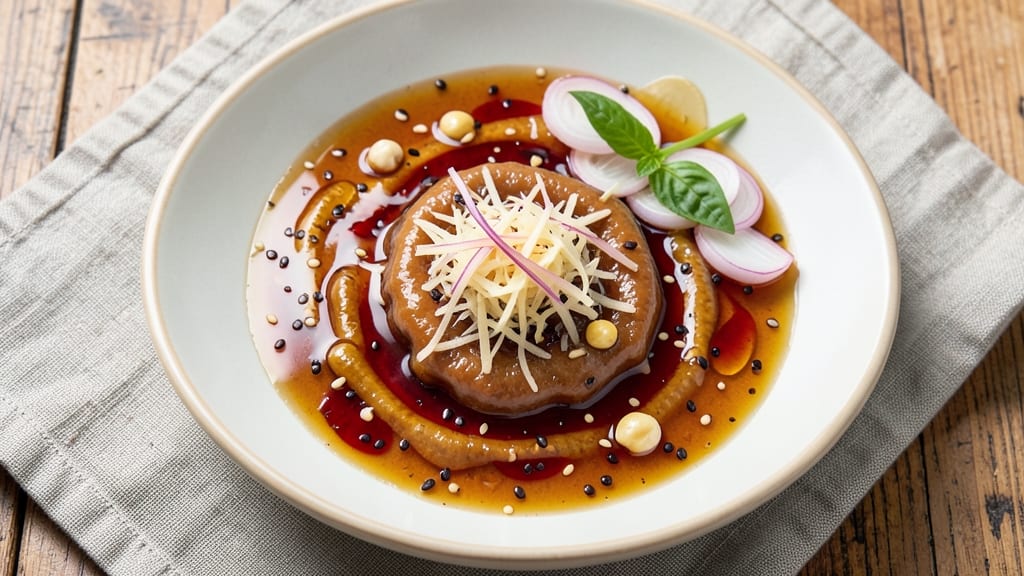
This Asian ginger sauce recipe transforms ordinary stir-fries into flavor-packed masterpieces with just a few simple ingredients and 10 minutes of active time.
The secret lies in balancing fresh ginger's sharp bite with aromatic garlic, the tang of rice vinegar, and a touch of honey for depth—creating a sauce that's equally at home as a marinade, dipping sauce, or glaze.
What sets this sauce apart is its versatility and ease of preparation. You'll start by simmering fresh ginger, garlic, and shallots until fragrant, then blend with a splash of vinegar, a drizzle of honey, and a splash of soy sauce for that signature umami kick.
The result is a silky, aromatic sauce that clings beautifully to noodles, meats, or vegetables.
The sauce's bright ginger flavor shines immediately but mellows beautifully when refrigerated, making it perfect for meal prep. Its balanced sweet, tangy, and spicy notes elevate everything from quick stir-fries to grilled proteins, adding complexity without overpowering.
This isn't just a sauce—it's a flavor multiplier that transforms simple dishes into restaurant-quality meals.
With just 6 ingredients and minimal effort, you'll have a sauce that keeps for up to a week in the fridge, ready to elevate your cooking whenever inspiration strikes.
The best part? Every batch tastes fresher than the last, as the flavors deepen with time. Let's make this sauce that will become your kitchen essential.
Ingredients for asian ginger sauce
Six potent ingredients blend to create this aromatic sauce that elevates every dish it touches.
| Ingredient | Amount | Notes |
|---|---|---|
| Fresh Ginger Root 🧄 | ½ cup | Finely grated, skin removed |
| Garlic Cloves 🧄 | 4 cloves | Peeled, minced for aromatic base |
| Shallots 🧅 | 2 whole | Minced, or 2 tbsp chopped |
| Rice Vinegar 💧 | ¼ cup | White or seasoned variety |
| Honey 🍯 | 2 tbsp | Wildflower preferred for depth |
| Soy Sauce 🍶 | ¼ cup | Light or dark, to taste |
| Sesame Oil 🫒 | 1 tbsp | Toasted for nutty aroma |
| Water 💧 | ¼ cup | For thinning consistency |
Fresh ginger is the heart of this sauce—look for vibrant, firm roots with no soft spots, available at most grocery stores' produce sections or Asian markets. Costco or Trader Joe's often carry organic ginger in larger quantities, ideal for frequent use. Shallots add subtle sweetness; if unavailable, two green onions with whites included work as a substitute, though flavor will differ slightly. Garlic should be fresh, with tight cloves and no sprouting. Toast the sesame oil in a dry pan for 30 seconds before adding to the sauce—this enhances its aroma without overpowering the ginger's brightness.
No rice vinegar? Apple cider vinegar or white wine vinegar both work, though rice vinegar's mild sweetness is preferred. Honey can be swapped for maple syrup or agave nectar, though honey's floral notes complement the ginger beautifully. For a soy-free option, coconut aminos provide umami depth. The sauce's balance relies on these ratios—reduce honey slightly if you prefer less sweetness, or increase vinegar for more tang. Store-bought ginger paste lacks the freshness of grated root, but in a pinch, use 2 tbsp paste per 0.5 cup fresh ginger—though texture will be thicker.
This sauce thickens as it sits, so thin with water if needed before using. Keeps for up to 1 week in an airtight container in the fridge, with flavors deepening over time. Freeze in ice cube trays for single-use portions—perfect for quick stir-fries. The sesame oil separates when refrigerated; give it a gentle shake before using. For extra richness, add 1 tsp toasted sesame seeds just before serving. Leftovers make an excellent marinade for proteins or a dipping sauce for spring rolls.
Why You'll Love This Recipe
- Five-Ingredient Magic: I swear by this list—ginger, garlic, shallots, vinegar, honey. That’s it. No fancy pantry trips, no last-minute grocery runs. The sauce comes together while you’re still debating what to eat for dinner.
- Bright & Bold: The honey softens the ginger’s bite, but don’t worry—it’s still got that zing. One taste and you’ll understand why I keep a jar in my fridge. It’s the kind of flavor that lingers just right, like a good memory.
- Dresses Up Everything: Slather it on grilled chicken, drizzle it over noodles, or toss it with cold rice. Honestly, I’ve even used it as a marinade for tofu. It’s my secret weapon for turning simple meals into something special without extra effort.
- Makes Leftovers Shine: This sauce keeps for weeks in the fridge, and it only gets better with time. I’ll be real: I’ve saved half a batch from lunch to turn into dinner the next day. The flavors meld into something even richer, and it costs me almost nothing.
Step-by-step instructions for Asian ginger sauce
This vibrant sauce delivers bright ginger heat and deep umami in just minutes—ideal for stir-fries, marinades, or dipping.
Prepare the Ginger and Aromatics Base
Peel the 0.5 cup fresh ginger root using a spoon to remove the skin, then grate it finely with a microplane or grater. You want a texture that's smooth but still retains some texture—think of it as a cross between a paste and fine shreds. Set aside in a small bowl. Peel and mince the 4 cloves garlic cloves and finely chop the 2 whole shallots (or use 2 tablespoons of pre-chopped shallots for convenience). The aromatics should be minced small enough to dissolve completely when cooked.
Here's the thing—fresh ginger loses its potency quickly, so don't grate it too far in advance. If you're prepping ahead, store the grated ginger in an airtight container in the fridge for up to 3 days, but plan to use it within 24 hours for maximum zing. The shallots and garlic can be prepped a day ahead, but keep them refrigerated until you're ready to cook.
Cook the Aromatics Until Fragrant
Heat a small saucepan over medium heat and add the 1 tablespoon sesame oil. Once the oil is shimmering but not smoking (about 30 seconds), add the minced shallots and cook for 1-2 minutes until they soften and become translucent. Add the garlic and ginger, stirring constantly for 30 seconds—this prevents the garlic from burning while allowing the ginger's natural oils to release. You'll smell an immediate burst of fresh, citrusy ginger aroma.
Cook for another 2 minutes until the raw smell of the ginger disappears and the mixture turns a vibrant golden color. This is your signal that the aromatics are fully integrated and ready for the liquid ingredients. If the mixture starts to stick, add 1 tablespoon of the 0.25 cup water to deglaze, but aim to keep the pan dry enough to develop a light fond for extra flavor.
Combine Wet Ingredients for Balance
Reduce the heat to low and carefully pour in the 0.25 cup rice vinegar, 0.25 cup soy sauce, and 2 tablespoons honey. Stir immediately to prevent the vinegar from cooking off too quickly, which could make the sauce overly sharp. The mixture will bubble gently—let it simmer for 3-4 minutes until it thickens slightly and coats the back of a spoon. This is where the sauce comes together: the vinegar brightens, the honey rounds out, and the soy sauce deepens the umami.
Taste the sauce at this stage. It should be tangy from the vinegar, slightly sweet from the honey, and salty from the soy sauce, with a sharp ginger kick. If it's too sharp, add another ½ teaspoon honey; if it lacks brightness, add 1 teaspoon more rice vinegar. The goal is a balanced harmony where no single flavor dominates. Real talk: this is the moment that matters—get it right now, and the sauce will shine.
Thin and Finish the Sauce
Remove the pan from heat and let it cool for 1 minute. Stir in the remaining 0.25 cup water to reach your desired consistency. The sauce should be thick enough to coat the back of a spoon but still fluid enough to drizzle easily. If it's too thick, add 1-2 tablespoons more water; if too thin, simmer it uncovered for another 1-2 minutes to reduce slightly. The sauce should cling to ingredients like a silky glaze without being syrupy.
Return the pan to low heat and add a final swirl of 1 teaspoon sesame oil (reserved from the original 1 tablespoon). This adds a nutty depth and balances the acidity. Taste again and adjust seasoning—most sauces benefit from a pinch of salt (about ¼ teaspoon) if the soy sauce wasn't salty enough. Transfer the sauce to a clean jar or bowl and let it cool to room temperature before using. It will thicken slightly as it cools, so plan to thin with a splash of water if needed later.
Store and Use for Maximum Freshness
Let the sauce sit at room temperature for 10 minutes to allow flavors to meld fully. For best results, use it within 3-4 days when stored in an airtight container in the refrigerator. The sauce will keep for up to 1 week, though the ginger's freshness will mellow over time. When ready to use, give it a stir and thin with 1-2 tablespoons water if it's thickened during storage.
This sauce elevates everything it touches—drizzle it over steamed dumplings, toss it with stir-fried vegetables, or use it as a marinade for grilled meats. The key to its versatility lies in its balance: the ginger's heat, the vinegar's tang, the honey's sweetness, and the soy sauce's depth. Each component plays a critical role, so don't skip any steps. Trust the process, and you'll have a sauce that's restaurant-quality at home.
Pro Tips For Making Asian Ginger Sauce
- PEEL GINGER THINLY: Use a spoon to scrape off the skin in one smooth motion—don’t waste time peeling with a knife. Thick slices burn fast and turn bitter; thin slices cook evenly and release their bright, zesty flavor. (Yes, even if you’re impatient like me, resist the urge to chop it big.)
- SMASH GARLIC LIKE PASTA: After mincing, flatten the garlic cloves with the side of your knife before cooking—this prevents them from burning into oblivion. I learned this the hard way after my sauce tasted like charred regret. A quick press with a glass or heavy pan works too.
- ACIDIFY GRADUALLY: Don’t dump all the rice vinegar at once. Start with half, taste, then add the rest—this keeps the balance between tang and sweetness. Honey’s thickness can mask acidity, so adjust in small bursts. (Your future self will thank you for not overpowering the dish.)
- COOK SHALLOTS LOW: Shallots caramelize fast—watch them like a hawk. Once they turn golden, they’ll turn bitter in seconds. Keep the heat at a simmer, not a sizzle, and pull them out the second they’re soft. (Does it look weird? Yes. Does it work? Every single time.)
Serving suggestions for this asian ginger sauce
Stir-Fry Elevation
This ginger sauce transforms simple stir-fries into restaurant-quality dishes. Toss it with 1 pound of shrimp or chicken breast after cooking, then add 1 cup snap peas and ½ cup shredded carrots.
The sauce clings beautifully to proteins, creating a glossy finish. For extra depth, add 1 tablespoon toasted sesame seeds and 2 tbsp chopped cilantro at the end. 🌟
Dipping Sauce Magic
Serve this sauce warm or at room temperature as a dipping sauce for spring rolls, egg rolls, or fresh mochi. The balance of heat, tang, and umami makes it irresistible.
I like to drizzle it over steamed dumplings or potstickers for an instant upgrade. For a creamy twist, mix 1 tbsp Greek yogurt into the sauce before serving.
Grilled Protein Marinade
Use this sauce as a marinade for salmon fillets, chicken thighs, or tofu. Let the protein marinate for at least 30 minutes (or up to 4 hours) in the fridge.
The ginger tenderizes while infusing flavor. Grill or broil until fully cooked, then drizzle with extra sauce. For skewers, thread chunks of beef or shrimp onto skewers and marinate for 1 hour before cooking.
Rice Bowl Glaze
Drizzle this sauce over steamed jasmine rice or sushi bowls for instant flavor. Top with sliced avocado, pickled radishes, and sesame seeds. The sauce's brightness cuts through the richness of fried rice or ramen.
For a quick lunch, mix ½ cup cooked rice with 2 tbsp sauce and 1 tbsp chopped scallions—it’s a flavor bomb in seconds. ✨
Breakfast Boost
Add a spoonful to scrambled eggs or ramen for a savory kick. Stir it into miso soup or congee for warmth. I also love drizzling it over toasted bagels with smoked salmon and cream cheese.
The ginger’s zing wakes up your taste buds—perfect for mornings when you need a flavor punch. 💛
Customization Tips
Adjust the sauce to suit your dish. For spicier versions, add ½ tsp chili flakes or 1 tsp sriracha. For sweeter applications (like glazes), increase honey to 3 tbsp.
To make it thicker for glazes, simmer uncovered for 5 extra minutes to reduce. Thin with water or broth for dipping sauces. The possibilities are endless! 🔥
Nutrition facts
Frequently asked questions
Can I substitute store-bought ginger paste for fresh ginger?
You can, but the flavor will differ slightly. Use 2 tablespoons ginger paste per 0.5 cup fresh ginger, but expect a thicker texture and less vibrant ginger heat. For best results, stick with fresh ginger—its oils release more aroma when cooked. If you're short on time, try grating 1 tbsp fresh ginger and adding 1 tbsp paste for a compromise.
How do I adjust the sauce for spicier or sweeter dishes?
For extra heat, add ½ teaspoon chili flakes or 1 teaspoon sriracha when blending. For sweeter applications (like glazes), increase honey to 3 tablespoons and reduce simmering time to 2 minutes to prevent over-sweetness. The sauce's balance is key—start with small adjustments and taste as you go.
Can I make this sauce without soy sauce?
Yes! Replace the 0.25 cup soy sauce with 0.25 cup coconut aminos (soy-free) or 0.2 cup fish sauce (for umami depth). For a vegetarian option, use 0.25 cup tamari (gluten-free soy sauce) or 0.2 cup mushroom powder dissolved in 2 tbsp water. The sauce will still pack flavor but with a different profile.
Why does my sauce separate when refrigerated?
The sesame oil naturally separates when cold—this is normal! Just give the jar a good shake before using. For a smoother texture, stir in 1 teaspoon cornstarch mixed with 1 tbsp water and heat gently for 1 minute to thicken. Avoid over-mixing once refrigerated to prevent clumping. The sauce will re-emulsify as it warms up.
What’s the best way to use leftover sauce?
Freeze leftovers in ice cube trays for single-use portions—perfect for quick stir-fries or marinades! Thaw overnight in the fridge. For extra richness, add 1 tbsp toasted sesame seeds or ½ teaspoon grated lime zest before using. The sauce also makes an excellent base for ramen broth or curry pastes—just simmer 1 tbsp sauce with 1 cup broth for instant depth.